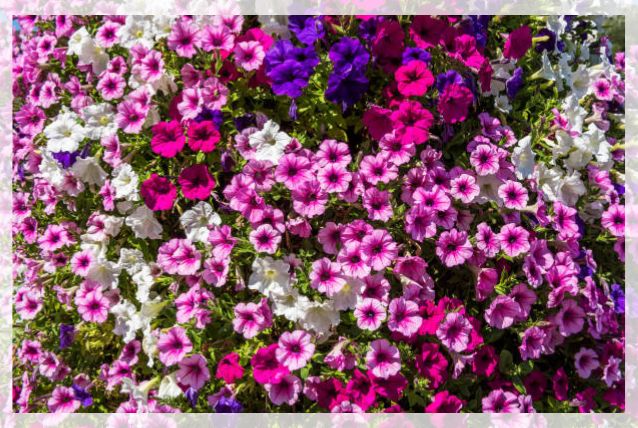
One of the most popular flowers you can have in your garden is Petunia Flower.
They tend to have exceptional blooms and long flowering periods.
Moreover, just like most annuals, they can get leggy by midsummer, so you will want to prune the shoots back to half their length.
In most annuals, gardeners tend to treat petunia flowers as annuals in most areas.
However, they can also grow them as tender perennials in zones 9 to 11.
The flowers come in a number of colors and patterns and bloom from spring until frost.
These colorful annuals can add pop to a front lawn and you can use them in borders, containers, hanging baskets, or even as seasonal groundcover.
Some even tend to have a slight fragrance, while their height tends to vary from 6 inches to 18 inches and they can spread along the ground anywhere from 18 inches to 4 feet.
Keep on reading to learn more.
Petunia Flower
Petunia flowers, petunia spp, in flower beds and pots are one of the most popular garden flowers.
They tend to be prolific blooms and you can find them in just about every color but true blue.
Moreover, they tend to have wide, trumpet-shaped flowers and branching foliage that is hairy and somewhat sticky.
You can find a great variety within the petunia genus.
Most of these are sold as hybrids and can have single or double blooms, ruffled or smooth petals, striped, veined, or solid colors, mounding or cascading growth habits, and even fragrances.
It is important to note that petunias are fast-growing plants that tend to reach full size by late spring.
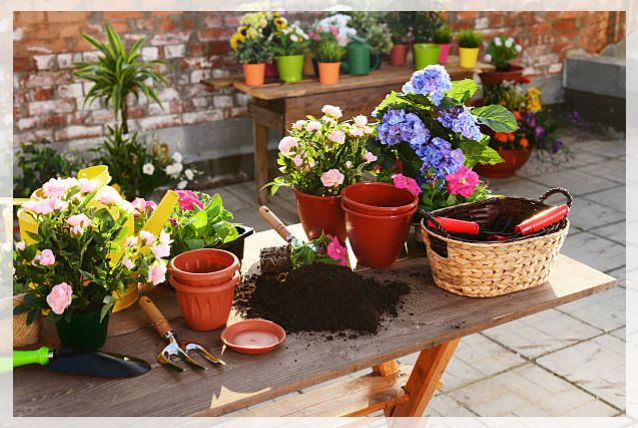
When you intend to plant them, it often depends on the last projected spring first date of your area, the plants must not be exposed to any frost.
You can keep them blooming all summer by giving them enough sun, water, and fertilizer.
While making sure to deadhead the spent blooms and prune back scraggly growth.
In cold climates, petunias tend to be annuals and only last one growing season.
However, in warmer regions, these will come back every year, however, still do not last long.
They tend to self-seed for continued growth.
Quick Facts about Petunia Flower
Some quick facts about petunia flowers are:
| Common Name | Petunia |
| Botanical Name | Petunia spp. |
| Family | Solanaceae |
| Plant Type | Annual, perennial |
| Mature Size | 6–24 in. tall, 6-36 in. wide |
| Sun Exposure | Full |
| Soil Type | Well-drained, moist |
| Soil pH | Acidic |
| Bloom Time | Spring, summer, fall |
| Flower Color | Pink, purple, yellow, red, orange, green, white |
| Hardiness Zones | 10–11 (USDA) |
| Native Area | South America |
Types of Petunia Flower
There are a number of types of petunias that range in appearance and care needs.
Depending on their characteristics, the petunia varieties are split into five main groups.
Let’s discuss them as follows:
Grandiflora: These types tend to have large flowers, however, they struggle in hot and humid climates.
Multiflora: These petunia varieties have smaller flowers than the Grandiflora types.
However, they make up for it by producing more flowers and having a higher tolerance for wet conditions.
Floribunda: These fall somewhere in the middle of Grandiflora and multiflora, and produce many moderately sized blooms.
Milliflora: The flowers of this variety stretch less than 2 inches across, however, they are abundant and long-lasting.
Trailing/spreading: Trailing petunia has a low-to-the-ground spreading growth habit.
Moreover, they look great as ground cover or spill over the containers’ edges.
Petunia Flower Care
Petunias like to thrive best in sun, in comparison to shade.
However, extreme summer heat with harsh sun tends to cause a temporary cease in blooming.
These plants will need regular watering and feeding throughout the growing season from spring to fall.
And they may also appreciate some protection from extreme weather.
This can involve moving your plant in pots to a protected area or setting up a temporary cover over petunias in flower beds.
Light and Soil Requirments
It is important to note that most petunia flower varieties tend to thrive in full sun, which means at least six hours of direct sunlight on most days.
However, in the heat of summer, partial shade, especially from the strong afternoon sun will help you to keep your plant refreshed and booming later.
Moreover, these plants tend to prefer light, fertile soil that provides good drainage.
They can also tolerate a variety of soil types as long as the soil is well-draining.
Also, they tend to thrive in a slightly acidic soil pH.
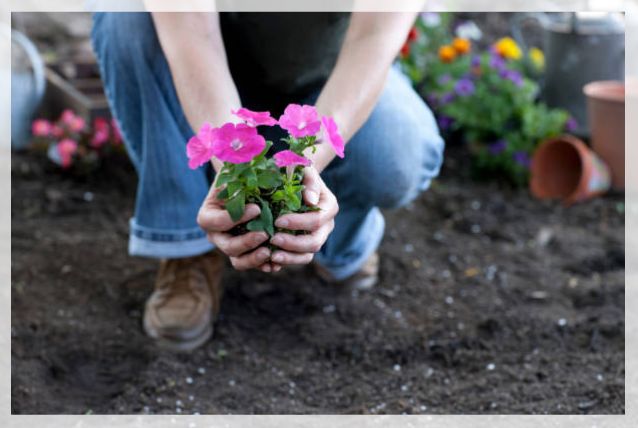
You can plant petunia outside after the threat of frost has passed. This is because the soil needs to be warm and workable for growth.
You can need to space the place roughly a foot apart.
Water, Temperature, and other Requirments
Like a number of other flowering annuals, petunia does not like to be dry for long periods.
However, they will also not like to sit in soggy soil which can result in root rot.
Moreover, too much water can result in leggy plants with few flowers.
Generally, it is enough to soak beds weekly with 1 to 2 inches of water when you do not have rainfall in your area.
However, some spreading types of petunia in pots will need more frequent and deep watering.
Make sure to avoid letting the soil dry out more than 2 inches down.
The ideal temperature for this plant is roughly 60 degrees Fahrenheit to 75 degrees Fahrenheit during the day.
While 55 degrees Fahrenheit to 65 degrees Fahrenheit at night is ideal for their growth.
Moreover, they can tolerate temperatures all the way down to 40 degrees F, however, frost and freezing temperatures can damage their plant and kill them.
Low to moderate humidity levels are ideal for the growth of petunia flowers.
Feed this plant at the time of planting with a balanced fertilizer.
It is also helpful to work some compost into the soil and then in July. Continue to feed the plant unlit the plant decline in the fall.
Then fertilize every two to three weeks with a liquid fertilizer specifically for the flowering plants.
It is important to note that some of the spreading types of petunias will need weekly fertilization, so make sure to check the individual care instruction for each plant.
Pruning and Propagation Tips
When you plant young petunia, make sure to pinch back the stems. This will encourage more branching and a fuller plant.
How far back you pinch depends on the plant.
If the plant is a short, stocky seedling, just pinch back an inch or less.
However, if the seedling is gangly, you can pinch back the stem by half.
You can propagate petunia flowers by stem cuttings.
Gardeners often do this if they want to save a certain variety, especially the one that is hard to find in the nurseries, and cultivate it indoors over winter until they can plant it outdoors after frost ceases in the spring.
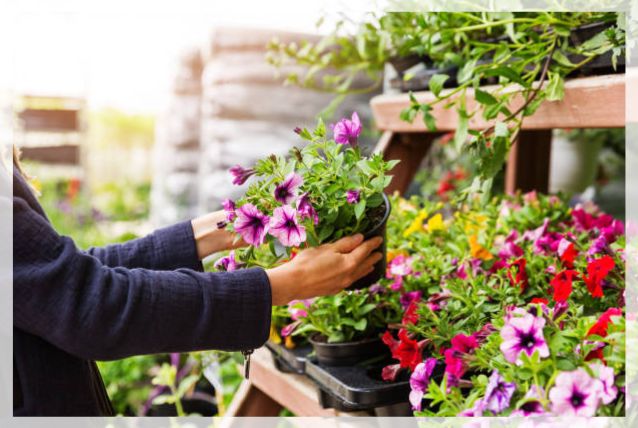
You will need to take the cutting from a healthy plant in the fall before any frost.
Here’s how:
- trim off a healthy part of the stem that is about 6 inches long, and make sure to opt for a green, supple stem over the one that is older and more woody
- remove foliage from the bottom half of the stem
- dip the cut end in rooting hormone
- then plant the stem in a small container filled with moistened soilless potting mix
- place it in bright, indirect light
- keep the growing medium moist and you will have root growth in a few weeks.
Growing Petunias from Seeds
It is very common to purchase young petunias from a nursery.
However, it can be worth the challenge to grow them from seed, especially if you are trying for a particular variety.
Start your plant seeds at least 10 to 12 weeks before the projected last frost date of your zone.
The following are the steps for planting petunias from seeds:
- spread the tiny seeds on top of a moist seed starting mix
- gently press down, however, do not bury them as they will need light to germinate
- then, cover the container with clear plastic and put it in a warm spot.
- however, make sure to keep it out of direct sunlight
- you will see seedlings within 7 to 10 days
- once they emerge, you can remove the plastic
- when the seedlings have 3 true leaves, you can transplant them into their own pots, until they are ready to be transplanted outdoors
Potting and Repotting Petunia Flowers
Make sure to use a quality all-purpose mix for petunias.
You can space petunias in pots slightly closer when they are in flower beds for a fuller look.
However, no more than three plants can go in a container that is 12 inches wide and deep.
The container must have ample drainage holes.
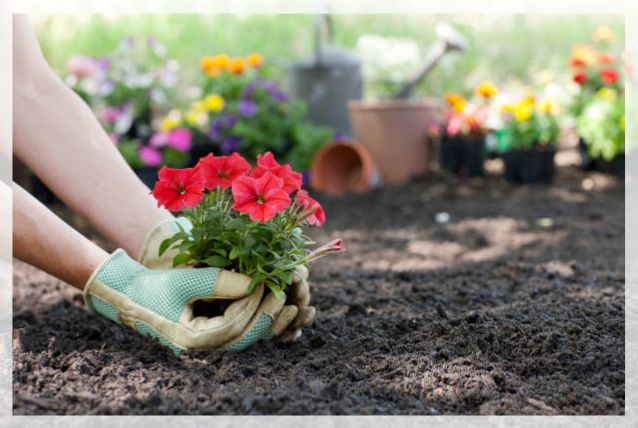
Any pot material should be fine, however, make sure to opt for a light color that will help to prevent the roots from overheating.
Moreover, it is ideal to start with a container that can accommodate the mature size of the petunias to avoid having to repot.
Disturbing roots during the growing season can hinder blooming.
Common Pests and Plant Diseases
Some pests can bother petunia flowers. These include:
These tend to feed on the stem and leaves of the plants.
In most cases, you can just hose pests off the plant with the help of a strong blast of water.
However, if the infestation is severe and impeding flowering, you can make use of an insecticide.
Moreover, petunias are susceptible to fungal diseases, like grey mold, especially in rainy climates.
In such cases, you can opt for a variety that has a higher tolerance for moisture if you live in wet conditions.
Getting Petunias to Bloom
The main blooming season for the petunia flower is in summer, though they can also start in early spring and stretch into fall until the temperature drops and frost arrives.
Older petunia varieties tend to need deadheading, i,e removal of spent blooms for them to continue blooming at their best throughout the summer.
However, many new varieties do not need deadheading, though they can still benefit from it to maximize their blooms.
If you want your petunias to elf-seed, leave the spent blooms on the plant.
But if you want all the energy of your plant to go toward optimal flowering for one season, which is often the case if you are growing them as annuals, deadhead is ideal for the plant.
Trim back a leggy petunia plant in midsummer so you can encourage fresh, healthy growth.
This, in turn, can produce more branching and blooms.
Common Problems with Petunias
Petunias are easygoing plants that often bloom, however, occasionally they can have issues that you can keep under control. These are:
Wilted Flowers or Leaves: There are a lot of reasons for wilted petunia flowers or leaves, however, in most cases, it comes down to the water.
It can be either too much or too little water,
Check the soil, if it is not damp, water your plant, however, if it is moist, ease up on your watering routine.
Leggy Stems: Your petunia flowers can develop leggy stems, however, it is easy to remedy.
Deadhead flowers regularly, and pinch back the stems.
If this does not help your plant, you can prune the stems back to 2 to 3 inches long, As the plant regrows, it will be less leggy.

Leave a Reply