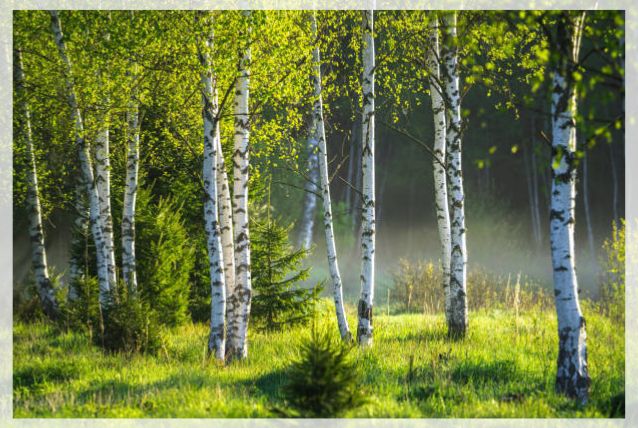
Though you may find it rare to have a deciduous tree make a big impact in the winter garden, the birch tree is an exception.
With papery scrolls of the barks in colors that range from snow white to cinnamon brown, this tree takes the center of the stage in your garden after the leaves fall and other plants go dormant.
However, it is important to note that the bark of the birch tree is just one of the many attributes.
The birch tree is often a denizen in the colder regions of the northern hemisphere as they are not doing well in hot-dry climates.
Moreover, there are about 18 species that are native to North America.
Keep on reading to learn more about the birch tree.
Birch Tree
The birch tree belongs to the genus Betula.
It is classified as part of the Betulaceas family of plants and is often small to medium-sized trees and shrubs.
You can find this tree in the temperate zones across the Northern Hemisphere.
Moreover, some varieties of the birch tree tend to grow in shrubby clusters.
While others are trees that clump with multiple trunks and are still more grow as classic single-trunk trees.
You can ask anyone about what makes this tree special and if is it the beautiful bark that comes to mind right away.
Birchers are often a common choice in landscaping, however, they are relatively short-lived trees in comparison to other hardwoods.
And many often become damaged by insects and diseases.
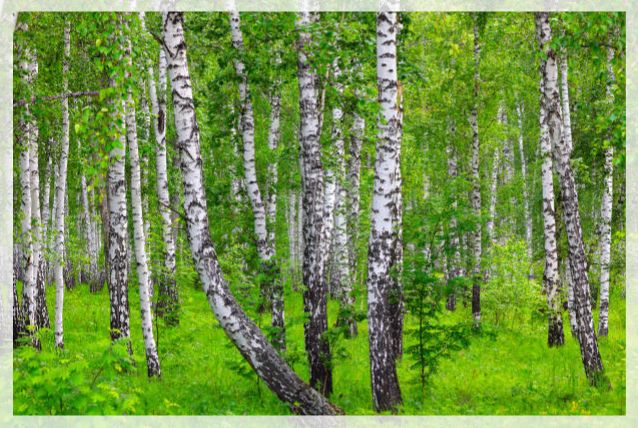
It is important to note that most birches are characterized by varicolored or white bark with papery plates, distinctive markings, and peeling layers.
The appearance of the bark, in most cases, is the feature that gives this species its common name.
Moreover, most birch trees tend to grow best in moist soil and they love the full sun.
However, the roots may head for the plumbing pipes if you plant a large tree too close to your house.
Do not let this deter you though, as these are stunning trees that are not hard to grow and should be a choice for your landscape.
These trees are fast-growing trees that quickly provide benefits to your yard.
Insect pests are most likely to affect a birch tree in areas where it may be wounded or diseased.
Pruning your trees and making them free of damaged branches can help to reduce the likelihood of infestation by bronze birch borer or other insects.
Learn more about Flower Border Ideas here.
Planting a Birch Tree
It is important to note that you can find a birch tree in the plant nursery that thrives in your local climate.
You can then transplant it in your own garden.
Follow the tips below for planting your birch tree:
Planting Site: Birch trees tends to thrive best in locations where the foliage gets full sun for at least six hours a day.
Make sure the soil, on the other hand, can be in the shade.
The roots of this tree tend to grow close to the surface of the soil and can suffer from too much direct sunlight.
Thus, make sure to choose a location in your garden that gets plenty of sunlight with the shaded ground.
Moreover, make sure that you choose a species that can thrive in your local climate.
Dig a Hole for your Tree: Measure the size of the root ball of your tree and dig a hole in the ground, twice its size.
Make sure that the hole is deep enough to allow a foot of distance between the root ball and the topsoil.
Keep the hole the same width at the top and both, in a square shape, to allow the root structure of the tree to grow.
Plant the Tree: Gently lower the root structure of your tree into the hole and holding it upright, fill the hole with soil.
Then pat the soil down as you go along until the hole is filled and the roots are covered.
Water your tree immediately after planting.
Stake it: During the first year of growth, you will need to use a metal pipe or wooden stake to help support the tree.
You can use a bit of inner tubing or nylon stocking, and tie the tree to stake the planting tree.
Learn more about Lima Beans: Growth and Care here.
Birch Tree Care Tips
To make sure your tree grows strong, follow the tips below:
Water your Tree regularly: Birch trees will need moist soil and a lot of watering in the summer months, especially during the first year of active growth.
Make sure to water your tree generously for at least two to three hours a week.
Mulch your Tree: You can use shredded bark or compost to help insulate the shallow roots of the tree from too much heat.
Make sure to spread the mulch around the root system of the round, leaving about three feet of distance between the mulch and the trunk.
Prune your Tree: Pruning your tree will help to support its structure and encourage healthy growth by relieving its trunk from the weight of dead branches.
Prune back to encourage it to stay centered and it can help to protect your tree from pests like bronze birch borer, aphids, and birch leafminer.
Monitor for Pests: It is important to note that the birch tree is particularly vulnerable to pests like bronze birch borer and a number of aphids.
You will need to monitor the tree regularly for signs of pests.
These include thinning at the top of the tree, brown splotches on its leaves, or holes in the bark.
The following are 11 common types of birch trees you can consider for your landscape.
Bog Birch, Betula Pumila
This one is a medium-sized, short-lived, clump-forming shrub tree.
It tends to thrive in wet spots and is native to North America.
Moreover, the plant can tolerate occasional flooding, alkaline soil, clay soil, and road salt.
When you plant it in a residential landscape, it will grow well around bodies of water or in boggy areas.
Bog birch is a good choice for rain gardens as well.
- USDA Hardiness Zones: 2 to 9
- Mature Size: 5 to 10 feet
- Light: Full sun
- Soil Needs: Moist, tolerates alkaline or clay
River Birch, Betula nigra
This one is an increasingly popular, fast-growing tree for the home landscape.
It is native to native to the Eastern United States.
It can grow either as a single tree or a multip-trunk clumping tree.
Moreover, it has distinctive salmon-pink to reddish-brown bark that tends to exfoliate to reveal lighter inner bark providing year-round interest in the landscape.
It has dark foliage that turns to a stunning buttery yellow in the fall.
River birch tree tends to have good resistance to the bronze birch borer.
Furthermore, it is one of the only truly heat-tolerant varieties.
This tree is also popular as red birch, black birch, or water birch.
- USDA Hardiness Zones: 4 to 9
- Mature Size: 40 to 70 feet
- Light: Full sun to part shade
- Soil Needs: Moist, does not tolerate alkaline soil
Cherry Birch, Betula lenta
This one is a large tree that tends to grow from a single main trunk.
Shiny, red-brown bark and yellow foliage make this tree an attractive one for your lawn and naturalized areas.
The bark on mature trees tends to develop a vertical crack that forms irregular scaly plates, closely resembling the bark of cherry trees.
Moreover, it flowers in April and May, and the tree produces fruiting catkins from August through October.
It also serves as a food source for deer, moose, rabbits, and a number of birds.
This tree also attracts butterflies to your landscape and is resistant to bronze birch borer which can destroy other species of this plant.
Its broken twigs tend to emit a spicy wintergreen fragrance and fermented sap is an ingredient that is used in birch beer.
Furthermore, the tree is native to the eastern U.S. from Maine to northern Georgia.
Regionally, the cherry birch may also be called names like black birch, sweet birch, mahogany birch, Virganis round leaf birch, or spice birch.
- USDA Hardiness Zones: 3 to 8
- Mature Size: 40 to 70 feet
- Light: Full sun to part shade
- Soil Needs: Moist, well-drained loams, acidic, sandy, rocky
Dwarf Birch, Betula nana
Betula nana is a small dwarf shrub, that is native to arctic and cool temperate regions, especially tundra landscapes.
It tends to grow in a number of conditions, though it favors a wet but well-drained site.
Moreover, the dwarf birch is rarely planted in the landscape, however, it is important to cover vegetation in cold northern territories.
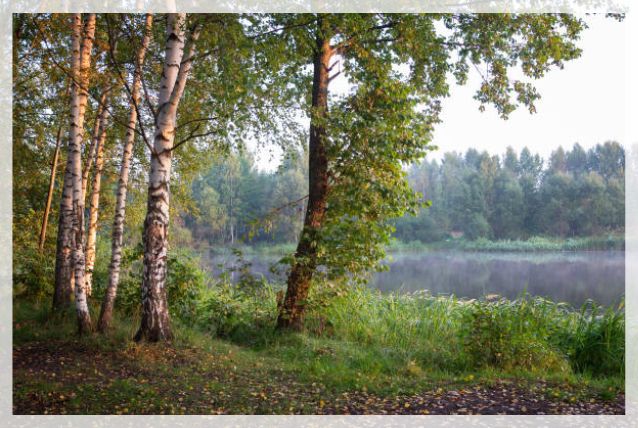
The tree is native to Green land, Iceland, northern Europe, northern Asia, and northern North America.
Other names for this tree are bog birch and arctic birch.
- USDA Hardiness Zones: 1 to 8
- Mature Size: 6 inches to 3 feet tall
- Light: Full sun
- Soil Needs: Moist, well-drained, rocky, nutrient-poor, acidic
Silver Birch, Betula penula or B. verrucosa
Silver birch is native to Europe and Asia.
It has an attractive pendulous habit and distinctive white bark that tends to peel away in paper strips.
Moreover, it grows as a single-trunk tree that gradually transforms from a pyramidal shape to a more rounded, oval crown.
Also known as weeping birch or Europen white birch, this tree was once used extensively in the landscape.
However, its high susceptibility to the bronze birch borer has limited its use in more recent years.
- USDA Hardiness Zones: 2 to 7; can be grown in 8 and 9 but will have a shorter life
- Mature Size: 40 to 80 feet, depending on the cultivar
- Light: Full sun
- Soil Needs: Medium to wet, well-drained, sandy
Himalayan Birch, Betula utilis var. jacquemontii
The ornamental interest of this one includes pretty spring flowers, rich yellow fall color, and bright papery bark.
It has a medium-sized tree with a single trunk that quickly branches out into a pyramid shape.
Moreover, this birch species are very vulnerable to damage by the bronze birch borer and will often need removal and/or replacement, especially in warmer zones.
It is a heartier and longer-lived tree in cooler climates.
Furthermore, this tree is native to West Himalayas and Nepal.
Other common names include white-barked Himalayan birch and jacquemonti birch.
- USDA Hardiness Zones: 4 to 7
- Mature Size: 30 to 50 feet
- Light: Full sun; can take some light shade
- Soil Needs: Moist, well-drained, loamy, sandy, clay
Japanese White Birch, Betula platyphylla ‘Japanica’
This one is also popular as Asian White Birch.
It is a medium to large tree with white bark and thin spreading branches that tend to terminate in drooping branchlets.
Though this species prefers full sun, the Japanese white birch loves to thrive in northern and eastern exposure that receives some afternoon shade.
The main need of the birch family is consistently moist soil.
Moreover, like other members of the birch family, this one performs best in cooler climates.
However, warmer zones can cause an increase in susceptibility to birch borer insects.
It is native to Manchuria, Korea, and Japan.
- USDA Hardiness Zones: 3 to 8
- Mature Size: 40 to 50 feet
- Light: Full sun to part shade
- Soil Needs: Moist, well-drained, sandy, or rocky loam
Paper Bark Birch, Betula papyrifera
Native to Alsaka, Canda, and northern U.S., states, this one tends to have lovely white bark and yellow fall color.
It tends to grow either as a single-trunk tree or in small clumps with multiple trunks.
Paper bark birch is named so because of its thin white bark which often peels in paper-like layers from the trunk.
Moreover, it is also popular as canoe birch or white birch.

This one is a classic birch that was historically used to make a number of useful products from footwear to birch-bark
Bids, catkins, and leaves along with twigs and bark are sources of food for both birds and wildlife.
This tree is resistant to the bronze birch borer.
- USDA Hardiness Zones: 2 to 7
- Mature Size: 45 to 100 feet
- Light: Full sun to light shade
- Soil Needs: Moist, sandy, loamy
Weeping Birches, Betula pendula var.
Trees that are known as weeping birches often are different naturally occurring or cultivated varieties of silver birch.
It is important to note that the exact details like growth zones, heights, soil, and light conditions depend on the particular variety.
Common varieites are:
- Curly birch (B. pendula ‘Carelica’)
- Cutleaf weeping European birch (B. pendula ‘Gracilis’)
- Golden cloud weeping birch (B. pendula ‘Golden Cloud’)
- Purple weeping birch (B. pendula ‘Purpurea’)
- Swedish birch (B. pendula ‘Dalecarlica’ or ‘Laciniata’)
- Tristis weeping birch (B. pendula ‘Tristis’)
- Young’s weeping birch (B. pendula ‘Youngii’)
Water Birch, Betula occidentalis or Betula fontinalis
This one often is found along streams in mountainous regions in western North America.
It grows in dense thickets and the bark is dark red-brown to blackish and smooth.
Unlike other trees of the same species, its bark does not peel.
Moreover, this tree is a source of food and lodge material for common North American beaver.
The tree has other common names like western birch, red birch, river birch, black birch, and western red birch.
- USDA Hardiness Zones: 3 to 7
- Mature Size: Shrubby form can grow 25 feet tall; as a tree, to 40 feet
- Light: Full sun to part shade
- Soil Needs: Naturally soggy soil
Yellow Birch, Betula alleghaniensis
Yellow birch is named for its bark and is a relatively long-lived birch that often grows for 150 years and may even age to 300 years in old-growth forests.
It tends to be a single-trunk tree with yellow-bronze bark. It peels in a narrow horizontal stripe.
Moreover, this is an important species to the North American lumber industry and a major woodland food source for birds and wildlife.

It is important to note that yellow birch is native to North America and can be regionally known as swamp birch, curly birch, gold birch, or hard birch.
- USDA Hardiness Zones: 3 to 7
- Mature Size: 50 to 80 feet
- Light: Full sun to part shade
- Soil Needs: Fertile sandy loam, well-drained
Final Thoughts
The different species of birch trees in the Betula genus include at least 11 species that are also important landscape trees. This tree offers interesting bark color and texture, as well as attractive foliage.
However, they are relatively short-lived and are prone to suffer from diseases and insects, particularly the bronze birch borer.
These trees can still make excellent, fast-growing landscape specimens that you can have in your landscape. If you are interested in more yard trees you can have oak and maple trees in autumn.

Leave a Reply