
The Internet of Things (IoT) is becoming increasingly popular, so connected devices have become popular in various areas of our lives. These include health and fitness, home automation, automotive and logistics, as well as smart cities and industrial IoT. Last but not least, smart IoT farming is another emerging field.
It is reasonable to expect that the implementation of IoT, connected devices, and automation would extend to agriculture too. It is bringing about significant improvements in various aspects of the farming industry. In light of the widespread adoption of self-driving cars and virtual reality, relying on horses and plows in agriculture seems old-fashioned.
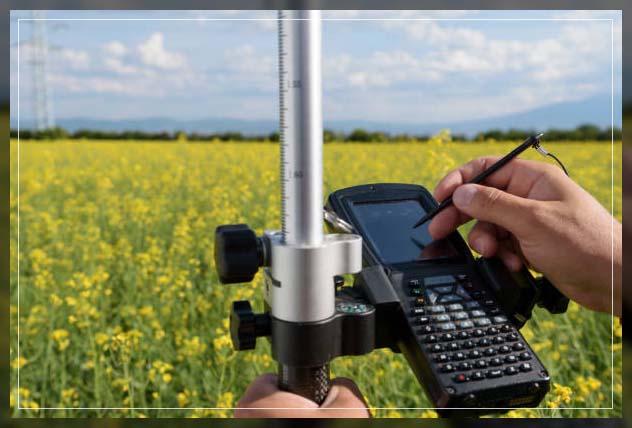
In recent decades, farming has undergone several technological advancements. It is becoming increasingly industrialized and reliant on technology.
With the aid of smart agriculture gadgets, farmers now have greater oversight. They have better control over the process of raising livestock and cultivating crops. This has made farming more predictable and efficient than ever before.
As a result of the rising demand for agricultural products, the use of IoT in agriculture has spread globally. It is also widely adopted in smart farming technologies. In 2022, the market share for IoT in agriculture reached an impressive $13.76 billion.
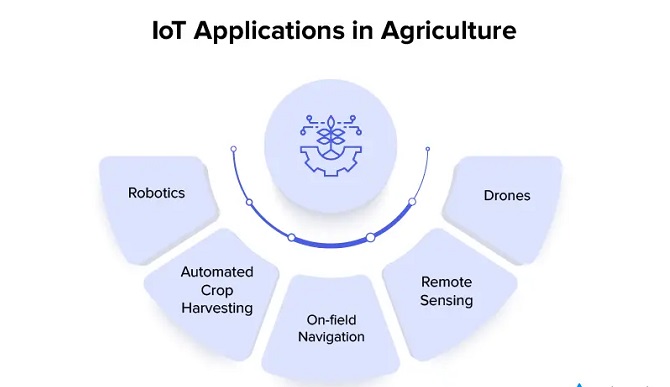
This article will explore the importance of smart IoT farming and its use in agriculture. We also discuss the ways it benefits humanity. If you want to know more about the topic or are considering investing in smart IoT farming, dive in. There are several innovative solutions you can explore.
What is Smart Agriculture?
You can refer to modern agriculture in many ways. For example, you can use AgriTech -the word refers to the general application of technology in agriculture.
Smart agriculture refers to the implementation of IoT solutions in the field of agriculture. Through the use of IoT sensors that gather machine and env data – farmers can obtain valuable info. They can obtain insights and make informed decisions to enhance their agricultural practices. These practices may include livestock management, crop farming, and other related activities.
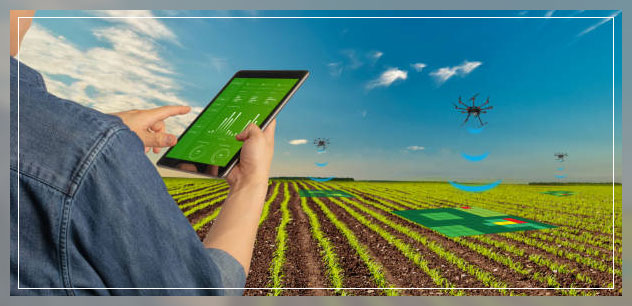
Smart agriculture refers to the implementation of IoT (Internet of Things) solutions in the field of agriculture. Through the use of IoT sensors that gather machine and environmental data, farmers can obtain valuable insights and make informed decisions to enhance various aspects of their agricultural practices. These practices may include livestock management, crop farming, and other related activities.
Although smart agriculture IoT, as well as industrial IoT in general, aren’t as popular as consumer connected devices; yet the market is still very dynamic. The adoption of IoT solutions for agriculture is constantly growing.
Namely, COVID-19 has positively impacted IoT in the agriculture sector. Disruptions in the supply chain during the pandemic and the shortage of qualified workers – have a significant effect. In fact, as per recent reports, the smart framing market share increased by substantial figures.
Since the smart agriculture market is still developing, businesses have abundant opportunities to enter and thrive. Creating IoT products for agriculture in the next few years can position you as an early adopter. You can grow your business, which will benefit farmers in several ways. It will also pave the way for future success.
But why should you consider building a smart IoT farming application in the first place?
The Benefits of Smart IoT Farming: How IoT is Shaping Agriculture
The latest innovations in the IoT have the potential to transform agriculture in many aspects. Namely, there are several ways – as IoT can help improve agriculture:
1 Smart agriculture sensors generate vast amounts of data, such as information on weather conditions, soil quality, crop growth progress, and livestock health. This data can be leveraged to monitor the overall state of your business, as well as to evaluate staff performance, equipment efficiency, and other relevant metrics.
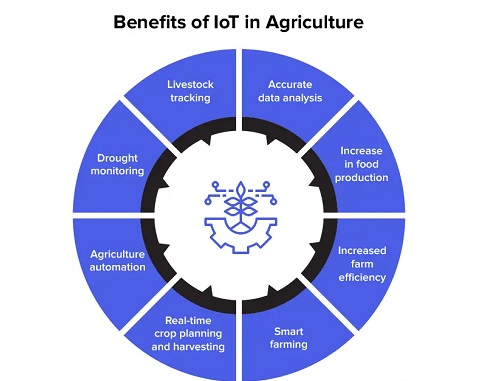
2 Having better control over internal processes can significantly reduce production risks. At the same time, it can also increase predictability. This foresight will enable farmers to plan their product distribution more effectively. The reason being they can accurately anticipate the output of the production. You will clearly understand the number of crops that will be harvested. You can also ensure that your product is distributed appropriately and does not remain unsold.
3 You can utilize smart devices in your agricultural operations. You can automate numerous processes throughout your production cycle. These cycles may include irrigation, fertilization, and pest control. By automating these tasks, farmers can enhance the efficiency of their business operations.
4 With the increased control over production offered by smart agriculture sensors, you can manage costs and reduce waste. By identifying any irregularities in crop growth or livestock health, you can proactively address issues and mitigate the risk of losing your yield. This enhanced control can result in cost savings and waste reduction.
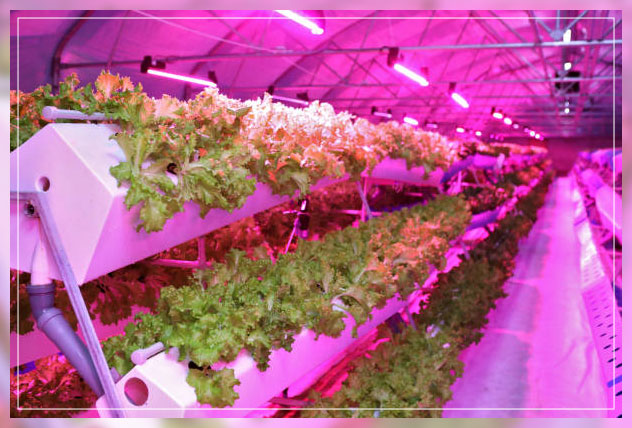
5 Through the use of automation and increased control over the production process, smart agriculture sensors can help achieve higher standards of crop quality and growth capacity. This can result in enhanced product volumes and improved overall product quality.
6 Smart agriculture sensors enhance business efficiency and offer env benefits. Automation of farming processes through smart technologies can reduce pesticide and fertilizer usage. It also helps provide more precise coverage. This, in turn, reduces greenhouse gas emissions. As a result, it contributes to a reduced environmental footprint.
Therefore, you will see that all these factors can eventually lead to higher revenue.
IoT Use in Agriculture
There are many types of IoT sensors for agriculture. There are also several IoT applications in general:
1 Monitoring of climate conditions
One of the most prevalent smart agriculture devices is the weather station. It integrates multiple smart farming sensors. Positioned throughout the field, these stations gather diverse env data. Then they transmit these data to the cloud. Farmers or experts can leverage this info to create climate condition maps, select suitable crops, and implement necessary actions. In order to optimize their growth capacity, also known as precision farming.
2 Greenhouse automation
Farmers manually manage greenhouse conditions traditionally, but IoT sensors offer an alternative. With smart agriculture sensors, farmers can obtain precise real-time data on greenhouse conditions, including lighting, temperature, soil quality, and humidity.

Besides sourcing env data, weather stations can adjust the conditions to match the parameters. Specifically, greenhouse automation systems typically use a similar principle.
3 Precision farming
Precision farming is also referred to as precision agriculture. It is a highly practical and widely adopted application of IoT technology in farming. Farmers can use accurate, data-driven insights to increase efficiency and make informed decisions.
The IoT sensors can collect a wealth of data on various aspects of the field microclimate and ecosystem. These sensors also provide info about lighting, temperature, and soil condition. Moreover, you can also get info on humidity, CO2 levels, and pest infections.
This data empowers farmers to make accurate and data-driven decisions. In addition, it can help estimate the optimal amounts of water, fertilizers, and pesticides needed for your crops. This can help reduce expenses and cultivate better, healthier crops. Therefore, we see precision farming as one of the most influential and widespread applications of IoT in agriculture.
For example, companies today build IoT soil sensors. These sensors can measure soil moisture, temperature, and electric conductivity. Thus enabling farmers to approach each crop’s unique needs individually.
You can also use the technology to help create precise soil maps for each field. Finally, it allows farmers to reduce waste, improve yields, and at the same time, increase farm sustainability.
4 Agricultural drones
Agricultural drones are among the most promising agritech innovations in smart farming. These unmanned aerial vehicles (UAVs) are more efficient at collecting agricultural data than airplanes and satellites.
In addition to surveillance capabilities, drones can perform various tasks that once required human labor, such as planting crops, pest control, disease prevention, crop monitoring, and agriculture spraying.
There are several companies today that produce drones. They are specifically designed for planting trees in deforested areas. Using these drones is six times more efficient than relying on human labor.
There are other examples where agricultural drones can utilize multispectral image analysis. These images help evaluate crop health and are also available at an affordable price.
The Future of Smart IoT Farming
IoT technology can transform the agricultural industry by improving productivity and reducing waste. With the use of smart agriculture sensors, farmers can now precisely monitor and adjust fertilizer and water usage for irrigation.
In addition, IoT-enabled systems can facilitate optimal and transparent transportation of farm produce. Such systems also ensure the sustainability and efficiency of the entire farm value chain. With all these benefits and capabilities, IoT technology has revolutionized the agricultural industry. It is empowering growers and farmers to minimize waste and boost productivity.
Read related topics on sprinkler system, cruciferous vegetables, plant nursery, water sprinkler, vegetable farm. You can also read about sprinkler irrigation, types of farming, tropical fruits, drip irrigation, ground water, types of organic farming, pest control services, pest control UAE, soil texture, seeds and plants, outdoor plants UAE, plant nursery in Dubai, manual irrigation, and more.

Leave a Reply