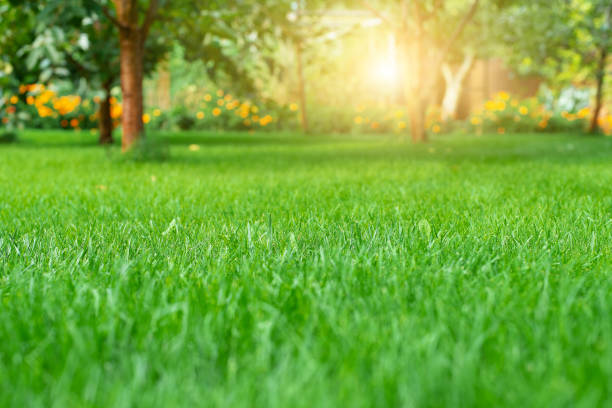
Ultimate Guide to Growing Lush Green Grass in the Gulf (UAE, Saudi Arabia, Qatar)
Achieving a vibrant green lawn in the Gulf’s hot, arid climate can be challenging. Homeowners face very high temperatures, low rainfall, and often saline soils. This comprehensive guide explains everything you need: from selecting heat- and salt-tolerant grass varieties, to soil preparation, watering and irrigation innovations, choosing between organic or synthetic fertilizers, controlling pests and diseases, and climate-smart maintenance scheduling. With these tips, even desert climates can support a healthy lawn.
Most grasses that do well in the Gulf are warm-season species. These thrive in summer heat but go dormant (brown) in cooler months. They also tend to be more drought-tolerant. In places like Arizona’s desert, for example, bermudagrass has proven to be best adapted to extreme heat and minimal water. Likewise, native Middle East turfs like seashore paspalum and improved hybrids offer exceptional salt tolerance. Throughout this guide, we’ll cover proven strategies for a resilient lawn under Gulf sun.
In this guide:
- Grass Varieties Suited to Gulf Climates
- Soil and Salinity Challenges
- Watering & Irrigation Innovations
- Fertilization & Weed Control (Organic vs Synthetic)
- Pest & Disease Management
- Mowing & Maintenance Practices
- Seasonal Lawn Care Schedule
- FAQs
- Conclusion
Essential Pre-Lawn Checklist
- Choose a warm-season, heat- and salt-tolerant grass (see Grass Varieties below).
- Test soil pH and nutrients (ideal pH ~6.5–7.0) and amend soil accordingly (soil pH guide).
- Install or inspect an efficient irrigation system (see irrigation types), and plan a deep-watering schedule.
- Prepare for fertilization and weed control: have slow-release fertilizer or organic compost ready, and plan a pre-emergent herbicide if needed.
- Select proper tools: a suitable lawn mower (buying guide), dethatcher or aerator, soil probe, and a good rake.
- Gather organic matter or compost (see our composting guide) to improve soil health.
- Plan your seasonal care: know that summers will be very hot and dry, while winters are mild; adjust your schedule accordingly.
Warm-Season Grass Varieties for the Gulf
Not all grass is equal in hot, dry climates. Choose warm-season turfgrass types that can handle intense heat, drought, and high salinity common in Gulf regions. Key options include bermudagrass (Cynodon spp.), which has extremely high heat tolerance and deep roots; seashore paspalum (Paspalum vaginatum), prized for its superior salt tolerance and ability to thrive on poor soils; zoysia grass (Zoysia japonica or matrella), which tolerates heat and moderate shade but has slower growth; buffalograss (Buchloe dactyloides), a native warm-season grass that requires very little water once established; and St. Augustinegrass, which tolerates shade and moderate salt but is less drought-tolerant. Each has tradeoffs in color, texture, and maintenance.
The table below summarizes key characteristics of top Gulf-suitable grasses:
| Grass Type | Heat Tolerance | Salt Tolerance | Water Needs | Shade Tolerance | Maintenance |
|---|---|---|---|---|---|
| Bermudagrass | Very High | Moderate | Moderate | Low | High |
| Seashore Paspalum | High | Very High | Low–Moderate | Low | Medium |
| Zoysia (e.g. Emerald) | High | Moderate | Low | Moderate | Low–Medium |
| Buffalograss | Moderate | High | Very Low | Low | Low |
| St. Augustinegrass | Moderate | Moderate | Moderate | High | Medium |
For example, seashore paspalum is considered the most salt-tolerant warm-season turf and can even withstand occasional seawater exposure. Buffalograss established lawns remain green on about 50–75% less water than traditional bluegrass. In contrast, St. Augustinegrass offers excellent shade resistance but must be irrigated regularly, and some cultivars (like ‘Floratam’) are bred for chinch bug resistance. Choosing the right grass for your yard’s sun/shade and water availability is crucial for success.
Soil and Salinity Challenges
Soil in Gulf countries is often very sandy, alkaline, and contains dissolved salts. Lawns grow best when soil pH is near neutral (about 6.5–7.0), so test and amend soil accordingly (for example, adding lime to raise pH or sulfur to lower it). High salinity can be mitigated by heavy watering to leach salts below the root zone, and by adding organic matter (compost) to improve soil structure. Good drainage and aeration help roots access water and nutrients even in sandy soils. Overall, improving soil with compost or quality topsoil gives any grass a strong foundation.
Amending Gulf desert soils with compost or well-rotted manure can increase water retention and slowly release nutrients. Every year add a layer of compost or organic mulch to build soil organic matter. If tests show low nutrients, a balanced fertilizer or specific minerals (such as iron for chlorosis) may be needed. Attention to soil health (pH, texture, organic content) is as important as watering and mowing for a healthy lawn.
Watering and Irrigation Innovations
Efficient irrigation is crucial in the desert climate. Most warm-season turfgrasses need roughly one inch of water per week during active growth. Instead of daily light sprinkling, water deeply but infrequently (for example, a long session early in the morning). This encourages roots to grow downward. According to turf experts, deep irrigation every few days is better than many shallow cycles. Using precise watering methods (like drip tubing or “stream rotor” sprinkler heads) minimizes evaporation loss.
Modern smart controllers and sensors can save water by adjusting to weather conditions. For instance, some “smart sprinkler” systems connect to your smartphone and local weather data, automatically reducing run time when rain is forecast. In Gulf landscapes, consider using treated wastewater or harvested rainwater for irrigation to conserve freshwater. Above all, monitor your system for leaks and align spray heads properly to avoid water on driveways or wind drift.
Fertilization and Weed Control (Organic vs Synthetic)
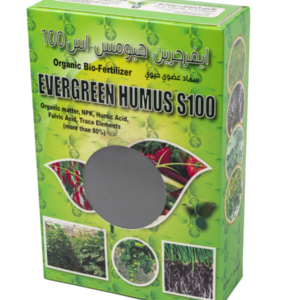
A well-fed lawn resists stress and weeds. Synthetic (chemical) fertilizers deliver nutrients quickly, are inexpensive, and easy to apply, but they can “burn” grass and leach away if overused. Organic fertilizers and compost release nutrients slowly as soil microbes break them down, improving soil structure and microbial life. However, organics tend to be pricier per nutrient unit. A balanced approach is often best: use slow-release fertilizer formulations or compost to maintain healthy growth, supplemented by targeted nitrogen applications in spring and fall.
Below is a quick comparison of fertilizer types:
| Fertilizer Type | Release Rate | Pros | Cons |
|---|---|---|---|
| Synthetic (Chemical) | Fast (soluble) | Immediate greening; precise N-P-K | Risk of burn; potential runoff into water |
| Organic (Compost/Manure) | Slow (microbial breakdown) | Improves soil health; eco-friendly | Lower nutrient concentration; higher cost |
Lush turf naturally crowds out weeds, but some control is still needed. A healthy, thick lawn will minimize grass weeds. Use a pre-emergent herbicide or corn gluten in spring to block crabgrass and similar annual weeds. Spot-treat broadleaf weeds (dandelions, clover) with selective herbicides or hand-pull them. For organic lawns, mulching and mowing at higher heights also suppress weed germination. See our weed management guide for more on specific products and strategies.
For detailed fertilization guidelines, see our Fertilizer Guide. Always follow recommended N-P-K ratios for your grass type. Remember: consistent nutrition, whether from compost or fertilizer, is key to a green lawn and can greatly reduce weed pressure over time.
Pest and Disease Management
Integrated Pest Management (IPM) is the best plan for managing lawn pests. Common lawn pests include white grubs (beetle larvae), chinch bugs, armyworms, and sod webworms (chinch bugs are a major pest of St. Augustinegrass). An IPM approach—combining preventive practices, regular scouting, and targeted controls—is recommended. For example, beneficial nematodes or milky spore can control grubs, and insecticidal soap or neem oil may help with surface-feeding insects.
Fungal diseases are relatively uncommon in hot, dry climates, but standing moisture can invite problems. Always water in the morning so blades dry by midday. If diseases like Rhizoctonia (brown patch) or leaf spot appear (often as circular dead patches), improve drainage and ventilation, and treat with a suitable fungicide if necessary. In heavily shaded or poorly drained spots, consider replacing turf with shade-tolerant groundcovers or gravel to avoid persistent disease issues.
Mowing and Lawn Care Practices
Proper mowing is one of the simplest ways to maintain a lush lawn. Cut warm-season lawns high—generally 3 to 3½ inches—to encourage deep roots and shade out weeds. Never remove more than one-third of the grass blade at a time. Use a sharp blade for a clean cut; dull blades tear grass and invite disease. If possible, leave grass clippings in place: this “grasscycling” returns nitrogen and moisture to the soil as it decomposes.
Aeration and dethatching also help prevent soil compaction and improve air circulation. If thatch (the layer of dead grass stems) exceeds about ½ inch, use a core aerator or dethatching rake to remove it. After aerating or dethatching, overseed thin spots and apply a light fertilizer. Check your mower type: for large or uneven yards, a sturdy wheeled mower is best, while a reel mower suits small, flat lawns. Sharpen blades at least once a year and adjust cutting height seasonally. Regular mowing (2–3 times per week in summer) keeps turf dense and vigorous.
Seasonal Lawn Care Schedule
Every Gulf garden has its own timing, but a general timeline helps:
- Early Spring (Feb–Apr): As temperatures warm, dethatch or aerate if needed, soil-test, and apply a balanced fertilizer. This jump-starts growth. Patch or sod bare areas now. Begin mowing (at higher height) once grass is actively growing.
- Summer (May–Sept): Water deeply 1–2×/week early in the morning. Mow to the upper height range (3.5″+). Watch for heat stress—if grass tips turn brown, temporarily increase irrigation. Inspect weekly for pests (grubs, etc.) and treat promptly. Avoid heavy fertilization during peak heat; a light summer feeding only if growth is poor.
- Fall (Oct–Nov): Apply a late-season slow-release fertilizer or compost to strengthen roots and aid recovery from summer. Overseed with the same warm-season grass if any thinning occurred. In the Gulf, grass often stays green into winter, so prepare for cooler weather by clearing debris. This is also a good time to check your irrigation and repair any damage.
- Winter (Dec–Jan): In the Gulf’s mild winters, grass grows very slowly or semi-dormant. Water sparingly (rainfall may help) and mow very lightly if needed. Use winter as an opportunity to service equipment and plan upgrades. Note: Unlike cold climates, Gulf lawns rarely require a “winterizer” application; focus on maintenance tasks instead.
Adapt these steps to your local climate and grass type. For example, some desert turf experts recommend deep watering every three days in summer rather than frequent light watering. Always let the soil dry slightly between waterings. Remember: timing tasks around your local seasonal calendar is one of the best “climate-smart” practices for a Gulf lawn.
Frequently Asked Questions
- Q: What grass type works best for Gulf climates?
- A: Warm-season, drought-resistant grasses like bermudagrass or zoysia are generally best. For very salty or recycled water irrigation, seashore paspalum excels. Buffalo grass is ultra-drought-tolerant once established. Grass selection should match your yard’s sun/shade exposure and water availability.
- Q: How much should I water my lawn during the hot season?
- A: Aim for about one inch of water per week, delivered in one or two deep sessions early in the morning. Avoid shallow daily watering. After heavy rain or irrigation, allow the topsoil to dry before the next cycle. Using a rain gauge or soil moisture probe can help you measure the amount precisely.
- Q: Should I use organic or chemical fertilizer?
- A: Both can be used responsibly. Organic options (compost, manure, bone meal) build soil health over time but release nutrients slowly. Synthetic fertilizers give a quick boost and precise N-P-K but can burn grass and runoff if overapplied. A blended approach often works best: for example, use compost annually and a controlled-release lawn fertilizer in spring and fall for a steady supply of nutrients.
- Q: How do I prevent pests in such hot weather?
- A: Hot, dry weather often limits pests, but check regularly. Remove excess thatch and avoid overwatering (pests like moist environments). Encourage beneficial birds and insects to your yard. For targeted control, introduce beneficial nematodes for grubs or use insecticidal soap for surface pests. Integrated Pest Management (monitoring and spot-treating) is recommended for any pest outbreaks.
- Q: Why is my lawn not staying green?
- A: Grass may brown from under-watering, over-watering (root rot), or nutrient deficiency. Check your irrigation frequency and depth. Also test soil pH and compaction. Many warm-season grasses naturally go semi-dormant under extreme heat or cold; some browning in peak summer or winter is normal. To revive a summer-browned lawn, ensure adequate deep water and nutrients. For persistent problems, adjust your fertilization or consider overseeding patches with a hardier variety.
Conclusion
Growing a lush lawn in Gulf countries is entirely possible with the right knowledge and effort. Focus on selecting heat-tolerant grass, improving soil health, using efficient irrigation, and maintaining proper mowing and fertilization routines. Embracing organic practices (compost, grasscycling) alongside smart technology (weather-based controllers) will help your lawn thrive while conserving water. By following these climate-tailored practices and staying consistent, your yard can become a green oasis even under the Arabian sun.

Leave a Reply