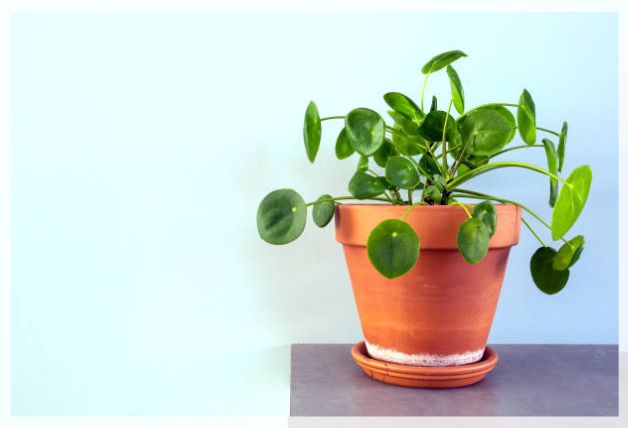
Peperomia Obtusifolia: The Complete Guide to Growing and Maintaining a Vibrant Plant
Welcome to the ultimate guide for caring for Peperomia Obtusifolia, also known as the baby rubber plant, pepper face plant, or American rubber plant. Beloved by indoor gardeners worldwide, this tropical treasure hails from the forests of South America, where it thrives in humid, nutrient-rich conditions. With its glossy leaves and charming, compact growth, Peperomia Obtusifolia is perfect for both novice and experienced plant enthusiasts.
This guide dives deep into everything you need to know about this exceptional plant: its unique features, growth habits, care requirements, and solutions for common issues. Whether you’re new to houseplants or looking to expand your collection, Peperomia Obtusifolia offers simplicity, beauty, and adaptability in one neat package. By the time you finish this article, you’ll have a thorough understanding of how to make your Peperomia thrive in any environment.
The Origins and History of Peperomia Obtusifolia
Peperomia Obtusifolia is a native of tropical and subtropical regions in South America, where it grows as an epiphytic plant in lush rainforests. Its natural habitat often involves thriving on organic debris on tree branches, absorbing nutrients from decomposing plant matter. The genus Peperomia is part of the Piperaceae family, which includes around 1,000 species, most of which are prized for their ornamental foliage.
The name “Peperomia” is derived from the Greek words “peperi” (pepper) and “homoios” (resembling), highlighting its relationship with the black pepper plant. This species gained popularity as a houseplant in the 20th century due to its adaptability and aesthetic appeal. Today, it continues to be a favorite for urban gardeners and plant enthusiasts who seek low-maintenance greenery with a tropical flair.
What Makes Peperomia Obtusifolia Special?
The Peperomia genus boasts over 1,000 species, but few can match the baby rubber plant in elegance and ease of care. Its lush foliage ranges from solid, deep green to stunning variegations in creamy whites, yellows, and greens. The Peperomia Obtusifolia ‘Albomarginata,’ for instance, is a striking variety prized for its vibrant edges and bold aesthetic. Its unique spoon-shaped leaves add a modern yet cozy vibe to any indoor space.
In addition to its attractive appearance, this plant is non-toxic, making it safe for households with pets and small children. It also serves as a wonderful air purifier, contributing to a fresher and healthier indoor environment. Its ability to filter toxins such as formaldehyde and carbon monoxide from the air makes it a perfect companion for urban dwellers.
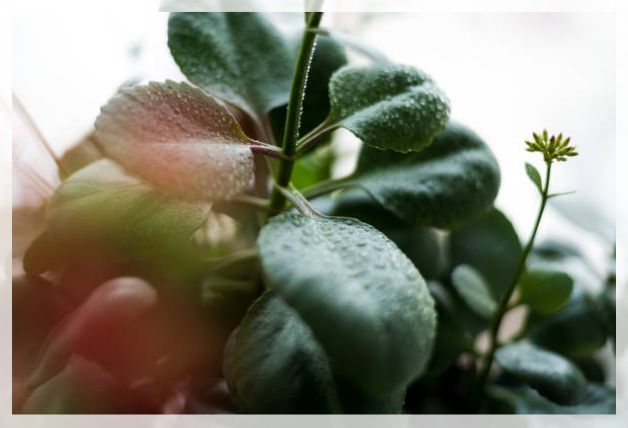
Fast Facts About Peperomia Obtusifolia
| Common Names | Baby rubber plant, Pepper face plant |
| Botanical Name | Peperomia Obtusifolia |
| Family | Piperaceae |
| Plant Type | Perennial, Herbaceous |
| Size | Up to 1 ft. tall |
| Sunlight | Partial or bright, indirect light |
| Soil | Well-drained, fertile mix |
| Zones | USDA 10-12 |
| Native Area | South America |
Detailed Care Guide for Peperomia Obtusifolia
1. Light and Placement
Peperomia Obtusifolia thrives in bright, indirect light, mimicking its natural understory forest habitat. Place it near a window with filtered sunlight, such as one facing east or west. Direct sunlight can scorch its leaves, while insufficient light may lead to leggy growth. The versatility of this plant also means it can adapt to fluorescent lighting, making it suitable for offices and dimly lit apartments.
2. Soil and Potting Requirements
A well-draining potting mix is essential for the health of this plant. A combination of two parts peat moss and one part perlite or sand is ideal. Adding a handful of orchid bark or charcoal to the mix can further enhance drainage and mimic its natural growing conditions. The roots of Peperomia Obtusifolia are shallow, so a smaller pot with drainage holes works perfectly. Avoid over-potting as this may lead to water retention and root rot.
3. Watering Guidelines
Allow the top inch of soil to dry out between waterings. Water less frequently during cooler months, as the plant’s growth slows. Use room-temperature water to avoid shocking the roots, and be mindful of overwatering, a common culprit behind root rot. For best results, water directly at the soil level rather than spraying the leaves to prevent fungal issues.
4. Humidity and Temperature
Maintain indoor temperatures between 65-75°F. While Peperomia Obtusifolia adapts to average home humidity, it flourishes in higher humidity levels. Using a pebble tray or misting occasionally can enhance its growing conditions. In particularly dry climates, a humidifier can be a worthwhile investment to ensure your plant’s long-term health.
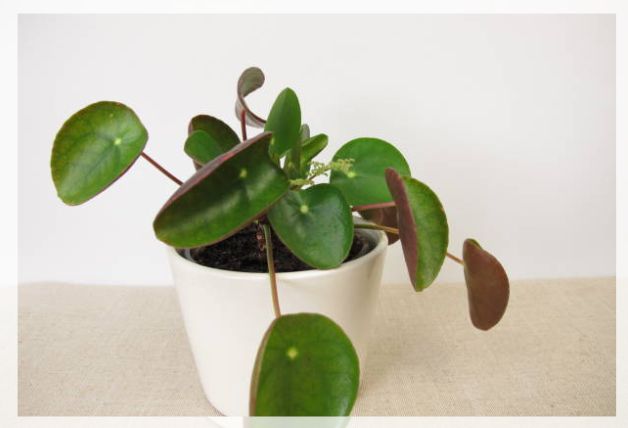
5. Fertilization
A balanced, diluted fertilizer applied monthly during the growing season promotes healthy growth. Reduce feeding during fall and winter, as the plant’s natural growth rate declines. Organic options like compost tea or worm castings are excellent alternatives for environmentally-conscious gardeners. Avoid over-fertilizing, as this can lead to salt build-up and damage the plant’s roots.
Pruning and Propagation Tips
Regular pruning encourages a full, bushy plant and removes any unsightly leaves. Pinching off growth at the tips stimulates new foliage and maintains its shape. Keep an eye out for stems that appear too leggy or damaged and remove them promptly to promote a healthier overall structure.
Propagation is simple and rewarding. Follow these steps to grow new plants from cuttings:
- Use sterilized scissors to cut a stem with one or two leaves and a node.
- Place the cutting in water or directly into moist potting soil.
- Keep the cutting in bright, indirect light until roots develop, usually within 3-6 weeks.
- Once established, transplant into a permanent pot.
Alternatively, leaf cuttings can be used. Simply place a healthy leaf with its petiole into moist soil and cover with plastic to retain humidity. Within a few weeks, new roots and shoots should emerge.
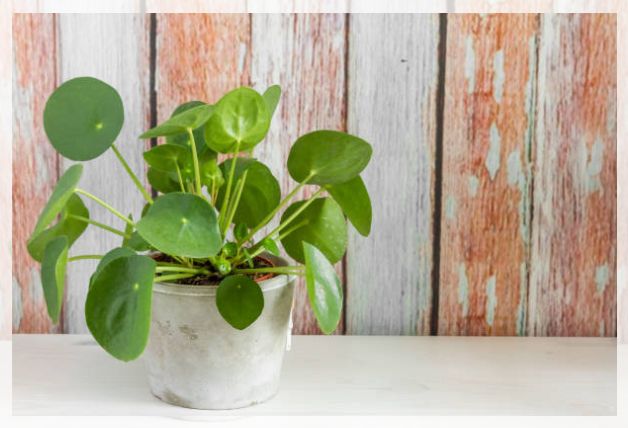
Troubleshooting Common Problems
Yellowing Leaves
Yellowing often signals overwatering. Ensure your pot drains well, and let the soil dry between waterings. Additionally, check for pests such as mealybugs or spider mites, which can weaken the plant and contribute to discoloration.
Drooping Foliage
This symptom could mean your plant is dehydrated or getting too much direct sun. Reassess its placement and watering routine. It may also be a sign of shock if you’ve recently repotted or moved the plant.
Browning Tips
Low humidity or exposure to cold drafts can cause browning. Relocate the plant to a warmer, more humid spot. Consider using distilled water if mineral build-up from tap water is an issue, as this can sometimes manifest as brown leaf tips.
Conclusion
Peperomia Obtusifolia is a delightful and dependable addition to any home. Its adaptability, minimal care requirements, and aesthetic appeal make it a top choice for plant enthusiasts. Whether you’re aiming to expand your indoor jungle or seeking a statement piece for your living space, this tropical gem is sure to deliver.
From its origins in South America’s rainforests to its role as a beloved houseplant, the Peperomia Obtusifolia symbolizes resilience, beauty, and simplicity. With the right care and a bit of attention, this versatile plant will reward you with vibrant foliage and enduring charm for years to come. Happy growing!

Leave a Reply