
Garden roses are one of the most prominent features of any garden and they deserve a grand spot in your garden.
While these roses have a reputation of being somewhat fussy, however, many cultivators are breeding for disease-resistant and vigor.
With the help of this breed, growing garden roses is now an easy process even for beginners.
Moreover, your rose garden can be as simple as a single piece of rose in the landscape along with some other plants.
However, you can also have multiple species of garden roses if you like.
It is important to note that you can also have small spaces like containers to grow garden roses, in raised beds, or narrow side yards.
Keep on reading to learn more about Garden Roses in detail.
Selecting Garden Roses
Garden roses come in a variety of types, however, the success with choosing the right garden roses depends on your goals.
Some roses like modern ‘hybrid tea’ types need a mild climate, extra care, and more protection to survive during the winter season.
On the other hand, classic florist-type roses fall into other categories.
Hardy, shrub-type roses can survive extremely cold temperatures much batter and need less attention and protection.
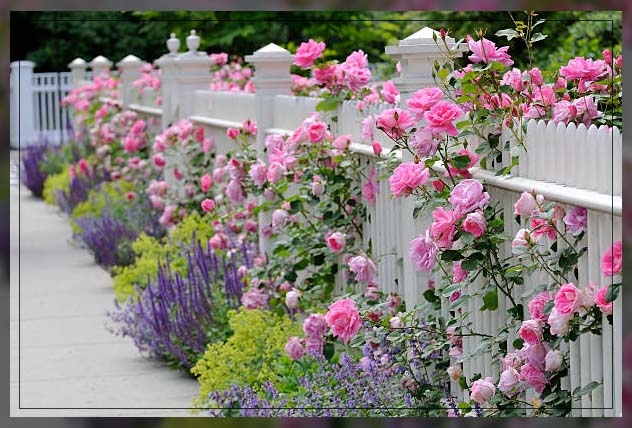
From delicate buds to big beautiful blossoms, the above types of garden roses are just as beautiful as other types and often have stunning rosehips as well.
Moreover, roses also differ in their fragrance and growth habits, from super fragrant heirlooms to scentless types.
They may also form tall climbing roses or miniatures as well.
It is important to note that many different varieties are resistant to diseases and pests.
Thus, by considering all the factors, you can choose garden roses best suited.
Choosing the Planting Spot for Garden Roses
There are different options on how you can choose to plant your garden roses. You can either give them a special spot in your landscape or mix them with other landscape plants.
Thus, roses are a great addition to edible gardens where vegetables and other edibles mix with ornamentals.
You can also add flowers and colorful foliage, however, many rose varieties have edible aspects as well.
You can use their petals in ice cream and rosehip tea, for instance.
Moreover, you can also grow roses in decorative containers or rearrange them for improving your overall room’s ambiance.
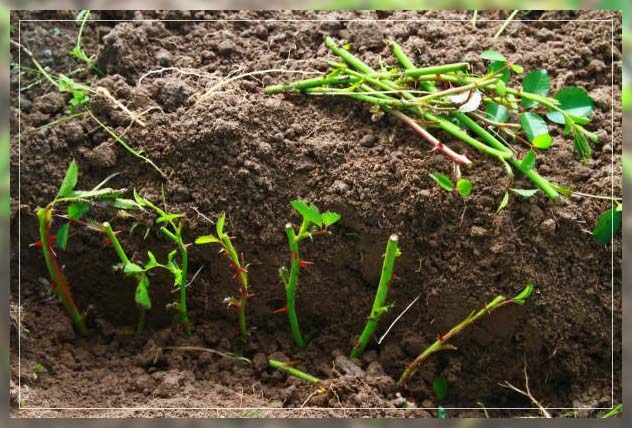
Whether you intend to plant them in-ground or in a pot, roses need plenty of sunlight and air for healthy, beautiful, and glossy leaves as well as for abundant blossoms.
Thus, choose locations that provide at least 6 to 8 hours of sun or more every day.
If you live in an area where the sunlight is intense, choose a spot that offers some protection after a hot afternoon.
Space your garden roses so that they have enough breathing room, especially in hot humid climates.
Moreover, good air circulation also helps to keep them healthy and disease-free.
Preparing the Planting Area for Garden Roses
You can plant garden roses in late spring, after frost, and before the summer season begins.
However, the winter threatens their growth, thus, plant them before fall, and is also a good planting time.
You can also prepare the soil in advance, as they flourish in the soil that is slightly acidic to near-neutral pH.
In this soil, the plant nutrients and extra nutrients vie fertilizers can help them grow and are easy to use.
Moreover, most plants and lawn grass prefer this range for optimal growth.
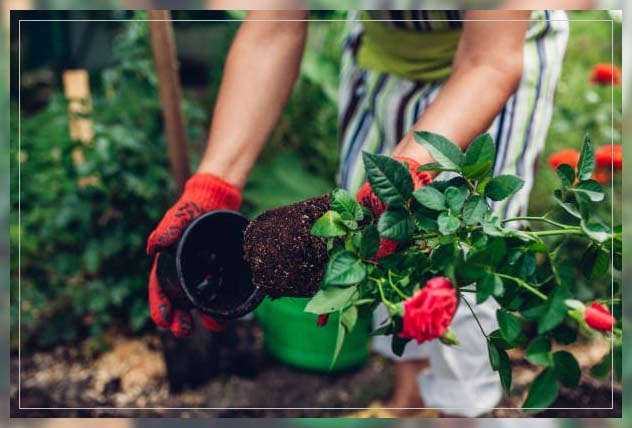
A simple soil test can also help you to learn about the type of your soil and how you can make it better for your garden roses.
However, if they lack the important nutrients, you can also have soil amendments to help get it better.
These include a complete and balanced fertilizer like 10-10-10. This formula promotes healthy growth, yields more blooms, and continues to feed your plant for more than 4 months.
Thus, you can also make plant food in the soil to make it readily available for your plants.
Fertilizing your Garden Roses
When you fed your roses well, then they produce big, stunning, 5 petaled blossoms in abundance
By making sure that there is a good foundation of organic fertilizers in the soil helps your roses to make the most of the soil.
However, they will also benefit from the additional nutrients as they grow.
Make sure to feed them regularly throughout their growing season with the right type of fertilizer that provides them a blend of nutrients they prefer.
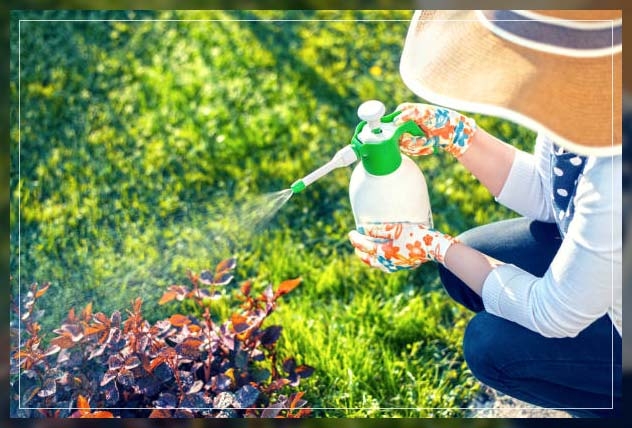
You can aslo opt for fertilizers that are specifically made for roses.
Look for fertilizers that contain extra phosphorus as it is an important nutrient that promotes good roots and big blooms.
Thus, feeding them the right balance helps to support strong stems, glossy leaves, and stunning flowers.
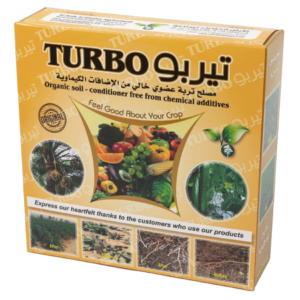
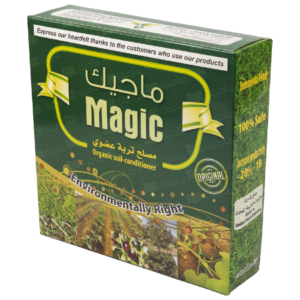
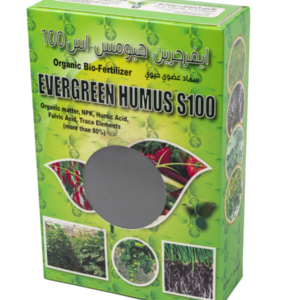
We at Al Ard Alkhadra aims at providing 100% organic fertilizers. You can contact us or visit our products log to view the details.
Watering your Plants
It is important to note that good hydration is crucial for fresh and plump petals and strong stems, however, watering garden roses is not complicated.
Make sure to water them thoroughly so that the roots grow deep and strong to withstand hot temperatures even drought.
Moreover, water them enough so that the soil stays slightly moist, but never leaves the soil soggy.
The roots of your roses need air just as much as leaves do.
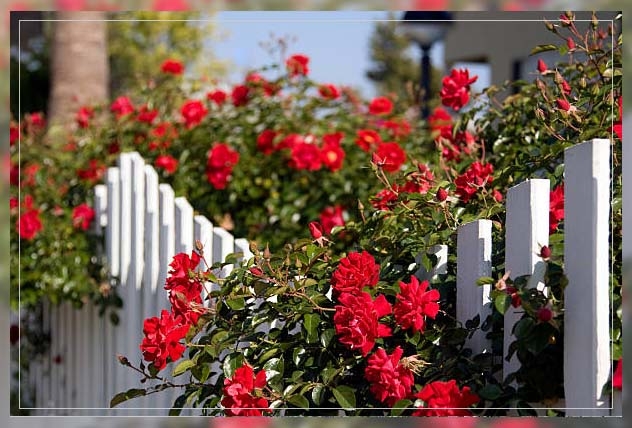
A layer of mulch around your roses can help to maintain soil moisture and also keep the dirt away from splashing up on your blooms.
Also, water your plants during the day at the soil level, so that the leaves and stems stay dry.
Many rose diseases rely on water droplets to spread, thus by watering early, the sun and wind can make the leaves dry quickly.
In case fungal diseases like black spots attack your rose plant, you can treat it with the help of fungicide to stop, control, and prevent it from spreading.
Managing Insect Pests
You are not the only one to be drawn towards the roses, insect pests can also attack them without warning.
However, when common rose pests attack, you can use insecticides to control the attack and help to keep the blooms and rose leaves damage-free.
You can either use them in concentrated form or ready to spray liquids, to kill and control more than 500 insect pests that damage ornamental and edible plants.
However, they are tough on aphids and beetles but gentle on gardens, it helps to protect roses and other plants for more than 3 months.
While using pesticides in your garden, make sure to keep bees, birds, and butterflies in mind.
Avoid spraying open blooms to protect the insects and pollinators.
Their activity can lead to bigger displays to fall rosehips, and bigger harvests from vegetables and fruits.
Planning a Garden Roses
To plan a rose garden, you can follow the steps below:
Chose a Site: Make sure that you choose a site in your garden that receives at least 6 to 8 hours of sunlight a day.
Moreover, good circulation can help to prevent the disease.
Make a Plan: You can either take inspiration from a gardening book or online.
Then draw a rough sketch while brainstorming for ideas to help to visualize what your garden will look like.
The beds should be small to allow pruning and other maintenance techniques, and you can consider pergolas, arbors or trellises, etc for planting them.
Types of Garden Roses: Choose the types of roses you want, and then pick a style that will balance with the exterior of your home.
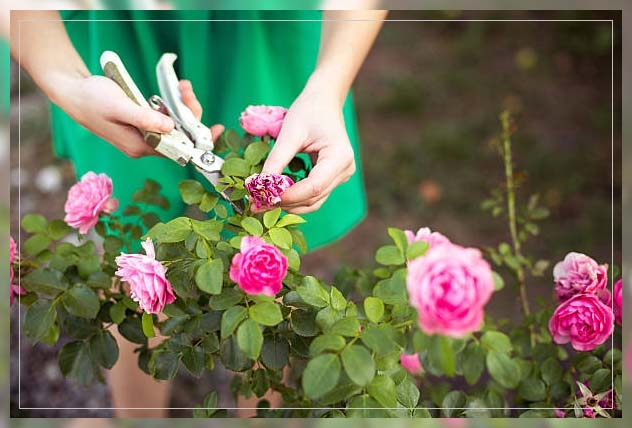
Color Scheme: You can also choose colors that will help to unify your home and landscape.
Soil Preparation: Well-draining soil that is slightly acidic with a pH between 6 to 7 is good for the growth of your garden roses.
Moreover, you can amend the soil with the help of compost or other organic matter.
On the other hand, for containers, use high-quality all-purpose potting soil and make sure that the pot has enough drainage holes.
Choosing the Plants: Easy care and hardy roses are most preferred. Selecting a variety of traits like size, shape, flower, color, and form, fragrance, etc is also important.
On the other hand, roses like hybrid teas are high maintenance and more prone to disease.
Plating Garden Roses with Other Plants
You can enhance the appearance of your garden by planting other plants along with garden roses.
This is because roses often go well with a number of trees, shrubs, perennials, and annuals.
Thus, choosing the plants with the same requirements of sun, ample water, and rich soil can help.
Let’s discuss the options as follows:
Flowering Companions: Intersperse plants that flower at different times to extend the bloom season and include perennials or annuals like petunia, verbena, or calibrachoa.
Complement and Contrast: You can pair roses along with other plants in complementary colors to create a drastic effect.
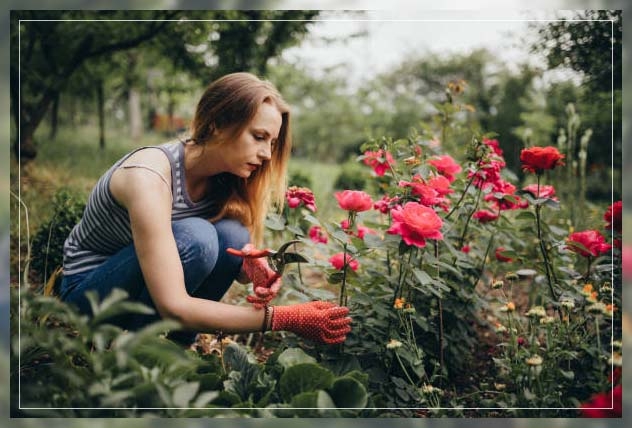
Therefore, you can pair Rapido Blue Carpathian bellflower or ‘Violet Profusion’ salvia with Ose Easy Lemon Zest.
Trees: Adding varying heights to a mixed border or a rose garden with trees can create a stunning look.
Shrubs: Enhancing the look of your garden by planting contrasting shrubs and flowers. These include boxwood, spirea, Bluebeard, and daphne.
Vines: You can train the climbers up or alongside your rose plants for a dash of colors.
Perennials: If you want to add colors of different sizes, structures, and colors, you can add perennials like lavender, phlox, speedwell, etc.
Final Thoughts
By following the above simple growing guidelines, you can enjoy stunning garden roses both indoors and outdoors.
Thus, keeping in mind different factors that influence the growth of your plants can help to choose the right rose for your landscape. Moreover, learning about the pests and diseases and arming yourself with an effective treatment plan will help to ensure that your plants stay healthy and beautiful.

Pingback: Climbing Plants: 8 Best Plants and Taking Care of Them - AAAK