As you know, in terms of production volumes, more than 50 percent workforce is engaged in agriculture and a whopping number of farmers across the globe. How do you manage such a large group of farmers, and how are decisions taken collectively? Therefore, you need to understand what farm management is and how it is practiced.
Farm Management
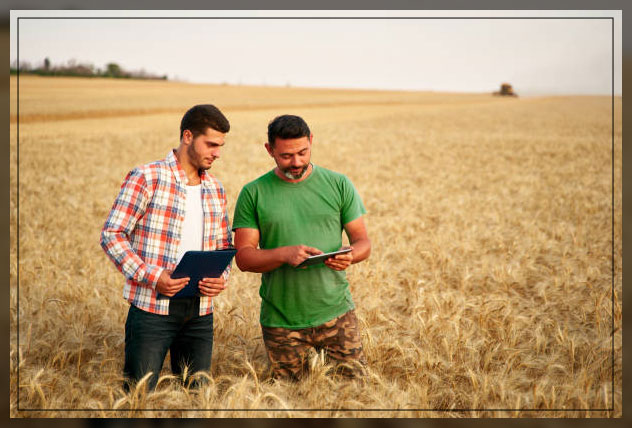
An area cultivated by a farmer or a group of farmers is known as a farm. It is the land devoted to raising crops for food production or pasture. The management of all this refers to the planning required for implementing production activities so that farmers can yield maximum returns.
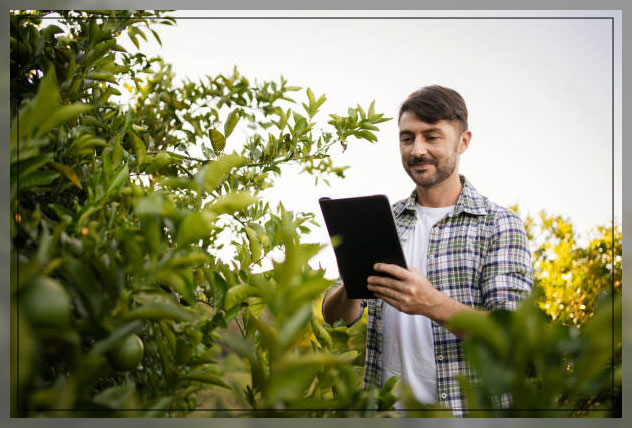
It is a management method you can use to organize and carry out farming-related decisions, such as crops, aquaculture, livestock, agroforestry, etc. The process helps to maximize profits and productivity at the same time. By allocating resources, devising strategies, and planning primary activities – you can plan and utilize the resources in the best possible way. Thus helping to achieve a sustainable and productive farming.
You can also define farm management as the science and art of optimizing the use of resources in farm of farm-households. Thus helping to achieve the optimal functioning of these systems. In the process, you can achieve your objectives. In other words, you can say it is a branch of Agriculture Economics – that often deals with the economics of farm units.
Farm Management Activities Involve
During the harvest growing period till the actual harvesting of the crop – several activities, operations, and data collection occur. All these activities will allow you to enable instruction of work and provide a method to update the operational info. The information about styles, additives, costs, equipment, and resources, to the harvest record. Common activities include:
- Managing farming operations, like tilling, pruning, planting, spraying, and irrigating.
- Conducting quality inspections or taking part in product classification assessment.
- Tracking growing statistics regularly.
Note that farm management is one of the most important resources – in operating farms. It determines how the farm-life will be organized, activities performed, and resources allocated. It primarily deals with various methods and strategies to keep a farm profitable, productive, sustainable, and resistant.
1. Spray Operations
As a farmer, you should track spray operations as it will help protect growers from the risk of agrochemical residue that may exceed the maximum residue limits, especially for domestic and export markets. It is important to note that the spray operations are a quality issue and a legislative safety requirement for farmland.
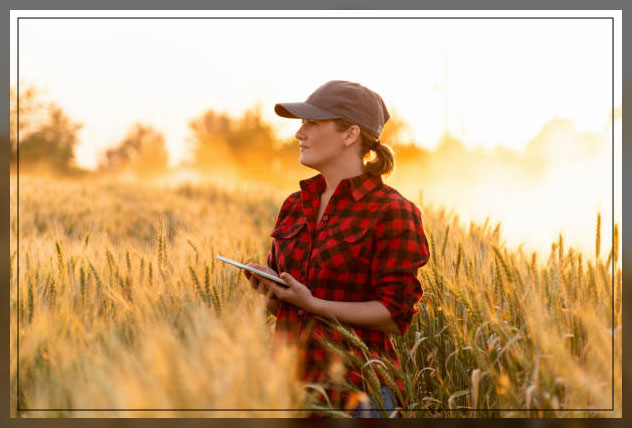
Depending on the last spray, farmers must consider the lead time between the spray operations and their estimated harvest date. If a unit is due to be harvested, farmers must ensure that the block is not sprayed for approx 30 days before harvest. If the routine is not followed, the yield from the block may be quarantined for a period.
2. Farming Operations
You use farming operations to record when activities such as irrigating, planting, and pruning occur. Typical info to be captured may include the planting method, pruning method, and associated comments.
The owner must understand the irrigation method and volume. They must also understand the pruning techniques, the dates on which the operations will complete, and also the stages of crop growth. The owner must compare the harvest activities to ensure that the crop growth and maturity can be easily managed. Growers may also measure the irrigation volume by plant or volume per area.
Main Objectives of Farm Management
The objective of farm management can be majorly classified into two aspects. One is primarily to increase the net profit of the farm, and the second is to decrease cost.
Factor efficiency:
One of the best ways to analyze profits over production is to determine the relative efficiency between agricultural input and output. This calculation will help create the principle of variable proportion which provides farmers with the most efficient combination for production.
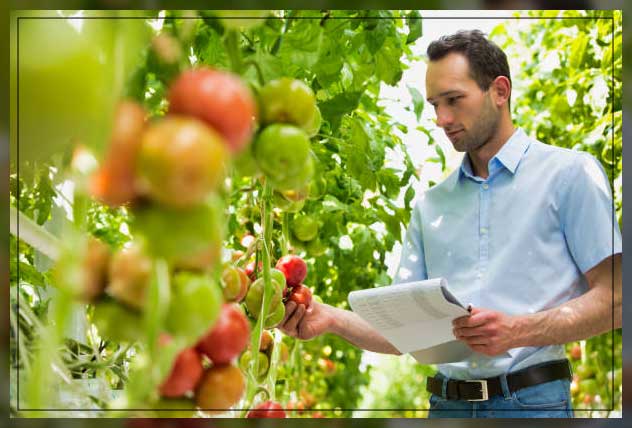
It will also allow the owners to understand different input levels. The inputs can be compared to the outputs and determine your business’s most profitable input-output combination.
Analyze cost and profit:
If you use farm management techniques it will provide cost and profit per hectare of land. It will open up opportunities that would help you analyze and make better decisions. At the same time, it is also necessary to study the cost per hectare and per quintal of crop produced
Evaluate resources:
You should gather data about water, land, labor, plants, animals, and renewable resources – as it would help you efficiently plan the exploitation – that would produce the optimum results. You should also evaluate the performance of different machines – which are used in carrying out various farm operations need to be evaluated.
Better decision:
Good farm management will provide you with various tools and data. Thus it makes decision-making much better. Owners need to figure out ways to increase farm efficiency with profitability. At the same time, they need to be prepared for all the risks and uncertainties.
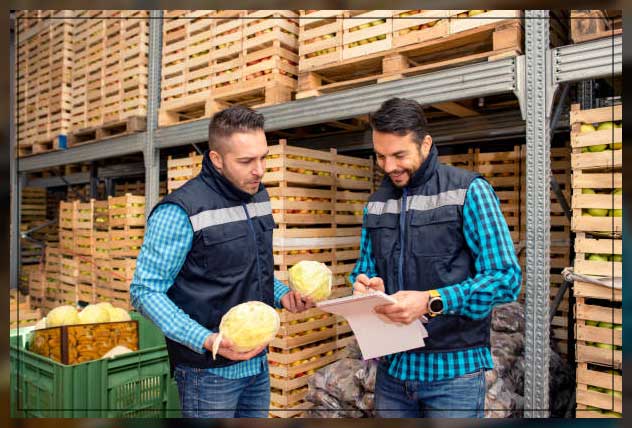
Note that it is necessary to implement various farming techniques generally suitable for one set of products. It helps create room for individual improvement and efficiency. You need to check the most profitable crop production and livestock-raising methods suited to your farmland.
Technology and Farm Management
As you might have noticed, the increased demand to feed the growing population has fueled digital transformation in the agricultural sector. Technology is also required to address climatic issues. It is important to note that data and connectivity are at the heart of this.
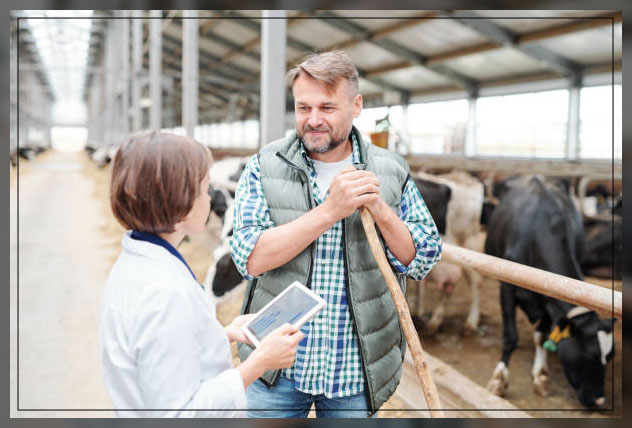
Interestingly, emerging technologies like IoT, Blockchain, AI, and ML have improved efficiency significantly. Thus increasing yields and building resilience and sustainability – in the agriculture ecosystems.
Today there are several farm management solutions built on blockchain technology that provides the required value addition. The collaboration of farmers, processors, and other stakeholders together plays a key role in the data ecosystem. The blockchain platform today provides seamless integration to farmers across the value chain. Thus helping to achieve increased productivity and profitability.
Farm Management Functions
Apart from what to produce, how to produce, when to produce, and how much to produce, as a farm manager, you will work on the other farming activities involving produce and livestock management.
They are in charge of how, what, when, and where to manufacture by adjusting the shift in economic and technological conditions. You can all use your technical expertise to deliver products on schedule.
As a farm manager, you can also acquire inputs for produce, storage, machinery procurements, marketing, and where to sell the produce. All these activities will include forecasting and adapting to changes in the market.
You can also keep track of your business-related activities like financial resource allocation, capital acquisition, tax records, filing, and regulatory compliance.
Principles of Farm Management
As you might know, various items are necessary to craft a farm management system. However, the fundamental guideline of farm management stays the same. These principles are subject to addition, modification, and deletion as and when a particular product may require it.
Under farm management, certain principles serve as a foundation for effective farming practices.
- Principle of variable proportion: It is a principle that deals with the amount of input that is required to derive a particular output. You need to calculate the efficiency. Changes in different input levels often affect the change in output.
- Cost principle: Here, you would study the importance of cost for production. It is important to note that there are short-term and long-term costs that might vary depending on the type of produce of the crop and gross return.
- Principle of substitution: As you know, various inputs are available to the farmer. As the owner you can choose between the cost of information and the product price. All based on the output you require.
Opportunity Cost Principle: There are always replacements for farm inputs. In simple terms, it determines the difference in cost for the following best alternate input.
Conclusion
You should use a farm management system to obtain effective results at a lower cost. In terms of legal. structural, and productive components of the economy – you can see that the agricultural industry is undergoing a rapid shift. Today, farm managers with a competent farm management system can only provide their businesses with a competitive edge, especially when there is so much competition.
You can opt for this as it offers a well-structured system. Finally, it makes room for your farmland’s productive, sustainable, and profitable development.
Read related topics on sprinkler system, ground water, sprinkler irrigation, vegetable farm, water sprinkler, drip irrigation, cruciferous vegetables, plant nursery, garden maintenance Dubai, greenhouse UAE, seeds and plants, and more.


Leave a Reply