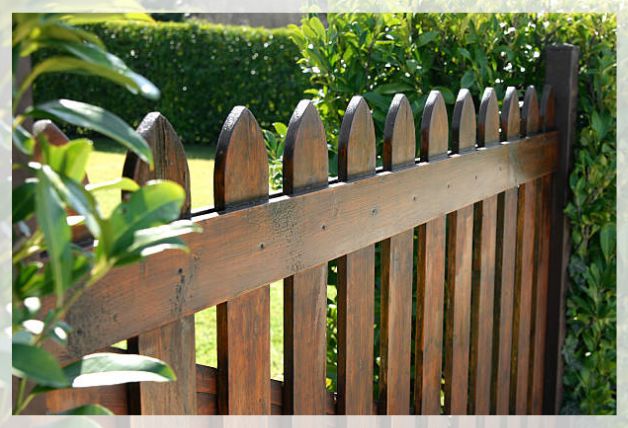
When choosing a garden fence for your garden or yard, you will want to consider factors like its design, privacy, security, and cost of the structure.
In case you intend to have a garden fence that will provide maximal privacy, you will clearly not want a structure with openings.
It will prevent people from looking through like a wrought iron fence.
In the same way, if you want a fence for security, you will rule out structures that are weak, short, or easy to scale like a picket fence.
There are a number of benefits of having a garden fence, they come in hundreds of styles and sizes.
This means you can always find something that suits the individual style and design of your garden.
Fences made of wood tend to add a natural feel to your garden.
Moreover, you can boost this by using them as an extra surface to grow more plants.
They will give support for shrubs, flowers, and climbing plants.
How? Keep on reading.
Garden Fence
A Garden Fence is a great addition to both large and small gardens.
This is because they tend to take up less space than traditional boundary enclosures like walls and hedges.
Moreover, they are easy to install as the individual panels will simply attach to posts set securely in the most.
It is important to note that most DIY novices are often able to put up their fencing with a little help.
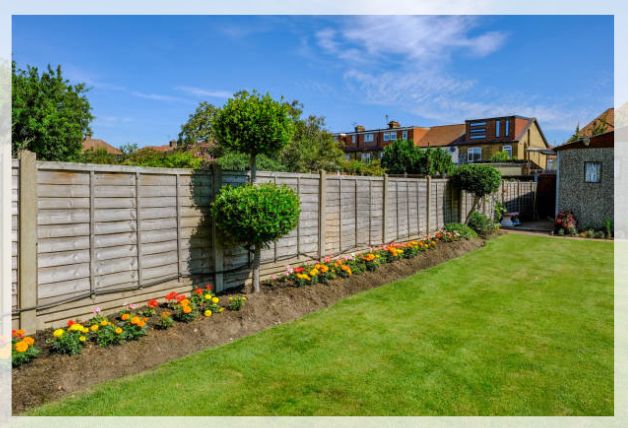
You can use decorative fence panels within your garden to divide up your space and create separate areas.
This will allow you to have more fun with your garden design by giving each section a different look and feel.
Learn more about Hard Landscape Works here.
Benefits of having a Garden Fence
The following are the benefits of installing a garden fence:
Security: Fencing tends to improve security, and keeps the inside in, and outside out.
Moreover, they help to prevent unwanted animals, unauthorized vehicles, or people from coming into your property.
You can choose to have close board fence panels that create a famous screen fence, offering privacy, and security.
They come in heavy timber framing and treated timber preventives that make sure great durability for a longer life.
Privacy: You might have other overlooking your garden or you just want to have that feeling of an enclosed space.
In this case, you can have battens that provide superior strength and closed horizontal slats for privacy.
Divide: Garden fences tend to be a great way to divide up space.
You can choose to have them around your home, workplace, or land.
Open pale picket fencing is a traditional style of fencing of horizontal rails with gaps between each pale.
Moreover, they also come pre-assembled so that you will only have to attach them to the post to create your divider.
Shelter: In case you need to provide extra protection to a spot in your garden, you can opt for hurdles for sheltering flower borders.
Decoration: You may what to have a feature fence in your garden without sacrificing the aesthetics of your garden.
You can achieve this with decorative fence panels.
Learn more about Outdoor Decor: Important Tips You can Follow here.
Types of Fence Panels
Different types of garden fence panels are:
Lap: Traditional lap fencing is one of the most popular and widely used fencings.
Each panel is constructed from horizontal partially overlapping boards that give it a rustic look.
Moreover, it is simple to produce, thus making it cost-effective.
Hit and Miss: name after its method of construction, this one is made from two layers of vertical or horizontal boards with each layer offset from the other.
This gives it a streamlined, modern-looking fence the ability to stand strong winds.
Featherboard: This one is also known as a Closeboard.
It is the heaviest, most robust option for boundary fencing.
Moreover, each panel is formed from overlapping vertical boards.
It tends to offer great security and privacy for your garden.
Trellis: This one tends to have open, crisscross slats that create a square or diamond pattern.

It may not be private enough for boundary fencing, however, it makes an attractive feature on top of solid fences.
You can also use trellis panels as screens, for creating separate areas of the garden.
And they are also a great addition that supports climbing plants.
Picket: This one is also known as Palisade.
This fencing is often low that provides better views.
It will suit front gardens or open boundaries.
Treatments to Choose From
Treating a garden fence can be time-consuming, however, rain and frost can penetrate untreated timber in your panels and posts.
This will cause rotting and rapid deterioration, which means forking out for replacement.
Therefore, treating your garden fence will add a couple of years to extend its life, saving you money in the long run.
Moreover, it creates an impact and gives your garden a facelift.
Step 1: Choose your Treatment: Modern-day fence treatment will contain water-repellant waxes and resins that will protect the timber.
You can also get a special wood preserve to use as an undercoat that will give extra protection.
There are two types of treatment:
- stains that are watery dyes that soak into the wood and change color, however, they leave the grain visible
- paints are ricker in pigments that sit on the surface of the wood and as a barrier
It is important to note that stains will need less upkeep as they do not chip.
However, you will need to apply the treatment more often.
You can find paints in a wide range of colors, however, they can b prone to chipping.
Step 2: Choose the Day: The best time to treat your fence is before it goes up the first place.
Make sure to apply the treatment to all the boards and posts before installing them.
In case the fence is already up, wait until you get a dry day with plenty of clouds.
Hot sunshine tends to dry out treatment too quickly and can make it streaky.
Step 3: Prepare the Fence: If the fence is already standing you, make sure to take some time to properly prepare it.
Clean the dirt, cobwebs, and debris with the help of a stiff brush and warm water.
Use a wire brush to remove the flaking paint and sand down the fence to create the best surface for the treatment to adhere to.
Wipe with a damp cloth to pick up any dust left and dry before you begin the treatment.
Step 4: Treat the Fence: You can apply the fence treatment with the help of a brush or spray system.
Make sure to wedge space cardboard underneath the fence to catch any drips.
Then treat the fence one section at a time, applying the treatment following the grain of the wood.
And work from top to bottom.
Learn more about How to Design Soft Landscape Works? here.
Garden Fence Ideas
A garden fence can delineate outdoor space, provide privacy and security, and some design flair.
Moreover, there are a number of yard and garden fence ideas to choose from.
These range in height, materials, structure, and more.
Some fences can be DIY projects while others will need a higher skill level to put together.
Keep on reading as we discuss some garden fence ideas to help you inspire.
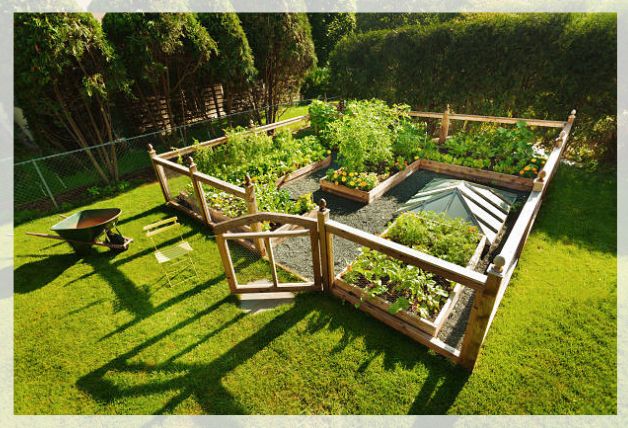
1# Wood and Wire Elegance: Wood and chicken wires are simple materials you can choose from.
However, this fence tends to show how you can combine to create a fence that is both functional and elegant.
This fencing helps to protect the raised garden beds from critters and provides a support structure on which plants can climb.
2# DIY Iron Fence: This one is an easy-to-install fence that you can put in place in one afternoon.
Moreover, it is as sturdy as a chain-link fence, however, its design and black finish make it more elegant.
Its streamlined simplicity will allow it to fit anywhere in your place and you can use it to protect garden bets, set off an outdoor or seating space, and more.
3# Geomatirc Wood Fence: If you love thinking outside the box, then you can have a wood fence and do something a little more exciting than simple vertical or horizontal slats.
This geometric wood fence both delineates your property and will add plenty of design flair.
Moreover, it also does not impede the view beyond the fence.
Yet, the wire between the wood pieces will work to keep the rabbits and other garden pests out.
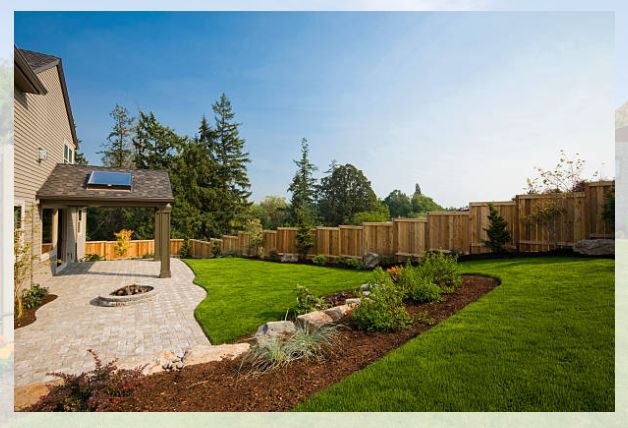
4# Stepped Wood Fence: This one is a great solution if you are building on a hill.
It tends to be visually appealing, working with the geography of the land.
It also offers privacy no matter where you are standing on the hill.
The horizontal slats on this wood fence tend to act smoothly that draw your eyes across the fencing, so the step does not look too choppy.
5# DIY Rustic Fence: This one is a simple wood-and-wire fence that will surround your garden and is stained with a DIY solution.
It is made by soaking steel wool in vinegar and then using the slurry to add color to the wood.
Moreover, the stain color tends to react differently on different woods and tends to deepen with age.
The end result is a unique and rustic DIY fence that you can make with a few basic and inexpensive materials.
6# Black Wood Fence: When you are considering wood fence ideas, black probably is not the color that comes to your mind immediately.
However, adding a black fence can be a stylish addition to your outdoor space, especially for contemporary homes.
It tends to create a cozy and private area, depending on the fence style and the black color will make your greenery pop.
Some other Ideas
Some other ideas you can try are:
Pallet Fence: This one is one of the best-repurposed materials from which you can build a DIY garden fence.
You can find pallets inexpensively or even for free.
They tend to give off a rustic vibe and offer a number of design options in how you can put them together to construct fence panels.
Moreover, you can even paint them a color that will coordinate with your home and garden space.
Arbor Garden Structure: An arbor is a vertical garden structure that you can walk under and you can incorporate into a fence.
Moreover, it can provide curb appeal as well as an inviting focal point for your home.
It also offers support for plants that grow vertically.
Arbors can look particularly stunning will colorful flowering vines twining around them.
Rose Climber Fence: If you are strategically planning your landscaping and fencing at the same time you can accommodate climbing rose bushes.
You will need a sturdy fence that can support the weight of the plants.
Wire or lattice are good materials, as they tend to allow you to easily tie the vines to the fencing to train them to grow on the fence.
Make sure to space your plants far enough apart, based on their mature size.
They will fill in your fence soon enough.
Painted Artwork Fence: Why would you settle for a plain fence when you can give it some artistic flair?
You can cover your fence in artwork either painting something freehand or using stencils.
It is important to note that your artwork does not need to be perfect as it will eventually weather out as it is exposed to the elements anyway.
Make sure to use paint that is formulated for outdoor use, as well as for the fencing material.



Leave a Reply