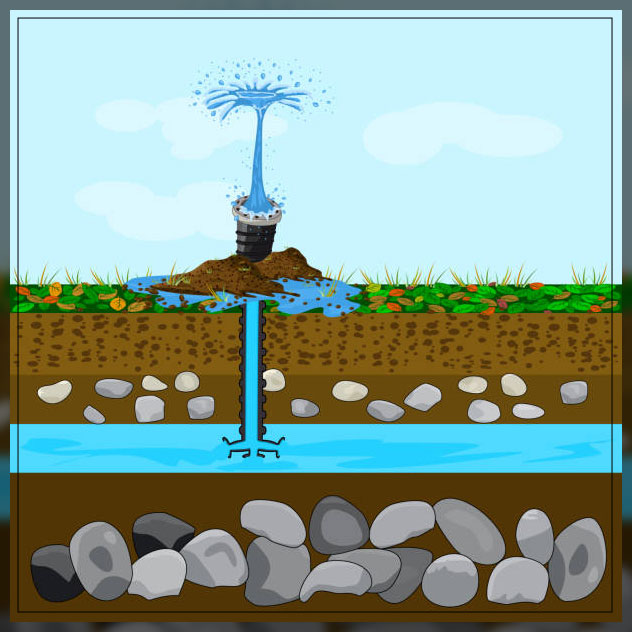
We all know that ground water is a critical resource for food security – providing 40 percent of the world’s irrigation. Millions of farmers worldwide depend on groundwater irrigation to help produce 40 percent of the world’s agricultural production.
It includes a large proportion of staple crops like wheat and rice. Yet, groundwater reserves are becoming rapidly depleted in many critical agricultural regions across the globe. In turn, is, affects the production of food production.
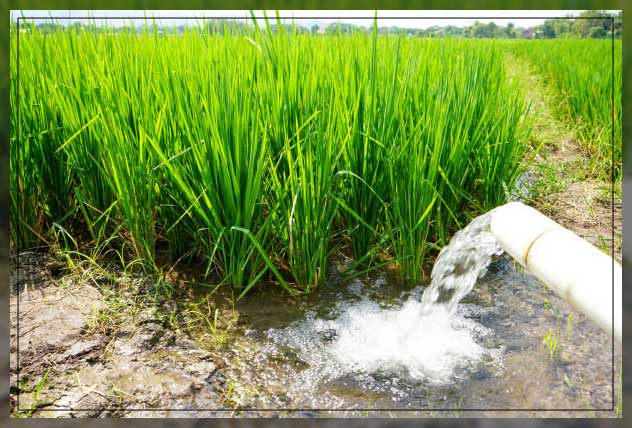
Furthermore, today it is quite unclear whether any adaptation strategies may reduce the negative impacts of groundwater depletion on agricultural production. Yet, such information is important as it could help identify which adaptation strategies would best suit. So as to avoid significant production losses in the areas most at risk for groundwater depletion.
Groundwater Depletion Reduces Cropping Intensity
As you might be aware ground water depletion is becoming a global threat to food security. Despite this, the impact of the shortage on agricultural production is poorly defined. Even the efficacy of available adaptation strategies are not clearly laid down.
Countries today use high-resolution satellite and census data – to quantify the impacts of groundwater depletion on cropping intensity. It is important to note that – it is a crucial driver of agricultural production. According to research, cropping intensity might decrease by 20 percent, given current depletion trends.

It is essential to understand that even farmers can increase surface irrigation delivery – probably as a supply-side adaptation strategy. Farmers can depend on groundwater and canal irrigation as substitute sources of water. However, additional adaptation strategies will be necessary to maintain current crop production levels in the face of ground water depletion.
Agricultural Best Practices To Protect Ground Water
Do you know that several agricultural practices can contribute to ground water pollution if they are not adequately managed? Farm contamination sources, including pesticides, fertilizers, animal waste, and underground water storage tanks, may pollute the groundwater.
You need to understand factors that can help determine the impact these practices could have on ground water. These factors will actually help prevent ground water contamination through any kind of agricultural practices.
Which Agricultural Practices Can Have an Impact on Ground Water?
- Storage and Use of Fertilizers and Pesticides: It is important to note that improper storage, mixing, and application of all types of fertilizers and pesticides might contribute to ground water contamination.
- Storage and Use of Animal Waste: Also, nitrates from livestock production, animal waste, feedlots, and other sources can leach through the soil and reach the groundwater. They can also contribute to the contamination of the underground water.
- Use of Under- or Above-ground Storage Tanks: Buried steel tanks often used to store gasoline, heating oil, diesel fuel, and other petroleum products could leak petroleum into groundwater if they are not properly installed and monitored.
What Contaminants May be Found on a Farm?
These are the potential groundwater contaminants you may find in agricultural areas:
- Nutrients (Nitrogen and Phosphorus)
- Pesticides
- Microorganisms (Pathogens)
- Organic Matter
1. Nutrients
There is a high risk of nutrients such as nitrogen and phosphorus reaching the ground water. But it solely depends on the nutrient and soil type in the farmland. Phosphorus is not very soluble in water and rarely reaches groundwater. But there are chances that phosphorus may reach the groundwater in areas with sandy, clay-free soil as it is easy to seep through.
Unlike phosphorus, nitrogen is easily soluble in water and rapidly converts to nitrate, thus contaminated water may reach the ground unless plants use it up. High nitrate levels could lead to health problems, especially for high-risk individuals. It could also cause a threat to young livestock.
However, farmers can easily manage the amount of nitrate in groundwater by correctly applying nitrogen in animal waste and chemical fertilizers. Proper application may involve appropriate amounts, placement, and timing – thus ensuring maximum nutrient is up taken by plants and crops.
Farmers can quickly determine the appx amount of manure to apply to the farm – but they need to know the amount of nitrogen in the manure, the amount of nitrogen already available in the soil, and also the amount of nitrogen your crop requires. Today several labs are available that can quickly test your soil and manure for nutrient content.
How is Nitrate Removed From The Soil?
Do you know that nitrate is removed from the soil in two ways? First, plants use it as a nutrient. Therefore, the key to preventing nitrate contamination is to apply only as much fertilizer or manure as your crops might require and would use it during the growing season.
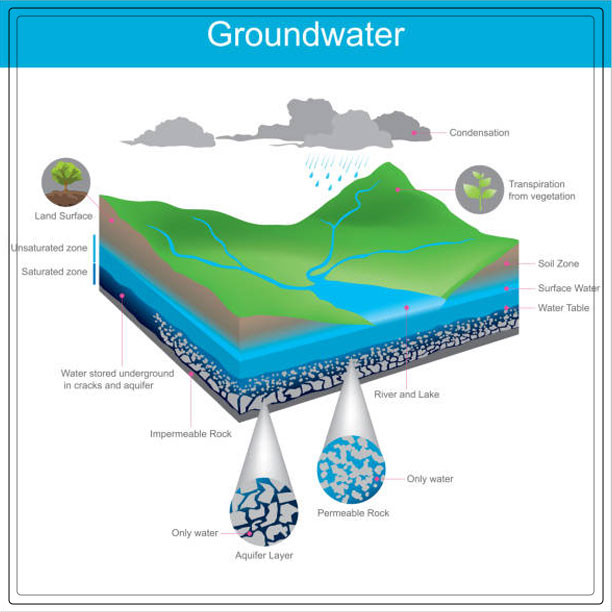
Second, some microbes in the soil can remove nitrate from wet soils, reducing the risk of nitrate contamination of groundwater. In well-drained soils, little nitrate will be removed once it leaches below the root zone. Therefore, careful fertilizer and irrigation management are essential to prevent contamination.
2. Pesticides
Pesticides are likely to leach through sandy soils that contain little organic matter. Moreover, pesticide breakdown is slower in these soils because fewer microbes exist. As a result, the leaching process can be quite fast through the large soil pores. Indeed, you cannot change the coarse texture of these soils. However, building up organic matter may improve the ability to bind pesticides.
3. Microorganisms (Pathogens)
Microorganisms or pathogens living in animal intestinal tracts are excreted in manure. It is important to note that if they reach surface water, they can cause disease both in humans and livestock. You should primarily try to protect groundwater from contamination by pathogens and microorganisms.
The reason is that physical filtration, chemical adsorption, and biological processes like predation and natural die-off occur as surface water travels through the soil.
4. Organic Matter
Do you know that manure also contains organic matter? The organic matter often serves as a food source for microorganisms. As microorganisms start to break down organic matter, they consume oxygen. When large amounts of organic matter reach streams or ponds, these microorganisms use all the dissolved oxygen in the process – thus breaking it down. Low levels of oxygen can even kill fish and other aquatic life.
How Farmland Operations Can Affect Ground Water
As you might be aware the impact agricultural practices have on groundwater depends partly on the physical characteristics of the farmland. It primarily includes soil type, bedrock characteristics, and also the depth to ground water. Note that evaluating your site properties is an important step in protecting underground water.
In an effort to reduce agricultural impacts on ground water quality, farmers should identify high risk envs. At the same time they should manage nutrients carefully in these areas. High risk envs primarily include:
- Sandy soils.
- Shallow-rooted crops.
- High rainfall areas or regions with excess irrigation.
- Shallow unprotected ground water.
- Wellheads
It is important to follow best management practices especially in these high risk envs.
Soil and Water Quality
Did you know that soil can remove possible pollutants before they even reach the groundwater? As water seeps through the top soil toward groundwater – some pollutants become attached to the soil particles. For example, small organisms that naturally live on those soil particles often digest the pollutants. Finally, changing them into harmless materials.

Remember that the amount of organic matter in the soil is equally important. Soils that are high in organic matter provide an excellent env for chemical and biological breakdown. These organisms break down the contaminants before they even reach groundwater.
However, even in areas with ideal geologic conditions, if there are poor management practices – it could lead to ground water contamination. Particularly areas having heavy rainfall conditions when runoff might occur.
How Runoff Could Lead to Ground Water Contamination?
Runoff occurs when the agricultural soil receives more water from rain or irrigation than it can actually hold. Moreover, farm areas where animals live could be more susceptible to runoff. It happens when this farmland gets overgrazed or is not covered with grass.
In addition, ground water gets polluted when runoff containing bacteria from manure or dissolved nutrients from commercial fertilizers, pesticides, and manure move to the underground water.
The rate at which water can enter the soil is known as the infiltration rate. Some areas, especially around buildings, where the soil gets compacted by machine traffic or animals, have very low infiltration rates. It is important to note that these areas produce runoff under most storm conditions. Rooftops and paved regions have no infiltration. These areas increase the amount and rate of water that runs off nearby regions. Hence various factors can affect the ground water contamination.
Ground Water Usage in Agriculture
Agriculture accounts for nearly 80 percent of all freshwater used worldwide. Most farmlands use center-pivot irrigation – extended overhead water sprinkler that usually rotate around a central axis. It is important to note that most of this center-pivot irrigation and similar methods often encourage the use of large quantities of water.
As a result, it leads to the draining underground water aquifers. These farming practices primarily affect primary crop production like wheat, corn, and beef cattle. It also leads to – running dry in some places, thus reducing the water table in the long run.
Recently, USDA has also predicted that water availability for agriculture in all areas of the US and other countries will be significantly reduced due to climate change. But it will also be affected due to current water use patterns leading to a decline in long-term yields.
Read related topics water table, farm management, and more.



Leave a Reply