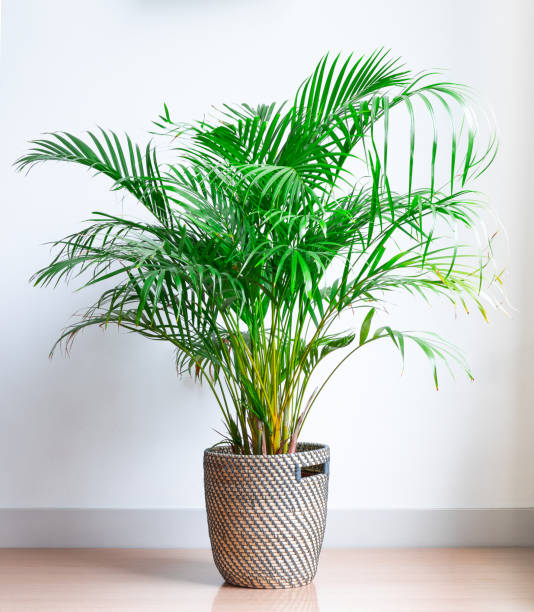
Parlor Palm (Chamaedorea elegans) — A Master-Guide for Effortless Indoor Jungle Style
Why read this? The Victorian “parlor palm” has been delighting plant-parents for 150 + years because it tolerates low light, shuns drama, and—unlike many trendier houseplants—stays pet-safe. This deep-dive explains everything: botany, styling, potting, humidity hacks, propagation, common mistakes, pest triage, and even feng-shui placement. Grab a coffee and let’s transform your living room into a calm Central American cloud-forest corner!
Table of Contents
- Origins & Historical Fame
- Botanical Identity Card
- Five Reasons to Grow Parlor Palms Today
- Light Requirements (Science & Practical Hacks)
- Soil, Potting Mix & Repotting Schedule
- Water & Humidity Management
- Temperature & Seasonal Routines
- Fertilising—Minimalist Yet Effective
- Pruning, Grooming & Styling
- Propagation (Seeds, Division, Tissue Culture)
- Cultivars & Look-Alikes
- Pest & Disease Diagnostics
- Troubleshooting FAQ (Brown Tips, Yellow Leaves, Slow Growth & More)
- Interior-Design & Feng-Shui Placement
- Kid- & Pet-Safety + Air-Quality Bonus
- Key Take-Aways & Quick-Reference Cheat-Sheet
1. Origins & Historical Fame (Victorian Drawing-Rooms to TikTok Pods)
The parlor palm hails from the dim understory of rain- and cloud-forests spanning southern Mexico, Belize, Guatemala, and Honduras. There, scattered seedlings cling to limestone outcrops under a thick canopy of Ficus, tree ferns, and bromeliads. Discovered by collectors in the early 1800 s, Chamaedorea elegans arrived aboard clipper ships at England’s Kew Gardens just in time for the Victorian indoor-plant craze. Because coal-fired parlors were gloomy, dusty, and chilly, most exotic palms perished—except this one. Newspapers soon touted it as “the drawing-room palm that thrives by the piano,” and it featured in estate-agent adverts conveying genteel status.
Fast-forward to today’s apartment life and nothing has changed: C. elegans still tolerates shady corners, central heating, and moderate neglect, earning hashtags like #ZeroDramaPlant and racking up millions of views on social media “plant tours.” Whereas monstera or fiddle-leaf figs throw tantrums in low lux, parlor palms mind their own business—quietly humidifying the room and purifying volatile organics along the way (discover more shade-tolerant heroes).
2. Botanical Identity Card
| Scientific name | Chamaedorea elegans (syn. C. erumpens var. bella in older literature) |
| Family | Arecaceae (Palm family) |
| Common names | Parlor palm, Neanthe bella palm, dwarf mountain palm, good-luck palm |
| Native biome | Mesoamerican montane rain-forest, 400–1 400 m elevation |
| Habit | Clumping understory palm; multi-stemmed in cultivation, single-stem in deep shade |
| Indoor size | 60 – 180 cm tall · 30 – 90 cm spread (over 10–15 years) |
| Outdoor size* | Up to 4–5 m in frost-free gardens (USDA 10–12) |
| Leaf architecture | Pinnate fronds, 12–40 leaflets each, glossy mid-green |
| Flowers | Tiny yellow on wiry inflorescences; usually appears only on mature plants 4 + yrs |
| Fruits | Black drupes (pea-sized) — do not ingest (mildly irritant) |
*Outdoor culture limited to equatorial / sub-tropical gardens; see Section 6.
3. Five Reasons to Grow Parlor Palms Today
- Low-light resilience. Survives on as little as 50–100 lux near north-facing windows where many foliage plants sulk.
- Compact footprint. Slow, upright habit fits shelf, side-table, or dish-garden arrangements.
- Nontoxic. Safe for curious cats, dogs, toddlers—unlike sago palm or dieffenbachia.
- Natural humidifier. Each frond transpires water vapour, elevating RH by up to 5 % in bedrooms.
- Air-cleaning study star. NASA’s Clean-Air report lists C. elegans among top VOC-absorbers (removing formaldehyde, benzene).
4. Light Requirements (Science & Practical Hacks)
In its native understory home, parlor palm receives dappled sunflecks of 30–150 µmol m-2 s-1 (aka 50–200 lux) for mere minutes. It evolved thin chloroplasts that capture photons efficiently but scorch under direct beams. Here’s how that translates indoors:
- Optimal: East-facing window w/ morning sun filtered by sheer curtain; bright indirect light all day. Expect steady growth (3–8 new fronds per year).
- Acceptable minimum: 2–3 m back from a north-window; under 400–500 lux office lighting. Growth slows to 1–3 fronds yr-1 but foliage stays healthy.
- Too much: Direct noon rays > 15 000 lux for > 30 min cause leaflet tip scorching, pale chlorosis then necrotic patches. Remedy by relocating or installing white slatted blinds.
Grow-light hack: If your studio lacks windows, mount a 20 W full-spectrum LED strip 45 cm above the palm, 14 hours / day. Set timer. The plant will respond with efficient new foliage but colour may skew slightly bluer than sunlight-grown leaves.
5. Soil, Potting Mix & Repotting Schedule
5.1 Indoor Potting Mix Recipe (3 L)
- 1 L peat-moss (or coir) – moisture retention + acidity
- 1 L fine pine bark – aeration, prevents compaction
- 0.75 L perlite – drainage
- 0.25 L worm castings – gentle nutrients & microbes
- 1 tsp horticultural charcoal – odour & pH buffer
Target pH 5.8-6.5. Avoid heavy garden soil; suffocates roots.
5.2 Choosing a Pot
- Material: Terracotta breathes, reducing over-watering risk; plastic keeps moisture (handy in hot dry zones). Both work—adjust watering.
- Size rule: Diameter = current root-ball + 2 cm only. Oversize pots stay wet → root-rot.
- Drainage hole essential. Slip pot into décor cachepot if you need a sleek look.
5.3 Repotting Rhythm
Parlor palms like tight shoes. Repot once every 24–36 months or when:
- Roots coil densely at surface & water flows straight through.
- Growth stalls for two successive seasons despite proper light.
Repot in spring while new roots are active. Water 24 h prior, tilt pot, wiggle root-ball out, tease minimal roots, set into fresh mix 2 cm deeper. Stake stems loosely for stability.
6. Water & Humidity Management
6.1 Watering Algorithm
- Insert index finger 4 cm deep; if soil feels dry to that depth → water.
- Pour lukewarm (20 °C) filtered water evenly until liquid exits drain hole.
- Empty saucer after 10 minutes; never let roots soak longer.
Frequency: Typically every 7–10 days in bright rooms, 14–21 days in dim offices. In winter, extend by 5–7 days due to slower transpiration.
6.2 Humidity Targets
- Ideal: 50–60 % RH (replicates rainforest understory).
- Minimum: 35 % RH. Below this, brown leaflet tips appear.
Increase ambient RH with:
- Pebble-tray: layer of gravel + water; pot sits above waterline.
- Group plants: “humidity island” effect.
- Ultrasonic desk humidifier set to 6 h/day during AC season.
Misting myth: Quick spritzes raise RH mere minutes, risk fungal spots. Use sparingly.
7. Temperature & Seasonal Routines
Sweet spot: Day 21–27 °C · Night 15–20 °C. Sudden < 13 °C chills stunt meristem; < 5 °C kills tissue.
- Summer (A/C homes): Avoid direct vent airflow; leaves desiccate. Rotate plant 90° monthly for even canopy.
- Winter (radiator heat): Move pot 50 cm off radiator shelf. Use pebble-tray.
Outdoor vacations: Place palm on shaded balcony May–Sept (US/Europe) or Nov–Mar (Gulf). Acclimatise gradually: 2 h shade → 4 h shade → full day shade over one week. Bring in before night temps drop below threshold.
8. Fertilising—Minimalist Yet Effective
| Season | Formulation | Dose | Note |
|---|---|---|---|
| Mar–Aug | Balanced 3-1-2 liquid (e.g., 6-2-4) | ¼ strength every 4 wks | Flush with clear water after 3 cycles |
| Sep | Controlled-release granules 8-3-9 | 1 tsp per 15 cm pot | Feeds for 4–5 months |
| Nov–Feb | None | — | Plant semi-dormant; fertiliser unused, builds salts |
Organic alt: ½ cup worm castings scratched into top-layer spring & late summer.
9. Pruning, Grooming & Styling
Parlor palms are self-cleaning; oldest basal fronds yellow then brown as they senesce. Clip at trunk base with sterilised scissors—do not tug; stems tear easily.
- Shaping: You cannot top-cut to control height; palms grow from a terminal crownshaft. Instead, regulate stature by light management and pot size (smaller pot = slower growth).
- Dusting: Monthly wipe fronds with damp microfiber cloth; increases photosynthesis by 8–15 % according to studies.
- Polish caution: Leaf-shine products clog stomata; skip them.
10. Propagation (Seeds, Division, Tissue Culture)
10.1 Seeds — Patience Required!
- Harvest ripened black drupes from pollinated inflorescences (rare indoors—may need hand pollination using soft brush between male & female plants).
- Soak 24 h; de-pulp; treat with fungicide.
- Sow on sterile peat-perlite 1 cm deep; bottom-heat 27–29 °C; RH > 90 %.
- Germination 6–14 weeks. Transplant at 2-leaf stage.
Time to saleable 30 cm plant: ~2 years. Hence nurseries rely on tissue culture for bulk supply.
10.2 Division (Home Growers)
Commercial “clumps” are multiple seedlings in one liner. After ≥ 3 years you may gently split:
- Water thoroughly.
- Slide root ball out; rinse soil under lukewarm tap to expose stems.
- Tease apart 2–3 stem cluster with fingers, preserving maximum roots.
- Pot each in 12 cm mix; place in humid box 2 weeks. Expect initial wilting; recovery 4-6 wks.
10.3 Tissue Culture (FYI)
Lab method using leaf-primordia; yields virus-free clones sold worldwide. Beyond hobby scope but explains uniform pot-crop at garden-centres.
11. Cultivars & Look-Alikes
- ‘Bella Select’ — trademark clone with extra dense leaflets, pot-perfect.
- ‘Cascade parlor palm’ (Chamaedorea cataractarum) — similar but trunkless; prefers more water.
- ‘Metallica palm’ (C. metallica) — bluish, fishtail-like leaves; slower, rare.
- Kentia palm (Howea forsteriana) — bigger cousin; not clumping; needs brighter light.
When shopping, inspect stems. Parlor palm = multiple pencil-thin canes 5 mm thick versus kentia’s single thicker stem.
12. Pest & Disease Diagnostics
| Symptom | Likely culprit | Organic fix |
|---|---|---|
| White cotton on nodes | Mealybugs | Swab 70 % isopropyl; spray neem oil 1 % weekly × 3 |
| Tiny yellow speckles + webbing | Spider mites (dry air) | Shower foliage, raise humidity, release Phytoseiulus mites |
| Sticky honeydew & ants | Scale insects | Horticultural oil 2 % at 7-day interval × 4 |
| Mushy crown, foul smell | Phytophthora root-rot | Unpot, trim rot, drench phosphite; improve drainage |
| Leaf blotches w/ yellow halo | Fungal leaf-spot | Remove affected leaves; increase airflow; copper fungicide |
Pest-prevention mantra: Quarantine new plants 2 weeks; wipe nursery leaves; maintain RH 45–60 % to deter mites yet not encourage fungi.
13. Troubleshooting FAQ
Q 1 — Why are the tips of my palm leaves brown?
Most common cause = low humidity + fluoride / salt build-up. Clip tips diagonally, flush pot with rainwater monthly, add pebble-tray.
Q 2 — Lower fronds turning yellow?
Normal aging. If many fronds yellow at once, suspect underwatering or nitrogen deficiency—apply diluted liquid fertiliser.
Q 3 — New growth stunted & deformed?
Likely broad mites; inspect under 60× loupe. Treat with sulphur soap or predatory mites.
Q 4 — Palm leaning toward window?
Phototropism. Quarter-turn pot weekly; stake if necessary until stem lignifies.
Q 5 — No growth for six months?
Check roots; may be root-bound or winter dormancy. Up-pot gently in spring; resume feeding & bright light.
14. Interior-Design & Feng-Shui Placement
- Feng-shui: Southeast corner (wealth) or East (family health) benefits from gentle wood energy the palm exudes.
- Styling trio: Pair with trailing devil’s ivy and upright snake plant to create layered jungle in one trough.
- Colour palette: Neutral ceramic pots (white, sand, charcoal) amplify deep-green fronds; avoid bright glazes that compete.
- Accent lighting: Up-light with 3000 K LED spotlight to cast exotic shadows on wall; excellent for evening ambience.
15. Kid- & Pet-Safety + Air-Quality Bonus
Non-toxic rating: ASPCA lists parlor palm as safe for cats, dogs, horses. Ingesting berries may cause slight stomach upset but no severe toxins like cycasin in sago palm.
Air-quality: NASA study showed 12 – 15 palm specimens (≈ 1 m tall) can reduce room benzene by 50 % in 24 h. Combine with peace lilies for a full detox suite (read about desert plants & indoor air).
16. Key Take-Aways & Quick-Reference Cheat-Sheet
- Light: bright indirect; shield from midday sun.
- Water: when top 4 cm dry; never soggy.
- Humidity: aim 50 %; pebble-tray + cluster plants.
- Soil: peat-bark-perlite, pH 6; pot snugly.
- Feed: ¼-strength balanced fertiliser monthly Mar–Aug.
- Repot: every 2–3 yrs only 1 size up.
- Pests: mealybugs & mites—treat early.
- Toxicity: pet-safe, toddler-safe, air-cleaner.
- Growth rate: slow; patience rewarded with decades of greenery.
Final Word
Your parlor palm is more than a foliage accent; it’s a resilient relic from Victorian glasshouses, a low-maintenance roommate, and a silent wellness gadget. Stick to the fundamentals—modest light, rhythmic watering, occasional feeding—and this palm will thank you with lush, arching fronds that whisper “tropical holiday” every time you pass. Ready to raise your own? Choose a healthy multi-stem starter, follow the steps above, and enjoy a lifetime of laid-back green companionship.
Happy planting—and may your parlors, offices, or studio nooks forever feel like verdant rainforest hideaways!


Leave a Reply