
As you might be aware, image processing techniques are used to enhance agricultural practices. It helps improve the accuracy and consistency of farming processes. At the same time, it reduces the farmer’s manual monitoring efforts. It also offers flexibility and effectively helps farmers make visual decisions.
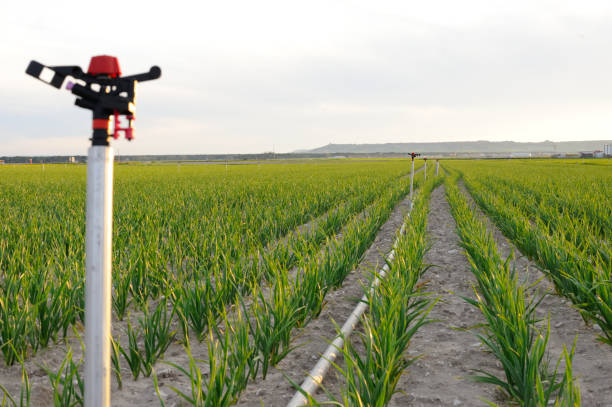
Here we summarize some image processing terminologies farmers use today to improve agricultural practices and yields.
Image Processing – An Intro
Image processing is a way to manipulate an image to achieve an aesthetic standard. However, you can more accurately define image processing as a means of translation between human visual systems and digital imaging devices.
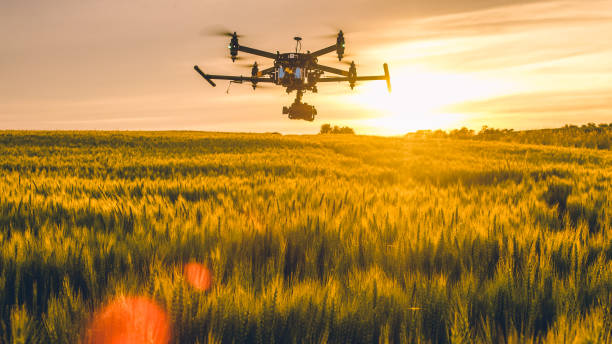
It is important to note that the human visual system does not perceive the world similarly to digital detectors. The reason is that display devices impose additional noise and bandwidth restrictions.
Image processing is very crucial due to its two principal applications. Firstly you can get the improvement of pictorial info – which is easy for human interpretation. Secondly, you get the processing of scene data for machine perception.
Why Do We Need Image Processing?
Image processing is a way to manipulate an image to achieve an aesthetic standard. However, you can more accurately define image processing as a means of translation between human visual systems and digital imaging devices.
It is important to note that the human visual system does not perceive the world similarly to digital detectors. The reason is that display devices impose additional noise and bandwidth restrictions.
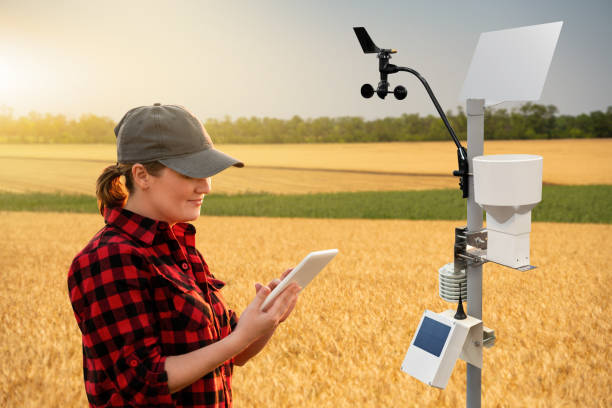
In such a scenario, you must approach image processing consistently with the scientific method so that farmers can reproduce and validate their results. It may include recording and reporting processing actions and applying adequate treatment to control images.
As you are aware, image processing techniques have proved to be an effective machine vision system, especially in the agriculture domain. Imaging techniques with different spectra, such as infrared, hyperspectral imaging, and X-ray, are useful in determining vegetation indices and canopy measurements. They are also used to knowing about the irrigated land mapping etc., with greater accuracy.
In addition, weed classification has proved to be an effective method – because it significantly affects crop yield. The accuracy of classification varies from 85 to 96 percent depending on the algorithms and limitations of
image acquisition. Therefore, with such a great accurate classification, farmers can apply herbicides in the correct form. This approach not only helps to save the env but is also more economical.
Image Processing in The Farmland
In developing countries, most farmers rely on Agriculture as their primary source of income. Therefore, it is essential for the constant growth of the country that the disease detection and diagnostics processes are implemented for the benefit of the farmers.
Image processing in the agricultural sector as a facilitator increases the level of adoption of technology. These advanced technologies can contribute to many aspects of the agriculture sector. Today you can use machine vision, which has proven effective in detecting disease on fruits and food grading.
We all know that weeds can be harmful from a farm perspective as they compete with other farm crops for light, water, nutrients, and space. In this context – the development of different methods based on image processing is prevalent. It uses techniques such as detecting color, edges, and other attributes of weeds to recognize them.
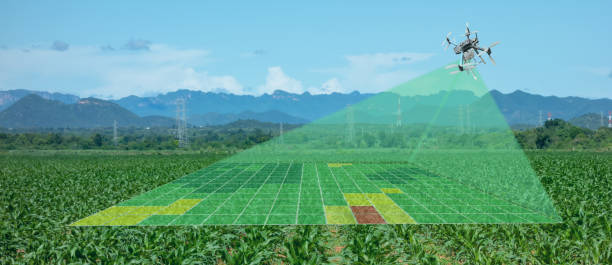
The classification method used in these applications follows five steps primarily. They are – image acquisition, image pre-processing, image segmentation, feature extraction and detection, and finally, classification.
After the applications acquire the images using a camera, these images are pre-processed using algorithms. Some of the steps include image clipping, image smoothing, and image enhancement. All these processes help remove noises – for better filtering. Ultimately, you can get enhanced images that you can use for analysis.
Fruit Grading System – Application of Image Processing
You must know that bananas are a significant product of Malaysia’s economy. It is the second most popular product there. With image processing, farmers today are using the technology to classify bananas based on their size: extra-large, large, medium, and small. The technique is also used to differentiate bananas based on the percentage of their ripeness by their color – yellow and green.
The most popular among these detection approaches is edge detection. This technique is several years old. The edge detection approach can be easily implemented with today’s latest applications. They use a reference object to measure the size of each fruit.
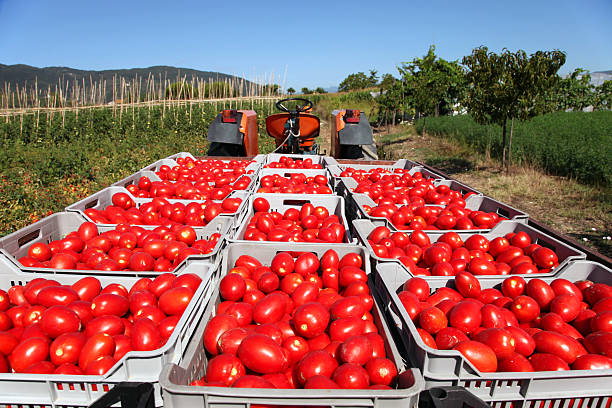
The application is classified into six stages to detect the ripeness percentage of fruit. They include unripe, premature, almost mature, almost ripe, and too ripe. The application can check the presence and intensity of yellow color on the fruit.
Besides its use in the food grading industry, the technique can also control herbicides. Farmers use the system to recognize weeds in specific areas, which shows precisely where to apply them correctly.
Image Processing for Weed Detection
In earlier days, weed detection was done by employing some human resources for that purpose. They would detect the weed manually by checking every place in the field. Then they would pluck them out manually using their hands.
However, with technological advancement, farmers started using herbicides to remove the weeds that grew on the farms. But to detect the weeds, farmers still used manual power in many parts of the world.
Later there came a few advanced methods to detect the weeds automatically. But these methods needed to have accuracy, and they were able to reach people. Then farmers started using image processing for this purpose.
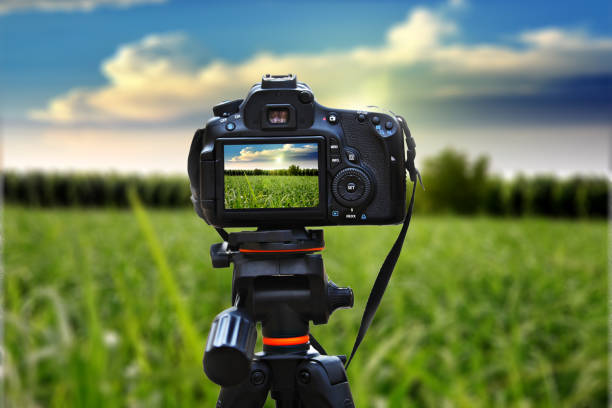
Slowly detecting weeds in the crop by using image processing became a popular method. Once you give the inputs of the weed areas to the automatic spray pesticide only in those areas – they will spray the insecticides. For this, you need to take a photograph of the field. If your photo has good clarity to detect the weeds, it is easier to spray the insecticides more accurately.
You can easily take photographs by attaching a camera to a tractor or taking them manually. Then you can apply image processing to that image using the applications to detect the weed.
There are two methods of implementing weed. They are inter-row weed detection and inter-plant weed detection. The final result will contain the weed areas, which will give inputs to the automatic sprayer implemented using microcontrollers.
Image Processing Used in The Detection of Plant Diseases
Developing nations are farming intensive, where a major portion of the general population relies upon agriculture. The investigations on diseased plants are beneficial as they help to reduce the loss. Harming the bug is perhaps one of the significant diseases which influence the yield.
Bug sprays and other pesticides are not generally visible in the light. The bug sprays may harm some sort of the plants on the farm. In addition, it also harms the regular environment.
Internet of Things Together With Image Processing
Internet of Things or IOT and image processing are crucial in smart agriculture. Smart farming is an emerging concept, as IOT sensors can provide information about the agriculture fields. Today these systems are using IOT and smart agriculture is extensively using automation.
Monitoring env factors is the primary activity that can help improve the yield of efficient crops. These instrument features include monitoring temperature and humidity in the agricultural field through sensors.
The cameras are interfaced to capture images and send those pictures through MMS to farmers’ mobiles. Depending on these images, farmers can make crucial decisions.
These systems can effectively monitor the loss of crops and oversee their quality by using wrong watering techniques and attacks on animals in the farmlands. You can modify these advanced automatic systems to improve crop quality and avoid crop damage. It is possible with wireless techniques with IOT and Android Apps.
Farmers can easily monitor the controlling actions taken at the farm with the android app on their mobile phones. They can also get the details of soil testing. Farmers can also use the system to upload images of diseased plants via their android applications.
Conclusion
Image processing is becoming popular and is finding various applications in several fields. In most developing countries, agriculture is an important occupation. Image processing is finding its use in areas like weed detection, identifying plant diseases, and similar uses.
The traditional methods that were used for these tasks were inefficient, as their accuracy was less than 20 percent. Today there are different methods of detecting weeds in agriculture. Out of all those, SIFT and Histogram Analysis will give you more accuracy in detecting the weeds.
From the applications in agriculture as discussed above, you can easily imagine the future of the role of image processing projects, especially in the agricultural sectors. As farms and fields grow larger, better monitoring systems are needed for automated management, thus reducing expenses.
Additionally, the availability of both software and hardware will make the integration of image processing techniques in the farmlands easier. It will also ease the food quality examination processes. In this era of information, the fusion of images and sensor data will prove to be beneficial both for farmers and consumers.
Additionally, the availability of both software and hardware will make the integration of image processing techniques in the farmlands easier. It will also ease the food quality examination processes. In this era of information, the fusion of images and sensor data will prove to be beneficial both for farmers and consumers.
Read related articles on garden decor ideas, types of weeds, humus soil, agricultural innovation examples, soil profile, stomata function, layers of soil, soil erosion, causes of soil erosion, digital camera, soil fertility, and more.

Leave a Reply