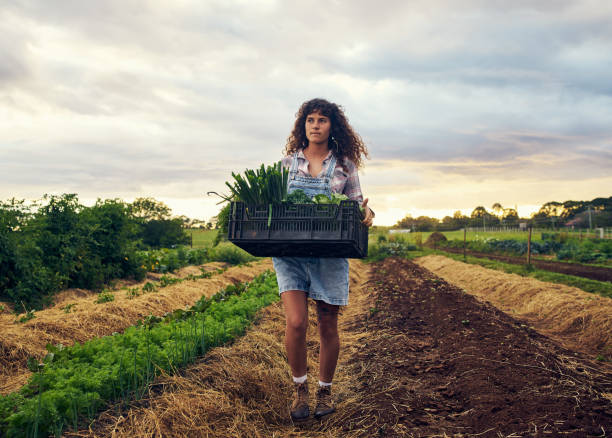
“Organic” is a term that pertains to the cultivation and processing methods used for agricultural products. The specific regulations may vary depending on the country. But in the UAE and other countries, crops grown on an organic farm Dubai – must meet organic standards. Which prohibits the use of synthetic herbicides, pesticides, and fertilizers, as well as genetically modified organisms (GMOs).
In addition, livestock raised for eggs, meat, and dairy products must be raised to accommodate their natural behaviors. It may include grazing on pasture and feeding on organic feed and forage. You are also not permitted to use antibiotics, growth hormones, and animal by-products – in the case of organic livestock farming.
Benefits of Organic Farm Dubai on The Environment
Do you know that most of the produce sold in supermarkets is non-organic? Meaning that fewer regulations govern the transportation of these products from farms to markets. Although both organic and non-organic produce is fresh, organic products are generally considered to be safer for the env.
Organic farming is a sustainable method of agriculture. It prioritizes the health of the env by managing the ecosystem instead of degrading it. Farmers must comply with federal regulations to maintain the organic integrity of their products.
The benefits of organic farming on the env are numerous, and this article will highlight some of the most significant ones.
1 Prohibits the Use of Harmful Pesticides
Remember that organic farming prohibits the use of harmful pesticides and chemicals. Pesticides are commonly used to control pests as it disrupts crop growth and yield. But at the same time, they also have negative impacts on the env. Pesticide chemicals usually contaminate soil, water, and air, posing a risk to human health and wildlife.
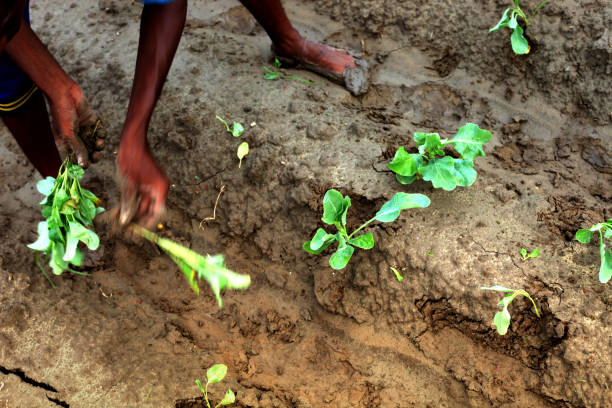
Organic farmers do not rely on harmful pesticides and chemicals to manage pests. Instead, farmers who practice organic farming use natural methods such as crop rotation, cover crops, and composting. By using these methods, farmers aim to promote healthy soil and plants, which naturally resist pests and diseases. Note that this approach minimizes the env impact of farming and promotes sustainable agriculture practices.
2 Maintains a Healthy Soil
Do you know that the contamination of soil with pesticides and chemicals can have adverse effects on the health of crops? To ensure the production of healthy crops, it is crucial to have healthy soil that can sustain itself without the need for additives. Moreover, it can lead to soil depletion over time.
Today organic farmers adopt a different approach to maintaining soil health as they utilize natural preventive fertilizers such as compost. Compost contains beneficial bacteria that aid in building up the soil, making it more fertile and conducive for crop growth.
3 Reduces Erosion
Organic farm Dubai today promotes healthy and robust soil, which in turn reduces erosion. A diverse and well-connected ecosystem in the soil helps prevent erosion. However, harmful chemical fertilizers can lead to compacted or dry soil, making it more susceptible to erosion.
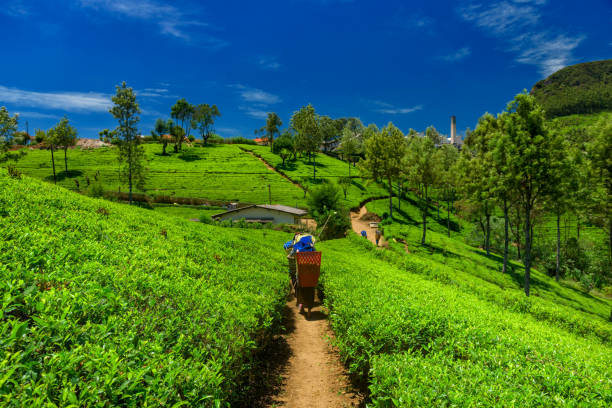
Erosion has far-reaching consequences beyond the soil. As it washes away soil, it affects the land and reduces the availability of food sources for humans. Organic farming practices also minimize tillage, reducing soil disturbance and erosion risk.
4 Provides Cleaner Water
Access to clean water is crucial for the survival of humans, animals, and plants. Unfortunately, when clean water is not readily available, everyone suffers. Non-organic farming practices are primarily responsible for contributing to the water pollution problem.
The use of harmful chemicals in non-organic farming practices pollutes water supplies. Agricultural soils are a significant source of water pollution when water runoff into rivers and streams. To combat this issue, organic farmers employ soil mulching and amendment techniques to prevent water runoff, which helps conserve water. Furthermore, organic farmers carefully monitor their irrigation water usage to avoid wastage. By adopting such practices, organic farm Dubai helps to maintain clean and safe water supplies.
Organic Farming Methods
How your food is grown or raised can significantly impact your mental and emotional health. At the same time, it can have an impact on the env as well. Organic foods often have more beneficial nutrients, such as antioxidants. On the other hand, their conventionally-grown counterparts do not have helpful nutrients. Moreover, people with allergies to foods, chemicals, or preservatives may find their symptoms lessen. People also find their allergic symptoms disappear when they eat only organic foods.
The organic agriculture method needs strict compliance with the standards that define and prohibit applicable techniques. Below is a list of some of the common and approved:
1 Crop Rotation
Crop rotation is a farming practice involving systematically planting different plant species on the same land in a seasonal pattern. This technique offers numerous advantages over monoculture farming methods:
- It helps prevent soil erosion by utilizing different root systems that help anchor the soil.
- It helps control pest and weed infestations, which reduces the need for chemical contaminants to handle these problems.
- Crop rotation has been shown to increase yields while also reducing the costs involved in farming.
- Crop rotation protects the soil from depletion by increasing nutrient release, which reduces the need for synthetic fertilizers that are not allowed in organic agriculture.
2 Animal Manures
Organic farming enriches the soil with natural components derived from animals and raw and composted materials. However, this method is subject to certain restrictions. Firstly, the materials used must not contain any synthetic additives.
Secondly, you must test the soil before applying any materials. Lastly, manures are only permitted if they decompose at least three months before harvesting. Composted materials are highly recommended because they have a smaller volume and are less likely to contain pathogens and contaminants.
3 Integrated Weed Management
Organic farming prohibits using heavy chemicals, including herbicides, for weed control. Instead, organic farmers rely on various methods that fall under the umbrella of integrated weed management. These methods include prevention and biological, cultural, and physical techniques.
Some common techniques used in organic weed control include manual weeding, which involves physically removing weeds by hand. Farmers may also use machinery, irrigation systems, or animals to prevent weed penetration onto their land. Another technique is haymaking, which involves cutting grasses and other plants before they can go to seed and spread weeds.
Mulching is another popular method that involves covering the soil with organic materials such as straw or leaves to prevent weeds from taking root. Natural chemicals, such as those found in certain plants or essential oils, may also be used in order to avoid weed germination.
Crop rotation is another technique used to manage weeds in organic farming. Farmers can disrupt the life cycles of weeds by rotating crops and reducing their populations over time. Finally, some farmers may introduce insects and birds that feed on weed seeds as a way to control their growth.
Overall, organic farmers use a combination of these techniques to manage weeds without relying on synthetic chemicals, ensuring that their farming practices are sustainable and environmentally friendly.
Read related topics on seeds and plants, plant nursery in Dubai, manual irrigation, tropical fruits, drip irrigation, ground water, sprinkler system, cruciferous vegetables, plant nursery, water sprinkler, vegetable farm, outdoor plants UAE, sprinkler irrigation, types of farming, types of organic farming, and more.

Leave a Reply