How to Grow and Care for Bleeding Heart (Lamprocapnos spectabilis)
Bleeding Heart (Lamprocapnos spectabilis, formerly Dicentra spectabilis) is a graceful herbaceous perennial prized in shaded gardens. Native to Asia, this spring-blooming woodland plant produces dangling, heart-shaped flowers in shades of pink, white, or red. The flowers resemble “bleeding” hearts, giving the plant its common name, and they nod elegantly on arching stems above lacy, fern-like foliage. In ideal conditions, Bleeding Heart clumps reach about 2–3 feet tall and wide. This hardy shade perennial with heart-shaped flowers provides weeks of spring color. However, all parts contain toxic alkaloids that can upset pets or people if eaten, placing Bleeding Heart among well-known toxic garden perennials. For more information, see Poisonous Plants for Pets.
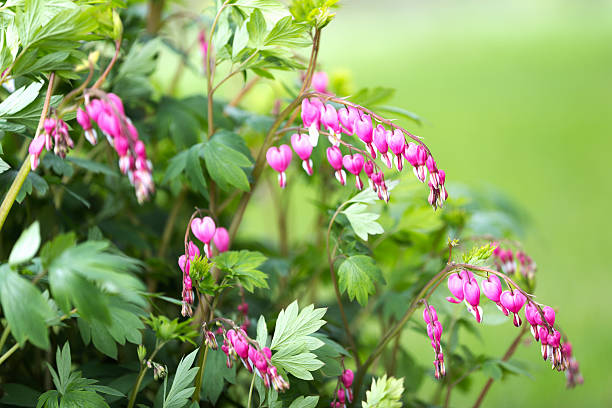
This elegant woodland perennial features cascading clusters of heart-shaped blooms on arching stems. The pink flowers have protruding white inner petals, creating the appearance of a “bleeding” heart, set against a backdrop of lacy green foliage. In spring, Bleeding Heart often produces dozens of these pendulous blossoms per plant, covering the mound of foliage. Once established, it provides weeks of delicate color in moist, shaded spots of the garden.
The genus name Lamprocapnos means “shining smoke” in Greek, a poetic nod to the plant’s appearance. Bleeding Heart has been a gardener’s favorite for centuries, prized for its reliability and charm. It even won the Royal Horticultural Society’s Award of Garden Merit for outstanding performance. Its foliage contains bitter alkaloids, so deer and rabbits generally avoid it (few critters eat it). (Still, handle with care: repeated skin contact with sap can cause mild irritation, and all parts are toxic if eaten.)
Quick Facts about Bleeding Heart
| Characteristic | Description |
|---|---|
| Common Names | Bleeding Heart, Asian bleeding heart, old-fashioned bleeding heart |
| Botanical Name | Lamprocapnos spectabilis (syn. Dicentra spectabilis) |
| Plant Type | Herbaceous, tuberous perennial |
| Height/Spread | ~2–3 ft tall and 2–3 ft wide (60–90 cm) |
| Hardiness Zones | USDA zones 3–9 |
| Bloom Season | Spring (blooms for several weeks) |
| Flower Color | Pink, white, red (depending on variety) |
| Sun Exposure | Partial to full shade |
| Soil | Rich, moist, well-drained soil with plenty of organic matter |
| Native Range | Siberia, northern China, Korea, and Japan |
| Toxicity | Moderately toxic to humans and pets (contains alkaloids) |
Bleeding Heart Care
Light and Soil Requirements
In the garden, Bleeding Hearts are happiest in partial shade. They will tolerate full shade, but too little light can reduce flowering. Avoid hot midday sun, which can scorch the foliage or force early dormancy. Plant them in loose, humus-rich soil that retains moisture yet drains well. A slightly acidic to neutral pH is ideal, but Bleeding Heart can even tolerate neutral to slightly alkaline soil if it stays moist. Before planting, amend the soil with a few inches of compost or decomposed leaves to improve fertility and moisture retention. Mulching helps conserve moisture and suppress weeds. Morning sun with protection from hot afternoon rays is ideal; indeed, NC State notes Bleeding Heart can even handle full sun in cool, moist climates. In very dense shade, flower production may drop, so some dappled sun is beneficial. The plant’s fleshy roots run horizontally, so simply slicing divisions straight through will give each piece a bud.
Watering, Temperature, and Humidity
These plants prefer consistently moist soil during the growing season. Water whenever the top 1–2 inches of soil begins to dry, keeping the soil evenly moist but never waterlogged (excess sogginess leads to root rot). Aim for deep, thorough watering rather than light overhead sprinkling. Bleeding Hearts enjoy cool to moderate temperatures; the optimal range is about 55–75°F. High temperatures (above ~80°F) and heat waves trigger dormancy – you’ll notice the foliage yellowing and dying back in mid-summer as the plant “rests”. In very hot or arid climates, provide extra shade and mulch to keep the roots cool. These plants tolerate high humidity, but ensure good airflow to prevent fungal issues. In container culture, check moisture more often, as pots dry out more quickly. In Gulf and other hot, humid climates, water two to three times per week during spring, but allow a resting period (light watering) in peak summer heat. (Yellowing leaves in summer are normal as the plant goes dormant.)
Fertilizer and Nutrition
Bleeding Hearts are light feeders. In rich, organically amended soil, they seldom need additional fertilizer. If your soil is poor, apply a balanced slow-release fertilizer in early spring as growth begins. As a guideline, avoid high-nitrogen feeds, which encourage lush foliage at the expense of flowers. A thin layer of compost or a light dose of fertilizer after flowering can invigorate the plant for any summer or autumn re-growth. These woodland plants also thrive when topped with compost or leaf mold in spring. (For example, collect fallen leaves in fall and make leaf mold; then apply it as a mulch over the crown). Always water after fertilizing and never add fertilizer to drought-stressed plants.
Types of Bleeding Heart
Over time, many cultivars of Lamprocapnos spectabilis have been developed. Popular varieties include:
- ‘Alba’ – pure white heart-shaped flowers.
- ‘Gold Heart’ – pink flowers with striking yellow-golden foliage.
- ‘Valentine’ – bright cherry-red flowers edged in white, with burgundy stems.
- ‘White Gold’ – white blooms with pale chartreuse leaves.
- ‘Ruby Gold’ – deep ruby-red blossoms with golden-yellow leaves.
These and other varieties share the same cascading flower form; choose based on your preferred color scheme. The classic rose-pink variety (often sold simply as Dicentra or Lamprocapnos) provides the familiar display. (Note: older labels may call it Dicentra spectabilis, but modern taxonomy uses Lamprocapnos spectabilis.) Related species (often called “bleeding hearts”) include Dicentra formosa (fringed bleeding heart), which has similar foliage but blooms later in spring with more delicately fringed flowers, and Dicentra cucullaria (Dutchman’s breeches), which blooms very early with white, upside-down heart-shaped flowers. The following image shows the white-flowered ‘Alba’ cultivar in bloom.
The white-flowered ‘Alba’ cultivar shown above is a popular form of Bleeding Heart, grown for its pure white blooms on arching stems.
Planting Guidelines
- Timing: Plant in spring or fall when temperatures are cool. Avoid planting during mid-summer heat.
- Site Prep: Choose a moist, fertile spot and enrich the soil with compost or well-rotted manure.
- Depth and Spacing: Place crowns about 1–2 inches below the soil surface and space plants 2–3 feet apart. Crowns planted too deep can rot.
- Sun Exposure: Provide morning sun or dappled shade; afternoon shade is ideal. In hot climates, protect from harsh afternoon rays.
- Companion Plants: Plant Bleeding Hearts where later-emerging perennials (like hostas, astilbes, ferns) will hide its summer dormancy.
- Container Growing: Use a deep pot (≥12 inches) with drainage. Unglazed clay helps prevent overwatering.
- Bulb vs Bare Root: If planting bare-root tubers or crowns, soak them in water for a few hours before planting to rehydrate. Plant them with any sprouts just below the soil surface. Potted transplants should be set at the same depth they were growing and watered in well.
Using Bleeding Hearts in the Garden
Bleeding Hearts make a striking addition to shaded borders and woodland gardens. For best effect, plant them in groups of 3 or more in front of taller shade-loving perennials. They pair beautifully with hostas, astilbes, pulmonarias, and ferns. In cottage gardens, they are often paired with bulbs: early spring daffodils or tulips provide follow-up color as Bleeding Heart fades. By summer, taller companions (like hostas or hydrangeas) will hide the Bleeding Heart’s dormant foliage. These plants also add charm under shrubs and small trees; their delicate form complements foliage of larger plants. The cascading flower stems are prized in floral arrangements: a vase of Bleeding Heart cuttings will last about 1–2 weeks. In spring, the blossoms can attract hummingbirds and bees, which help pollinate the flowers.
Because deer and rabbits generally avoid it, Bleeding Heart is a smart choice for gardens troubled by wildlife. For containers: Bleeding Heart can serve as a centerpiece for shade-tolerant pots. Its arching stems add vertical interest to a planter. Companion plants in the container might include compact ferns, impatiens, or begonias. Use a soil-rich mix and keep the container moist. The advantage of pot culture is mobility: you can move the plant to cooler shade or indoors if a heat wave hits.
Attracts pollinators: The nectar-rich flowers are visited by bees and hummingbirds. If pollinated, each flower can produce up to four seeds. Collect seed pods when they dry on the plant and sow in fall or stratify for spring planting.
Pruning and Propagation Tips
No extensive pruning is necessary for Bleeding Heart. Once flowering is finished or the foliage begins to yellow in mid-summer, cut back the stems to ground level. You can trim back brown or tattered foliage before winter. Do not remove spent flowers if you want the plant to self-seed; leaving some blooms lets it drop seeds naturally. Cutting back old foliage also prevents harboring pests and disease.
Propagating Bleeding Heart is straightforward by division, cuttings, or seed. Below is an example of a newly divided plant with emerging shoots. To divide, dig up the plant in spring after blooming, then cut the root ball into sections. Each section should have at least one pink growing bud. Bleeding Heart roots run horizontally, so slicing through them evenly works well. Replant each division at the same depth (about 1–2 inches below soil) in amended soil and water in well. Division not only creates new plants but also rejuvenates older clumps.
Stem cuttings: Another way to propagate is with stem cuttings. In late spring or early summer, take 3–5-inch cuttings from healthy young stems (just below a leaf node). Remove lower leaves and dip the cut end in a rooting hormone powder. Stick the cutting into a moist, sterile potting mix (peat-perlite mix works well). Keep the cutting in bright shade with a humidity tent (a plastic bag or propagation dome); bottom heat (~70°F) will speed rooting. Avoid compacted soil – the cutting mix should be airy. Typically roots form in 2–4 weeks. Once new roots are evident, acclimate the plant to normal humidity and gradually transplant it to its final location.
Seeds: Finally, Bleeding Heart can be grown from seed. If sowing outdoors, plant seeds in fall; they will overwinter and sprout in spring. For indoor sowing, cold-stratify the seeds in damp peat or vermiculite in the refrigerator for 6–8 weeks. Then sow them about ¼-inch deep in a seed-starting mix. Keep the soil evenly moist and warm (around 60–70°F) until germination, which usually takes a few weeks. If sowing in containers or flats, water from the bottom and avoid overwatering. Once seedlings have a couple of leaves, pot them up individually. Note that seedlings may take 2–3 years to flower, but they can produce interesting variations.
Potting, Repotting, and Overwintering
Bleeding Hearts grow well in containers. Use a deep pot (12 inches or more) with drainage holes. A heavy, unglazed clay pot is ideal because it prevents the soil from staying too wet. Fill with a rich, well-draining potting mix high in organic matter. Containers dry out faster than garden soil, so check moisture frequently in spring and water thoroughly when dry. You can keep the plant in the same pot for several years; repot only when roots have filled the container, or when dividing.
In fall, these plants naturally die back for winter. Cut the dead foliage to 1–2 inches above the soil. In cold climates, mulch heavily (2–3 inches) around the crown to insulate it from freezing. In milder areas, Bleeding Heart often survives outdoor winters without mulch, but a light mulch can still help. Potted plants can be moved to a cool, frost-free place (like an unheated garage or basement); keep the soil barely moist until spring. In spring, gradually reintroduce water and warmer temperatures and resume normal care. With proper handling, the same plant can be grown year after year from the same crown.
Common Pests and Diseases
Bleeding Heart is generally pest-free. The main insects to watch for are aphids and scale: they can appear on new shoots. A gentle spray of insecticidal soap or neem oil usually controls aphids. Scale insects can be removed by hand or treated with horticultural oil. Slugs and snails may feed on young foliage in damp conditions – you can hand-pick them at night or set slug traps to protect the plants (see our slugs and snails guide). On the positive side, deer and rabbits tend to avoid Bleeding Heart.
Powdery mildew can affect the leaves, appearing as a white powdery film. It thrives in humid, overcrowded conditions; to prevent it, space plants for good air circulation and remove any infected foliage. Root and crown rot can occur if the soil stays too wet; plant in well-draining soil and avoid overwatering. Leaf spots (dark lesions on leaves) can be treated by removing damaged leaves and improving watering practices. In general, keeping plants healthy and not crowding them is the best defense against disease.
| Pest/Disease | Symptoms | Treatment |
|---|---|---|
| Aphids | Clusters of tiny, sap-sucking insects on new growth; sticky honeydew residue | Spray with insecticidal soap or neem oil; encourage beneficial insects (ladybugs). |
| Slugs & Snails | Slimy trails; irregular holes in leaves | Hand-pick at night; set beer traps or copper barriers; see our slugs & snails guide. |
| Powdery Mildew | White, powdery spots on leaves | Improve air circulation; remove affected foliage; apply fungicide if severe. |
| Leaf Spot | Dark brown or black spots on foliage | Rake and dispose of infected leaves; apply fungicide; avoid overhead watering. |
| Root or Crown Rot | Wilting, yellowing foliage; black, mushy crown | Cut away rotted parts; replant in fresh, well-draining soil; reduce watering. |
| Scale Insects | Small, shell-like insects on stems; can cause yellowing | Wipe off with alcohol or prune infested stems; use horticultural oil if needed. |
| Botrytis Blight (Gray Mold) | Gray mold on stems or flowers in wet, cool weather | Remove old flowers; improve air flow; apply fungicide if needed. |
Seasonal Care Calendar
| Time of Year | Care Activities |
|---|---|
| Late Winter (Feb–Mar) | Check for frost heaving of crowns; add mulch if needed. Plant bare-root tubers or divisions. Prune out dead foliage and clean up debris. |
| Spring (Apr–May) | Active growth and blooming. Keep soil moist and feed lightly if needed. Support tall stems if they flop. Monitor for aphids and mildew. |
| Early Summer (Jun) | Flowering tapers off. Gradually reduce watering as the plant enters dormancy. Cut back stems as foliage yellows. Apply mulch to protect roots. |
| Summer (Jul–Aug) | Plant is dormant above ground. Water sparingly. Remove faded foliage and maintain mulching. Prepare containers and gardeners for upcoming dormancy. |
| Fall (Sep–Oct) | In warm climates, a short second flush of growth may appear. Keep an eye out for late pests. Clean up any remaining debris. In colder areas, allow plant to remain fully dormant. |
| Winter (Nov–Jan) | Fully dormant. Minimal care needed. Mulch beds for extra insulation. If in containers, store plants in a cool, frost-free spot until spring. |
Watering Schedule by Climate
| Climate/Region | Watering Guidance |
|---|---|
| Cool, Temperate (Zones 3–7) | Keep soil evenly moist in spring and early summer (water 1–2×/week). Reduce watering once foliage dies back in midsummer. |
| Warm, Humid (e.g. Gulf Coast) | Provide regular moisture; water 2–3×/week under shade. Ensure soil doesn’t dry out but also avoids waterlogging. Mulch to retain moisture and cool roots. |
| Hot, Arid (Desert) | Grow in deep shade or containers. Water deeply when actively growing (often daily in peak heat). Allow slight drying between waterings when dormant. |
| Tropical/Subtropical (Zones 10+) | Not winter-hardy outdoors. Often grown as an annual or overwintered indoors. Water regularly during active growth, then allow a resting period in hot weather. |
| Container Culture | Container plants dry out faster. Water thoroughly until excess drains, but let top soil dry slightly between waterings. |
Troubleshooting Common Problems
- No blooms: Often due to lack of cold dormancy or too much shade. Ensure at least some morning sun. If winters are warm, chill the crowns in a refrigerator for 6–8 weeks before planting. Overcrowding or nutrient imbalances can also reduce flowering.
- Pale or yellowing leaves (during growth): Overwatering, poor drainage, or nutrient deficiency are common causes. Check soil and watering. See our yellow leaves guide for general causes. Slight yellowing in summer is normal as the plant goes dormant.
- Sudden wilting or collapse: Likely root or crown rot from waterlogged soil. Improve drainage and reduce watering. Remove and replant fresh crowns if necessary.
- Leaf scorch or brown edges: Too much sun or low humidity. Move plant to more shade and increase mulch to maintain root moisture. Avoid overhead watering.
- Scale infestation: Small, hard bumps on stems. Remove scales by hand or apply horticultural oil.
- Botrytis blight: Gray mold on old flower heads in damp spring. Remove spent blooms and improve airflow; fungicide if needed.
- Leggy growth: Insufficient light can cause weak, elongated stems. Move plant to a brighter shaded spot and trim back.
Growing Bleeding Hearts in Hot/Humid Climates
In very hot or tropical regions, Bleeding Hearts need extra care. Intense summer heat will push them into dormancy earlier, and they may not rebloom well without a cool period. Grow them in shaded containers or under trees to protect from sun. Provide ample organic mulch to keep roots cool and soil moist. During spring, water frequently; during summer dormancy, minimal watering is needed. Since Gulf or tropical winters may lack chill, some gardeners treat Bleeding Heart as an annual: plant tubers in late fall or early winter and discard after bloom. Otherwise, you can simulate winter by storing crowns at ~40°F (4°C) for 6–8 weeks before replanting. With these adjustments, you can still enjoy Bleeding Heart in hot, humid areas.
Frequently Asked Questions
- Why did my Bleeding Heart die back early? If summer temperatures rise above ~80°F, Bleeding Heart naturally enters dormancy. Ensure adequate shade and moisture; this yellowing is normal and not a sign of disease.
- How do I encourage more flowers? Give the plant moderate fertilization in spring and ensure it has partial sun in the morning. Avoid excessive shade and do not remove flower buds prematurely. Cold winter conditions (or simulated chill) also help promote blooms.
- Can Bleeding Heart be grown indoors? It can be forced indoors (with bright, cool conditions), but usually it is grown outdoors. Indoor growing requires cool temperatures, bright indirect light, and a rest period for dormancy.
- Is Bleeding Heart invasive? Bleeding Heart will self-seed if spent flowers remain, but it is not aggressively invasive. It tends to stay in clumps unless allowed to self-seed freely.
- What should I do after it finishes blooming? You can leave the foliage until it naturally yellows in summer to allow root energy storage. Then cut it back to ground level and let the plant rest.
- What soil and fertilizer does it need? Bleeding Heart prefers rich, humus-rich soil (amended with compost), but it tolerates neutral to slightly alkaline soils. Apply a balanced fertilizer in early spring if the soil is poor, but avoid high-nitrogen formulas that reduce blooming.
- Do Bleeding Hearts need a cold winter? They prefer a cool rest. In warm climates, insufficient chill can reduce blooms. To compensate, store dormant roots or pots in a refrigerator (around 40°F) for 6–8 weeks before spring planting.
Getting Bleeding Heart to Bloom
Although Bleeding Heart usually blooms readily in spring, a few issues can hamper flowering. Too much dense shade often yields lush leaves but few blossoms. Aim for at least a few hours of morning sun if possible. Also ensure the plant undergoes a cool period: in warm areas, you may need to chill the root crowns in the refrigerator before planting. Overcrowding or very poor soil can also reduce bloom; dividing the clump every few years can reinvigorate flowering. Finally, avoid over-fertilizing with high-nitrogen fertilizers in spring, as this encourages foliage over flowers.
Note on dormancy: Bleeding Heart naturally dies back in hot weather. This summer dormancy is normal and not a sign of plant failure. Do not remove the plant in midsummer expecting it to return; wait until foliage fully yellows, then cut back the stems. The roots will remain alive and resprout next spring.
Pro Tips for Growing Bleeding Heart
- Top-dress plants each spring with 2–3 inches of compost or leaf mold to feed the soil.
- Divide established clumps every 3–4 years in spring to rejuvenate blooming and prevent overcrowding.
- Wear garden gloves when handling Bleeding Heart, as sap and leaf hairs can irritate sensitive skin.
- Plant Bleeding Hearts in clumps of 3 or more for the best impact in the landscape.
- Collect fallen leaves in autumn to make your own leaf mold for soil amendment.
- In containers, remember plants dry out faster. Feed lightly each spring since nutrients leach out quickly in pots.
- When taking cuttings, use bottom heat (75°F) to speed rooting, and ensure high humidity under a dome.
Conclusion
With its unique heart-shaped blooms and graceful form, Bleeding Heart adds old-fashioned charm to any garden. By meeting its needs for shade, moisture, and a cool resting period, you can reliably enjoy its spring display year after year. Follow the guidelines above to keep your Bleeding Heart plants healthy and floriferous. Whether you’re a novice or a seasoned gardener, this rewarding plant can delight for many seasons to come. Happy gardening! For additional tips, explore our other gardening guides or reach out to our expert team if you have questions.

Leave a Reply