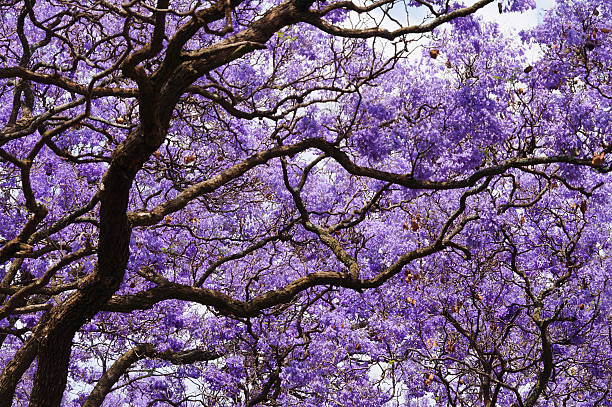
Jacaranda Tree Care, Cultivation & Landscape Uses
Why Plant a Jacaranda?
If you stumble upon a jacaranda in full bloom for the first time, you may feel you’ve stepped into a fantasy novel. From late spring through early summer, the tree’s broad canopy bursts with hundreds of lavender-purple trumpets, turning whole streets a shimmering violet. In South Florida, Southern California, and parts of Texas, jacarandas have become living landmarks: children measure school years by the first fallen blossoms, and photographers schedule sessions around the brief “purple snow.”
Beyond beauty, Jacaranda mimosifolia offers practical perks. The airy, fern-like leaves cast dappled shade that cools patios without plunging them into darkness. Pollinators visit the fragrant blooms, while songbirds flock to the seedpods in winter. In landscape design, mature jacarandas can anchor front yards, soften multi-storey facades, or line boulevards in sun-baked towns where few other ornamentals thrive. Gardeners farther north cultivate jacaranda as an atrium specimen, a conservatory showpiece, or even a bonsai, enjoying its delicate foliage and sculptural bark indoors.

Jacaranda Tree Overview
Native to the dry valleys of Bolivia and Argentina, jacarandas belong to the trumpet-vine family Bignoniaceae. In their homeland they inhabit rocky slopes where summer deluges alternate with long dry spells, a clue to their preference for sharp drainage and winter rest. In the right climate the trees rocket upward, adding 10 feet of growth per year and eventually topping out at 50 feet tall with an umbrella spread of 30 feet. The compound leaves, each up to 20 inches long, lend a tropical softness comparable to royal poinciana or tamarind.
Flowering begins only after a juvenile phase of six to eight years. Once mature, most trees bloom twice: a heavy flush in late spring and a lighter encore in autumn. The papery, woody seedpods that follow split open like castanets, releasing wafer-thin disks that germinate readily in loose, sandy soil.
Quick Facts
| Common Names | Jacaranda, blue jacaranda, black poui |
|---|---|
| Botanical Name | Jacaranda mimosifolia |
| Family | Bignoniaceae |
| Mature Size | 25–50 ft tall × 15–30 ft wide |
| Growth Rate | Fast in youth; moderate with age |
| Sun Exposure | Full sun (6–8 h daily) |
| Soil Preference | Sandy or loamy, well-drained, pH 6.0–7.5 |
| Bloom Period | Late spring & again in autumn (warm climates) |
| Hardiness Zones | USDA 10–11 (outdoors); zones 8–9 with shelter from frost |
| Landscape Uses | Shade tree, street tree, patio focal point, bonsai |
Jacaranda Tree Care
In subtropical yards a jacaranda asks for three things: abundant sunshine, drainage that mimics riverbank sand, and protection from prolonged frost. Meet those conditions and the tree largely fends for itself, shrugging off drought, most pests, and the blazing heat that wilts more tender ornamentals. Because its leaves are fine-textured, grass can grow beneath the canopy—handy for parks or grey-water lawns. Do expect litter: after blooming, carpets of mauve petals stain sidewalks and pool decks, so site the tree where sweeping is easy or petal carpets are welcome.
Surface roots thicken with age and may lift paving. Plant at least 15 feet from foundations and driveways. In high-traffic streetscape projects, urban foresters often surround trunk bases with permeable gravel to prevent root heave while allowing rain infiltration.
Jacarandas resist most diseases, yet in humid Gulf-Coast summers an occasional outbreak of powdery mildew may stipple leaves. Improve air circulation by thinning overcrowded branches in late winter. In southern California the biggest threat is Xylella fastidiosa, the bacterium spread by glassy-winged sharpshooters; keep trees healthy with deep, occasional irrigation and avoid excess nitrogen that spurs succulent, disease-vulnerable growth.
Light & Soil Requirements
Sunlight: Jacarandas flower best in unobstructed sun. Six hours is the bare minimum; eight rewards you with fuller panicles and richer colour. Young transplants tolerate dappled afternoon shade their first summer but bloom density suffers in anything less than full exposure.
Soil: Think soft beach sand mixed with leaf litter—loose, quick-draining, and slightly acidic. In heavier clay zones, carve a 6-inch-deep moat three times the root-ball diameter, fill with coarse sand or pumice, and sculpt the planting hole so roots sit on a broad pedestal above the water table. Avoid manuring or over-amending; lush soils push rampant shoot growth that snaps in wind and delays blooming.
If your native earth is alkaline, irrigate occasionally with captured rainwater or supplement with elemental sulfur pellets to nudge pH toward 6.5. For container specimens, blend two parts loam, one part coarse sand, and one part composted pine bark for aeration.
Water, Temperature & Feeding
Watering schedule: Deep-water once the top three inches of soil dry—roughly every 7–10 days in summer. During droughts or Santa Ana winds, increase to twice weekly. Aim water at the drip line, not the trunk, to stimulate widespread roots. In winter, irrigate monthly or rely on seasonal rainfall to keep roots just moist enough to prevent dieback.
Temperature tolerance: Established trees shrug off brief dips to 26 °F (–3 °C). Repeated frosts, however, blacken new wood and postpone blooming. In zone 9 gardens plant jacarandas in a west-facing courtyard where walls reradiate heat overnight. Protect juvenile trunks with burlap wraps during their first two winters.
Feeding
Hold the fertiliser—especially high-nitrogen formulas. If leaves yellow mid-season, top-dress with a thin layer of worm castings or dilute fish emulsion once, then observe. Overfeeding leads to towering plants that bloom sparsely.
Notable Species & Cultivars
The genus Jacaranda contains more than 40 species, but ornamental plantings focus on a handful of selections. Breeders continue to release compact forms for urban lots and colour variants beyond the iconic lilac.
- Jacaranda mimosifolia ‘Alba’ (‘White Christmas’) — Pure white trumpets glow against evening skies. Blooms begin three weeks earlier than the species, extending the display from late April through June in low-desert gardens. Mature size mirrors the standard tree but canopy density is lighter, allowing more filtered light beneath.
- J. mimosifolia ‘Bonsai Blue’ — A true dwarf discovered in Thailand; tops out at 12 ft tall × 8 ft wide. Perfect for patios or large ceramic pots in zones 9–11. Despite the compact habit, flower clusters are full-size and richly saturated violet.
- Jacaranda jasminoides — Often called the “rose-pink jacaranda,” this shrub-like species reaches 20 ft and tolerates slightly cooler winters (brief lows to 24 °F). Flowers range from mauve to deep magenta, providing an alternative where blue varieties suffer blossom drop in spring winds.
- J. jasminoides ‘Maroon’ — A darker spin on the pink species with wine-red petals. Garden designers pair it with silver foliage shrubs such as silverbush for high-contrast xeriscapes.
Avoid confusing trade names: some nurseries label dwarf seedlings “Jacaranda bonsai” even though they will reach 30 ft once planted out. Verify cultivar lineage and expected height before purchase.
Pruning and Propagation
Structural Pruning
Train a single central leader during the first five years. Each summer, remove competing vertical shoots to prevent weak V-fork crotches that split under storm load. Once height exceeds 12 ft, shift to winter touch-ups: saw out deadwood, crossing branches, and water sprouts. Heavy topping ruins the tree’s umbrella silhouette and spurs broom-like suckers—leave final shaping to light heading cuts above outward-facing buds.
Softwood Cuttings
- Snip a pencil-thick, 6-inch shoot in late spring when new growth is flexible.
- Strip the lower leaves, leaving two pairs at the tip.
- Dip in 0.3 % IBA rooting powder and insert into a 4-inch pot of 50 % perlite / 50 % peat.
- Enclose in a clear humidity dome; maintain 75 °F bottom heat.
- Root initials appear in 4–6 weeks. Move to one-gallon pots after roots fill the plug and grow on for a full season before field planting.
Cuttings flower two to three years sooner than seed-grown trees, a boon for bonsai artists seeking quick canopy development.
Growing Jacaranda from Seed
The woody pods mature by late summer and rattle when seeds loosen. Harvest directly from the tree—ground-fall pods often contain empty husks.
- Crack pods and soak paper-thin seeds in lukewarm water for 24 h to soften the coat.
- Fill plug trays with sterilised cactus mix; broadcast seeds and barely cover with vermiculite.
- Mist daily to keep the surface damp; maintain 70–80 °F via a heat mat.
- Germination takes 2–8 weeks. Provide 14 h of bright light (LED strips work well) to prevent leggy seedlings.
- Transplant to 3-inch pots once true leaves unfurl, then step up each spring. Outdoor planting can follow after trunks are finger-thick and frosts have ceased.
Seedlings display genetic variation—expect height, bloom timing, and petal hue to differ from the parent. For uniform avenues, stick with named cultivars propagated by grafting.
Potting, Repotting & Overwintering
Container size: Start juveniles in 5-gallon fabric grow-bags filled with equal parts coarse sand, loam, and composted bark. Upgrade to half-barrels by year 3.
Drainage: Elevate pots on ceramic feet to keep the base dry. Slide a moisture meter 6 inches deep; water when the reading drops below 25 %. Indoor specimens wintering in sunrooms need water only every 10–14 days.
Light indoors: Position pots 2 ft from a south-facing window or install a 300-watt full-spectrum grow lamp for seven hours daily. Rotate weekly to keep the canopy symmetric.
Winter rest: Cool, dry dormancy (55 °F nights, sparse irrigation) triggers stronger spring bloom. In Mediterranean climates, move patio tubs against a warm wall and drape with breathable frost cloth when nights dip below 30 °F.
Maximising Flower Production
- Site trees where roots remain slightly dry in winter—soggy conditions suppress bud initiation.
- Avoid turf fertiliser overlap; high nitrogen fuels foliage at the expense of blooms.
- Mulch with 2 inches of coarse wood chips, pulling the ring 6 inches from the trunk to deter fungal collar rot.
- Provide wind shelter: coastal gales strip buds before they open. Companion windbreaks of mock orange or Cupressus sempervirens guard young crowns until bark thickens.
- Remove vertical suckers promptly; they siphon sap away from bud-bearing branchlets.
Common Diseases & Pests
| Problem | Symptoms | Remedy |
|---|---|---|
| Bacterial leaf scorch (Xylella fastidiosa) |
Brown leaf margins, branch dieback | Remove infected limbs; supply deep water; control sharpshooters with yellow sticky cards |
| Powdery mildew | White film on foliage in humid shade | Prune for airflow; spray 1 tsp baking soda + 1 qt water weekly |
| Aphids / whiteflies | Honeydew, sooty mould, distorted shoots | Release lady beetles; hose off colonies; apply horticultural oil |
| Mushroom root rot | Basal bark darkens; white mycelium under bark | Improve drainage; remove tree and replace soil before replanting |
Troubleshooting Common Issues
Yellow Leaves
Likely chlorosis from shallow watering. Deep-soak to 18 inches and check that irrigation rings encircle the drip line.
No Flowers After 10 Years
Tree may receive fertilizer from nearby lawn. Cease nitrogen for one season, apply 0-10-10 bloom booster in early spring, and thin dense interior shoots to increase light penetration.
Branch Dieback in Summer
Could indicate bacterial scorch. Lab-test petiole tissue; if positive, extend tree life with monthly deep watering and remove severely affected limbs to slow spread.
Bringing the Purple Canopy Home
From boulevard showstopper to container conversation piece, the jacaranda rewards patient cultivation with unrivalled spring drama. Prioritise sun, drainage, and judicious pruning, and your sapling will mature into a living lilac cloud that stops passers-by in their tracks. Sweep petals with gratitude, invite neighbours for evening fragrance walks, and relish the knowledge that few trees so effortlessly combine tropical splendour with drought resilience.



Leave a Reply