What is soil fertility?
Soil fertility is about how the soil can help plants grow. It means the soil has the conditions to support plant growth.
Soil fertility is important for growing crops. This can be improved by using fertilizers. There are two types of fertilizers: organic and inorganic fertilizers. Fertile soil has material that helps keep moisture and nutrients in the soil. The pH level of soil is between 6 and 7. This helps plants grow better.
Soil fertility helps plants get the nutrients they need. Essential nutrients are important for plant growth and reproduction. Plants need these nutrients to grow. If plants don’t get nutrients, their growth cycle can fail. When growing crops, it’s essential to add fertilizers to keep the soil fertile. This helps increase or maintain crop yields. Proper management of nutrients is key to creating farming systems. Good farming systems help produce crops in a friendly way.
Understanding how plants take up nutrients from the soil is helpful. It is also important to know how much of each nutrient is needed for the economic yield. Farmers should also know how much is taken away by the crops. They should understand how nutrients change and interact in the soil. They should also know how easily they can move around. This helps make fertilizer plans. Good fertilizer plans help farmers grow crops in a way. Soil fertility and crop production are connected. Fertile soil helps produce crops. Crops need soil to grow. Fertile soil is good for crop production.
Major Impacts of Climate Change on Soil Fertility:
Rising Temperatures:
The temperature is important in accelerating the decomposition of soil organic carbon. The warmer climate increases the speed at which this breakdown process occurs, resulting in increased decomposition of soil organic matter by microorganisms. This, in its turn, has an impact on the change of soil nutrients over time.
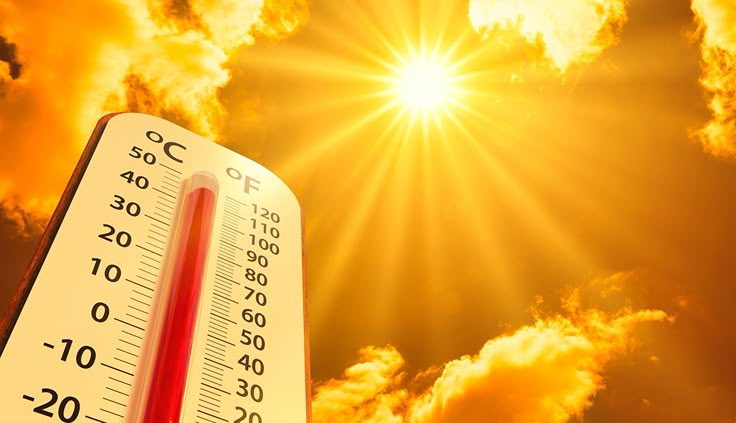
hot temperature,Thermometer on yellow sky with sun shining in summer show higher Weather, concept global warming
Studies indicate that an increase in temperature results in an increase in the rate of decomposition of soil organic matter, which causes a reduction in soil fertility. Excessive exposure to high temperatures may destroy enzymes, decrease their performance, and slow down the activity of microbes, which may be detrimental to the general state of the soil.
Climate change significantly impacts soils and the functions performed by them in the environment.
The primary outcomes of climate change are manifested by the increase in soil temperatures, the alteration of the level of moisture in the soil, and the rise in the level of carbon dioxide in the atmosphere. These factors will likely affect the natural processes and properties of soil that contribute to preserving its fertility and productivity, primarily due to increased temperatures and carbon dioxide concentration.
Irregular Rainfall:
Irregular rainfall is terrible for the soil. It has periods of drought and then heavy downpours. This hurts soil fertility. The soil loses moisture. Gets eroded. It also loses the stuff it needs to be healthy. When we have rain and a lot of water, it moves really fast through the soil that lets water in easily. This can cause flooding. The soil gets too much water. This slows down the breakdown of the stuff in the soil.
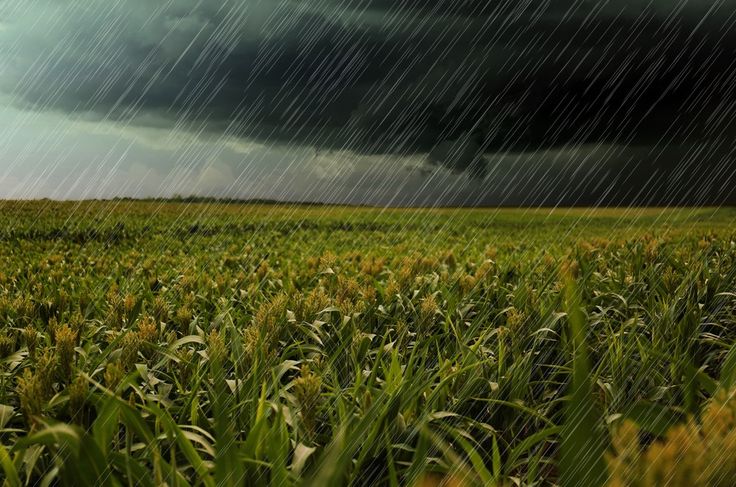
This is a problem in flat areas or areas that are low. It affects the soil in places like Sub-Saharan Africa. In areas where the land is sloping, the water runs off. This causes erosion. It gets worse as it goes downhill. Sometimes big rains can even cause landslides or mudflows. This happens in soil. The soil that handles these changes well is the one that can hold onto the stuff it needs. It has a structure and big spaces that let water move through quickly.
When it rains a lot, the water moves really fast through the soil. It takes away the nutrients that plants need, like nitrogen, potassium, and calcium.
These nutrients are below where the plants can reach them. This means the plants do not get the nutrients they need. They do not grow well. Over time, this makes the soil less fertile. We may need to use fertilizers to help the crops grow.
Flooding is also bad for the soil. It takes away the layer of the soil, which is the best part. This part has plenty of nutrients that plants need to grow.
When it floods, the moving water washes away this good soil. It takes the nutrients and the good microorganisms with it. The soil that is left is not as good. It is not fertile. It cannot support healthy plants. If it floods, the soil becomes less productive. We have to use fertilizers to make the soil healthy again.
Soil Erosion:
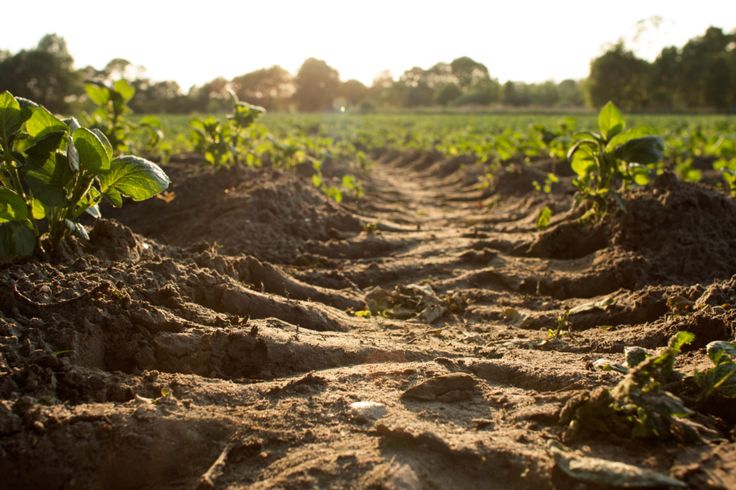
Soil erosion is a problem. The soil particles get loose. Are washed away in valleys, oceans, rivers, streams, or faraway places. This is happening because of things people do, like farming and cutting down forests. Soil erosion keeps happening either slowly or rapidly. It leads to a loss of topsoil, harm to the environment, and even soil collapse.
Causes of Soil Erosion:
Rainfall and Flooding
Strong rainstorms are the reason for soil erosion.
There are four types of soil erosion caused by rainfall:
* Rill erosion
* Gully erosion
* Sheet erosion
* Splash erosion
When raindrops hit the ground, they break up the soil particles. Then the soil particles are carried off into nearby streams and rivers. Areas with frequent rain suffer a lot of soil loss. During floods, flowing water also erodes the soil particles, creating holes and basins in the land.
Grazing:
Livestock eat the grass. Take away the plants from the land. Their hooves dig up the soil particles. They pull out plants by their roots. This makes the soil particles loose and easier to erode.
Heavy Winds:
In wet or semi-arid areas, tiny soil particles are blown away by the wind to distant places. This damages the soil particles. Can lead to desertification. Soil erosion is a process that affects the soil particles. It is terrible for the environment and the soil particles.
Loss of Soil Organic Matter:
Increased temperatures usually cause reduced soil organic matter. With the climate warming, two primary things occur, given that there is sufficient rain: first, more plants are produced, as the growing season is extended. Second, decomposition of organic materials in the soil accelerates since the organisms present in the soil, such as microbes and insects, become faster and are active throughout the year. This accelerated breakdown is eventually the primary determinant of the quantity of organic matter in the soil.
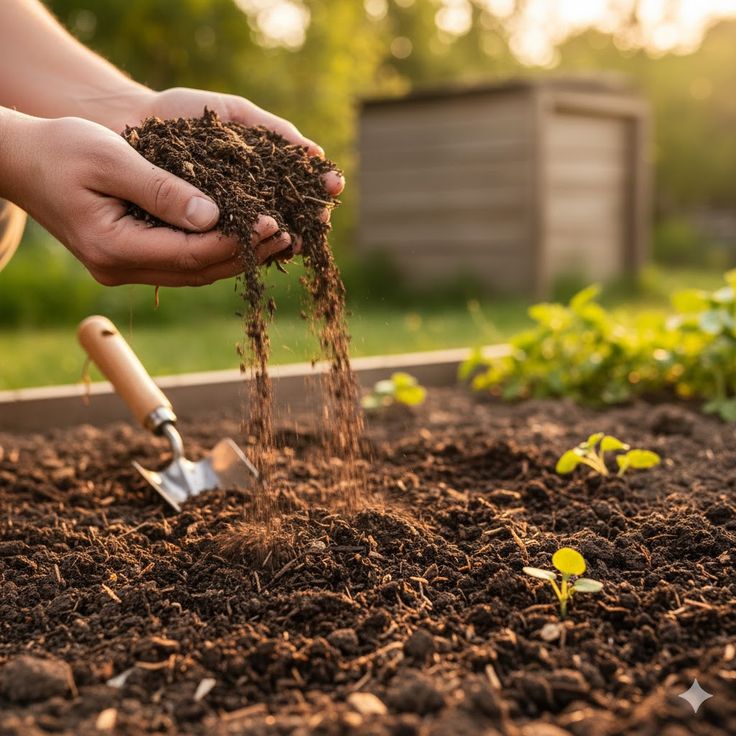
In other areas, such as the Arctic and alpine areas, there is minimal organic matter that is added to the soil in a year because the growing season is very short.
There is also slow decomposition, as there is not a lot of plant material to be decomposed, and the microorganisms in the soil are not very active when the ground is dry. As soon as it rains, decomposition may occur within a very short time.
The organic matter content of the soil tends to rise with the increase in rainfall per year.
The more rainfall, the more water the plants have, and as a result, the plants grow. The growth of plants increases the quantity of plant matter in the soil, such as the leaves and roots of the plants.
Nevertheless, in regions with high rainfall, the soils may not break down organic matter as fast as well-aerated soils. This is due to excessive water, which may lower the level of oxygen in the soil, which retards the decomposition process.
Decline in Soil Microorganisms:
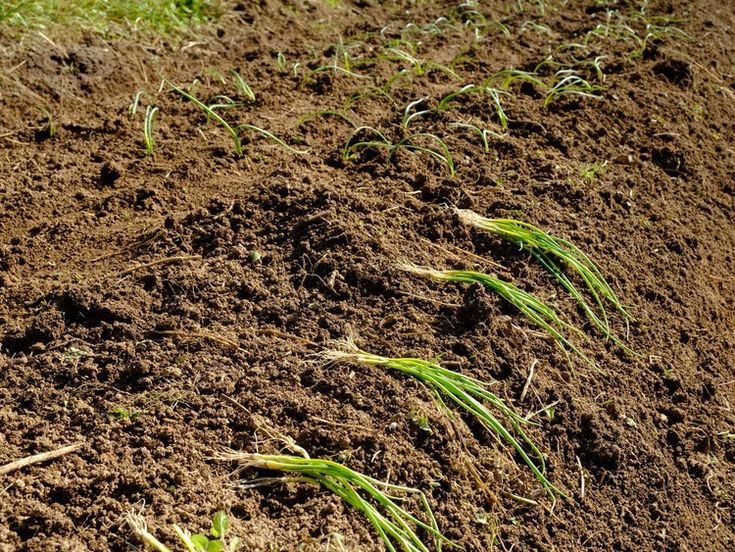
Climate change results in a decrease in soil microorganisms. These are important for keeping the soil healthy and fertile. These microorganisms, which are good for the soil and include bacteria and fungi, are responsible for decomposing organic matter and adding nutrients to the soil for plants to use. However, when the climate gets too harsh for plants, as may happen when there is too much rain or too little water, or when the temperature gets too high, these microorganisms are affected. Too much heat can actually kill these microorganisms.
Too little water can make it hard for these microorganisms to survive since they need water. Too much rain can make the soil have too little oxygen, which these microorganisms need to survive.
Soil Salinity Increase:
Due to transpiration, plant roots lose fresh water, which is left behind in the form of salts. The same occurs when the soil water evaporates into the air, leaving behind salts. The salts that are left behind accumulate as more water evaporates, and so there is salt accumulation on the surface of the soil. As the temperature of the air rises due to climate change, there is an increase in the amount of water that evaporates from the soil, and this raises the level of salt in the soil.
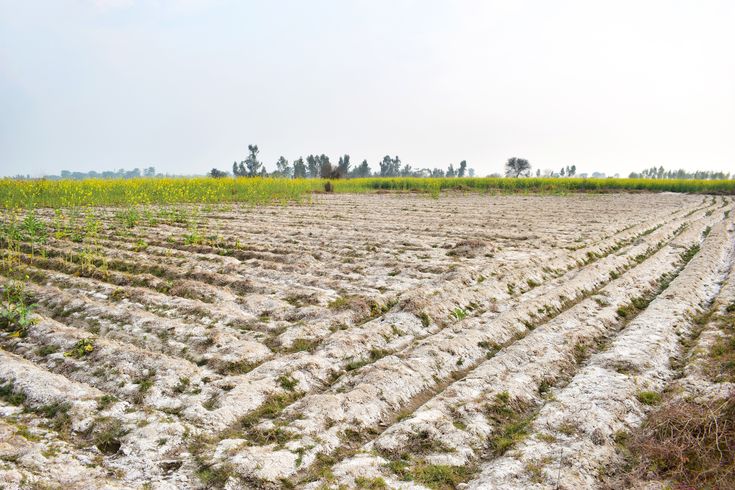
The effect of increased temperature on soil salinity is important to know so that we can make more informed choices in sustainable farming. The rise in temperatures results in increased evaporation, and therefore, more salt is left in the upper sections of the soil. This accumulation of salt leads to damage to soil fertility eventually.
The presence of high salinity renders the absorption of water and nutrients by plant roots difficult, leading to stress and poor plant development. It can reduce crop production. Otherwise, the soil may get excessively salty and require special remedies to restore it.


Leave a Reply