Carbon farming is a whole-farm approach to enhancing the amount of carbon sequestration in plants and soils. It is a practice that redefines the functioning of agroecosystems. Carbon farming understands that solar light is the primary supply of energy in farm systems, and carbon is the carrier of this energy throughout the system.
Currently, carbon dioxide and other greenhouse gases owe their existence to agricultural activities. However, if more farmers practiced carbon farming or at least its principles, then instead of farming becoming a source of carbon, it would become a means of decarbonizing the local atmosphere.
The approach has many other benefits, including healthy soil, efficient use of water, reduced expenditure on chemicals, and the ability to generate income from carbon credits.
Carbon farming, on the other hand, does not just arrest the climate change effects, but it enriches the soil, prevents water from evaporating quickly, and supports biodiversity.
However, besides carbon sequestration, farmers are able to generate supplementary income by participating in carbon markets. Blending traditional farming knowledge with climate science might be the answer to the world’s climate problems.
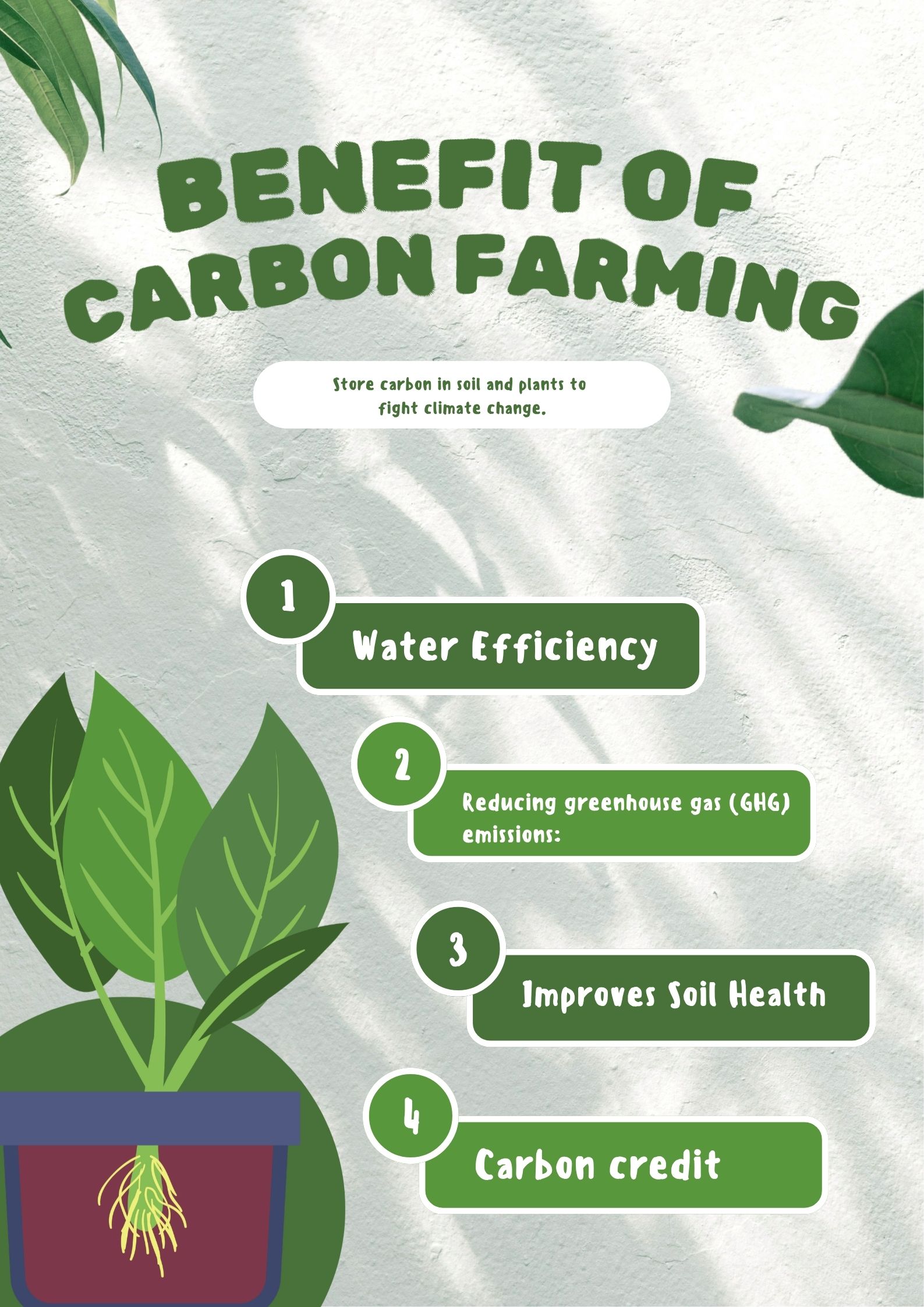
Benefits of Carbon Farming:
Environmental Benefits:
Improves Soil Health:
One of the major benefits of practices like carbon farming, organic fertilization, and sustainable agriculture is that they enhance the physical, chemical, and biological properties of soil, making it more fertile and productive over time.
Reducing Greenhouse Gas (GHG) Emissions:
Agricultural and forestry systems offer agricultural activities many ways to reduce GHG emissions or enhance carbon storage in soil and plants.
Most of the conservation methods adopted by farmers can reduce the adverse effects of climate change.
By using these methods, farmers can directly reduce emissions or indirectly reduce emissions by using less fuel and fertilizers and storing more carbon from CO₂ as organic materials in soil, trees, and shrubs.
These practices help reduce GHG emissions and increase carbon storage under agricultural practices besides providing other benefits to the farmer and society.
Climate change mitigation:
Carbon farming helps to curb the amount of carbon dioxide in the air.
By sequestering carbon in soil and plants, it reduces greenhouse gas emissions and helps maintain the climate’s steadiness on earth. Small-scale farmers in the Philippines may remain oblivious to their key role in combating climate change. We will introduce and promote carbon farming in their fields through regenerative type of agriculture.
Practices range from growing fruit and timber trees, crops combined with animals, recycling of nutrients and water, cover crops, and green manure, among others.
Carbon farming assists in combating climate change by addressing greenhouse gases. Normally, CO₂, methane, and nitrous oxide, whose compounds exacerbate global warming, are produced in large amounts during agricultural processes. By using carbon farming methods, farmers can sequester and store carbon as soil, plants, and trees to act as the carbon ‘sink.
Thus, reaching net-zero greenhouse gas (GHG) emissions is critical in arresting global warming.
Soil carbon sequestration is one of the most effective and most applicable ways to do this. By increasing the soil carbon storage, the farmers not only support climate efforts but also strengthen the farming systems that can resist extreme weather events.
Agricultural Benefits:
Sustainable land management is the use of farming techniques that are good for the environment and help keep the land healthy. This helps to ensure the value of the farm is maintained for the future.
Water efficiency can be achieved through the improvement of the soil structure, which enables the soil to hold more water.
This helps to reduce the cost of water used for irrigation.
Increased crop yield can be achieved through the use of high amounts of carbon in the soil, as this is good for the growth of the crops.
Economic Benefits:
Carbon credit:
One of the fundamental economic benefits of carbon farming is the potential to generate and promote carbon credits. Those credits represent actual reductions or removals of greenhouse gases, measured as one metric ton of CO₂-equivalent emissions in line with the credit score. Farmers who use carbon farming methods can test and promote these credits in either voluntary or compliance carbon markets, which could convey additional income.
Lower Entertaining Expenses:
Another significant monetary advantage of carbon farming is the reduced need for chemical inputs, along with fertilizers and pesticides, as well as less use of irrigation and machinery. Techniques like no-till farming, cover cropping, and using natural compost assist in improving soil health, which in turn reduces the need for synthetic products.
Soils with more natural count number can keep greater water, so there may be less want for irrigation.
These practices reduce input fees and also make plants extra resilient to droughts and severe climate. Over the years, these financial savings can greatly increase the profitability and sustainability of farming operations.
Improved Farm Productiveness:
Carbon farming methods enhance soil structure and nutrient levels, leading to higher productivity and better, excellent harvests.
As an instance, agroforestry allows for developing unique vegetation, livestock feed, timber, and different woodland products, developing more profit sources. Using rotational grazing with cattle allows for holding pastures healthful, which ends up in better animal productivity and lower feed costs.
Land that is managed via carbon farming tends to boom in cost as it turns into extra effective, has healthier soil, and is extra environmentally friendly.
Sustainable land management improves the long-time period achievement and profitability of farmland, elevating its market price.
Moreover, carbon farming can offer numerous profit opportunities, providing a couple of revenue resources and making farm finances greater and more stable.
Those elements collectively boom land cost, reaping benefits for landowners at some stage in their possession and after they sell the land.
Practices in Carbon Farming:
1- No-Till or Conservation Tillage:
No-till farming helps protect from too much soil erosion, lowers soil aeration caused by tilling, increases the amount of organic matter in the soil by slowing down decomposition, and generally a healthy soil technique is involved with this process. No-till systems can also result to lower costs of inputs, which tend to make farming more profitable.
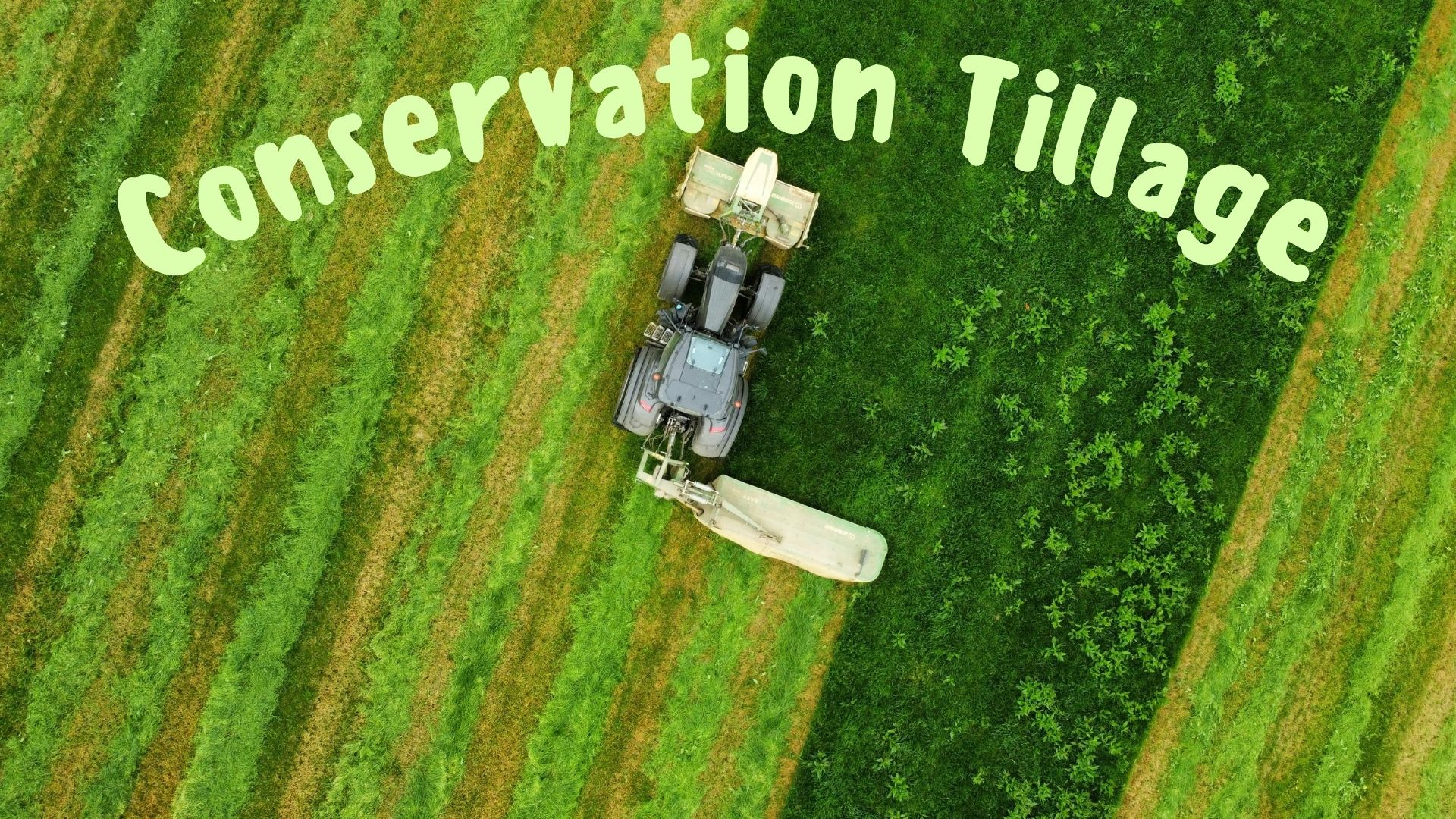
Changes in agricultural methods have resulted in less tillage being used, with more no-tillage being adopted. Less tilling means the soil is less disturbed, and this ensures that the soil structure is maintained and reduces the potential of soil compaction. No-till farming takes this idea further by eliminating any mechanical manipulation of the soil.
Preserving Soil Structure:
Soil structure refers to the arrangement or grouping of soil particles into small lumps or clumps, which leave space for air and water to circulate. Soil structure is the arrangement of the soil particles into small aggregates or clumps with openings that facilitate the movement of air and water. Too much tilling destroys this structure, while reduced tillage and no-till farming maintain and improve it. When the soil structure is kept intact, the beneficial organisms in the soil are also protected, which creates a healthy and stable soil environment.
Water Conservation:
Using reduced tillage or no-tillage methods is helpful in water conservation through the improvement of water infiltration and reduction of water runoff. Maintaining a good structure in soils and having more organic matter also leads to better water-holding ability of soils.
Carbon Sequestration:
One of the most significant benefits of reduced tillage farming and no-till farming is in their role in carbon sequestration. Hence, by minimizing soil disturbance, they prevent carbon emissions from the soil, and thus are effective in mitigating the environmental impacts of agriculture. Not only does this stored carbon make the soil more fertile, but it also contributes to global efforts in reducing greenhouse emissions.
But overall, reduced tillage and no-till farming are some of the important ways through which humanity looks after the planet. These focus areas of reduced tillage and no-till farming help agriculture work better now and also help to make a more sustainable future.
2- Cover Crops:
Unlike traditional coins crops, cover plants are grown specifically to defend and enhance the soil. these plants assist reduce soil disturbance, accumulate nutrients, and boom soil organic carbon (SOC). via the use of cover crops, farmers can boost soil fertility on the identical time as assisting cast off carbon dioxide from the air.
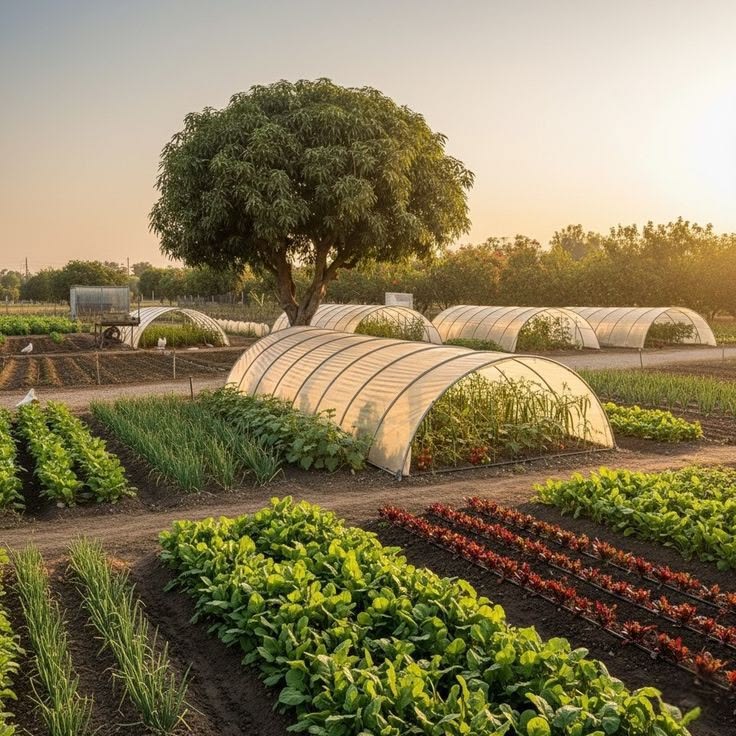
Cover crops also enhance soil fitness, which in turn impacts how efficient a farm is.
In farming, adding certain flora in place of leaving land empty can increase carbon in croplands. cover plants allow the soil to keep carbon for the duration of the 12 months, making farmland better at absorbing emissions.
Cover crops are a key technique for storing carbon in the soil. The roots and leaves of these plant life feed soil organisms like bacteria, fungi, and earthworms, which over the years improve the soil’s carbon tiers. some farmers see this system as “restoring” the soil’s carbon to what it was before farming commenced or before the land was first plowed for vegetation.
Also, when green manure is tilled into the soil instead of being harvested, it provides greater carbon.
This we could the plant wreck down clearly, which brings more organic fabric into the soil.
natural carbon in the soil is an indication of healthful soil, and healthful soil ends in higher plants.
This creates a effective cycle that boosts farming output while also imparting environmental advantages.
Constructing up carbon within the soil is a gradual procedure.
the use of cover vegetation together with other regenerative farming methods is not something you may do as soon as and forget.
3- Agroforestry:

The farming method known as agroforestry involves planting trees in addition to growing crops, to form a habitat similar to that of many elements of nature working together. Agroforestry creates both a subterranean and an aerial community of organisms and interact to support one another. For example, the tree roots conduct nutrients through the soil, and they sequester carbon at great depths while the trees create a protective covering for crops and livestock from the elements and surface-related challenges.
When a farmer implements a carbon farming system through agroforestry, they create an interdependent community between crops, trees, and the surrounding environment, which enhances agroforestry production by:
• Increasing farm production.
• Protecting soils from washing away.
• Cleaning air and water.
• Providing habitat for wildlife.
• Providing farmers with additional income generation methods.
4- Soil Amendments:
Soil amendments are organic substances added to soils to improve fertility, structure, and health. Examples of organic soil amendments include compost, animal manure, and biochar. Not only do these materials supply pivotal nutrients, but the structural make-up allows the soil to better aid plant growth.
In simple terms, soil amendments are substances that soil is added to improve its quality, such as fertility. Many amendments also help the carbon storing process.
Amendments that increase the levels of organic matter in soil can enhance the water holding and absorption capacity of soil, making the soil more resilient to climate-related issues such as drought, extreme heat, or heavy rainfall.
Studies also show that those amendments can increase the activity of living organisms in the soil and provide key nutrients that are more resistant to pests and diseases.
5- Grazing Management:
Grazing management includes when and how animals graze as well as the frequency of their grazing cycles and the length of time they graze on a particular piece of land. An example is using these grazing practices to improve soil health, benefit the environment, and generate an economic return from the grazing area. It is important to note that when grazing animals are managed properly, they can help the land hold more carbon in the soil. This occurs because grazing can stimulate healthy pasture growth and root development of the pasture plants, create a diverse mix of plant species in the vicinity (for example, introducing deep-rooted species or species that improve nitrogen availability in the soil), and change the physical/chemical composition of the soil. Grazing can also reduce or prevent the loss of soil carbon to the atmosphere due to the erosion of soil by maintaining the vegetation cover on the soil surface. Grazing management can increase soil organic carbon by improving productivity and root growth of the pasture, creating a diverse mix of plants (for example, by encouraging the growth of deep-rooted perennial plants or legumes that improve soil nitrogen), changing the physical/chemical characteristics of the soil, and decreasing the loss of soil carbon through erosion by maintaining vegetative cover on the soil surface.





Leave a Reply