Sustainable farming is a practice of agricultural farming that attempts to fulfill the needs of the present generation without damaging the capacity of the future generation to fulfill theirs. It is concerned with the intelligent use of natural resources, decreasing negative impact on the environment, and making the lives of people in agricultural communities more productive.
Sustainable agriculture is essential in ensuring that there is sufficient food for all people, while also ensuring that the environment is safe for future generations.
With the population of the world ever-increasing and the climate conditions worsening, the farmers, researchers, and those who develop policies should find another way of balancing the creation of food and the preservation of the planet.
Sustainable agriculture helps in managing the environment and, at the same time, provides people with the resources they require.
By farmers engaging in trying to save the natural systems and resources to which they rely, the farmers can produce healthy food that will not have much impact on the environment.
Moreover, even a transition to sustainable agricultural practices can be lucrative.
As a matter of fact, the practices make farms remain profitable and allow the local economy to survive. The farmers are sustainable in some ways, which include the following:
– Building healthy soil.
– Taking steps to stop erosion.
– Ensuring that the farm is profitable.
– The establishment of a good water management system.
– Being conscious of carbon emissions.
– Preparing the farm to deal with diseases, insects, and unfavorable weather.
– Planting different crops and promoting biodiversity.
Use of Organic Fertilizers:
As more people focus on sustainable and organic farming, many big farms and food companies are using organic fertilizers. Organic fertilizers have the potential to improve soil quality, reduce reliance on chemical-based products, and promote a healthier environment. Organic fertilizers are nutrient-rich products from natural sources and contain at least one plant growth nutrient. Compost, manure, and rock powders are natural plant fertilizers. The soil microbes must first decompose these organic fertilizers into a form that can be absorbed by plant roots. Eventually, nutrients become slow-release compared to inorganic fertilizers and also exert their beneficial effect on soil quality in the long run.
Plant-based fertilizers:
Plant-based fertilizers (usually from leftover farm materials) can help farms become self-reliant. The fertilizers are quick in decomposition and supply plants with an array of nutrients. Plant-based fertilizers are also ideal for soils that have poor drainage properties or have difficulties in holding moisture due to their structural characteristics.
- Soybean meal is a good organic fertilizer with high nitrogen content (often 7%).
- Ash is rich in potassium and trace elements, and it can also neutralize overly acidic soils.
- Peat maintains the balanced soil pH and contains important macronutrients and secondary nutrients such as magnesium and calcium.
- Compost, a more permanent form of fertilizer, is reported to have a lesser amount of required nitrogen, potash, and phosphorus, but with a considerably higher volume used.
Seaweed and kelp-based fertilizer contains macronutrients, micronutrients, and growth hormones.
Animal-based:
Animal-based natural fertilizers are normally derived from animal manure as well as byproducts of slaughterhouses. Compared to plant-based natural fertilizers, animal-based ones add more nitrogen to the soil, thus ideal for growing corn and leafy vegetables.
- Blood meal is a great source of nitrogen, which helps in growing strong leaves in plants. Bone meal provides plants with calcium and phosphorus, which play a key role in root growth and flowering.
- Feather meal, on the other hand, furnishes slow nitrogen.
- Fish meal contains nitrogen, phosphorus, and other nutrients.
- Fish powder has high nitrogen content and supplies its users with phosphorus, potassium, and trace elements.
Conservation Tillage:
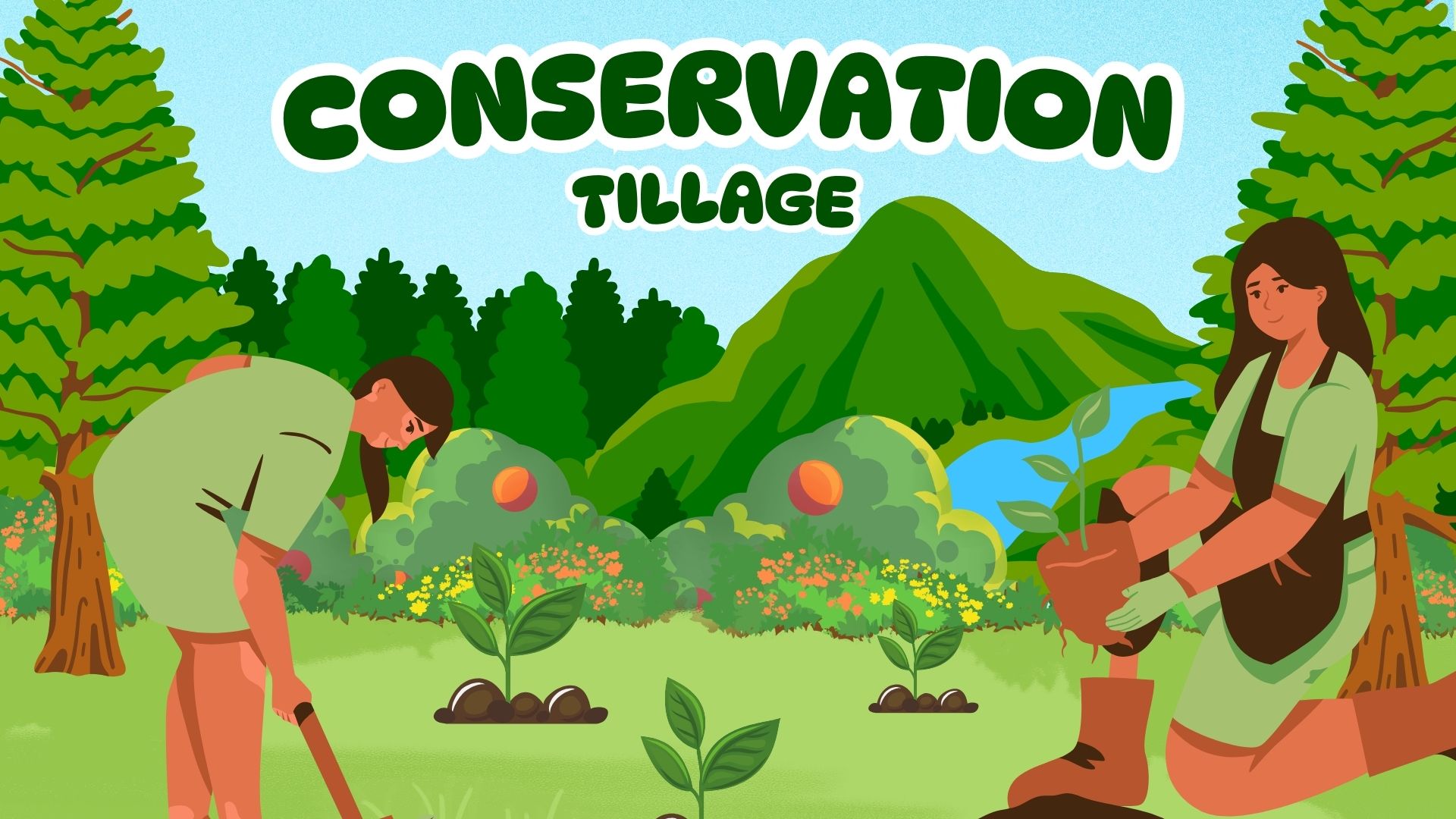
Due to the increased population of the world, more and more food is required, and this presents enormous challenges to farming. There is a need to boost food production, but we also should be concerned about the environment, combat climate change, and ensure that farming will be sustainable for future generations.
Conservation tillage refers to a set of agricultural practices that preserve soil.
These are no-till, strip-till, mulch-till, and ridge-till. They all have their working styles, yet they are all directed towards a common aim, that of ensuring that the soil is healthy. These techniques maintain the soil structure vigorously, increase organic matter content, and lead to a large number of microbes in the soil by reducing the level of soil disturbance. Among the advantages, it is possible to mention that conservation tillage can prevent soil erosion. The issue of erosion is also a significant issue since it removes the fertile topsoil that crops require and may lead to water pollution. The conventional farming techniques, which create a lot of holes in the soil, are usually accused of making the soil less healthy, leading to erosion and the loss of valuable nutrients. Conservation tillage has superior means, which can be used to promote sustainable farming.
No-Till (Zero-Till):
This is among the primary ways of conservation tillage.
It is a method of planting crops that does not require making too many movements across the field and, consequently, does not disturb the topsoil that much. The farmers make shallow beds and then cover them using plant residue. The nature of the fertilizer employed is also of great significance to maintain the soil and water in good health. This is the type of approach employed in the north of Tanzania when growing wheat and coffee.
Advantages of Conservation Tillage:
No wonder conservation tillage is gaining in popularity.
This type of farming has several advantages, and they include the following:
– Assists the soil in containing more carbon.
– Prevents the surface of soils and erosion by the wind.
– facilitated entry of moisture into the soil.
– Lowers the rate of nutrient loss since the amount of organic matter retained in the soil increases.
– This reduces the level of moisture that vaporizes into the soil, thus making crops endure dry seasons.
– Pesticides and other useful chemicals are maintained in the soil through HELPS.
– Requires less land for working.
Agroforestry:
Agroforestry refers to the growing of trees and shrubs alongside other crops and animals in the same land. The presence of trees and shrubs enhances biodiversity, improves soil structure, and increases carbon sequestration. They also protect soil against erosion caused by wind and water, and protect crops against damage caused by wind.
Agroforestry systems create diverse habitats supporting more species of plants and animals, maintaining a balanced ecosystem.
These systems can be controlled with practical implements such as the Orchard sprayer, which is designed for working around trees and shrubs to adequately care for the crops and the trees.
Agroforestry is a socially, economically, and environmentally beneficial method of naturally diversifying and sustaining agriculture. Agroforestry is of particular significance to small farmers and rural populations, as it helps promote product diversification, income generation, and enhancement of food security. It also assists farms in mitigating the impacts of climate change. Some trees planted to produce fruit, animal feed, and those whose roots can fix nitrogen in the soil have many direct and indirect benefits for the farmers.
Agroforestry Farming Systems:
Alley cropping means planting crops in between rows of trees. This helps the farmers to generate income while the trees are still growing. There is a potential to plant fruits, vegetables, grains, flowers, herbs, and bioenergy materials. Intercropping is a term used when trees and crops are planted without straight rows and narrow paths.
Forest farming involves growing food, herbs, or ornamental crops beneath a forest cover. The forest is managed to provide partial shade and other beneficial products. It is also called multi-story cropping.
Silvopasture involves the establishment of trees in combination with livestock and forage on the same piece of land. Timber, fruits, animal feed, or nuts are some of the products that can be obtained from the trees, as well as providing shade and shelter for animals. This protects animals against extreme heat, cold, or harsh rain.
Benefits:
Environmental Benefits:
Agroforestry systems have a lot of advantages over conventional farming methods. They utilize groundwater better, which maintains water levels and sustainably uses the resource.
Productivity:
Nutrient-rich soils have a significant role in ensuring high crop yields and are also capable of resisting droughts, floods, pests, and diseases. This ensures a higher and more reliable return for farmers.
Improved Soil Fertility and Health:
Traditional farming relies on chemical substances to maintain soil fertility. Agroforestry. It enriches the soil with nutrients, supports living organisms in the soil, and prevents erosion.
Integrated Pest Management:
The concept of Integrated Pest Management, or IPM, is an excellent pest management concept in agriculture. Sometimes farming is full of pest problems, which can be quite harmful. The application of IPM is an intelligent decision since it is environmentally friendly and also does not harm individuals. IPM is a process that is in liaison with nature, and it is very effective in tackling pests. It is a mixture of various methods of pest management, such as mechanical control, cultural control, biological control, and chemical control, all in the presence of common sense. One of the few pest control techniques that relies heavily on knowledge and information is IPM. Effective IPM is based on the realization of the ways the pests reproduce and survive in their environment. IPM is primarily aimed at preventing damage from pests before they occur. In case of the appearance of pests, they are addressed to the control in the most environmentally friendly, human welfare, and safety-friendly manner.
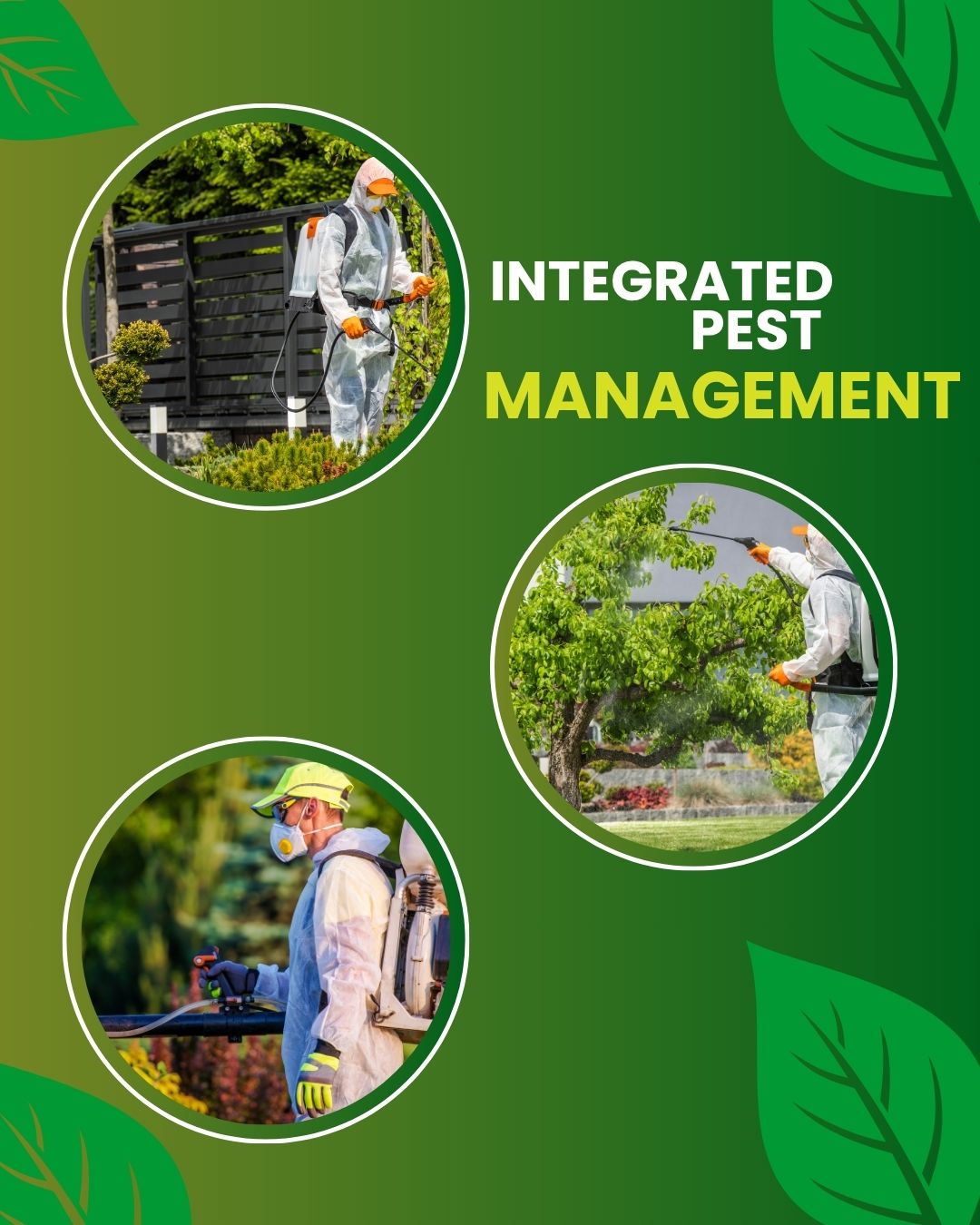
The IPM relies on the information on the life cycle of the pests and their interaction with the environment.
It is this knowledge, combined with the many pest control choices available, that enables pest damage to be managed safely and cost-effectively with minimal harm to people, property, and the environment.
An important device used in IPM is the farm sprayer.
Orchard sprayers, vineyard sprayers, and tractor-mounted sprayers are sprayers that are designed to deliver pesticides in a concentrated manner. This is useful in consuming less pesticide and also to lessen environmental degradation. Sprayers nowadays are designed to spray individual parts, and thus, the entire body is not sprayed.
Benefits of IPM include:
1. Learn the utilization of chemical pesticides.
2. Employs natural predators to manage pests.
3. Enhances plant health and yields.
4. Helps maintain the equilibrium of the ecosystem.
5. Saves money in the long run
6. Evades the resistance of pests to interventions.
Crop Rotation:
Crop rotation means growing different types of crops on the same area but with respect to seasons. This ensures that the soil is protected and pests are regulated. In addition, crop rotation reduces the amount of crop failure and crop sickness caused by pests. Technological advancements have facilitated the practice by employing tractor-mounted boom sprayers. The configuration is suitable for varying crops and acreage, ensuring uniformity and precision in administering fertilizers and pesticides.
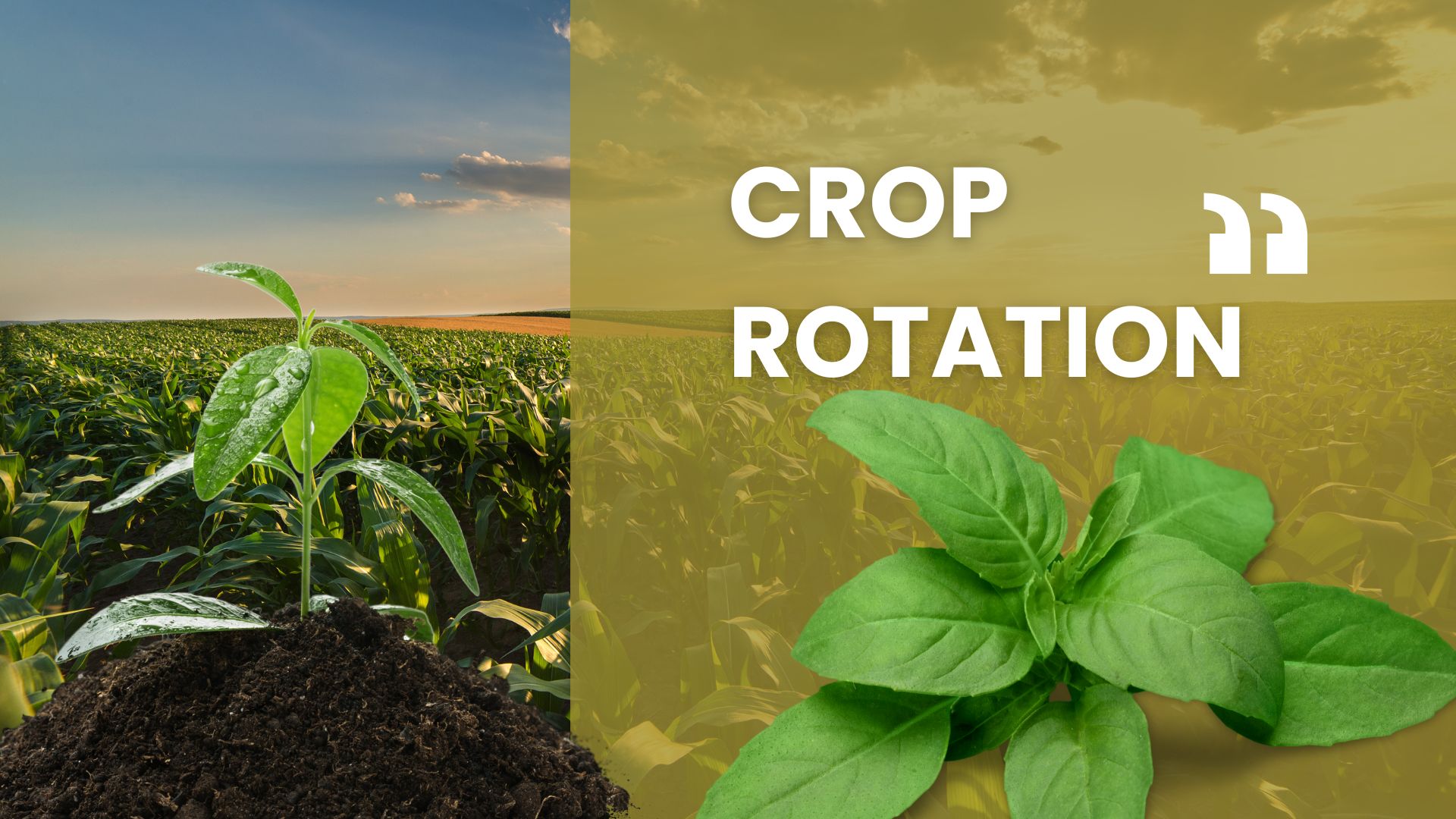
Crop rotation is the process of growing different crops, one after another, in the same area to improve soil health, efficiently utilize soil nutrients, and also control pests and weeds. For example, if a farmer plants corn, he can then plant beans after harvesting the corn. Corn uses many nutrients, while beans give nitrogen back to the soil.
A simple crop rotation might have two to three crops, while a complex one may have a dozen or more crops.
Benefits of Crop Rotation
1. Improve Soil Structure:
Soil can become compacted when the spaces between soil particles are pressed together, and it becomes hard for water and nutrients to reach plant roots, killing the plant. People walking on the soil or heavy farm equipment can do this. Crop rotation prevents soil compaction by planting vegetation with varying root depths.
2. Increase Soil Fertility:
Planting one particular crop continuously depletes certain vital nutrients from the soil. Crop rotation helps to grow plants that enrich the soil nutrients.
3. Prevent Soil Erosion:
The top layer of soil can be taken away by heavy rain or wind, which could be harmful to the crops. Rotating crops like cereal rye, oats, and some wheat varieties can protect the top layer of soil, acting like a cover for plants.
4. Minimize Pollution:
If crops receive enough nutrients from the soil, farmers may reduce the use of fertilizers. This eliminates harmful substances from entering water sources such as streams and lakes.
5. Stop Pest and Disease Buildup:
The pests and diseases can exist in the soil. Pests and disease buildup (5.
6. Increase Crop Yield:
Important benefits are: Increase Crop Yield. This could be the most important benefit 7. Increase Crop Yield – This could be the most important benefit associated with crop rotation. As a good yield means more profit and success to a farmer, crop rotation leads to more harvest and a better income.
7. Cut Costs and Provide More Variety:
With rising food prices, input costs are important to be low. Crop rotation contributes to improving soil quality, reduces weeds, and lowers the chances of plant diseases, reducing expenses and helping provide more variety of crops.
Efficient Water Management:
Water conservation and utilization are quite important in sustainable agriculture. Practices such as drip irrigation, rainwater gathering, and installation of moisture sensors can assist farmers in utilizing water in a smarter manner. Drip irrigation refers to the method that pushes water directly to the root of plants using tubes and small outlets, and as a result, there is minimal wastage, and at the same time, crops receive the right level of water. This is a method of enhancing the production of crops that requires less water than the other irrigation methods of the past.
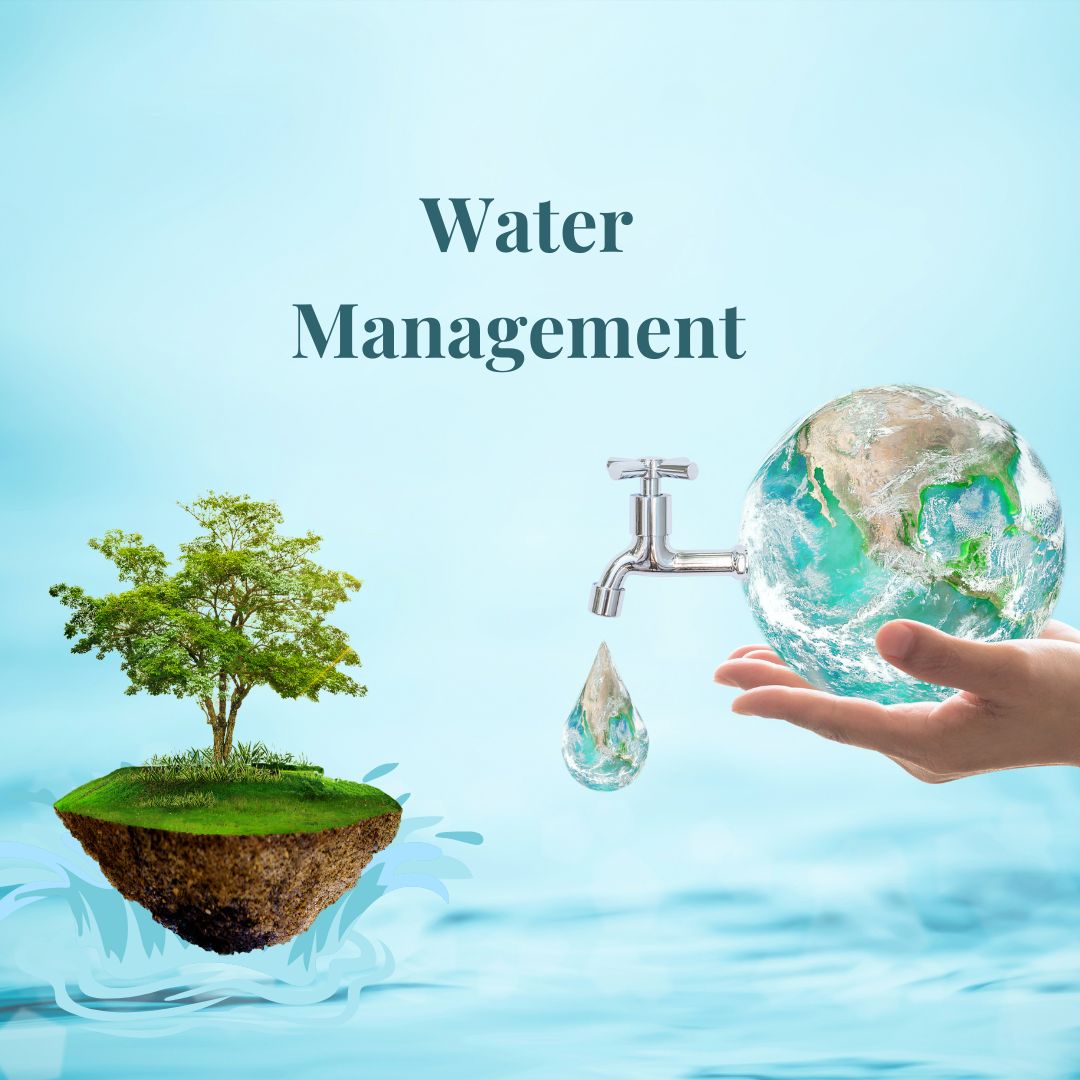
Rainwater harvesting captures and preserves rainwater to be used during periods of dry spells.
The moisture sensors of the soil allow for monitoring the moisture level of the soil, hence farmers are able to pour water at the right time. They may be used alongside agricultural sprayer machines, which will save water in pesticide and fertilizer spraying because they will prevent unnecessary loss of droplets.
Strategies of Effective Water Management:
1. Irrigation Techniques
One of the most important factors in getting efficient and effective use of water in agriculture is choosing the optimal way of irrigation.
Drip Irrigation
Drip irrigation involves water being channeled to the plant roots by a system of pipes and emitters.
This process limits the evaporation and runoff, thereby ensuring that plants receive the necessary moisture without wastage of water.
Advantages: Researches indicate that drip irrigation uses 80 percent less water than conventional sprinklers and yields higher crop yields by 10-15 percent.
Sprinkler Irrigation:
The sprinkler systems are used to sprinkle water on crops in a manner that resembles rainfall.
They can be modified according to the weather conditions and the requirements of the crops.
Pros: Sprinkler irrigation is versatile and able to be used in a variety of land types, but has a higher rate of water loss to evaporation than drip systems.
2. Rainwater Harvesting
The practice is to collect and store rainwater that can be used in agriculture, and this will minimize the reliance on groundwater and other sources of water.
Implementation: The farmers can install rain barrels or larger storage tanks to collect rainwater on rooftops or other surfaces during rainy seasons.
Impact: According to a study conducted by the International Water Management Institute, rainwater harvesting has the ability to increase the agricultural output by up to 30 percent in regions where rainfall is erratic.
3. Soil Moisture Monitoring:
The monitoring of the soil moisture level using technology aids farmers in determining the time of watering depending on the prevailing conditions.
4. Crop Selection:
Another clever trick is to cultivate drought-resistant types of crops so as to utilize the little water available.
Accuracy Agriculture Tools.
These technologies involve data and technology (including GPS and remote sensing) to optimize irrigation in various regions of a field.
Examples Benefits: The ability of the farmer to save water and maintain healthy and productive crops through timely adjustment of water schedules through real-time information.
Smart Irrigation Systems
These systems automatically regulate watering times according to the weather predictions and the level of soil moisture.
Impact: Smart irrigation can reduce water consumption by half of what it would have been with the standard approaches without affecting crop performance.
Soil Health:
Soil health is the first feature of good agriculture. Sustainable ways of taking care of the soil include minimum tillage, organic fertilizing, and growing cover crops. They also prevent erosion and encourage soil productivity.
Using less tilling or no tilling protects the soil against damage, which prevents the washing away of essential nutrients. Using manure or compost instead of chemical fertilisers adds nutrients to the soil without the harmful side effects. Cover crops help in soil erosion control and soil structure improvement, which in turn improves nutrient flow in the soil.
Use of Renewable Sources:
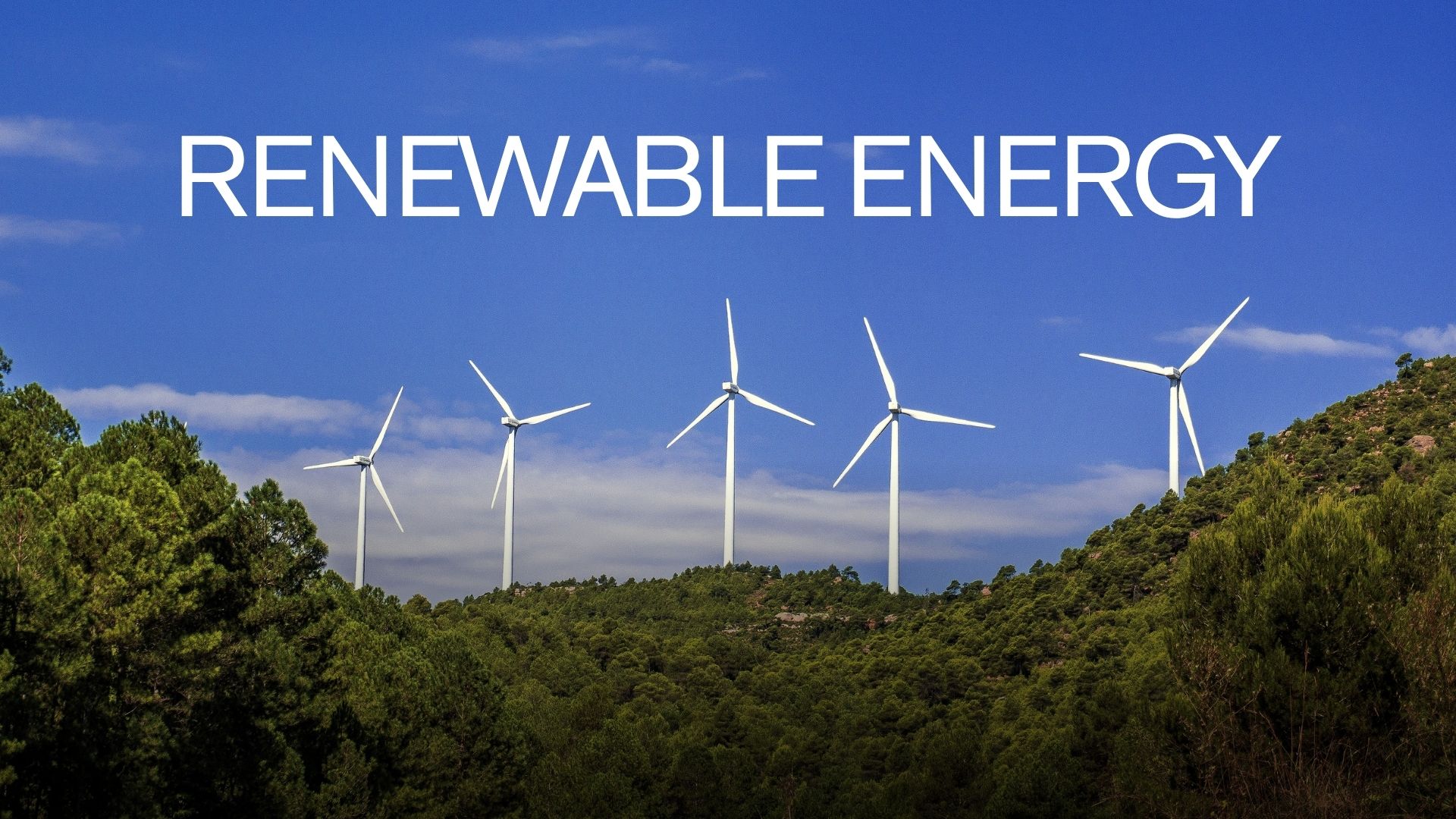
Sustainable agriculture puts more emphasis on the use of renewable sources of energy such as solar, wind, and bioenergy. These energy types help reduce the carbon footprint of farming activities such as fencing and other conduct, as well as provide farmers with autonomy in their energy consumption.
Solar panels can be used to power irrigation systems and electric fences, and wind turbines can generate electricity for use on farms. Biogas for fuel and heating is produced from bioenergy using agricultural wastes. Renewable energy in farming promotes sustainability that further results in long-term environmental and economic benefits.
Solar-Powered Irrigation Systems
How it works: Solar panels harvest sunlight and convert it into electricity to run water pumps for irrigation.
Benefits:
Cost-effective: Helps to save on electricity or diesel bills for pumping water.
Reliable: This ensures that water is always available, even in places where electricity is far from the main grid.
Eco-friendly: No greenhouse gases are produced during its usage.
Use cases: can be used with drip irrigation, sprinkler irrigation, on small and large farms.
Wind Energy for Farm Operations
How it works: Wind turbines collect and convert the wind energy into electric power that can be used to operate farm machinery, water pumps, or lighting.
Benefits:
Sustainable: Clean, renewable energy source.
Reduces fuel dependence: Diesel fuel or electricity from the grid
Operating Cost is Negligible after Installation (Long-Term Savings).
Use cases: Maximally useful in open farmland terrain where the wind is high and constant.

Leave a Reply