Imbalanced Soil pH:
In addition to nutrient absorption, soil pH affects the microbial population and the overall growth and strength of plants. Phosphorus is not the only nutrient that pH influences because these influences also occur to such beneficial nutrients as potassium, iron, zinc, and manganese. First, insect pollination, which is the transfer of pollen grains from male to female flowers by insects, is an important fertilization mechanism for most flowering plants. When again the pH favors alkalinity, micronutrients get locked in the soil, and hence there is a limited supply to plants.
For different crops, the pH requirements vary. Take corn, for instance, which grows well in slightly acidic soil, but several crops, such as alfalfa and barley, yield less production when the soil over-acidifies. Also, the pH levels can be varied from one soil layer to the other. Land management, crop production, water management measures, and types of fertilizers used influence the variations.
When the pH is altered to either side, some nutrients get stuck in the soil and are not available for plant use.
Factors Affecting Soil pH:
1. Rainfall and leaching
2. Acidic parent material
3. Organic Matter Decomposition
4. Harvesting of High-yielding crops
5. Ammonium nitrification
Soil Compaction:
Soil compaction occurs when particulates are firmly pressed together, limiting the space between the particulates, thus creating a dense soil matrix that impedes percolation of water, air passage, and root penetration.
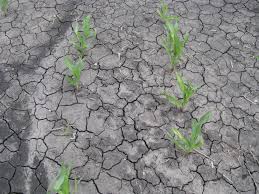
Firstly, soil compaction means that soil particles have been pressed together, and the spaces between the soil particles have been reduced. When a soil is compacted, there are fewer, bigger spaces; less overall space for air and water; and the soil is densely compacted.
Compacted soil hinders water drainage into the earth.
In compacted soil, the movement of gases like air is slowed down, causing aeration problems, and although the compacted soil is stronger, it exerts more resistance against root penetration through the soil.
The mineral component of soil comprises sand, silt, and clay particles, which are loosely interlocked in their natural state.
Spaces between the particles and clumps of soil play important roles in allowing air and water flow, root growth, and the storage of water in soil.
Sources of Soil Compaction:
Mechanical Compression: When the soil is moist, heavy machines such as tractors and harvesters exert too much pressure on its surface.
“Repetitive traffic” is a term used to describe the continuous movement of vehicles or equipment over the same areas, resulting in spatial limitation at a micro level.
Natural Processes: Excess rainwater or irrigation may make the soil too wet, leading to soil compaction as the soil loses its integrity.
Livestock Pressure: The pastures in which animals are grazing suffer soil compaction as animals walk, especially on packed streets.
Effects of soil compaction
Failure of Water Infiltration: Insufficient spaces in compact soil delay water movement to the ground, and surface water flows downwards, causing soil erosion.
Impaired Root Growth: Dense soil inhibits the growth of roots and deep penetration of roots, thus limiting the crop’s access to nutrients and reducing yield.
Reduced Aeration/Mixing of Soil Air: The trapped air slows down its movement or flow through compacted soil and can prohibit root respiration while leading to the accumulation of harmful gases such as methane.
Nutrient imbalance: Compaction can alter nutrient imbalance in a given soil, both in terms of the absorption of nutrients by plants and general soil health.
Prevention:
Deep Ripping: Deep ripping tools can be appropriate in loosening compacted layers and improving the soil structure.
Crop Rotation: Changes in crop rotation lessen the pressure on certain parts of the soil by increasing root growth and reducing soil compaction.
Cover Crops: Planting of cover crops improves organic matter in the soil, reduces compaction, and improves soil structure as it keeps the soil covered and reduces soil erosion.
Timely Operations: Performing field activities when the soil has an optimum moisture content or avoiding prolonged field traffic on wet soil can drastically minimize compaction risks.
Poor Drainage:
When the plants in your garden are weak, yellow, or not growing well after six months, then the fault is not likely to be a lack of fertilizer, but it is most likely to be a lack of oxygen. This is a widespread problem that is referred to as wet feet when the soil fails to drain well.
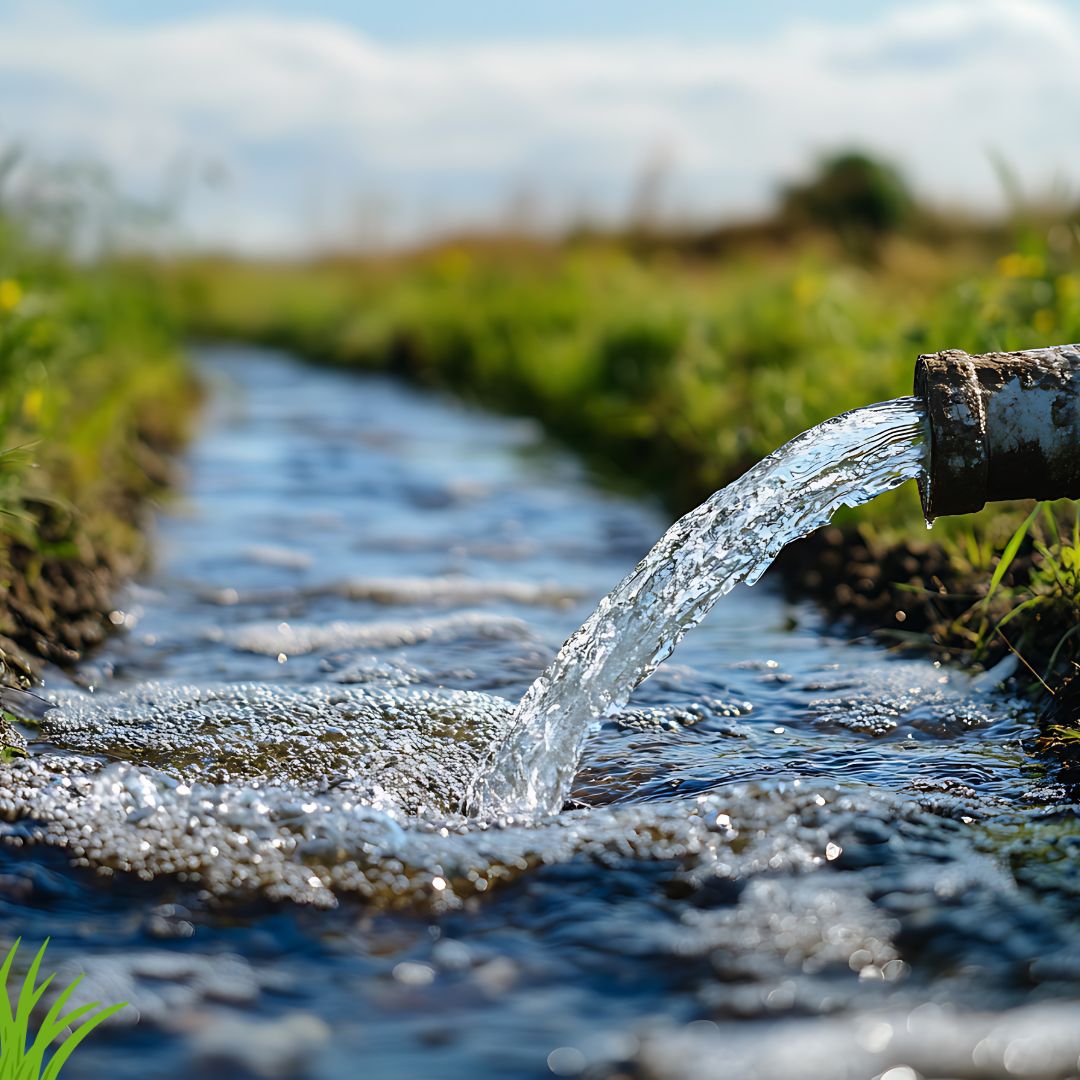
The plants in most gardens do not do well when the soil remains wet.
It may be the damp grass, water-filled garden beds, or even the swampy beds of flowers, but whatever happens, poor drainage will damage the welfare and appearance of your garden. Healthy plants, an enjoyable garden, and water damage prevention are some of the benefits of good drainage. The improvement of garden drainage can be made in various ways, but when your vegetables are already growing, the best remedy is to wait until the following year and start all over.
Liquids and air are required by the roots of plants.
When the soil remains wet over a very long period of time, the air spaces that hold oxygen are displaced by water. Roots cannot breathe as they should without oxygen, and neither can they absorb the nutrients effectively. Being damp also promotes destructive fungi and bacteria that cause root rot. Drainage can also be enhanced to achieve the appropriate balance of air and moisture in the soil, which also provides good microbes to grow and roots to get deeper and healthier.
Early detection of the poor state of drainage makes it much easier to cope with the problem.
Observe yellowing or wilting leaves despite the moistness of the topsoil, slow or retarded growth, a sour or moldy odor on the pot, and black, mushy roots when inspecting the root ball. The obvious indications of poor drainage in containers include standing water in the saucer or extremely slow drainage of water after watering. A poorly draining plant. In case you believe the plant has poor drainage, it is time to take it out of the pot carefully and examine the roots: healthy roots are firm and pale yellow, whereas damaged roots are dark brown/black and are soft and mushy.
Solutions:
- Choose the right container
- Potting mix should be well-draining.
- Use raised beds
- Add organic matter
- Install a drainage system
Lack of Organic Matter:
Soil organic matter is a component of soil that contains anything that has ever been alive. It includes parts of plants and animals that are decomposing, cells and tissues of soil organisms, and materials from plant roots and soil microbes. The final product of organic decomposition is humus, a dark brown, spongy, and porous substance with a specific, rich smell associated with soil. Organic matter constitutes less than 5 percent of most soil volumes. Soil microorganisms use organic matter as a source of energy and nutrients for their own life processes. Some of the material is incorporated into the bodies of the microbes, but the major portion is released in the form of carbon dioxide and water. Some nitrogen is released into the air, but some remains in the soil, together with most of the phosphorus and sulfur.
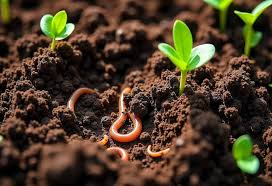
This applies to microbial and faunal breakdown of organic matter, too. The type of soil determines the amount of organic matter lost when trees have been cleared or where grassland has been tilled, but the majority of organic matter is lost within the first ten years.
What does organic matter do?
Organic matter is a key component in soil because it:
Provides soil microbes with a source of carbon and energy; holds together soil particles to prevent soil erosion; helps crops grow by improving the soil’s capacity to retain and transfer air and water; has stored/released nitrogen, phosphorus, and sulfur, which are critical to plant and soil organism growth; has cationic (positive) and anionic (negative) exchange capacities that retain nutrients; has lower bulk density and makes the soil loose and workable; makes the soil less sticky and more manageable; retains carbon from the air and other sources; helps to ameliorate the effects of pesticides, heavy metals, and other pollutants.
The soil organic matter also improves topsoil structure, reduces crusting, increases infiltration rates, reduces soil runoff, and offers less resistance to plant roots.
To increase the production of plant materials:
Irrigate
Fertilize to promote plant growth
Plant cover crops
Enhance the existing plants’ growth
Bring in plants that have a higher yield of plant material
Plant trees
Restore grasslands
To increase the supply of organic materials:
Protect the land against fires
Allow animals to graze instead of cutting plants for use
Control insect and rodent populations
Put animal manure or other waste that contains a lot of carbon
Introduce plant material from other areas
To decrease the breakdown of organic matter:
Decrease or stop tilling the soil
Keep the soil wet with water (although this may lead to other complications).
Plant cover.
Salt Buildup:
Salt accumulation is a common problem that growers encounter, more so with the soil system. This will manifest itself in white or brown/grey crystals lining the surface of soil in fields or the surface of potting mix in pots. Salt buildup is also present in hydroponic solutions and soilless growing methods. Salt buildup is dangerous to plants because it adversely affects their water uptake. Normally, plants regulate the amount of water they take in by absorbing it through the roots. However, if the water becomes overly saturated with salts, this salt solution inevitably contains fewer water molecules than those inside the plant. This makes it difficult for the plant to extract the limited water that remains in the salty water outside.
Salt has been found to have an impact on the pH of the soil or nutrient solution. The pH changes are one of the results of excess salts in acids or nutrient solutions (Johnson 262). If the pH is not in the required range, then buffering makes it difficult to adjust the pH.
Salt buildup can be alleviated through leaching, changing water source, growing medium, and fertilizers with a low salt index, supplementing calcium, or employing plants that can best cope with salt.
Leaching and water source:
In soil-based systems, salts are washed out of the soil. Pure water can dissolve the salts and carry them away, but this is rarely a practical solution in large growing areas like fields or large indoor growing facilities. Salt leaching from soil can be carried out by less saline water. This method works, but more water is required compared to using pure water.
Substrate choice:
However, in some growing media, there is naturally more salt, and these salts must be avoided to avoid the problem.
One such high-salt material can be coir, which originates from coconut fiber. To get rid of extra salt, industry experts often advocate rinsing the coir thoroughly before use. Sphagnum peat and compost from plant sources are better alternatives because they have lower levels of salt.
Low salt index fertilizers:
In their formula, many fertilizers use salts. Salt index (SI) is the measure of salts present in a fertilizer. Different brands of fertilizers have been measured and ranked according to their salt content in studies.
Salt tolerance in plants:
The plants can be different in terms of the level of salt that they can tolerate. Types of salt buildups are some of the most common problems. Salt accumulation is a common phenomenon: excessive salt in garden plants requires stronger salt-tolerant plants.
Addition of calcium:
In soils with high sodium, ameliorating the soil structure by adding gypsum (calcium sulfate) could help. Controlling soil sodium entails maintaining the most appropriate levels of soluble calcium. This means that to rectify a salty soil, sodium must be displaced by calcium, and this is done through extensive use of gypsum. Calcium has a stronger electrical charge than sodium, and when gypsum is applied, it pushes the sodium out of the soil. Irrigation then washes away the free sodium, thus restoring the physical condition of the soil.

Leave a Reply