
Do you know that there are a number of ways you can use natural products as wasp repellent?
While sitting outside on a summer day, grilling a delicious meal, you may hear a buzz over your shoulders.
That is a wasp and there are not leaving. They will make you move indoors, thus, running your perfect afternoon.
Each year, wasps take over outdoor spaces throughout th world, making it difficult for people to use outdoor spaces.
Moreover, their presence can also be dangerous.
According to the Centers for Disease Control and Prevention CDC, there were 1,109 deaths from hornets, wasps, and bee stings between 2000 to 2017, or an annual average of 63 death.
Keep on reading to learn more about wap repellents, tips, tricks, and insights on identifying common wasp species.
Types of Wasps to understand using Wasp Repellent
There are more than 30,000 species of wasps around the world, however, there are three types of you may encounter.
Let’s learn about them in detail:
Bald Faced Hornet
These are found in countries like the United States and tend to appear in late summer. They resemble yellow jackets with their black bodies and predominantly white-patterned face.
Moreover, they will build nests that cover in a papery shell and are found on trees, overhand, and shrubs.
Their nests are built at least three feet off ground, however, they can be as high as 60 feet.
Like ants, hornets are social creatures and will go after anyone or anything that enters their spaces.
Hornets have smooth stings that allow them to attack over and over again and can sting repeatedly if they feel threatened.
Appearance:
- Worker: ½’ – ⅝” long; Queen: ¾” long
- Black with a white pattern on most of the face
- Smooth body
Paper Wasp
These wasps get their name from the umbrella-shaped paper nests they build.
You can find their nests in the yards of residential homes hanging from twigs, branches, porch ceilings, and more.
Moreover, paper wasps are mostly brown with yellow markings while a few of them have red markings.
They try to feed on nectar and other pests, including spiders, caterpillars, and fliers.
It is important to note that paper wasps like to live in sheltered places which means that they will look for nesting spots in or around your house there they are not easy to detect.
Though insects are beneficial for the plant, they aid in pollination, but they are still bad news for their aggressive stinging habits.
Appearance:
- 5/8″ – 1″ long
- Brown with yellow markings, some with reddish markings
- Smooth body with long legs
- Smooth stingers that retract into their body

Yellowjackets
Yellowjackets are common in both summer and fall and feature a black and yellow banded abdomen and can be aggressive.
However, they are a little slower to sting than other wasp species.
They will still sting repeatedly if they continue to feel threatened.
Yellowjackets build nests that are surrounded by a paper-like covering made from chewed cellulose.
Their nests are found in the ground, however, they can also be in hollowed-out trees, under eaves, in attics, and in wall voids.
However, they feed on insects and sugary substances like flower nectar and fruits.
Appearance:
- Worker – ⅜”-⅝” long; Queen – ¾” long
- Alternating black and yellow bands
- Two sets of wings
- Smooth body
- Six legs
Mud Dauber
This is a common name for wasps that construct their nest of mud, while there are many species of wasps referred to as mud daubers.
These are:
- organpipe mud daubers,
- black-and-yellow mud daubers
- blue mud daubers
These wasps are black, but they may also have pale markings or a blue metallic luster.
They have a ‘thread-waisted body which means that there are long, slender segments between their thorax and abdomen, and possess clear or dark wings.
Finding their nest is the most common sign of a mud dauber infestation. If the nest has holes, it can indicate that nest is inactive or old as they create holes when they leave the nest.
Appearance:
- worker- 1/2 – 1+” (12-25+ mm)
- shape: long and slender with a thread-like waist
- 6 legs
Wasp Repellent: Natural Ways
The following are natural wasp deterrent ways you can use at home:
Blend together Essential Oils
Mix together a few drops of clove, geranium, and lemongrass essential oil to naturally repel wasps.
You can also add this essential oil blend to a spray bottle along with a few tablespoons of dish soap, fill it in a water bottle with water, and shake it.
Then spray this solution on an established wasp nest and make sure to look under porch roofs, eaves, and other ledges.
Moreover, you can also spray this mixture in any spot you see the nests in the past.
Some wasps like to build nests in the same place each year, so it is a good defense.
Use Peppermint Oil Solution
Peppermint oil is a natural and effective wasp repellent.
Take a few drops of peppermint along with a few tablespoons of dish soap and put them together in a spray bottle.
Fill the rest of the bottle with water, shake well and spray the mixture on nests or places where you may have seen the nest before.
Get rid of Unwanted Food
Before you begin killing wasps, you need to do a few things to preventing wasps from invading your space.
First and foremost is to get rid of the food scraps or crumbs that are in the area outside of your home.
It is important to note that wasps love protein, so your grill is an ideal place for them to visit.
Therefore, make sure to thoroughly clean it to keep wasps away.
Moreover, they love sugary drinks, so if your soda cans are in the yard, clean them out.

Seal the Trash Cans
Your trash cans will have old food scraps or liquid, and wasps love to eat, so they will be attracted to the trash cans if you do not seal them up.
Moreover, they may even try to make a nest near them.
Therefore, make sure to seal up your trash cans to avoid any new visitors and also include your recycling bins.
One important thing to note is the compost bins also attract wasps, so make sure to seal them as well.
Patch up Cracks
You will want to seal any cracks in your home or foundation, as these tiny creatures like to nest in cracks and hollows in the ground.
Keep these places patched up and filled to avoid wasps making nests or getting into your home.
Furthermore, pay special attention to the cracks that you may find in the edges of the house siding or where wires enter your home.
Other Wasp Repellents
Some other natural wasp repellents are:
Add Wasp-Repellent Plants
One natural wasp repellent to add plant varieties like spearmint, thyme, eucalyptus, wormwood, and citronella to your landscape.
Plant these anywhere in your home, especially where you see wasps.
Flowering plants, like marigolds, geraniums, or pennyroyals are pretty and also tend to deter wasps.
However, there are a few plants you would want to avoid as they can attract wasps. These include fennel, Queen Anne’s lace, and yarrow.
Soap and Water Solution
Another great defense agaisnt wasps is soap and water.
Get a spray bottle, add 2 tablespoons of dish soap and fill the rest of it with water.

After shaking it, spray the soap and water mixture on the next. The soap will clog the breathing pores of wasps, which causes them to die instantly.
Make a Wasp Trap
Another thing to can do to tackle the wasp problem is to build a wasp trap and the best part of this is that it uses things that you will have in hand.
- Use a knife or cutter, or a sharp pair of scissors to cut the top half of the bottle
- You can bait the trap with any food source into the bottom of the bottle
- To complete your trap, unscrew and remove the cap of the bottle and flip the top part of the bottle upside down and tuck it into the bottom portion of the bottle
- place the trap outdoors where you see wasp activity or want to prevent them
- Or you can hang them in a tree or a structure
What attracts Wasps to your Garden
Though wasps tend to migrate from every yard from time to time, the following things tend to attract them and entice them to stay:
Shelter: In the fall, male wasps die after impregnating the queen of the colony.
The queen wasps then take shelter in safe, warm, protected places where they can survive winter.
Moreover, wasps may be hanging out in your yard as they have found a safe refuge there.
Food Sources: After hibernating all winter, the queen and her workers will emerge in preparation for the summer.
After long winters, they are hungry and look for food sources. Therefore, if they can find something to eat in your yard, they will stay.
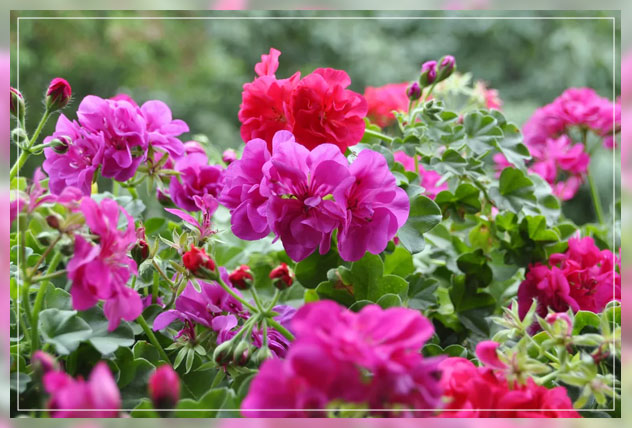
Flowers: Wasps are attracted to flowering plants.
Moreover, they enjoy the nectar of the flowers and their fragrance, and can quickly take over a garden bed.
Therefore, if you wear a strong perfume, they may also be attracted to that scent.
Food Leftovers: While wasps tend to hunt for some of their own food, they also love leftovers.
They will scavenge leftovers like meat scraps or grill drippings.
You can, however, discourage them from staying by covering the food and cleaning the spills promptly.
Sugar: During fall, wasps will begin searching for sources of sugar to get them through the winter.
Moreover, they will seek out fallen fruit from trees, soda cans, hummingbird feed, fruit juice, and anything else that is a source of sucrose.
Final Thoughts
Nothing can put a damper on a perfectly sunny day around the pool like wasps can. According to the National Pest Management Association, NPMA, there are around 4,000 different types of wasps.
These are common summertime nuisances, often active during the day before returning to their nest at dusk. However, you can use the above natural wasp-repellent techniques and tricks to get rid of them.
Some popular waps repellants use essential oils like peppermint, lemongrass, soap, and water solution, cover trash cans, and compost bins, use wasp traps, etc.

Leave a Reply