As we all know, before the beginning of every farm season, most farmers prefer to plan their potential yields. On the other hand, some farmers choose to skip planning. It is indeed true that farmers hope for the best. But they are often presented with various challenges and obstacles. Hence it requires them to question their productivity and resulting final success constantly. Therefore crop protection from animals is crucial, and it is where animal control Dubai comes into the picture.
Do you know that the most significant importance is usually given to crop protection from plant diseases, insect pests, and weeds? You must also protect your plants from unfavorable weather events such as hail or frost and other crop maintenance practices.
Whatever the challenges are well aware, the challenges are well-known. However, farmers face another exciting challenge, often forgotten about or not realized; wild animal crop protection.
Strategies To Control Wildlife On Your Farm
Animal control is crucial on the farmland. Wild animal attacks are a particular challenge for farmers throughout the world. You will find animals such as rabbits, deer, wild pigs, moles, elephants, monkeys, and many others. These cause severe damage to crops. They can damage the plants by feeding on plant parts, running over the field, and trampling over the crop fields.
Wild animals can cause considerable damage to your crop yields. It may result in financial losses for farmers in the long run. Additionally, protecting crops from wild animals requires a delicate approach. The reason being these animals are sentient beings that deserve protection from harm. Therefore, farmers must be mindful of this and take necessary precautions while managing their crops.
Pest and Animal Control Dubai Methods
It is important to note that successful long-term pest animal control on your property generally relies on cooperation with neighbors. It also involves the coordination of pest management planning and control activities.
Remember that integrated pest management often recognizes that effective, long-term control of pest animals is the best option in many situations. You can achieve it by combining several complementary control methods.
Your local government can provide you with expertise and technical support services. These services will help you choose the best control method.
Some animal control methods may include:
Physical control uses mechanical tools, equipment, and machinery to capture, exclude, or destroy pest animals.
Chemical control – it uses pesticides and insecticides to control pest animals.
Biological control uses animal-specific diseases that will help control pest animal populations or protect livestock with guardian animals.
Strategies to Protect Crops from Wild Animal
Successful farmers will always seek to determine a satisfactory wild animal crop protection level. Hence they try to use one of the following latest technologies:
1 Agricultural fences
Fencing is a commonly used method to keep wild animals at bay and boasts a long lifespan. Agricultural fences are highly effective in safeguarding crops against wildlife. Nevertheless, the use of fences may be subject to regulation in certain areas. Local and state authorities may impose limitations or prohibitions on using specific types of fences. It is crucial to consult local laws and regulations before selecting a suitable fence for crop protection.
The durability and effectiveness of a fence rely on its construction and material. Permanent fences can last up to 30 years, depending on their design and composition. Farmers commonly use the following fence types:
Wire fences
You can create metal wire fences by weaving metal wires together, which will help create a durable physical barrier. While these fences are highly effective, they require minimal maintenance. At the same time, they can be pretty costly. Therefore, experts recommend such fences only for safeguarding high-value crops.
Plastic fences
Compared to other fences, polypropylene fences are typically more affordable, straightforward to install and repair, and widely recognized as meeting various regulatory requirements. However, these fences come with the disadvantage of having a limited lifespan of up to 10 years. They may be less effective in areas with a higher likelihood of wild animal crop damage.
Electric fences
Electric fences are designed to deliver a mild electric shock to animals. It happens when they come into contact with them. The method effectively deterred them from crossing the fence and causing harm to crops.
These fences are durable and serve as an effective crop protection measure. But their costs vary depending on the fence’s size and specific type. You must verify whether electric fences are permitted in the intended area. You should also check whether they pose any threat to endangered animal species. Additionally, marking the fence with warning signs is advisable to minimize the likelihood of human contact.
2 Natural Repellents
Even today, some farmers prefer using natural resources over mechanical or chemical protective practices. There are various ways for the same as it minimizes crop loss from wild animals. They include:
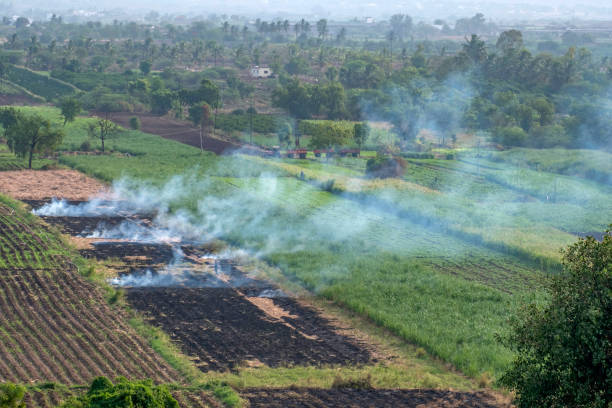
- Smoke – in some areas, farmers burn elephant dung or other materials that smolder. Thus creating heavy smoke.
- Fish or garlic – these are natural emulsions that repel rabbits and deer.
- Beehive fencing – do you know that the sound of honey bees repels elephants? This practice is beneficial as it serves as an extra source of income for the farmers.
- Chili peppers – The chemical capsaicin makes chili peppers hot. It is an excellent repellent against monkeys, elephants, squirrels, and some other wild animals. Note that farmers who plant chili peppers can also benefit from an extra source of income.
- Lavender, peas, soybean, and beans – are excellent repellents against rabbits. They also form an extra source of income for farmers.
- Egg-based repellent – they are a homemade repellent against deer.
- Castor oil – a natural repellent that will keep away burrowing animals such as moles.
- Chemical repellents – which include active substances like several chemicals. Farmers use them to keep wild animals away from crops.
3 Biophysical Barriers
Similar to traditional fences but made of natural, easily renewable materials. Farmers use bamboo sticks, coconut tree bunches, or other available shrubs to control animals. These are low-cost practices but also low efficiency – in protecting crops against wild animals.
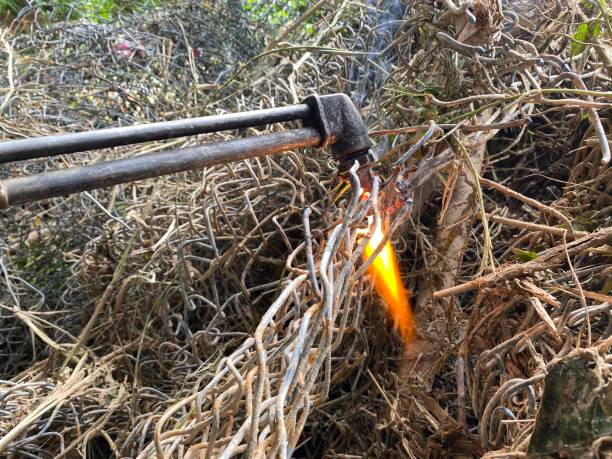
Biophysical barriers are a physical method for animal control in farmlands. These barriers involve using natural materials, such as plants or rocks, to create a physical barrier that deters animals from accessing crops. Examples of biophysical barriers include thorny hedges, ditches, and mounds of rocks.
These barriers create an obstacle that animals are reluctant to cross, thus reducing crop damage and loss. Biophysical barriers are eco-friendly, sustainable, and often cheaper than other animal control methods. Additionally, they have the added benefit of enhancing soil quality and providing habitat for beneficial insects and wildlife. However, they require regular maintenance to remain effective.
4 Electronic Repellents
Farmers have two options for electronic repellents that are both effective, long-lasting, and environmentally friendly. These methods work to repel animals without causing harm to them.
1 Farmers use ultrasonic electronic repellents, which are silent to humans. These high-frequency sound waves repel wild animals.
2 Farmers also use sonic electronic repellents with loud audible noises that scare animals.
Electronic repellents are a popular and humane method for animal control on farmlands. They are env friendly and help reduce crop damage and loss. One type of electronic repellent is ultrasonic repellent, which emits high-frequency sounds that deter animals from approaching crops.
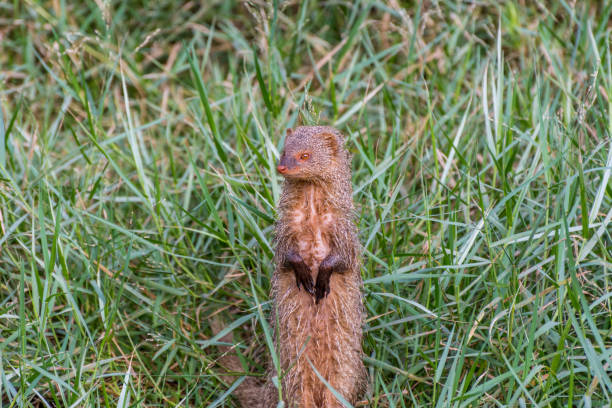
Another type is flashing light repellents, which use strobe lights that flash intermittently to scare animals away. These electronic repellents are effective, long-lasting, and require minimal maintenance.
They are also safer and more eco-friendly than traditional methods such as chemical repellents, traps, and fences. Additionally, electronic repellents provide farmers with a cost-effective and sustainable solution for animal control.
Quality Wild Animal Crop Protection Secures the Yield
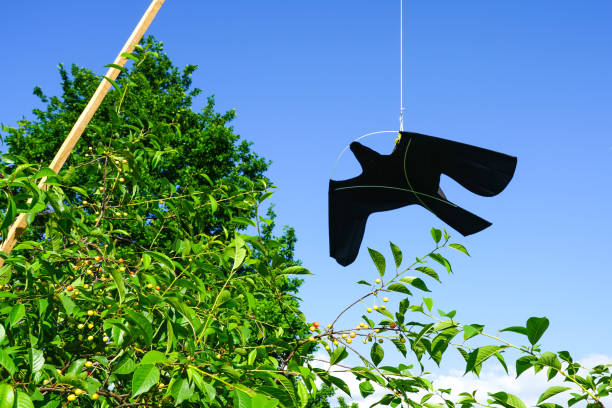
In addition to the tactics mentioned earlier, farmers also employ different methods. These include scarecrows, firecrackers, bright lights, fire, beating drums, and dogs to deter pests. However, the most influential farmers take further steps to safeguard their crops by regularly monitoring their fields. Vigilant observation remains the optimal way to ensure that all aspects of crop management proceed according to plan.
Some farmers employ various crop protection methods to achieve the utmost crop protection. Additionally, modern agricultural technology researchers are developing novel tech solutions. These include using cameras, computers, and robots to safeguard crops against wildlife.
While awaiting the availability of advanced technology, farmers can do their part by implementing some of the abovementioned strategies to shield their crops.
To achieve the utmost crop protection, some farmers employ a combination of various crop protection methods. Additionally, modern agricultural technology researchers are developing novel tech solutions. These include the use of cameras, computers, and robots to safeguard crops against wildlife.
While awaiting the availability of advanced technology, farmers can do their part by implementing some of the strategies discussed above to shield their crops.
Today farmers are also using different crop production alarms to track wild animals as part of animal control. Reduced crop yield can be attributed to pest and disease infestations. Fortunately, most modern farm management systems employ pattern recognition algorithms. These algorithms help identify weather forecasts that align with optimal pest and disease proliferation conditions.
Once a match is detected, the system generates an alarm, which notifies farmers of the potential infection. With the help of today’s intelligent pest alarms, farmers can act promptly and implement protective measures to prevent crop damage. If you want to learn more about today’s intelligent pest alarms, you can look for the one that suits your animal control needs for your farmland.
In Summary
Effective animal control is crucial for protecting crops and ensuring a successful harvest. While traditional methods such as fences and chemical repellents can be effective, they can also be expensive, harmful to the environment and non-target species. However, newer methods such as electronic repellents and biophysical barriers offer farmers cost-effective, sustainable and eco-friendly solutions.
Note that these methods deter animals from crops without causing them harm. Farmers can choose various techniques based on their needs and crop types. Ultimately, using humane and environmentally friendly methods for animal control Dubai can help farmers protect their livelihoods while preserving the natural ecosystem.
Read related topics on seeds and plants, outdoor plants UAE, plant nursery in Dubai, manual irrigation, tropical fruits, drip irrigation, ground water, sprinkler system, cruciferous vegetables, plant nursery, water sprinkler, vegetable farm. You can also read about sprinkler irrigation, types of farming, types of organic farming, pest control services, pest control UAE, soil texture, silt soil, and more.



Leave a Reply