
Crops Suitable for Silt Soil and How to Improve Its Fertility
Silt soil is one of the most fertile soil types, prized by farmers for its balanced water retention and nutrient availability. It consists of medium-sized particles that fall between sand and clay, giving it a smooth, floury texture when dry and a slippery feel when wet. This unique composition means silt soil holds moisture better than sandy soil yet offers more aeration than clay, making nutrients readily available to plants. However, silt soil also presents challenges – it can compact easily and is highly susceptible to erosion by wind and water. In this comprehensive guide, we’ll explore the properties of silt soil, its advantages and drawbacks, and delve into the crops that thrive in it. We’ll also provide agricultural best practices for managing silt soil fertility, including erosion control, drainage improvements, and soil amendments, all tailored for a Gulf-region audience. By understanding and improving silt soil, Gulf farmers and gardeners can harness its high fertility for abundant crop yields.
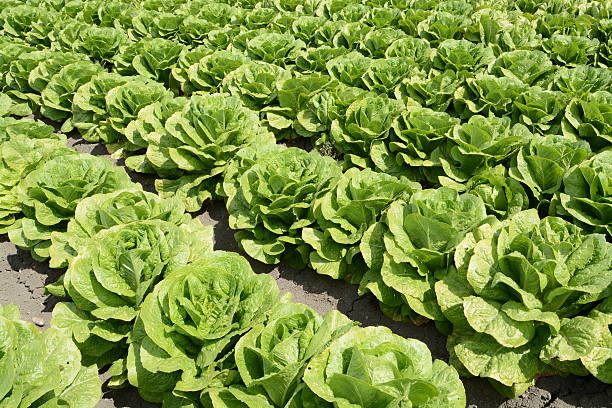
 Figure: A field with silty soil – smooth in texture and dark in color, indicating high fertility.
Understanding Silt Soil Characteristics
What Is Silt Soil?
Silt is defined by particle size – its grains range from about 0.002 mm up to 0.05 mm in diameter. These particles are smaller than sand but larger than clay, placing silt in the middle of the soil texture spectrum. Silt forms when rock (often quartz and feldspar) is weathered and eroded by wind or water into fine dust-like material. It often accumulates in river deltas, floodplains, and lakebeds as sediment. In fact, pure silt soils in nature are rare – they’re usually found mixed with sand or clay, or deposited in layers by flowing water.
Silt soil is lightweight and powdery when dry, and it can be identified by its silky or soapy feel. If you rub dry silt soil between your fingers, it feels very smooth (much like talcum powder). When moistened, silt soil feels slick and can be molded into a loose ball that will crumble if touched, unlike clay which holds its shape firmly. Silt particles are roughly spherical, whereas clay particles are plate-like and sand particles are angular. This shape difference gives silt soil better aeration than clay – air and water can move between the grains more readily – yet silt still retains moisture and nutrients effectively by comparison to sand.
In terms of color, silt soils can range from beige and brown to dark gray or black, often reflecting a high organic matter or mineral content. They typically have a high mineral makeup (commonly rich in quartz), which contributes to their fertility. Pure silt by itself lacks strong structure, so in gardening it’s often recommended to blend silty soil with other types or with organic matter to improve its cohesiveness and water-holding capacity. When silt soil is found in nature (for example, in river valleys), it usually has great depth with few rocks, and this deep profile can store a lot of plant-accessible water and nutrients. These qualities are a big reason why silty floodplain soils are famously productive in agriculture.
Advantages of Silt Soil
High Fertility: Silt soil is often considered one of the most fertile soil types. Thanks to its medium particle size and typically high nutrient content, silt can hold onto plant nutrients better than coarse sandy soil. It also contains ample minerals from its parent rock. In fact, agricultural history owes much to silty soils – for example, the Fertile Crescent in the Middle East (between the Tigris and Euphrates rivers) had rich silty loams deposited by river floods, which enabled some of the earliest crop cultivation. Gardeners and farmers find that silty soil supports a wide variety of crops due to its nutrient availability.
Water Retention (without Waterlogging): Another advantage of silt soil is its ability to retain moisture for plant use, yet generally drain better than clay. The intermediate texture of silt means it holds more water than sandy soil but doesn’t stay overly saturated like heavy clay. This balanced moisture capacity creates a favorable environment for plant roots – they have access to water for a longer period after irrigation or rain, reducing the frequency of watering needed in many cases. Silt’s water-holding capacity, combined with its fertility, often results in vigorous plant growth if managed well. Notably, silty soil’s moisture retention is high but *not* extreme – it retains moisture without typically becoming water-logged, as long as the ground is not completely flat or compacted.
Easy to Work: In a proper condition (not too wet or too dry), silt soil has a soft, pliable consistency that is easier to till and shovel than sticky clay. It crumbles readily when dry and can be smoothed out nicely for seed beds. Many gardeners describe silty loam as a joy to work with – it’s “silky” or “buttery” to the touch and doesn’t form hard clods. When slightly moist, it can be shaped into a ball that falls apart with slight pressure, indicating a good friable structure. Because of this workability, preparing fields or gardens in silty areas can be faster and require less force than on heavy clay ground. Plant roots also penetrate silty soil with relative ease, accessing nutrients and anchorage without the impediment of rock-hard lumps.
Challenges of Silt Soil
Despite its many benefits, silt soil comes with some important challenges that Gulf-region farmers and gardeners must address:
- Erosion Prone: Fine silt particles can be picked up and transported easily by wind and water. Silt soil, especially if left bare of vegetation, is highly susceptible to erosion during heavy rains or sandstorms. Running water can quickly wash silty topsoil off fields, and wind can blow dry silty dust into the air. This erosion not only strips away fertile topsoil but can also cause sediment buildup in waterways. In fact, silt’s tendency to be moved by flowing water is why it accumulates in river deltas. Gardeners in the Gulf who experience occasional heavy downpours must be vigilant, as unprotected silty soil can be washed away or form gullies. Proper erosion control measures (discussed later) are necessary to keep silty soil in place.
- Compaction and Crusting: Silt soil packs together more tightly than sand. When exposed to pressure (like foot traffic or heavy machinery) or when repeatedly wetted and dried, silty soil can compact into a dense layer. Compaction reduces pore space for air and water, harming root growth. Additionally, silty soils have a greater tendency than other types to form a surface crust when they dry out. This crust can be hard and can impede seedling emergence and water infiltration. In arid Gulf climates, intense sun can bake the moist silty topsoil into a thin crust once it dries. Avoiding unnecessary tillage and protecting the soil surface with mulch or cover crops can mitigate crust formation.
- Drainage Issues in Low Areas: Although silt drains better than clay, pure silt soil can still have moderate to poor infiltration, especially if compacted or if it has a high clay fraction. Water may puddle on silty soil surfaces during heavy rainfall if the structure is degraded. In flat fields or gardens with silty soil, you might observe slow runoff or temporary waterlogging because the medium-sized pores in silt can only drain so fast. Proper grading and possibly adding coarse material can help improve drainage. In the Gulf region, where irrigation is heavily used, over-watering silty soil (for example, with flood irrigation) can lead to perched water and root-zone saturation. Thus, good irrigation management is important for silt-rich soils to prevent waterlogging or salt accumulation.
- Nutrient Leaching (relative to clay): While silt holds nutrients better than sand, it doesn’t have as high a cation-exchange capacity as clay. This means extremely silty soil (with little clay or organic matter) might not bind nutrients quite as tenaciously as a clay loam. Some agronomists note that silty soils, if over-irrigated, can lose soluble nutrients (like nitrates) more readily than clay soils which hold nutrients tightly. Ensuring plenty of organic matter in silty soil can improve nutrient retention. Regular soil tests and mindful fertilization are advisable to avoid nutrient runoff, especially since erosion can carry away nutrient-rich silt and contribute to water pollution.
Comparing Silt, Sand, and Clay Soils
It’s helpful to understand how silt soil stacks up against the other primary soil types – sandy and clayey soils – in terms of properties and crop suitability. The table below summarizes key differences:
| Soil Type | Texture & Properties | Suitable Crops |
|---|---|---|
| Sandy Soil | Coarse, gritty texture with large particles. Drains very quickly and holds little water or nutrients. Warms up fast in spring but dries out in hot weather. Tends to be low in organic matter and often slightly acidic. | Best for crops that prefer good drainage and are tolerant of drier, low-nutrient conditions. Examples: root vegetables like carrots and radishes (which grow straight in loose sand), melons and tomatoes (with careful fertilization), herbs such as rosemary and thyme, and some flowering bulbs (e.g. tulips). Drought-tolerant trees and shrubs (palms, yucca) also manage well in sandy soil. |
| Silt Soil | Medium, floury texture; smooth to the touch. Retains water and nutrients better than sand, but drains more readily than clay. Very fertile and easy to cultivate when properly managed. Prone to erosion and compaction if not protected. | Suitable for a wide array of plants due to its fertility and moisture balance. Examples: leafy vegetables (lettuce, spinach), pulses and grains (peas, wheat, rice in flooded conditions), root and tuber crops (potatoes, beets), and many fruit trees. Ornamental plants like roses, hostas, and geraniums thrive in silty soil. Moisture-loving trees (willow, cypress) and perennials that need rich soil do especially well. |
| Clay Soil | Fine, sticky texture; clumps and holds shape when molded. Drains very slowly and can waterlog; holds nutrients tightly. Stays cooler and wet longer in spring; hard and cracked when dry. Often alkaline. Difficult to work and easily compacted. | Favored by crops that appreciate constant moisture and firm anchorage. Examples: rice (thrives in waterlogged paddy fields), leafy greens like cabbage and broccoli (clay’s nutrient retention supports heavy feeders), pasture grasses and legumes (for hay or grazing), and certain fruit trees or shrubs that can handle heavier soil (e.g. apples, plums, viburnum). Many ornamental perennials (daylilies, asters, iris) can adapt to clay with proper care. Raised beds are often used for vegetables on clay soils to improve drainage. |
| Loamy Soil | Balanced mixture of sand, silt, and clay – often considered “ideal” soil. Has a soft, crumbly texture with good structure. Retains moisture and nutrients yet drains well; warms moderately fast and doesn’t crust heavily. Dark and rich in organic content typically. | Loam can support almost any crop, making it highly versatile. Examples: most vegetable crops (from root crops to salad greens), fruit trees and berry bushes, cereal crops, and ornamental plants all flourish in loamy soil. Because loam combines the benefits of all three textures, it’s often the target soil type that gardeners and farmers try to achieve through soil improvement practices. If you’re starting a vegetable farm, loamy beds will generally give the best results for diverse crops. |
*Note:* Other soil types like peaty soil (high in organic matter) or chalky soil (high calcium carbonate, alkaline) exist as well, but the comparison above focuses on the three mineral textures plus the loam mix. Silt loam is essentially a loamy soil dominated by silt and is often excellent for farming.
Crops Suitable for Silt Soil
Thanks to its fertility and moisture-handling capacity, silt soil can support an expansive range of crops. Historically, regions with silty floodplain soils became agricultural heartlands – for example, Egypt’s Nile delta and Mesopotamia’s plains thrived on silty loams. For Gulf-region farmers who might be dealing with silty alluvial soils (for instance, in river oases or wadi floodplains), there are many options for cultivation. Below we break down the categories of crops, plants, and even commercial applications that are particularly well-suited to silt soil.
Field Crops and Grains
Silt soils in river valleys are famous for producing high yields of staple crops. Their depth and nutrient content allow plants to develop extensive root systems and access plenty of water. Common field crops that do very well in silty ground include:
- Cereals: Wheat, barley, maize (corn), and millet all benefit from silt soil’s fertility. In heavier silty areas with some clay (silt loams), farmers can grow grain crops with excellent results and minimal fertility limitations. These crops appreciate the available moisture during the growing season, and silt soils provide that without becoming waterlogged (as long as drainage is adequate). Gulf countries like Iraq (with the Tigris-Euphrates silt plains) traditionally grew abundant wheat and barley on such soils.
- Rice: Where water is plentiful, rice is an ideal crop for silty clay loams or silty clays. Rice paddies require soil that holds water – silty soils with some clay are perfect for this. Southern Iraq and parts of Iran historically cultivated rice in silty floodplains. Pure silt can be a bit unstable under flooded conditions, but a mix of silt and clay provides both fertility and water retention. If you have lower-lying silty fields and can ensure controlled flooding, rice farming could be a viable commercial venture.
- Root and Tuber Crops: Silty soils support large root crops like potatoes, sweet potatoes, carrots, turnips, and beets. Potatoes and sugar beets in particular are noted to yield highly on silty loams. The softness of silty earth allows tubers and roots to expand freely. In the Gulf, where pivot irrigation is used, some farms on silty flats grow potatoes and other root crops for market. Just be mindful of rotating crops to maintain soil structure and using cover crops to prevent erosion after harvest.
- Legumes: Crops such as lentils, chickpeas, beans, and peas do well in silty soil which provides a good balance of drainage and moisture. For example, vining peas and fava beans can thrive on silty clay loam with high yields. These crops also help add nitrogen to the soil (through nitrogen-fixing bacteria on their roots), benefiting subsequent crops. In a Gulf context, winter-grown chickpeas or lentils could prosper in silty fields if temperatures are moderated and irrigation is available.
- Forage Crops: Many types of grasses and forage plants flourish on silt soils – for instance, alfalfa (lucerne) and clover for hay or grazing. These deep-rooted perennials take advantage of the moisture-holding capacity of silty soil. In areas that flood periodically, a common practice is to maintain permanent grass pasture. The rich silt deposits provide nutrients for lush growth, and grasses help hold the soil together (a natural erosion control!). In the Gulf, Rhodes grass and other forage grasses have been grown on silty loam soils under irrigation to produce livestock feed, though water use is a consideration.
Vegetables and Herbs
Home gardeners and commercial vegetable growers alike appreciate silty soil because it can produce tender, high-quality vegetables. Many vegetables have relatively shallow root systems and high nutrient demands – conditions that silty soil meets quite well. Here are some vegetable and culinary herb categories ideal for silt:
- Leafy Greens: Lettuce, spinach, kale, Swiss chard, and other salad greens prefer fertile, moist, well-drained soil. Silt soil’s ability to hold moisture without waterlogging is perfect for these crops, which need consistent moisture and rich soil. In a silty garden bed, you can succession-plant lettuce and other greens for continuous harvest. Just be sure to keep the soil surface mulched or shaded in hot Gulf summers to prevent crusting and overheating of the root zone.
- Fruit Vegetables: Tomatoes, peppers, eggplants, cucumbers, and squash all do well in silty soil, provided it’s well-drained and sunny. These heavy-feeding annuals will appreciate the nutrient availability. For example, tomatoes grown in silty loam can develop extensive root systems that support large vines and heavy fruit sets. One caveat in the Gulf region is to manage irrigation carefully – using drip irrigation is advisable to deliver water to these crops without causing runoff or wetting bare soil (which can lead to erosion or disease). Trellised cucumbers or melons can benefit from the moisture retention of silt soil, leading to juicy fruits.
- Bulbs and Root Vegetables: Onions, garlic, carrots, radishes, and beets thrive in silt soils. Carrots and other taproots grow straight and uniform in the loose, fine earth. Onions and garlic develop large bulbs when the soil fertility is high – exactly the case with silt. Keep in mind that some root crops, like carrots, don’t like compacted layers; ensure your silty plot is deeply dug and enriched with organic matter so roots can penetrate. Gulf gardeners might plant radishes and carrots in the cooler months; silty soil will allow quick growth and easy pulling at harvest.
- Cruciferous Vegetables: Cabbage, cauliflower, broccoli, and other brassicas prefer firm, moisture-retentive soil rich in nutrients. Silty soil fits the bill, especially if slightly compact (brassicas actually do well in soil that’s not overly loose). Commercial farmers often grow cole crops on silty or clay-loam fields to get large heads and high yields. These crops also enjoy the calcium that might be present in alluvial silt. If clubroot disease is a concern (it can be in brassicas when drainage is poor), ensure your silty soil is well-drained and consider raising the pH with lime.
- Herbs: Not all herbs like rich soil, but many culinary herbs do perform well in silt, especially annual ones. Parsley, cilantro (coriander), dill, and basil, for example, appreciate the moisture and nutrients. They will grow lush and produce lots of foliage in silty conditions. On the other hand, Mediterranean woody herbs (like rosemary, thyme, lavender) prefer sandier, drier soil – those might need a rockier or sand-amended spot even if you have silt elsewhere. Mint is an herb that absolutely loves silty, damp soil – just be careful as it can spread aggressively when happy!
Fruit Trees and Shrubs
Many fruit-bearing trees and shrubs develop best on deep, fertile soils where their roots can explore and find steady moisture. Silt soils provide an excellent foundation for orchards and fruit gardens. Some notable examples include:
- Date Palm: The iconic date palm of the Gulf region can tolerate a range of soils (including sandy oases), but it achieves best growth and fruit production in deep loamy or silty soils with good moisture. In places like Al-Hasa oasis (KSA) or parts of the UAE, date palms benefit from silty alluvial deposits coupled with abundant irrigation. Silt soil provides both the anchorage for these tall trees and the water retention to sustain their high water needs. Just ensure drainage is adequate because date palms do not like their roots submerged for long periods – slight mounding or subsurface drainage can help on pure silt. With proper management, a date plantation on silty soil can be extremely productive, yielding large clusters of sweet dates each year.
- Citrus Trees: Oranges, lemons, limes, and grapefruit prefer well-drained, fertile soils. In the Gulf, citrus are often grown in slightly sandy loams to avoid root rot. However, if the silt soil is well-draining (perhaps a silt loam with some sand), citrus trees will flourish thanks to the nutrient-rich environment. Silty soil will hold the frequent irrigations that citrus need during hot weather while providing ample nutrients for fruit development. Be cautious of salt buildup in irrigated silty soils – citrus are moderately salt-sensitive, so regular leaching of the soil (applying extra water to flush salts) or gypsum amendments might be needed if using saline water sources.
- Other Fruit Trees: Deciduous fruit trees like apples, pears, peaches, and plums do very well in silty loams. These trees enjoy deep soils; for instance, apple orchards on silty sites often show vigorous tree growth and high yields of fruit. The main concern is to avoid any water stagnation around the root zone (good orchard design with slight slope or drain lines can solve that). In the Gulf, stone fruits (peaches, apricots) need winter chill which only some high-altitude areas have, but figs and pomegranates are fruiting trees that can handle heat and would love silty soil with sufficient watering. Pomegranate, in particular, is quite tolerant and will reward you with more lush growth and fruit in richer soil.
- Berries and Vines: Small fruiting plants like strawberries and blackberries prefer loamy, organic soils, but they can also be grown in silty soil with care to add compost. Grapevines, which have deep roots, thrive in well-drained silty loams; too much clay would stress them, and too much sand would require constant feeding, so silt is a good middle ground. In parts of the Middle East, grapes are traditionally grown on silty terraces. If you attempt grapes or berries in the Gulf, consider that they may need protection from extreme sun – but the soil itself will support them nutrient-wise if it’s silty and enriched with humus.
- Landscape Shrubs: Ornamental shrubs that appreciate rich soil (like roses, hibiscus, and hydrangeas) are very much at home in silt. Roses, for example, often are said to prefer a heavier soil over pure sand – silty soil provides the heft and fertility they like, without the extreme heaviness of clay. In the original article, several shrubs were noted for thriving in silty ground: butterfly bush (Buddleja) adapts to wet or dry conditions and can grow invasively fast in silt, Japanese barberry and smoke tree are other landscape shrubs that do well. In Gulf landscaping, many exotic shrubs can be grown if the soil is improved; for instance, oleander and bougainvillea will grow in almost any soil but will be extra vigorous in silty loam with plenty of nutrients.
 Figure: Flowering plants thriving in a silty soil bed. Silty soils support a diverse array of ornamental species when enriched with organic matter.
Flowers and Ornamental Plants
Gardeners with silty soil often rave about how many different flowers they can grow. The fertility and texture of silt allows for robust flower beds. Some ornamentals that particularly enjoy silty conditions include:
- Perennials for Damp Soil: Species that like a consistent supply of moisture (not waterlogged, but never bone-dry) do well. For example, the Japanese iris and yellow flag iris (Iris pseudacorus) thrive on the edges of ponds or streams in silty mud. Swamp milkweed (Asclepias incarnata) is another moisture-loving perennial that will flourish in silty soil in a wet spot. Gulf gardeners can use these in water features or wetland gardens. Likewise, hostas are shade perennials known to love damp, rich silt – they develop large lush foliage when planted in silty soil with partial shade.
- Perennial Borders: Many classic border perennials appreciate silty loam: hardy geraniums (cranesbills), daylilies, rudbeckia, coneflowers, and asters will all perform well. In the original list, hardy geraniums were highlighted as thriving in silty gardens with good drainage. These plants typically want decent moisture and nutrients but not waterlogged roots, exactly what silty soil provides. Just remember to add compost occasionally to maintain soil structure and feed the heavy bloomers.
- Roses: Roses were specifically pointed out as suitable for silt soil. Many rosarians say a clay-silt loam is ideal for roses, as it holds the water and nutrients roses need for continuous flowering. In silt soil, roses like the Polar Ice, Hedgehog rose (Rosa rugosa), or Lady Banks rose can develop strong root systems and produce abundant blooms. In the Gulf, growing roses requires managing the heat and providing water – silty soil will help by holding that moisture longer around the roots and supplying ample nutrients (especially if manure or organic fertilizer is worked in). Raised beds with silty loam soil could be a strategy for rose gardens in places like the UAE, coupled with drip irrigation.
- Bulbs: Bulb flowers such as daffodils, crocuses, tulips, and snowdrops prefer well-drained yet reasonably moist soil when in growth. Silt soil, being fine-textured, must be well-drained for bulbs to avoid rot – typically silt loam is great, pure silt that stays soggy could harm bulbs. However, assuming drainage is handled, bulbs will thrive and naturalize in silty soil. The original article noted that snowdrops, crocuses, daffodils, and snowflakes all grow well in the same type of soil (referring to silty soil) and bloom at different times. If you have a silty garden patch under deciduous trees (which is common near riverbanks), that could be perfect for planting spring bulbs – they’ll enjoy the winter-spring moisture and go dormant by the time the soil dries more in summer.
- Native Desert Flowers (with amendments): Interestingly, silty soils can be too rich for some native Gulf desert flowers that are adapted to sand and low nutrients. But if you’re creating a lush ornamental garden in the Gulf, you’re likely irrigating and adding compost anyway. Many exotic flowers can be grown in silty soil here as long as climate requirements are met. For instance, hibiscus shrubs (tropical hibiscus) love rich silty soil plus regular water – they’ll reward you with large blooms. Just ensure they get sun and monitor for pests. Another Gulf favorite, the Flame Tree (Delonix regia), was mentioned to prefer free-draining loamy or sandy soil with organic matter, which implies it wouldn’t want a heavy clay – a silty loam would likely suit it fine because it drains yet holds fertility. Always consider the water needs of ornamentals in the Gulf’s hot climate; silty soil helps by retaining moisture but mulching is still recommended to reduce evaporation.
Commercial and Other Applications
Beyond typical food crops and ornamentals, silt soil has some specialized uses worth mentioning:
- Paddy Fields and Aquaculture: As noted, silty areas that flood can be used for rice paddies. In Southeast Iraq and parts of Iran, silty clay soils are intentionally flooded to grow rice. After the growing season, those same fields (once drained) can be used to graze animals on the stubble, effectively utilizing the land year-round. Additionally, some innovative Gulf projects look at aquaculture integrated with agriculture – e.g., using silty soils to grow fish food crops or even as pond liners. The fine texture of silt can help seal ponds (when saturated, it’s somewhat impermeable like a clay). Farmers might use on-farm silt deposits to line irrigation ponds or fish ponds.
- Nursery Production: In plant nurseries, a common practice is to use loam or sandy loam topsoil mixed with compost for raising young plants. Pure silt is usually too dense in containers, but for field nurseries (growing saplings in ground) silt soil is excellent. A plant nursery on silty soil will have the advantage of nutrient-rich beds that promote strong seedling growth. However, nursery managers must be careful about watering practices to avoid damping-off diseases that can occur in fine soils – proper drainage and perhaps some sand incorporation in seed beds can help. Silt soil’s softness makes lifting young trees and shrubs easier on the roots (less breakage) when they are dug for sale, which is a plus for commercial nurseries.
- Construction and Soil Improvement: Though not directly a “crop,” it’s worth noting that silt soils are sometimes moved and used in landscape construction because of their fertile nature. For example, silty topsoil from river dredging might be spread on parks or new housing developments to create fertile lawns and gardens. Companies in the Gulf involved in large-scale landscape projects value silt loam topsoil (often selling it as “sweet soil” or similar). If you have silt soil on your property, it’s essentially a valuable resource. Just be cautious: when dry, uncompacted silt can behave almost like dust or powder – it’s not stable for building foundations. Engineers classify silt as having lower bearing capacity, so for building pads they might actually strip off rich silty topsoil and replace with more stable material. But for farming and landscaping, that rich topsoil is exactly what you want to keep and improve.
- Flood Mitigation Crops: In areas prone to periodic flooding, farmers often choose crops that can handle or even benefit from silty conditions. For instance, some biomass crops like kenaf or certain grasses can be planted in flood-prone silt flats to hold the soil and then be harvested for fiber or fuel. These aren’t common in Gulf states currently, but as sustainability initiatives grow, using silty soil to grow biofuel crops could be explored. The advantage is those crops would capture nutrients from the silt (preventing them from leaching into waterways) and turn it into usable biomass.
Overall, almost any crop *can* be grown in silt soil given the right management, because by augmenting silt with organic matter and ensuring decent drainage, you essentially get a loam – the gardener’s and farmer’s ideal soil. The Gulf region’s challenge is more about climate (heat, water scarcity) than soil in many cases. If you are fortunate enough to have a silty soil farm in an otherwise sandy region, you should capitalize on it by planting high-value crops and using sustainable practices to maintain that soil’s health.
 Figure: An example of erosion control on silty soil – cover crops and slight terracing help keep the fertile silt in place during heavy rains.
Improving Silt Soil Fertility and Management
Gulf region farmers dealing with silt soil should adopt specific soil management practices to address the challenges we discussed. By improving soil structure, preventing erosion, and maintaining nutrients, you can significantly boost the long-term fertility of silty ground. Below are key techniques and tips for managing silt soil in an agricultural or garden setting:
Erosion Control Strategies
Given silt soil’s high erodibility, controlling erosion is paramount. The goal is to keep the soil covered and minimize the force of water or wind directly on the soil surface:
- Cover Crops and Green Manures: Planting cover crops during offseason or between rows is one of the best defenses against erosion. A cover crop like clover, ryegrass, or millet will shield the silty soil from heavy rain impact and bind it with roots. In the Gulf, you can grow a quick cover crop during cooler months or wherever land is fallow. The root networks of cover crops hold the silt in place and also add organic matter when turned under (improving soil structure). For example, after harvesting a vegetable crop, sowing a fast-growing cover like sunhemp or sudangrass can protect the soil from wind erosion and add biomass.
- Mulching: Applying organic mulch (straw, shredded leaves, compost, etc.) on top of silty soil in gardens prevents both wind and water erosion. Mulch breaks the fall of raindrops and reduces runoff, while also conserving soil moisture by reducing evaporation (a bonus in the Gulf climate). In row crops or orchards, consider maintaining crop residues on the field after harvest rather than burning or removing them – this residue acts as a natural mulch. For instance, leaving wheat stubble or shredded corn stalks on a silty field can greatly decrease dust storms and water wash-off.
- Contour Farming and Terracing: On any sloped land with silt soil, it’s crucial to farm on the contour. This means planting rows along the elevation lines (horizontal to the slope) so that furrows trap water instead of letting it gain downhill speed. Contour farming has been proven to reduce soil loss significantly on silty slopes. In more steep areas, creating small terraces or berms will slow water flow and capture eroded sediment. Farmers in hilly regions have used terracing for centuries to successfully farm silty soils without losing them to valleys. While the Gulf is mostly flat, if you have a wadi-side farm or mountain terrace (like in Oman or UAE highlands), maintaining those terraces and keeping them planted is key to prevent landslides of silt during heavy rains.
- Windbreaks: In open desert or plains situations, silty soil can blow away as fine dust. Planting windbreaks (rows of trees or tall shrubs) around the boundaries of fields or at strategic intervals can slow wind speed and shelter the soil. Date palm lines, eucalyptus windbreaks, or even artificial screens can drop wind velocity and cause airborne silt to settle. This not only saves your soil but also protects young crops from sandblasting. On a smaller garden scale, having hedges or fences will similarly reduce wind erosion. Windbreaks are particularly relevant in the Gulf’s dry season when winds like the shamal can pick up loose soil easily.
- Avoiding Bare Soil: The overarching principle is to never leave silty soil bare if you can help it. Between crop cycles, either keep residues/mulch on top or plant a temporary cover. If you must leave land fallow, consider rough plowing it and adding some surface roughness – cloddy surfaces (if you create any clods in silt) or even furrows can reduce wind erosion by trapping particles. Some farmers use soil binders or crust spray products (e.g., diluted molasses or synthetic polymers) on construction sites to stabilize silt; in agriculture, sticking to organic covers and vegetation is preferable for soil health.
Improving Drainage and Irrigation
While silt soil holds water well, in certain situations (flat terrain, high water table, or heavy irrigation) it can suffer from poor drainage. Gulf farms typically rely on irrigation, so it’s important to manage water application wisely on silt soil:
- Use Appropriate Irrigation Methods: Instead of flood irrigation which can cause runoff and silt movement, opt for gentler methods like drip or sprinkler systems. Drip irrigation in particular delivers water slowly at the root zone, which prevents the surface from becoming overly saturated or eroding. Sprinkler irrigation, if used, should be managed to avoid creating puddles or crusting; low-pressure, wide-coverage sprinklers are better. In the Gulf, efficient irrigation is crucial for water conservation too – sprinkler irrigation and drip systems both have their place, but on silt soil you must ensure the application rate of sprinklers doesn’t exceed the soil’s infiltration rate (to avoid runoff). Using multiple short irrigation cycles can help water soak in without overwhelming the soil.
- Install Drainage If Needed: If your silty field tends to stay wet for too long or has seepage issues, consider installing simple drainage solutions. Surface drains (shallow ditches at field edges) can carry away excess water after heavy rain or over-irrigation. Subsurface drainage tiles or pipes are less common in Gulf agriculture, but if you’re cultivating high-value crops and waterlogging is an issue, they can be a game-changer. Essentially, a line of perforated pipe buried in the silty subsoil can lower the water table by giving water an escape route. This is more common in clayey soils, but silty clay loam fields with poor natural drainage have benefited from tiling in other parts of the world. Always weigh the cost; in smaller plots, simply raised beds might suffice to ensure roots are above any saturated zone.
- Raised Beds or Ridges: For vegetable gardening on silt, creating raised beds can improve aeration and drainage for plant roots. You pile up the silty soil into beds maybe 15–30 cm high (mixed with compost), and plant on those. The elevation allows gravity to drain excess water away from root zones and also makes it harder for soil to get compacted (since you’re not walking on the beds). In larger-scale row crop farming, using ridge tillage – where the crop is planted on ridges formed during cultivation – can similarly keep the root zone a bit drier. This is an old technique used in some floodplain farming to avoid crop roots sitting in water after heavy rains.
- Gypsum for Sodic Silt Soils: In some Gulf soils, the issue isn’t just water but salt. If a silty soil has accumulated salts or has sodic properties (high sodium causing dispersion of particles), it will have poor drainage and crusting. Applying gypsum (calcium sulfate) is a known remedy for sodic soils – the calcium replaces sodium on clay and silt particles, helping them clump (flocculate) and improving permeability. If your soil tests indicate high sodium or if irrigation water is saline, adding gypsum and then leaching with quality water can greatly help silt soil structure and drainage. Essentially, the gypsum helps the fine particles form aggregates so water can move through better, and the leaching washes the excess sodium salts out. This is a bit technical, but relevant in areas of the Gulf where groundwater irrigation has led to salt buildup in soils over time.
Boosting Soil Structure and Organic Matter
Maintaining good structure (the way soil particles clump into aggregates) is vital for silty soils. The best way to achieve that is through organic matter management:
- Add Compost and Manure: Regular incorporation of organic matter is practically a necessity for long-term silt soil health. Compost, well-rotted animal manure, green manure crops – all these help bind silt particles into stable crumbs and increase the soil’s ability to hold water without sealing up. Aim to spread compost over your fields or beds at least once a year. For example, after the harvest season, you could till in a layer of compost or aged manure into the top 10–15 cm of soil. In a Gulf garden, you might add a few centimeters of compost to your flower and veggie beds each winter. Over time, organic matter will typically raise above 3% in a well-managed silty soil (3-5% is a good target). This makes the soil easier to work and more resilient against compaction. Additionally, compost adds slow-release nutrients and supports beneficial microbial life in the soil.
- Cultivate Gently (Avoid Over-Tilling): While it’s easy to till silty soil, you can overdo it. Excessive tillage can break down soil structure and make silt particles too loose – increasing erosion risk and causing crusting when it rains. It’s advisable to adopt reduced tillage or conservation tillage practices. For instance, rather than deep-plowing every season, consider shallow tilling or using a chisel plow that shatters subsoil a bit without inverting all the layers. No-till planting is also an option if you manage residues and use cover crops – this leaves the soil intact and protected. In small gardens, avoid digging or walking on silty soil when it’s very wet; this is when it’s most prone to compaction (it can turn sticky and then concrete-like upon drying). Following the adage “don’t rush into a wet field” can save the soil’s tilth. When you do cultivate, adding organic amendments at the same time (as mentioned above) will help repair any structure damage.
- Introduce Soil Conditioners: Sometimes products called “soil conditioners” are used to improve soil structure and microbial activity. Examples include humic acid solutions, biochar, or commercial organic mixtures. In the Gulf, where soils can be very degraded, these products (like the ones offered by Al Ardh Alkhadra’s soil conditioners) can give an extra boost. For silt soil specifically, a conditioner that increases aggregation is beneficial. **Humus** (fully decomposed organic matter) is excellent – it acts like a glue and sponge in soil, enhancing crumb structure and nutrient holding. Adding leaf mold or peat moss can temporarily improve a silty soil’s organic content too, though local and sustainable sources are preferred. Biochar (charcoal mixed into soil) has shown promise in sandy soils and could aid silty soils by providing stable carbon structure for microbes to colonize. Always follow guidance on application rates; too much of any amendment can upset the balance.
- Microbial Additions: Healthy silt soil teems with life – bacteria, fungi, earthworms, etc. You can encourage this life by adding things like compost teas or specific mycorrhizal fungi inoculants. Some Gulf growers use EM (Effective Microorganisms) solutions to reinoculate soils that have been sterile or low in biological activity. A rich microbial ecosystem will produce natural glues (polysaccharides, fungal hyphae) that bind soil aggregates. For example, fungi in soil often wrap soil particles and help form a crumbly texture. Ensuring your silty soil has some organic mulch on top and not too many chemical disturbances will allow these beneficial organisms to thrive. In return, they improve nutrient cycling and soil structure, leading to better plant growth.
Fertilization and Nutrient Management
Silt soils are fertile, but intensive cropping can deplete nutrients over time. Here’s how to manage fertility sustainably on silt:
- Regular Soil Testing: Don’t assume that because your soil is silty and fertile, it has everything in abundance. Crops take up nutrients, and some (like nitrogen) can leach away. Perform a soil test every couple of years to check pH and nutrient levels. Silt soils in river areas might skew neutral to slightly alkaline (especially if carbonates are present). If pH is off, certain nutrients lock up. For instance, a high pH common in Gulf soils can tie up iron and zinc, causing chlorosis in sensitive crops. Amendments like sulfur can lower pH slowly if needed, or choose fertilizers wisely (e.g., use ammonium sulfate to provide nitrogen and acidify a bit if needed).
- Balanced Fertilizer Use: Because silt holds nutrients well, you can apply fertilizer a bit ahead of time and the soil will retain it for crops (unlike sand where it washes out quickly). However, you should still split applications for nitrogen – perhaps apply some at planting and some mid-season – to match crop uptake and minimize any leaching. Use organic fertilizers (composted manures, bone meal, etc.) to add both nutrients and organic matter. These release nutrients slowly, which aligns with plant needs and reduces losses. If using chemical fertilizers, be cautious of over-applying phosphorus; silty soils often have moderate natural P, and excess can cause issues with runoff pollution. Potassium is usually adequate in alluvial silts but test to be sure; crops like potatoes and tomatoes will appreciate added K if levels are low-normal.
- Green Manures and Crop Rotation: Incorporating legumes or other green manure crops into your rotation can naturally boost nitrogen and organic content. For instance, you could follow a heavy-feeding crop like corn with a legume cover crop like clover or vetch – the next season, the soil will be replenished with N from the legume and benefit from the added biomass. Rotating deep-rooted crops (like alfalfa or even radishes used as cover crop) can break up shallow compaction in silt and bring up nutrients from deeper layers. A diverse rotation will keep your silty soil ecosystem healthy and resilient. In a Gulf context where year-round cultivation is possible (with winter being prime growing time), try to always have something growing on the land – even if it’s a short-term cover – to capture nutrients and sunlight that would otherwise be lost.
- Monitoring Salinity: Because of intensive irrigation in the Gulf, keep an eye on soil salinity in silty soils. Salt accumulation can reduce fertility and damage structure. Leach the soil periodically by applying excess irrigation during cool season or fallow periods (ensuring good drainage so salts flush out). Adding organic matter and gypsum (as mentioned) also helps counteract salinity effects. Many silty soils, being of alluvial origin, have some calcium and minerals that buffer pH and salinity to an extent, but with poor quality water, any soil can turn saline. The good news is that silt’s moderate drainage means with proper water management, you can leach salts more readily than on clay (but not as fast as on sand). So plan an occasional heavy watering or time your irrigation during a rare Gulf rainfall to push salts below the root zone.
Tailoring Practices to Gulf Climate
The Gulf region’s harsh climate (extreme heat, intense sun, scarce rainfall) means some additional considerations for managing silt soil:
- Irrigation Scheduling: In summer, irrigate silt soils during cooler times of day (night or early morning) to reduce evaporation and crusting. Frequent, light irrigation might cause crusting on silt; it’s better to give a deep soak less often, if possible, and then protect the surface with mulch. However, do not let the soil dry to the point of plants wilting – remember silt holds water longer than sand, but in 45°C weather, evaporation from the topsoil is rapid. Monitor soil moisture at root depth and adjust accordingly.
- Shade and Protective Structures: Using shade nets over high-value crops in silty soil can actually protect both the plant and the soil. Reduced sun stress on plants means they’ll use water more efficiently, and reduced sun on soil means less drying and less tendency to crust. Some commercial Gulf farms utilize net houses or tunnel houses which indirectly also help preserve soil moisture and structure. This might not be directly a “soil” practice, but it complements soil management by mitigating climate extremes.
- Handling Dust Storms: When dry winds blow, even well-protected silty soil can lose some fine particles. If a dust storm is forecast and you have fallow silty fields, consider quickly irrigating those fields (moist soil is far less likely to become airborne). A light watering can dampen the top few millimeters enough to prevent most dust emission. Obviously, this uses water, so it’s a last resort – better to keep something growing or mulched on the soil. But in emergencies, moisture can hold silt in place. Also, erecting temporary windbreak panels on the windward side of small plots can cut down on soil loss during the windy season.
By implementing these soil management practices, farmers and gardeners can dramatically improve a silt soil’s performance. A well-structured, organic-rich silty soil will behave like a productive loam – it will have good drainage, high fertility, and resilience against erosion. The effort put into cover cropping, mulching, and careful irrigation will pay off in better yields and sustainability. In the Gulf, where every drop of water is precious and the natural fertility of soil is often low, having a silty soil is a boon – and with proper stewardship, it can be the cornerstone of a very successful farming type that balances productivity with conservation.
Conclusion
Silt soil, with its silky feel and superb fertility, has rightly been called the gardener’s and farmer’s friend. It offers a near-ideal medium for plant growth when managed correctly – holding water like a sponge and nutrients like a bank, yet draining better than heavy clay. In Gulf countries, where arable land is at a premium, identifying and utilizing silty soils (for example, in oasis valleys or river plains) can significantly boost agricultural output and landscape greenery. From field crops like wheat and alfalfa to delicate flowers and vegetable gardens, silt soil provides the nourishment and support plants need for vigorous growth.
However, the power of silt soil comes with responsibility. Its fine particles must be shielded from the elements to prevent erosion; its structure must be enhanced with organic matter to prevent compaction. By employing cover crops, mulches, smart irrigation techniques, and crop rotations, you can turn a silt plot into a sustainable, high-yield system. The comparisons with other soil types show that while sand and clay each have stark limitations, silt is that happy medium that, with a bit of help, can be turned into a loamy paradise for plants.
Whether you’re running a commercial farm on alluvial soil or tending a backyard plant nursery, understanding your silt soil’s traits will help you make the most of it. Enrich it, protect it, and it will reward you with healthy crops and blooms. In essence, silt soil is a gift of nature – born of ground rocks and river journeys – and with our stewardship, it can keep on giving, season after season. Embrace its potential, improve where you must, and enjoy the fruits (and vegetables and flowers) of your well-tended silty land.
References: Silty soil properties and management practices are compiled from multiple sources, including academic and extension publications and region-specific observations. Key reference materials include: Gardening Know How on silt soil characteristics, Holganix soil type guide, CropCare equipment blog on soil types, and Al Ardh Alkhadra’s own agricultural articles, among others. These sources provide insight into silt soil advantages, challenges, and optimal uses, which have been adapted here for the Gulf climate and context.