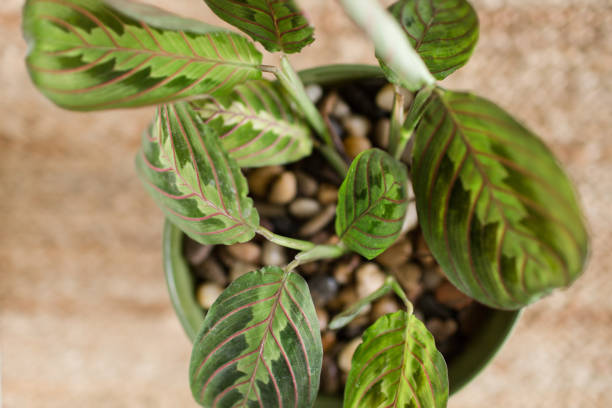
Prayer Plant Care: Ultimate Guide to Growing Maranta (Prayer Plants) Indoors
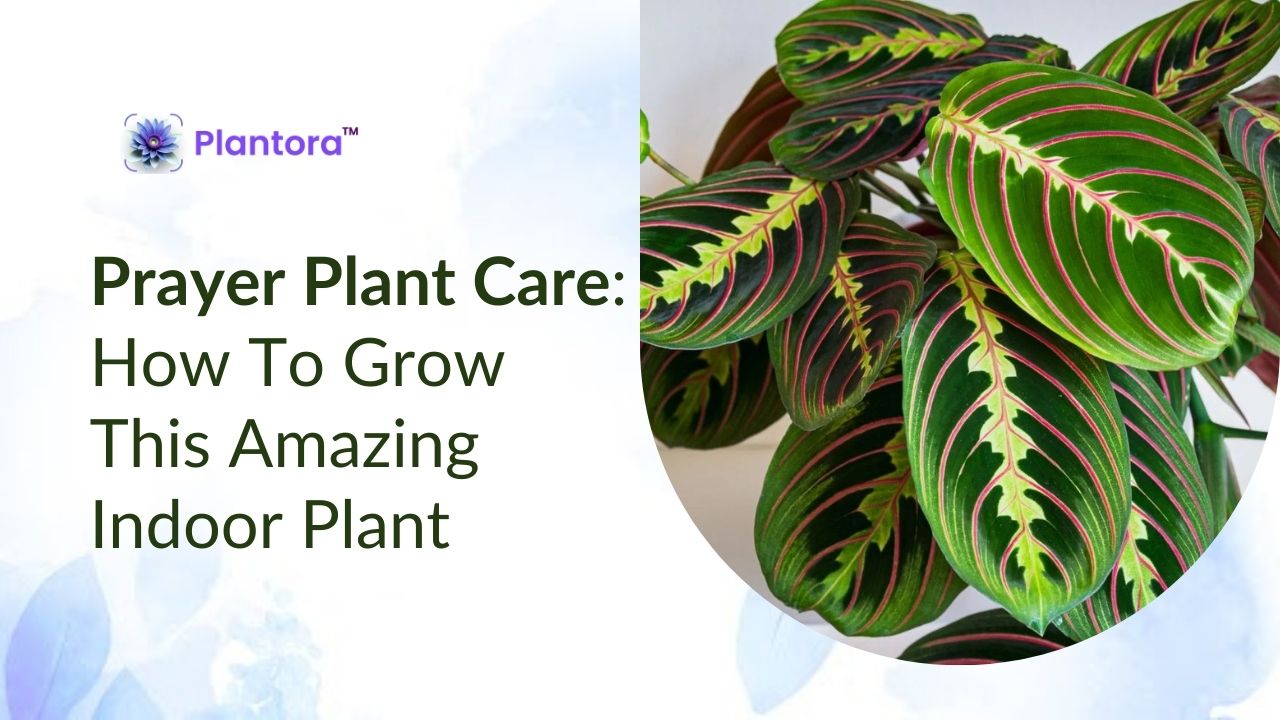
The prayer plant (Maranta leuconeura) is an amazing tropical houseplant known for its stunning, decorative foliage and unique habit of folding its leaves upward at night (like hands in prayer). This slow-growing indoor garden favorite stays relatively small—usually under a foot tall—making it perfect for windowsills, tabletops, or shelves. Beginners will find the prayer plant to be an enchanting yet low-maintenance indoor plant that adds beauty and tranquility to any space with its vibrant leaves and fascinating nightly “praying” routine. In this comprehensive guide, we’ll cover everything you need to know—plant origins, popular varieties, detailed care tips, propagation methods, common pests and problems, and more—to keep your prayer plant thriving.
What Is a Prayer Plant?
The prayer plant is a tropical evergreen perennial indigenous to the warm, humid rainforests of Central and South America (notably Brazil). It grows as a low, spreading plant under the shaded forest canopy. In its natural habitat, the prayer plant creeps along the ground, forming clumps of lush foliage and sending out roots at leaf nodes. As an evergreen plant, it retains its vibrant leaves year-round. The common name “prayer plant” comes from its habit of lying flat by day and folding its oval leaves upward at night in a prayer-like pose—a daily rhythm called nyctinasty.
Botanically, the prayer plant is Maranta leuconeura, part of the Marantaceae family (sometimes called the “prayer plant family”). It was named in honor of Bartolomeo Maranta, a 16th-century Italian botanist. The plant’s striking leaves are its main attraction: typically 5–6 inches long, velvety, and patterned with bold colorful markings. Depending on the variety, leaves may showcase light and dark green patches, red veins, yellow streaks, or purple spots, often with reddish-purple coloring on the undersides. Mature prayer plants can produce small white or purplish flowers on slender stalks in spring, although they rarely bloom indoors. One great bonus for indoor growers is that prayer plants are non-toxic—according to the ASPCA they’re safe for both cats and dogs, so pet owners can enjoy this plant without worry.
Popular Prayer Plant Varieties
- Red Prayer Plant – Also known as the red-veined prayer plant or herringbone plant (often Maranta leuconeura erythroneura). This popular variety has deep green leaves with prominent red or hot-pink fishbone-patterned veins and lighter green midrib patches. It’s very eye-catching and commonly found in garden centers.
- Lemon Lime Prayer Plant – A vibrant cultivar featuring bright chartreuse to lemon-yellow veins against a medium green leaf background. The contrast creates a neon pop of color. New leaves often emerge with lighter yellow tones that deepen as they mature.
- Green Prayer Plant (Rabbit’s Foot) – Often referring to Maranta leuconeura var. kerchoveana, this variety has slightly more subdued coloration. The leaves are light green with darker green oval spots on either side of the midrib (earning it the nickname “Rabbit’s Tracks”). Undersides may be pale green to grayish.
- Black Prayer Plant – Usually referring to Maranta leuconeura ‘Massangeana’, it has dramatic dark green to almost black foliage marked with lime-green ribs or venation. The high contrast pattern gives it an exotic look.
- Variegated Prayer Plant (Beauty Kim) – A rarer variegated form like ‘Beauty Kim’ sports patches of creamy yellow or white alongside green on its leaves, plus the typical darker spots. It’s a striking variety for collectors, with splashes of white/yellow variegation intermingled with the green and chocolate-colored spots.
All of these varieties share the same general care needs. You may also hear about related plants like Calatheas, Ctenanthes, and Stromanthes referred to as “prayer plants” because they have similar foliar movements at night. However, those belong to different genera and can have slightly different care requirements. In this guide, we’ll focus on the true prayer plant (Maranta genus) care. Next, let’s dive into how to care for your prayer plant and keep those gorgeous leaves healthy.
Prayer Plant Care Requirements


Here are some detailed tips on how to take the best care of your prayer plant so it stays lush and happy:
Light
Provide bright, indirect light for your prayer plant. These plants naturally grow beneath tree canopies, so they prefer filtered sunlight. Too little light can cause the beautiful leaf colors to fade or the plant to become leggy, while too much direct sun can scorch the delicate leaves. An east-facing or north-facing window is often ideal – it gives bright light without strong midday sun. In a south or west window, use a sheer curtain or keep the plant a few feet back from the glass to diffuse the intensity. Prayer plants can tolerate lower-light conditions and will survive in medium to low indirect light, but growth may slow and leaves might not be as vibrant. During winter months (when daylight is limited and the plant’s growth slows), try to give it as much bright light as possible to keep it healthy. If you notice your prayer plant’s leaves staying flat open at night (not “praying”), it could be getting too much light. Adjust the light level if needed, and avoid any prolonged exposure to direct sun rays.
Soil & Potting
Plant your prayer plant in a well-draining, nutrient-rich potting mix. Good drainage is crucial because Marantas do not like sitting in waterlogged soil (excess moisture can quickly lead to root rot). An all-purpose potting soil for indoor plants works well as a base. You can improve the mix by adding amendments that balance moisture retention with aeration. For example, a popular DIY prayer plant mix is: 2 parts peat moss (or coco coir) for organic matter and slight acidity, 1 part perlite for drainage, and 1 part loamy soil or coarse sand. You could also mix in a handful of orchid bark or charcoal to increase chunkiness and airflow around roots. The goal is a loose, breathable medium that holds some moisture but lets excess water drain out freely.
Always use a pot with drainage holes at the bottom. Prayer plants have relatively shallow root systems, so they do fine in smaller or shallow pots. In fact, a pot that is a bit snug (not excessively large) can help prevent overwatering issues since the soil will dry out at a reasonable rate. Plan to repot your prayer plant about every 2 years (often in spring) or when you notice roots creeping out of drainage holes. When repotting, move up to only one pot size larger. Gently remove the plant, being careful with its thin roots, and replant it at the same depth in fresh potting mix. Repotting refreshes the soil nutrients and gives the roots a bit more room, but avoid a pot that’s too big as excess soil can stay too damp.
Watering
Prayer plants like evenly moist (but not soggy) soil. Aim to water whenever the top inch of soil begins to dry out. This typically means watering about once a week, but frequency can vary depending on your home’s temperature, humidity, and the season. Check the soil regularly with your finger; if the top feels dry, it’s time to water. When you do water, give the plant a thorough drink until you see water begin to drain out the bottom of the pot, then empty the drainage tray. Consistent moisture is key, but avoid overwatering. Never let the plant sit in standing water, and don’t water again until that top layer has dried slightly. Too much water can lead to yellowing leaves and root rot, while allowing the soil to bone-dry can cause leaves to curl and brown at the edges.
Water quality tip: Prayer plants are a bit sensitive to chemicals like fluoride and chlorine often found in tap water. These can cause leaf tip burn or brown spots over time. If possible, use filtered or distilled water, or let tap water sit out overnight to allow chlorine to dissipate before using it. Always use room-temperature water (cold water can shock the roots). Consistency is also important – big swings from bone-dry to waterlogged will stress the plant. Keep it moderately damp at all times for best results. In summary, water when the top soil is dry to the touch, but don’t let the prayer plant completely dry out or stay drenched. Finding that happy medium will keep those leaves perky.
Temperature & Humidity
As a tropical native, the prayer plant thrives in warm, humid conditions that mimic a rainforest environment. Keep your plant in a room with temperatures between about 65–80°F (18–27°C). It will not tolerate cold well – avoid temps dropping below ~60°F (15°C), as chilly air can slow growth and cause leaf damage. Also protect it from cold drafts or sudden temperature changes. Keep it away from AC vents in summer and from drafty windows or doors in winter. Consistency is key: they like steady warmth.
Humidity is very important for prayer plants. They love high humidity. Aim for at least 50% relative humidity or higher. If your home is dry (especially in winter with the heater on), you’ll want to boost humidity around your Maranta. There are several ways to do this: you can run a room humidifier nearby, group your prayer plant with other houseplants (plants release moisture into the air, benefiting each other), or place the pot on a pebble tray filled with water (the water evaporates around the plant). Regular misting of the leaves with water can also help, though in very dry homes it might not be sufficient on its own. High humidity not only encourages lush growth but also helps prevent common pests like spider mites that prefer dry air. Watch the leaf edges – if you see browning or crisping, it could be a sign the air is too dry. By maintaining warm temps and ample humidity, your prayer plant will feel right at home.
Fertilizing
Prayer plants appreciate regular feeding during the growing season to support their active growth and vibrant foliage. Use a balanced, water-soluble indoor plant fertilizer (for example, an all-purpose 10-10-10 NPK formulation diluted to half-strength works well). Feed the plant about every 4 weeks in spring and summer. You can extend to every 6 weeks if using a slightly stronger dilution or if the plant is in lower light and growing slower. During the warm growing months, this feeding schedule will provide the extra nutrients Marantas need for producing new leaves and keeping their colors strong. Come fall, as growth naturally slows, taper off the feeding. It’s usually best to stop fertilizing in the late fall and winter months when the plant is semi-dormant, because it won’t use much fertilizer then.
Always fertilize on moist soil (never on completely dry soil, which could burn roots) and avoid over-fertilizing. Too much fertilizer can scorch the roots and cause leaf tips to turn brown or black. If you notice a crust of fertilizer salts on the soil surface, you may be overdoing it – you can flush the soil with clean water periodically to leach out excess salts. Organic options like worm compost tea or a mild fish emulsion can be used at low strength as well. The main takeaway: feed lightly but consistently during the active growing season for best results. This will keep your prayer plant well-fed but not overwhelmed. With proper fertilization, you’ll be rewarded with vigorous growth and gorgeous foliage.
Pruning & Maintenance
Prayer plants do not require heavy pruning, but a little grooming will keep them looking their best. Regularly removing any yellowed, dead, or damaged leaves is important – use clean, sharp scissors or pruning shears to snip off unwanted leaves or leggy stems near the base. Occasional trimming of overly long stems can encourage a bushier, fuller growth habit. If your plant starts to get a bit straggly, don’t be afraid to trim back the longest stems; new shoots will often branch from the cut area, resulting in a more compact plant.
Aside from pruning, keep the broad leaves clean so they can photosynthesize efficiently. Dust can accumulate on the foliage over time, especially since these plants often sit lower to the ground. Every few weeks, gently wipe the leaves with a soft, damp cloth to remove dust and debris. This simple step also gives you a chance to inspect the undersides for early signs of pests (like spider mites or mealybugs) and wipe them off before an infestation takes hold.
One more maintenance tip: rotate your pot every week or two. Prayer plants will grow towards the light source; rotating ensures all sides of the plant receive light and the growth stays even (preventing a lopsided plant). By pruning lightly, cleaning leaves, and rotating the plant, you’ll keep your Maranta in tip-top shape aesthetically and health-wise. Overall, prayer plants are fairly low-maintenance—most care revolves around proper watering and humidity—but a little TLC in the form of grooming will go a long way to maintain its ornamental appeal.
How to Propagate Prayer Plants
Propagating your prayer plant can be a fun way to create new baby plants either to expand your collection or share with friends. The prayer plant can be propagated by two main methods: division or stem cuttings. The easiest and most reliable method is by division of the root clump, usually done while repotting. Stem cuttings can also work, though they may take a bit more patience to root. Below we’ll outline both methods:
Propagation by Division
Division involves splitting an existing plant into two or more smaller sections, each with its own roots and shoots. Prayer plants naturally grow from rhizomes and tend to produce multiple shoots, which makes division straightforward. Here’s how to propagate by division:
- Time it with repotting: Plan to divide when your plant has grown large and perhaps is due for repotting (spring is a great time). Water the plant the day before so the root ball is moist (this makes it easier to work with and less stressful for the plant).
- Remove and inspect the root ball: Gently slide the plant out of its pot. You’ll likely see several natural offshoots or clumps in the root system. Brush off or rinse away some soil so you can clearly see the roots and stems.
- Separate into sections: Use your hands to carefully tease apart the root ball. You can often pull sections apart, but if it’s very root-bound you might use a clean knife or shears to cut the root mass. Ensure each divided section has at least one stem with a few healthy leaves attached and its own set of roots. (Each division should look like a smaller plant on its own.)
- Pot up the divisions: Prepare small pots with fresh potting mix (similar to what we described in the soil section). Plant each division in its own pot, setting it at the same depth it was originally growing. Gently firm the soil around it.
- Aftercare: Water each new division well after potting. Because the roots were disturbed, the plant may experience some shock. To help it recover, keep the new divisions in a warm, humid environment (you can even cover them loosely with a plastic bag or place in a mini greenhouse for a week or two to maintain humidity). Keep them in bright, indirect light. New growth may slow until the roots re-establish, but before long you should see your new prayer plants taking off!
Division yields clones of the parent plant and results in an instantly larger plantlet since you’re working with existing root and shoot material. It’s the most surefire way to propagate a prayer plant with a high success rate.
Propagation by Stem Cuttings
You can also propagate prayer plants from cuttings, although it’s slightly less common than division. Stem cuttings are a good option if your plant is very long or leggy and you want to trim it back—those cut pieces can be used to grow new plants. Here’s the step-by-step for water propagation using stem cuttings (one of the simpler cutting methods):
- Select a cutting: Choose a healthy stem that has at least one or two leaves and, importantly, a node. The node is the point on the stem where leaves (and roots) grow – it often looks like a slight bump or joint. Using clean scissors or pruning shears, cut a stem just below a node. An ideal cutting is around 4–6 inches long. Remove the lower leaf (if present) to expose the node, leaving a couple of leaves at the top of the cutting.
- Place in water: Fill a small jar or vase with clean water (room temperature, and ideally filtered or distilled). Place the cutting in the water so that the node is submerged but any remaining leaves are above water. Nodes are where new roots will sprout. Make sure no leaves sit in the water (to prevent rot).
- Provide proper conditions: Put the jar in a spot with bright, indirect light. Change the water every few days to keep it fresh and oxygenated (this prevents stagnation and bacterial growth). Within 2 to 4 weeks, you should start to see fine white roots emerging from the node. Prayer plant cuttings can be a bit slow to root, so be patient and keep the conditions clean.
- Pot the rooted cutting: Once the roots are a couple of inches long, you can transfer the cutting to a small pot with potting mix. Plant it carefully, covering the new roots and node with soil. Water it lightly and keep the humidity high as the cutting adjusts from water to soil (using a clear plastic cover or frequent misting can help initially).
Not every cutting will take, but this method can work and is a neat way to observe root growth. Some growers also successfully root Maranta cuttings directly in a very moist potting mix or in sphagnum moss, but those methods require keeping a consistently high humidity. Water propagation is easy for beginners because you can see what’s happening. Once potted, treat the young plant gently for the first few weeks – keep it warm, humid, and slightly more shaded until it starts putting out new leaf growth, which indicates it’s established. Propagating prayer plants by cuttings is slower than division, but it’s rewarding to turn a trimming into a brand new plant!
Prayer Plant Pests and Diseases
In general, prayer plants are not extremely prone to pests or diseases when grown indoors, but like any houseplant they can occasionally have issues. Keeping the plant healthy with proper care (especially avoiding overwatering and keeping humidity up) will prevent most troubles. Here are the common pests and diseases to watch out for:
Common Pests
Spider mites, mealybugs, and aphids are the usual suspects that might infest a prayer plant. Among these, spider mites are probably the most frequent issue, especially in dry indoor air. These tiny sap-sucking arachnids hide on the undersides of leaves and cause stippled, yellowing foliage with fine webbing. Mealybugs appear as white, cottony fluff usually in leaf joints or under leaves, and they can weaken the plant by sucking sap. Aphids are small pear-shaped green or black insects that cluster on new growth and also excrete sticky “honeydew.”
To combat these pests, start by manually removing what you can: wipe leaves with a damp cloth or cotton swab (you can dip it in isopropyl alcohol for mealybugs). Give your plant a gentle shower or rinse to knock off insects. Follow up by treating the plant with natural insecticides like neem oil or insecticidal soap. Thoroughly coat the leaves (top and bottom) and stems. You may need to re-apply treatments weekly for a few weeks to fully eliminate the intruders. Also, isolating an infested plant from others is wise to prevent spread.
High humidity helps deter spider mites (they thrive in dry air), so keeping humidity up is both good for the plant and bad for mites. Regularly inspecting your prayer plant when you water or clean the leaves will help catch any pest problem early while it’s easy to manage. The good news is, prayer plants have fairly sturdy leaves that can handle these treatments, and with vigilance you can keep pest populations under control.
Diseases
The most common disease issues with prayer plants stem from excess moisture and inadequate airflow. Two problems to note are fungal leaf spot and root rot. Fungal or bacterial leaf spots can occur if leaves stay constantly wet or if there is a pathogen present in overly damp conditions. You might see round brown spots or patches on leaves. To prevent leaf spot, avoid letting water sit on the leaves for long; always water the soil directly (bottom watering can help) and ensure the plant has some air circulation. If you do notice leaf spots, remove the affected leaves and consider applying a general houseplant fungicide. Also check that your watering practices are sound (neither overwatering nor repeatedly splashing water on foliage).
Root rot is a serious issue that arises from chronically waterlogged soil, which allows fungi to attack the roots. Symptoms include a rotting smell in the soil, yellowing or wilting leaves despite wet soil, and eventually mushy brown roots. The best cure is prevention: always use well-draining soil and pots, and water only when appropriate. If you suspect root rot, you should unpot the plant, trim away any black/brown mushy roots, rinse the healthy roots, and replant into fresh dry mix. Sometimes using a powdered fungicide on the roots can help before replanting. Allow the plant to dry out more between waterings afterward. Often catching root rot early can save the plant, but advanced rot can be fatal to your Maranta.
Overall, keep an eye on your watering and humidity, give the plant stable warmth and airflow, and you’re unlikely to see major disease issues. A healthy prayer plant in the right conditions has strong natural resistance to most diseases.
Troubleshooting Common Prayer Plant Problems
Even with good care, you might occasionally encounter some issues with your prayer plant. Here are some common problems (mostly reflected in the leaves’ appearance or behavior) and how to fix them:
Prayer Plant Leaves Curling
If your prayer plant’s leaves are curling inward or rolling, it’s usually a sign of stress, often related to humidity or moisture. The most common cause is that the plant is thirsty or the air is too dry. Check the soil – if it’s gotten too dry, give the plant a thorough watering and it should perk up within a day or two. Also increase humidity around the plant (as discussed, mist it, use a pebble tray, or run a humidifier). Leaves can also curl from chronic low humidity even if soil moisture is okay, so boosting ambient humidity is key. Less commonly, leaves may curl from cold drafts or even too much direct sun. Evaluate the plant’s location and care routine to determine what might be causing the curl, and adjust by providing a slightly more moist and humid environment. Once conditions improve, new leaves should emerge flat and healthy, and existing curled leaves may even relax a bit.
Leaf Tips Browning or Spots on Leaves
Brown tips or brown, crispy edges on prayer plant leaves are often due to insufficient humidity or inconsistent watering. Dry air will cause tips to dry out and brown. Likewise, allowing the soil to repeatedly get too dry can lead to browning, especially at the extremities of the leaves. Make sure you maintain good humidity around the plant and keep the soil evenly moist. Another cause to consider is water quality or over-fertilizing. Fluoride or chlorine in tap water can cause brown leaf margins over time; switching to filtered water can help if you suspect this. Overfeeding with fertilizer can burn the roots and leaf tips as well, so ensure you aren’t using too strong a fertilizer or feeding too frequently. Rinsing the soil out with clear water occasionally can remove any excess salts. If brown spots appear in the middle of leaves, check for fungal spots as described in the disease section – remove any badly affected leaves. In summary, brown tips/edges usually mean your Maranta wants more gentle, consistent care: higher humidity, regular watering, and cautious feeding.
Yellowing Leaves
When prayer plant leaves turn yellow, especially older, lower leaves, it often signals overwatering or poor drainage. Excess water can cause root stress (even rot), preventing roots from taking up nutrients, which leads to yellow, limp leaves. If you see widespread yellowing, check the soil – is it constantly wet? Does the pot drain properly? Adjust your watering schedule to let the top inch of soil dry out between waterings. Make sure the pot isn’t sitting in water. Occasionally, a few bottom leaves yellow and drop as the plant focuses energy on new growth – that can be normal. But multiple yellow leaves at once usually points to too much water or possibly nutrient deficiencies. If you haven’t fertilized in many months and the plant is actively growing, a lack of nutrients (particularly nitrogen) can cause general yellowing too. In that case, a light feeding can green it up. Always rule out watering issues first, since that’s the most common culprit. Correct the watering, cut away any rotted roots if needed, and your plant should slowly recover with fresh healthy green leaves.
Plant Not “Praying” at Night
A healthy prayer plant will raise and fold its leaves vertically at night and open them again in the morning. If you notice your plant’s leaves are no longer moving on schedule (staying flat at night), the most likely cause is excess light exposure or stress. Too much light at night (for example, if a lamp is on nearby, or if it’s in a spot that isn’t actually getting a true dark period) can disrupt the nyctinastic cycle. Ensure the plant gets some darkness at night. If light isn’t the issue, consider other stress factors: Is the plant too hot or cold at night? Is it extremely dry or very overwatered? Significant stress can sometimes halt the praying motion. Typically, the solution is to adjust the environment – try moving the plant to a slightly shadier spot during the day or ensure darkness at night, and check that your general care (water, temp, etc.) is on point. Once conditions are favorable, your prayer plant should resume its charming nightly routine of folding up its leaves.
Leggy or Sparse Growth
If your prayer plant looks thin, with long stems and fewer leaves, it’s probably not getting enough light. In very low light conditions, Maranta stems stretch out seeking more sun, resulting in a leggy appearance. The remedy is to move the plant to a brighter location (still avoiding direct sun, but closer to a window or under a grow light). Pinching back the overly long stems (as mentioned in pruning) will encourage new, fuller growth as well. Another factor can be lack of regular feeding – a very unfertilized plant might grow slowly and sparsely. Make sure you are giving it some nutrients during the growing season. With improved light and moderate feeding, new growth should come in more robust and compact.
By diagnosing these common issues and making the appropriate adjustments, you can usually get your prayer plant back to prime health. Marantas are fairly forgiving once you address their needs, and they will reward you with stunning foliage and those mesmerizing praying movements when they’re content!
Conclusion
Caring for a prayer plant is a rewarding experience, especially when you see its leaves “pray” each evening – it brings a little daily dose of wonder into your home. By providing the proper light, humidity, water, and a bit of routine care, even novice plant parents can enjoy success with this beautiful houseplant. Remember to mimic its tropical origins with warm temperatures and moist air, keep its soil lightly moist but not soggy, and don’t forget to offer it some darkness at night for its bedtime ritual. The prayer plant’s forgiving nature and clear signals (like leaf movements and color changes) will guide you in fine-tuning its care.
In summary, Maranta leuconeura is a relatively easy-care, eye-catching indoor plant that can thrive for years with the right conditions. Its striking patterned leaves make it a living piece of art, and its pet-friendly, non-toxic quality is a huge plus for those with furry friends. If you’re ready to expand your houseplant collection with something a bit unique, the prayer plant is a fantastic choice. With the tips in this guide, you have all the information needed to help your prayer plant flourish. Happy growing!
P.S. Want more help with plant care and identification? You can always rely on the Plantora App for additional plant guides, troubleshooting advice, and personalized reminders. This free plant identification and care app is a handy tool to take your plant parenting to the next level!
FAQs
Why are my prayer plant’s leaves curling?
Curled leaves on a prayer plant usually indicate that the plant is either dehydrated or stressed by low humidity. Check the soil – if it’s too dry, give your plant a drink and the leaves should start to unfurl within a day or two. Also increase the humidity around the plant by misting it, grouping it with other plants, or using a pebble tray with water. Very low humidity can cause persistent curling, so aim for at least 50% humidity. Less commonly, curling can happen from cold drafts or too much direct sun, so make sure the plant is warm (but not hot) and only getting indirect light. Once the underlying issue (dryness, low humidity, etc.) is corrected, new leaves should grow out flat and even older curled leaves may relax.
How often should I water my prayer plant?
Water your prayer plant when the top inch of soil feels dry to the touch. In most home environments, this ends up being about once a week. However, your schedule may vary depending on conditions – in a warm, dry environment you might need to water a bit more frequently, and in a cooler or more humid room, watering every 7–10 days might be sufficient. It’s important to monitor the soil rather than stick strictly to the calendar. Consistency is key: keep the soil consistently lightly moist. Avoid letting the soil completely dry out (which can cause wilting and leaf curl) but also be careful not to water so often that the soil stays soggy (which can lead to root rot). Adjust as needed through the seasons: you might water more often in summer and less in winter. By checking the soil moisture regularly and responding accordingly, you’ll develop a watering routine that keeps your prayer plant happy.
Are prayer plants safe for pets?
Yes, prayer plants are generally considered non-toxic to common household pets like cats and dogs. According to the ASPCA, Maranta (prayer plant) is not poisonous to pets if ingested. This means you can decorate your home with this plant without the worry that a curious cat or dog will get seriously ill from nibbling a leaf. Of course, it’s still best to discourage pets from chewing on any houseplant – even non-toxic plants can cause mild stomach upset or the plant can get damaged. But you can rest easier knowing that prayer plants are a pet-friendly choice for your indoor jungle. (Do note that some of its close relatives, like certain Calathea species, are also generally safe, but always double-check plant toxicity if you have many varieties.)
Do prayer plants clean the air?
Prayer plants, like most houseplants, can help purify the air to a small extent, though they are not known as heavy hitters in air purification. All green plants perform photosynthesis, during which they absorb carbon dioxide and release oxygen, contributing to fresher indoor air. Some plants were identified by the famous NASA Clean Air Study as being particularly effective at removing certain toxins – while the prayer plant was not specifically tested in that study, it is reasonable to assume it can help remove some pollutants on a minor scale (especially because it has a fair amount of leaf surface area for its size). That said, if air purification is your main goal, you might supplement with known air-cleaners like snake plants or peace lilies. The prayer plant’s primary appeal is decorative, but it certainly won’t hurt air quality and does add oxygen and humidity to the room. Overall, think of it as a beautiful plant first, with the bonus of modest air-cleaning benefits as part of your broader collection of houseplants.
Why isn’t my prayer plant folding its leaves up at night?
If your prayer plant isn’t “praying” on its nightly schedule, there are a couple of potential causes to consider. The most common reason is that the plant is receiving light during the night or is in an environment that’s too bright 24/7. Marantas need a period of darkness each day to trigger their leaf movement; if you have grow lights on very late, or if there’s a lamp, TV, or constant light nearby at night, try moving the plant to a darker spot in the evening. Another possibility is general stress – a very unhappy plant (due to factors like overwatering, root problems, or drastic environmental changes) might temporarily stop moving its leaves. Check that your overall care is appropriate: the right amount of light in the daytime (bright but indirect), proper watering, and comfortable temperature. Once any issues are corrected and the plant is healthy and getting a normal day/night light cycle, it should resume its natural rhythm of folding up in the evenings. Watching the leaves start prayer time again will be a good sign that your plant is back on track!



Leave a Reply