Precision agriculture uses information and technology to help farmers make smart decisions based on accurate data and tools. The main aim of precision farming is to find the best type and amount of inputs needed for farming. It also helps decide where and when to apply these inputs to boost farm profits and keep the environment healthy. The data used in precision farming includes various factors in a field that affect crop yield, such as soil conditions, land features, water levels, and weather.
Precision Agriculture’s Significance:
Keeping soil healthy means cutting down on using lots of different pesticides.
Lowering agriculture’s reliance on weather conditions.
Most people are aware of the genetic potential of the crops they grow.
Use water, fertilizers, and pesticides only when they’re actually needed to cut down on waste and save money.
Improve crops yields by keeping track closely and spotting problems early, which helps crops grow more evenly and stay healthier.
Save resources: By using data-driven planning to cut down on what you use and help the environment.
Cut down on hard work by using automation and robotics for tasks like planting, spraying, and getting rid of weeds.
Make smarter farming decisions: by keeping track of data from sensors, aerial images, and software analysis.
Improve performance: By simplifying farm control and discipline operations through integrated structures. This will make things more responsive and reduce the amount of work needed.
How precision farming can benefit small farms:
Emphasize Sustainability and Eco-friendliness:
Eco-friendliness and sustainability are two major aims of applying precision agriculture.
This is particularly important for small farms, as they can increase the market value of their produce, reach a larger audience, and increase their profitability.
The application of VRA technology can significantly decrease the use of harmful chemicals such as fertilizers, herbicides, and pesticides.
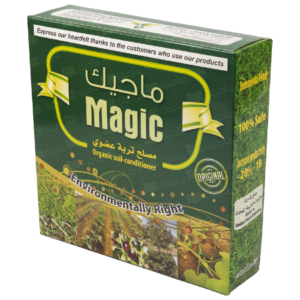
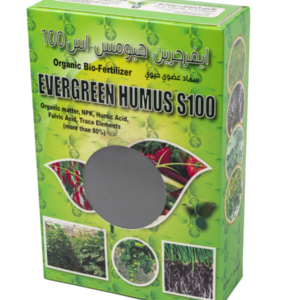
For small farms, organic manure can be a wonderful addition to increase these benefits even further.
Selecting Small Machines for Small Farms:
As the demand for precision farming equipment and machinery increases, companies are developing machines and equipment specifically for small farmers.
Small precision farmers can now select specifically designed tractors, seeders, and weeding machines that are smaller in size and price, making them ideal for their requirements.
Know Your Soil First;
As a result, the application of precision farming on small farms should begin with knowing your soil better. By using precision agriculture equipment such as soil data analysis, small farmers can easily conduct grid or systematic sampling. They can also create grids based on the data gathered from the farm location.
Precision Agriculture Tools for Small-Scale Farmers:
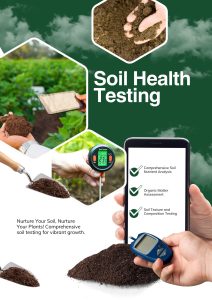
Soil Testing:
Soil checking out appears at the soil’s chemical makeup, its bodily characteristics, and the dwelling organisms within it.
It helps you to test if the soil is appropriate for growing vegetation or producing food. First, you take hold of a piece of soil, weigh it, and then place it in a container to maintain the moisture steadily. Then you definitely ship the sample to a lab wherein they check stuff like pH, nitrogen, phosphorus tiers, and other things.
People commonly take soil samples from areas that have been harmed by way of erosion or by means of fertilizer runoff.
This often happens near streams, creeks, and rivers, and if it is not controlled well, it can damage water exceptionally. Soil, take a look at effects to help you figure out how much fertilizer to use to preserve the soil balanced with the right nutrients in the course of the growing season.
Soil Test Kit?
These kits regularly include chemical compounds, color indicators, or digital tools that react with the soil to offer you facts about what it’s manufactured from. With one-of-a-kind kits, you could take a look for nutrients like nitrogen (N), phosphorus (P), and potassium (K) and, at the side, smaller ones, including calcium and magnesium.
A soil check kit tells you what your soil lacks and what you have to add to create satisfactory situations for your vegetation to develop.
Why Test the Soil?
When and how often should soil be tested?
You can take soil samples any time of year. But here’s the thing—pH and phosphorus don’t really change unless you’ve just added lime, fertilizer, compost, or manure. So if you’ve done any of that, wait a bit before you test.
Your soil test report will give you advice for the next growing season, so it’s smart to test a few months before you plan to plant or fertilize. For a cool-season lawn, grab your samples in the summer before. For a warm-season lawn, do it in fall or winter. Planning a spring vegetable garden or flower bed? Take your sample in fall or winter, too.
TYPES OF SOIL TESTING:
Chemical Soil Trying Out—Measures vitamins like nitrogen (N), phosphorus (P), potassium (okay), pH level, and salinity.
bodily Soil testing examines soil texture (sand, silt, and clay), shape, bulk density, and water-maintaining potential.
Biological soil checking—Analyzes microbial interest and natural beneficial content to assess soil fitness.
Soil moisture checking out:
A soil moisture content material check determines if plants have sufficient water or are dehydrated. The standard soil moisture test involves excessive-temperature moisture evaporation from samples. The moisture quotients inside the samples are calculated by means of evaluating their mass before and after evaporation.
Soil salinity test:
Vegetation in salty fields revels in osmotic strain because of terrible water absorption. Soil salinity testing aids in determining if a chunk of land is suitable for agricultural use.
Soil nutrient trying out
Within precision agriculture installations, beneficial recommendations on nutrient content material enable accurate fertilization to meet plant wishes. This is why the most frequent soil nutrient check is a chemical one to take a look at.
Soil assessments are more often than not used to determine the degrees of nitrogen (N), phosphorus (P), and potassium (k), the three most important nutrients for crops.
IoT In Precision Agriculture:
This device offers farmers better manipulation over their fields through special records, sensors, faraway manipulation alternatives, and an IoT platform. With IoT-primarily based precision farming, growers can manage all of the key records, like air temperature and soil situations. Generation also helps by means of routinely gathering data in preference to requiring humans to manually check large farms. Moreover, robotic systems are becoming greater than unusual, assisting with duties that could usually be carried out by means of human beings. For example, present-day irrigation gear saves labor and uses water more wisely.
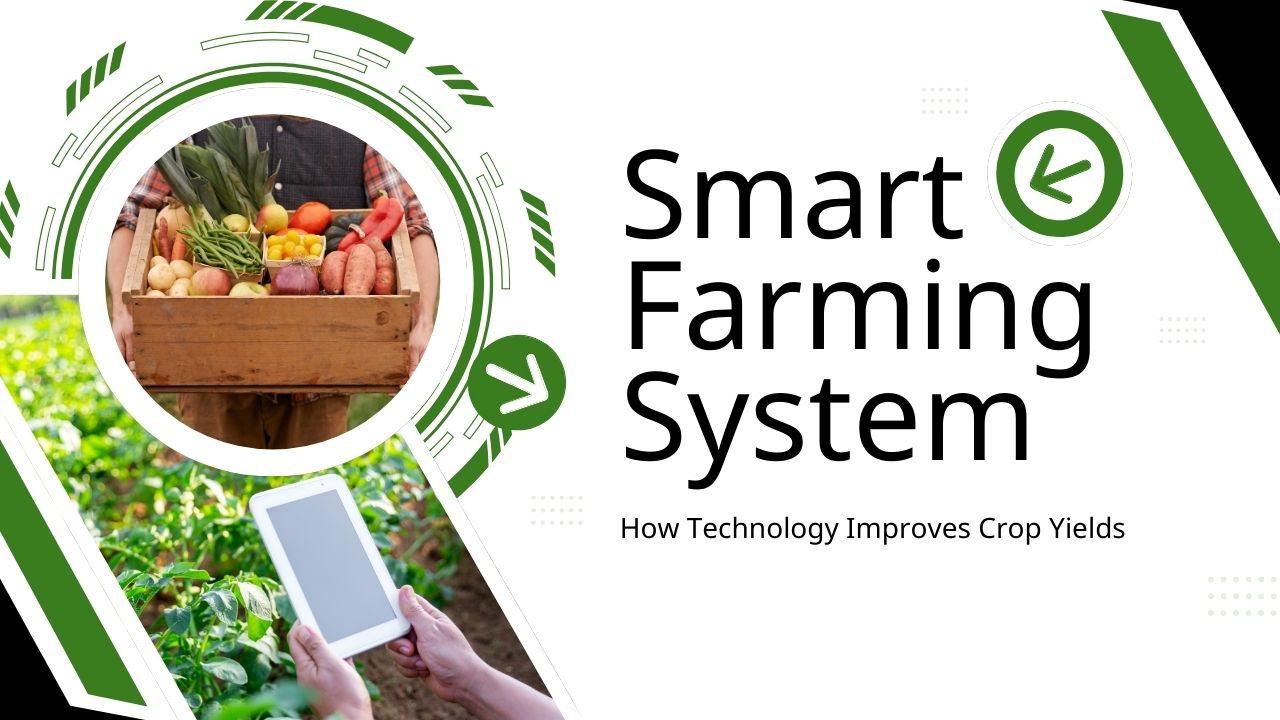
That is why many farming operations are specializing in IoT in agriculture projects. On this blog post, we’ll observe how IoT in farming isn’t simply becoming more famous, but is simply converting the way cutting-edge farming works.
Blessings of Agriculture IoT:
Smart farming technologies supply farmers a strong set of gear to enhance performance, reduce waste, and increase income.
With the usage of IoT devices, farmers can display crop health, soil situations, and climate in actual time, which facilitates them using resources extra precisely and taking motion while needed.
Computerized irrigation and equipment tracking lower labor expenses and improve accuracy.
These clever farming technologies also help the environment through the usage of less water and fewer chemical compounds. Solutions for tracking livestock make sure animals are healthful and efficient.
With those advantages, IoT farming permits agricultural producers to make smarter choices based totally on facts, leading to better harvests and a more sustainable future.
Soil Moisture Sensor:
A soil moisture sensor is a device used to check how wet or dry the soil is. Using this tool in an irrigation system can help farmers schedule watering more accurately than relying on old information or weather predictions.
Both traditional methods have some issues that farmers should know about:
Using past data makes it hard to adjust to sudden weather changes.
Planning irrigation based on predicted crop evapotranspiration requires doing calculations (which can be complicated) for each field’s specific conditions.
In contrast, modern soil moisture sensors offer much more accurate readings and show results almost instantly.
These readings let farmers easily adjust how much water they give, which helps crops grow better.
Types of Soil Moisture Sensors:
Soil moisture sensors are an important component of smart farming.
They are improving and becoming more user-friendly. Unlike traditional methods, which were difficult and time-consuming, smart sensors can transmit data wirelessly, be installed at varying depths, and transmit data directly to a GIS database, eliminating the need to collect data manually.
TDR:
FDR:
Smart Fertilizer:
The Ways in which SMART Fertilizers Work:
Unlike conventional fertilizers, which tend to result in the loss of nutrients and negatively impact the environment, SMART fertilizers control the use of nutrients in a manner that complements the natural processes of the soil and plants. SMART fertilizers apply advanced farming practices, slow release, and improved soil microbial interactions to enhance the efficiency of nutrient uptake by plants and maintain healthy soil.
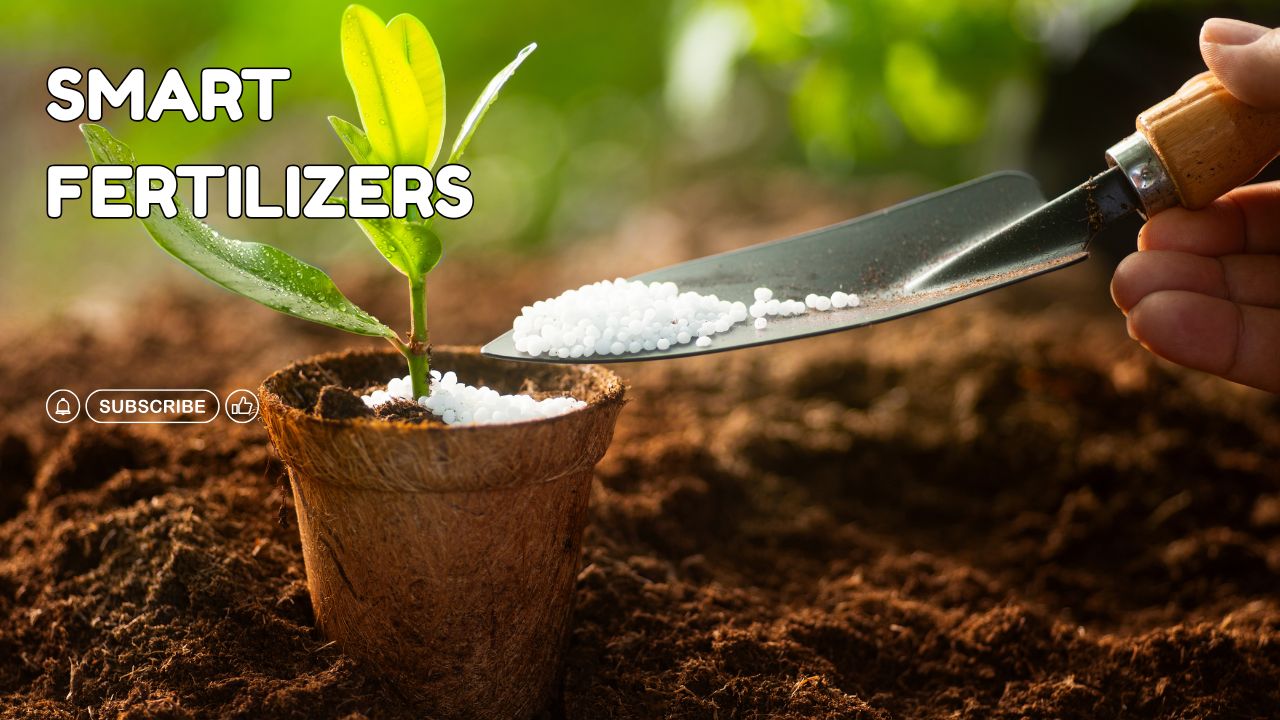
The capacity of smart fertilizers to enhance nutrient availability and absorption through the promoting of advantageous plant-microbe interactions is certainly one of their primary traits. Conventional fertilizers often promote nutrient losses via runoff, volatilization, or leaching. Clever fertilizers aid plants’ innate ability to soak up essential nutrients from the soil environment by utilizing those organic procedures. In addition to lessening reliance on artificial fertilizers, this will increase plant resistance to harmful pressures, consisting of soil erosion and drought.Environmental benefits:
The ability of clever fertilizers to reduce nutrient pollutants and lessen the bad environmental outcomes of traditional farming is one of its biggest blessings. Serious environmental issues like those have been exacerbated through the overuse of synthetic fertilizers.
Upkeep of sources:
Long-term food safety depends on the effective use of fertilizers as the sector’s agricultural assets are under developing pressure. Inside the following approaches, smart fertilizers help conserve assets: Upkeep of phosphorus: Phosphorus, a critical fertilizer nutrient, is a restrained international resource. Overuse of phosphorus causes pollutants and depletion. With the aid of optimizing phosphorus absorption, smart fertilizers limit waste and assure its availability for subsequent generations.
Soil Mapping;
Soil mapping is a key part of precision agriculture. without accurate maps of the land, it’s hard to control farming effectively. those maps assist farmers understand the soil’s functions, like its chemical make-up, nutrient levels, and other critical factors. despite the fact that soil mapping has been around for a while, new generation now offers a great deal more specific records, making virtual maps extra useful than ever earlier than.
To gather records, farmers use exclusive kinds of precision agriculture sensors:
Optical sensors paintings by means of searching at how light reflects off the floor.
Electrochemical sensors take a look at the soil’s electric houses, which include whether it has potassium.
Mechanical sensors touch the ground immediately to find out what sorts of elements are present and how densely they’re packed.
Satellite Remote Sensing:
Satellite remote sensing has changed current farming with the aid of giving farmers a whole lot of beneficial information approximately vegetation, soil, and the surroundings. These satellite TV for PC systems allow agricultural agencies to manage their operations across distinctive parts of the world. The statistics from satellites are used to make smart farming decisions that assist in improving crop yields and using resources more correctly.
This generation lets farmers intently watch massive regions of farmland with accuracy.
It facilitates their use of water, fertilizers, and other inputs more accurately, which in turn allows for crop growth and production and lower costs. To use satellite far-flung sensing in agriculture, farmers need to apprehend vegetation indices, learn how to read multispectral statistics, and observe precision farming methods that change how farming is done these days. Around the planet, agricultural experts are using satellite technology to screen plants and deal with issues including erratic weather, scarce resources, and the desire for more food. This article discusses the economic benefits of satellite-based tracking, how it is used in farming, and how to set it up.
Satellites use a variety of sensors to gather data, including passive ones that measure light reflected off the Earth’s surface and active ones that emit their own signals. those records are then processed to create precise maps that display how healthy the plants are, how an awful lot moisture is within the soil, and if there are any symptoms.
One of the number one advantages of satellite far-off sensing in agriculture is its capability to survey crops successfully. Satellites geared up with advanced sensors can capture high-resolution photographs and records, enabling farmers to do the following.Tune crop health: By using and studying satellite pics, farmers can discover versions in crop fitness throughout distinctive components of a field. This functionality allows early identity of problems along with pest infestations, nutrient deficiencies, or illnesses. Early detection method troubles can be addressed directly, minimizing damage and ability loss.
Optimize Irrigation: Satellite information can discover regions laid low with water pressure, permitting farmers to alter their irrigation practices for that reason. This facilitates conserving water and ensures that plants receive ok moisture, leading to higher yields and healthier flora.
Expected yield: Using ancient records and crop models, satellite TV for PC remote sensing can provide accurate yield predictions. These facts enable better planning and marketing techniques, making sure that farmers can maximize their earnings.
Drip Irrigation:
Drip irrigation, or trickle irrigation, is the most water- and nutrient-efficient method of irrigation in agriculture, as it accurately objectives the plant root area and offers the proper amount of water and vitamins at the proper time.
The accuracy of the manner permits every plant to get hold of the desired amount of water for gold standard increase, as a result increasing productiveness and inspiring sustainable agricultural practices. The procedure could be very flexible and can be applied to different types of plants and land, making it best for gardens, agricultural fields, and orchards. through the reduction of water waste and evaporation, drip irrigation is an efficient and sustainable system for managing water in agriculture. It permits farmers to boom their yields even as reducing water intake as well as fertilizer and electricity fees.
How does drip irrigation work?
Drip irrigation entails the usage of numerous additives, which include pipes, emitters, filters, and pressure regulators. The water is distributed the usage of a series of tubes or pipes which are positioned on or just underneath the soil floor. every tube is equipped with emitters or drippers that launch water at a sluggish and regular charge, immediately to the roots of the flowers.
The gadget is supposed to function under low pressure, making sure that it is power–efficient and may be utilized in areas in which water or power can be limited. The water can also be fertilized through fertigation to make certain that the flowers acquire the essential vitamins for surest increase. The gadget is also very bendy and may be modified to fit the desires of various plants.
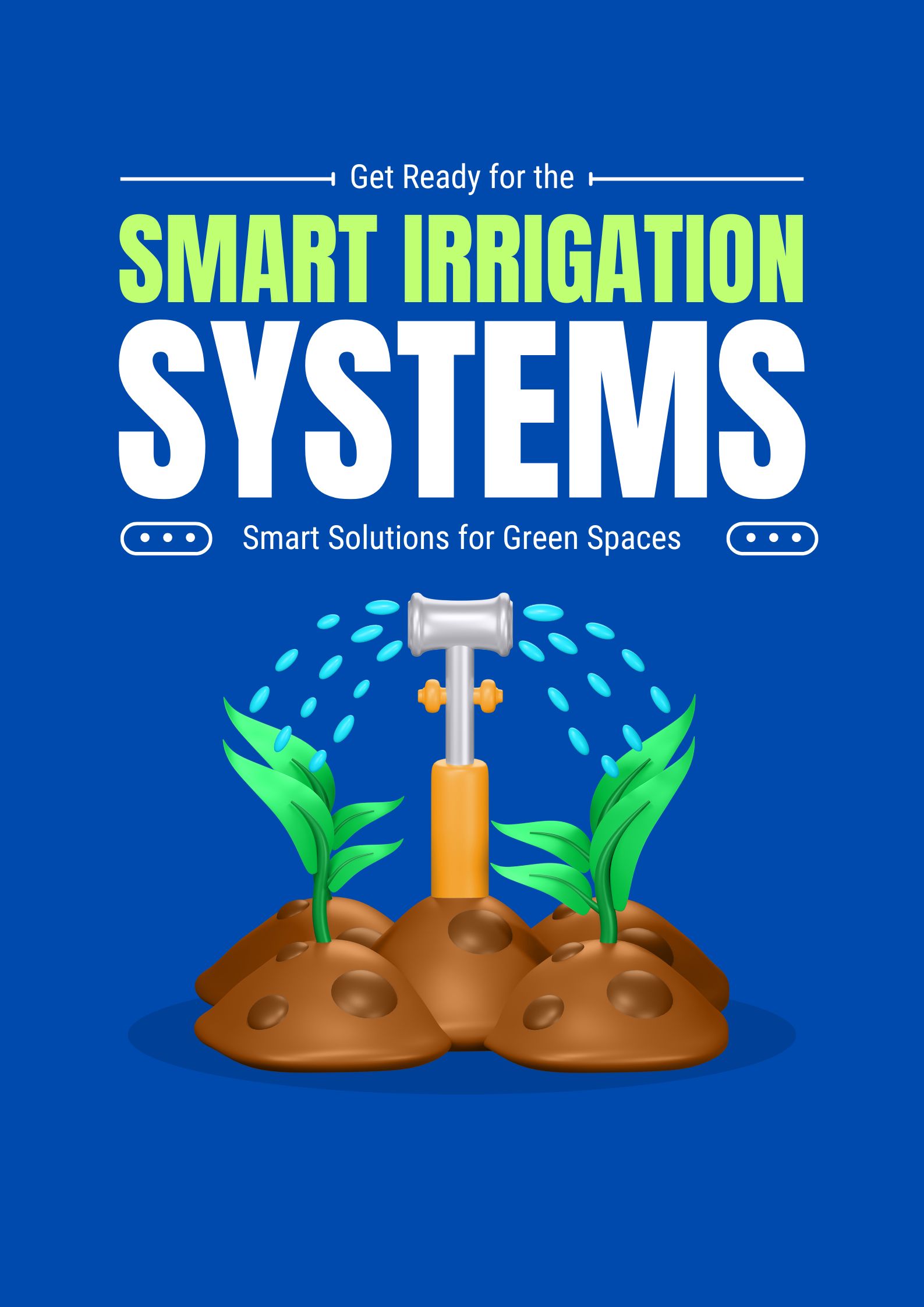
Benefits Of Drip Irrigation Systems:
Drip irrigation is famous for its performance in the use of water.
It can provide water directly to the roots of flowers, preventing a widespread amount of water from being lost because of evaporation or runoff from the soil.Prevention of overwatering:
Drip irrigation notably reduces the risk of overwatering flowers.
This method of watering flora keeps their health with the aid of stopping root rot and illnesses. It maintains the soil saturated just enough, preventing flowers from getting damaged because of excess water.
less weeding:
Drip irrigation grants water handiest to the root zones of plants, which means that weeds acquire inadequate water to develop.
This watering approach effects in much less weeding of the garden.
Cost-effectiveness
The set up of a drip irrigation device pays for itself inside one to 2 seasons because it reduces water bills.
It also reduces the usage of fertilizer and insecticides, which saves money ultimately.
Progressed plant health
Drip irrigation offers water directly to the roots of plant life, maintaining leaves dry and stopping mould and different illnesses.
This watering technique reduces the risk of plant diseases and makes vegetation develop more healthy and more potent.
Water conservation
In regions in which water is restrained, drip irrigation is especially helpful.
It makes use of less water and wastes much less, which facilitates shop this critical herbal aid. Saving water blessings the surroundings and also enables farmers and gardeners save on their water charges.
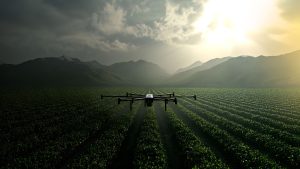
Drone In Precious Farming:
Drone use in farming is a growing subject that facilitates farmers making extra money and growing greater meals even as also being higher for the surroundings. With the images and information collected by means of drones, humans can see their vegetation and animals from above. This data helps create detailed plans to improve the quantity of food grown and the earnings made. Drones help farmers check on how their crops are doing, the circumstance of the soil, how much water is getting used, and different critical elements. As generation becomes more commonplace in farming, drones are likely to end up being a valuable device for farmers.
Many farmers already use satellite photos to monitor how vegetation is developing, how thick it is, and its shade. However, satellite TV for PC statistics is highly priced and now not continually as precise as photos taken via drones. Seeing that drones fly near the land, they’re much less suffering from clouds and terrible climate than satellites. At the same time as satellites can provide accuracy to the meter, drones may be specific to the millimeter. This indicates farmers can spot gaps in plants after planting and replant them if wanted. They also can discover and treat ailments or pest problems speedily.
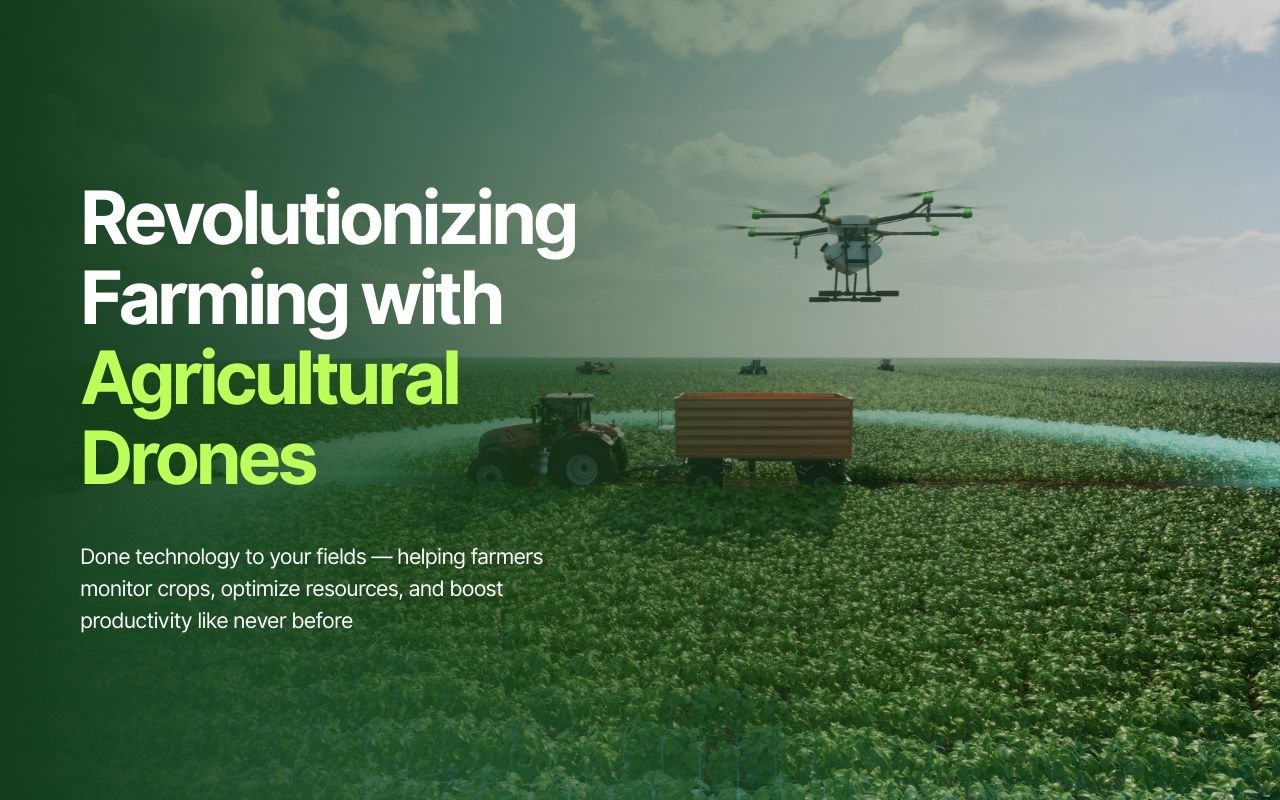
The drone spray applicator assists farmers in avoiding the risks associated with backpack spray applicators in the fields.
The drones use a fine spray that can be precisely targeted at the desired location, thus making the process more efficient and using fewer chemicals. The regulations governing the use of drone spray applicators vary from country to country.
GPS:
GPS is a technology that assists farmers in gathering information with precise location information as it occurs. It can be applied for a number of purposes such as:
1– making maps of irrigation systems, farmland, and routes;
2– locating areas of the farmland where plants are facing problems;
3– analyzing soil in specific areas of the farmland;
4– navigating tractors through a system that maintains parallel wheels;
5– planting seeds and fertilizers in areas where they are required.

Leave a Reply