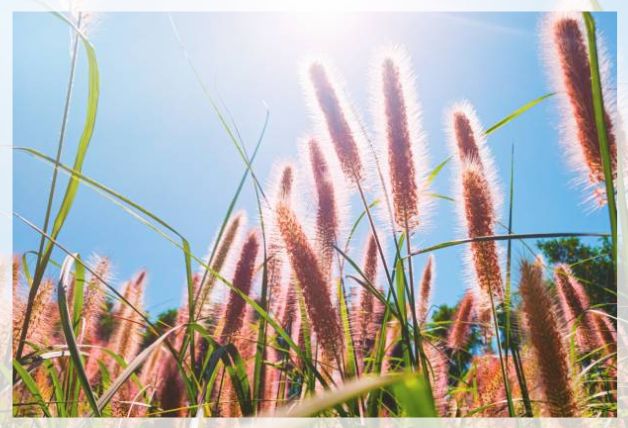
Do you know that there are a number of ornamental grasses you can choose to have, however, Pennisetum setaceum is one of the most popular ones.
Purple fountain grass, Pennisetum setaceum is purple or burgundy-colored foliage and soft fuzzy like blooms.
These are followed by purplish seedheads that make a bold statement in your garden.
You can choose to have them on their own or group them with other plantings.
Moreover, it is important to note that growing Pennisetum setaceum is easy and will need little maintenance once their establish.
Though Pennisetum setaceum is popular as a perennial, many gardeners consider it a tender perennial.
One of the important things to note is that the purple fountain grass cannot survive in cold winters.
It is hardy only in USDA zones 9 and warmer through in zones 7 to 8.
However, in some cases, they can survive when you give them adequate winter protection.
Keep on reading.
Pennisetum Setaceum
Pennisetum setaceum or Purple Fountain grass is aptly named for the arching spikes of the nodding purple flowers.
These gracefully spray out of its mass of long, slender, burgundy-colored leaves.
This grass tends to have a fast growth rate and the best time to plant them is in spring.

The autumn seed heads of these plants tend to be attractive, and a lot of people and gardeners prefer them for the fall flower garden.
Moreover, this grass produced flowering stems.
These stems are full of feathery seeds.
The feathery seed heads or plumes can also be cut later for dried flower arrangements.
Quick Facts about Pennisetum setaceum
Some quick facts about Pennisetum setaceum are:
| Common Name | Purple fountain grass, red fountain grass |
| Botanical Name | Pennisetum setaceum ‘Rubrum’ |
| Family | Poaceae |
| Plant Type | Perennial ornamental grass |
| Mature Size | 3–5 ft. tall, 2–4 ft. wide |
| Sun Exposure | Full sun, partial shade |
| Soil Type | Moist but well-drained |
| Soil pH | Neutral to acidic |
| Bloom Time | Summer, fall |
| Flower Color | Burgundy red |
| Hardiness Zones | 9-10 (USDA) |
| Native Area | Africa, southern Asia |
Pennisetum setaceum Care
This grass is native to Africa and Asia.
Pennisetum setaceum or purple fountain grass is actually a tropical ornamental grass.
This means that it is not very cold-hardy.
Moreover, it is still worth growing in cold-winter regions even if you can only enjoy it for two seasons out of the year.
The beauty of this plant is what makes it a popular focal point in a mixed bed and in container gardens.
You can mass a number of the plants together to create a visually stunning border or privacy screen.

However, it will need some staking for support and will do best when you plant them in an area that is protected from strong winds.
Just like most ornamental grasses, you can plant purple fountain grass nearly any time of the year.
Although it tends to establish best in the spring.
Since mature plants tend to reach about 5 feet tall and nearly as wide, you will need to give them plenty of room in your garden, with at least 3 feet between plants.
And make sure they are in a hole both deep and wide enough to accommodate their roots.
Make sure to water the grass thoroughly after planting the Pennisetum setaceum.
Light and Soil Requirements
Pennisetum setaceum or purple fountain grass tends to tolerate some light shade.
However, this plant tends to prefer to be planted in full sunlight.
Make sure to look for an area in your garden where it tends to receive bright light at least six to eight hours a day.
Moreover, purple fountain grass is not too picky about its soil conditions.
Loamy soil often provides the best results.
However, the plant tends to do well in a number of types of mixtures as long as they are well-draining.
Water, Temperature, and other Requirements
Though purple fountain grass is considered a drought-tolerant ornamental grass, you will still need to water it consistently as it is getting established in your landscape.
Give your new plants water once or twice a week, about an inch tola.
And make sure to allow the soil some time to dry to the touch between each watering.
Moreover, in case you reside in an area that receives rain occasionally, you will not need to water the grass once it establishes.
However, areas that are particularly hot or dry will need occasional watering.
One of the benefits of growing Pennisetum setaceum is just how versatile it is when it comes to temperature conditions.
It tends to a cold-weather hardy down to about 20 degrees Fahrenheit.
So in case your area remains at that certain temperature, then you can grow the grass as perennial and cut it back in spring each year.
New growth will initiate as the temperatures begin to climb.
At the same time, those that are present in colder zones will have to make do with enjoying purple fountain grass’s vivid color and striking, vase-shaped form throughout the late spring, summer, and fall.
Unless you do not mind going through the trouble of overwintering it indoors.
Furthermore, the grass tends to have no humidity needs.
Fountain grass tends to grow fairly in poor soil.
However, fertilizers tend to boost their growth and provide the additional nutrients it needs when flowering.
During this time, often in summer, feed your plant monthly with a general-purpose, slow-release food according to the directions on the label of the fertilizer.
Types of Purple Fountain Grass
Some types of purple fountain grass are:
Pennisetum setaceum ‘Fireworks’: This one is another popular cultivator of the purple fountain grass species.
This plant tends to have variegated leaves with burgundy in the middle and hot pink at the edges.
P. alopecuroides ‘Burgundy Bunny’: A cultivator of a relatively cold-hardy species of the fountain grass in the Pennistum genus.
Moreover, this variety stands 16 inches tall, and the foliage has hints of red in summer.
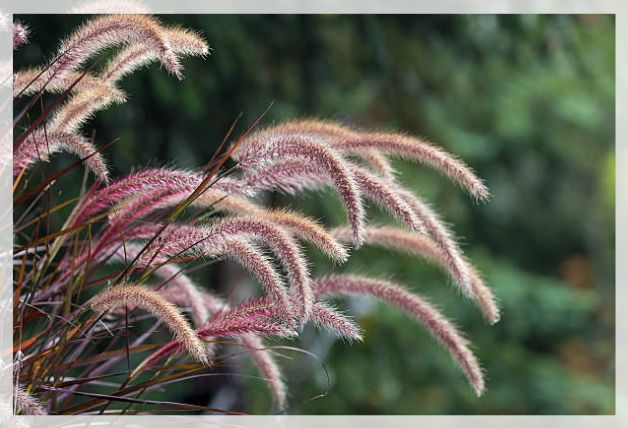
However, the color tends to intensify to a deep-reddish purple in fall.
P. alopecuroides ‘Little Bunny’: Another cultivator of P. alopecuroides, This one stands 12 inches tall with a slightly greater spread.
However, it is important to note that this variety lacks the colorful foliage of burgundy bunny, but features buff-colored flowers.
Pruning and Propagation Tips
The right way or the standard way to prune ornamental grass like purple fountain grass is to cut back severely in late winter or early spring before it begins its new growth.
This will help to eliminate dead foliage and improves air circulation and sun exposure to stimulate the growth of new leaves.
Moreover, you can also selectively trim dead foliage and perform some light shaping on the plant any time of the year.
In order to cut back the grass in the spring, you will need to gather the leaves o each plant.
Then bind them with a rope, masking tape, or bungee cord.
Make sure to use pruners or scythe to cut the leaves straight across, 4 to 6 inches up from the base of the plant.
Comb through the trimmed leaves by hand to remove any additional dead blades and debris.
You can propagate purple fountain grass through division or seeds.
The plants can readily self-seed in the garden, however, root division is the faster and more reliable form of propagation than waiting for seeds.
You will need to do division in the fall after flowering when the plant is going into dormancy.
Take the following steps for propagating by division:
- dig the plant up when it is going dormant
- make sure to use a clean, sharp cutting tool to cut it into two or more sections that contain healthy roots and leaves
- discard any rotten or dead plant matter and roots
- then replant your grass immediately and keep the soil moist as the division settles into its new home.
Growing Pennisetum setaceum from Seeds
It is easy to plant Pennisetum setaceum, purple fountain grass from seed.
Though it will take time to see results.
You will need to collect the seeds from the flowering stems when they are dry, often in the fall.

Then take the steps below to grow the grass from the seeds:
- take the whole stem and allow the flower stalk to dry out in a cool place
- then surface sow the seeds in potting soil with just a dusting of sand on the top
- water until the container is evenly moist
- place the pot in a plastic bag or you can cover it with a plastic dome
- cut a couple of small slits on top of the bag so that the seeds can breathe
- once you have seedlings with two sets of true leaves, you can transplant them to a larger pot
- harden off the plants in the spring and place them in prepared containers or beds
Overwintering Tips
You can dig up the grass and place it in any type of planting container.
Then bring it inside during the winter so that it can survive.
Cut the plants down to 3 inches tall and they will not look ornamental over the winter.
However, they should come back in the spring.
Then place the container in a cool area or room where the temperature is not to reach the freezing point.
The shallow roots of the plant will not tolerate freezing temperatures.
Moreover, offer your plants a moderate amount of light during the winter.
Make sure to water them, but not soggy, and do not let them dry out.
Once the weather turns warmer in the spring, take a week to acclimate the plant by bringing it outdoors for a while during the day and indoors at night.
Common Pests and Plant Diseases
Luckily, the rugged purple fountain grass is pretty resistant to pests and diseases.
With that being said, there are, however, a few more common issues that you will need to keep an eye out for when planting this ornamental in your landscape.
You can notice slugs and snails around your grass.
However, do not stress. While they may occasionally eat the foliage, they are unlikely to cause serious, long-lasting damage to your plant.
Moreover, rust fungus can occur with purple fountain grass due to trapped moisture or humidity between dense clumps.
In this case, make sure to place your plants’ several feet apart from one another to increase airflow.



Leave a Reply