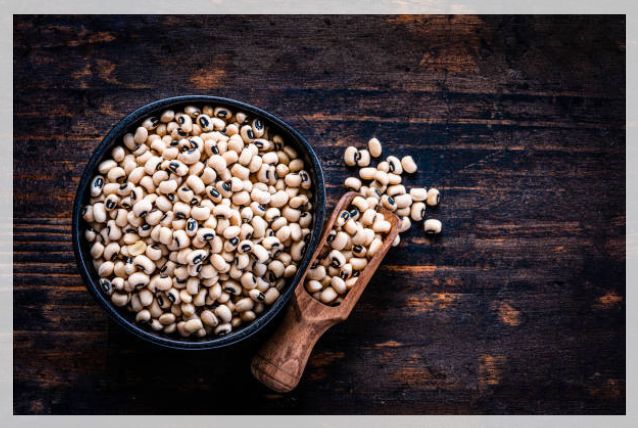
Black-eyed beans are a popular crop that you can find in a summer garden.
It is a protein-producing legume that you can use as a food source at any stage of development.
Moreover, growing black-eyed beans in the garden is an easy and rewarding task, that is simple enough for beginners.
Learning when to plant them is pretty simple and straightforward.
There are a number of types and varieties of black-eyed beans you can choose to grow in your garden.
Their growing info says some types are commonly known as cowpeas, crowder peas, purple-eyed, black-eyed, frijoles, or cream peas.
This plant can be a bush or trailing vine and tends to produce throughout the season or all at once.
It is also helpful to understand which type you have when planting black-eyed beans.
Keep on reading to learn more.
Black-Eyed Beans
A variety of legumes that is related to green beans, yardlong beans, pole beans, and bush beans is black-eyed beans.
These are named so due to the prominent dark spot found on the inner seeds at the point where they attach to the pod.
It is important to note that the pods can be light to medium green, which resembles standard green beans.
Moreover, the seeds within are often whitish or buff-colored with the identifying dark spot at the curved portion of the seed.
These are available in both bush and climbing varieties and are a versatile vegetable that you can eat as an easily snap bean.
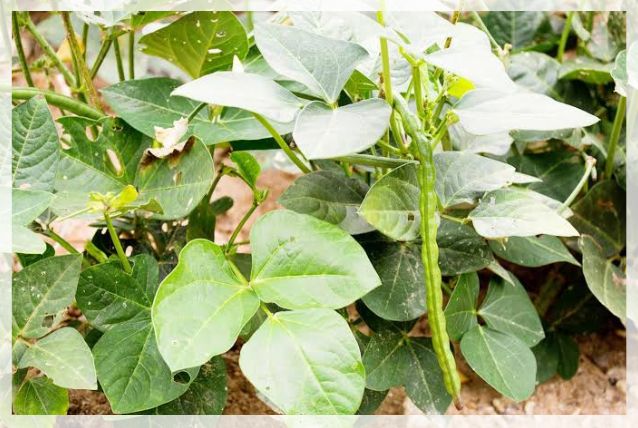
Allow them to mature and you can shell them for cooking peas, or you can allow them to dry on the stem for dried beans.
You will need to plant this plant outdoors from nursery transplants or seeds in spring.
Make sure that the soil temperature has reached at least 65 degrees Fahrenheit before planting them.
While this annual plant can grow in all most any hardiness zone, black-eyed beans do need a failry long season, as some varieties tend to needs at least 90 days to mature.
Quick Facts about Black-Eyed Beans
Some quick facts abotu black-eyed beans are:
| Botanical Name | Vigna unguiculata |
| Common Name | Black-eyed pea, cowpea, southern pea, field pea |
| Plant Type | Annual vegetable |
| Mature Size | 2 to 6 feet (both bush and vine types are available) |
| Sun Exposure | Full sun |
| Soil Type | Sandy |
| Soil pH | Acidic to neutral (5.8 to 7.0) |
| Bloom Time | Summer |
| Flower Color | Yellow, pink, purple, white; not showy |
| Hardiness Zones | Annual plants, grown in all zones |
| Native Area | West Africa |
Planting Black-Eyed Beans
It is important to note that this plant is a heat-loving vegetable that will not take off until the air temperature remaisn reliably warm.
The ideal growing temperature for this plant is 86 degrees Fahrenheit.
Moreover, bush beans tend to mature earlier than vine varieties.

If the weather cooperates, you can also do succession planting every couple of weeks throughout the summer.
You can easily grow bush varieties in containers, although you will not get anywehre neas as many beans as when you plant them in the ground.
And even when the bush variteis are large, full plant, they will likely need some kind of cage for support and to keep them contained.
Growth Requirements
Keep in mind the following requirements of the plant when growing them:
Light: When you provide them with full sun, it will help you give the biggest yield.
The vines will need extra water, especially in hot areas, but they will grow best with full sun exposure.
Soil: It needs to be well-draining, with a soil pH that is slightly acidic to neutral, i.e. 5.8 to 7.0.
When you add some organic matter to the soil before planting them, it will give you both fertility and improved soil drainage.
Water: Make sure to regularly water your plants, especially once they start to flower.
Allow the soil to dry between watering, however, do not leave them thirsty for long periods of time.
When the soil feels dry a couple of inches below the surface, it is time to water your plant.
If at all possible, water the soil, not the leaves as leaving the leaves wet will make them more prone to fungal disease.
So make sure to do your best to keep them dry.
Temperature and Humidity: Black-eyed beans tend to prefer warm summer temperatures.
This is why they are a favorite vegetable in the South.
They tend to grow equally well in dry and humid climates, especially when they receive adequate watering.
Fertilizer: It is important to note that this plant will not need supplemental fertilizer unless the soil is really poor.
If the leaves are unusually pale, you can feed them with a nitrogen fertilizer, like fish emulsion or bone meal.
When you grow them as pole beans, they can use a mid-season boost by side dressing with compost.
Varieties to Plant
Though seeds are often labeled as ‘black-eyed peas’, there are a number of named varieties you can consider planting in your garden.
It is often hard to tell the difference between these varieties, however, you can experiment to find what grows best in your garden.
And which ones do you like the best to eat.
Some popular varieties are:
‘Big Boy’: This one is a prolific bush variety.
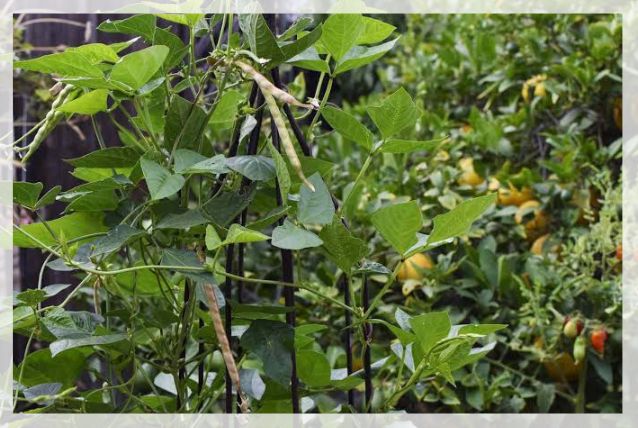
‘California Blackeye’: There are a number of strains, differentiated by a number.
You can check your local extension office for the best one in your area.
‘Queen Anne’: This used to be a compact plant.
However, the most recent cultivator has been bred as a vine.
Harvesting your Plant
It is important to note that you can begin harvesting black-eyed beans as soon as the pods are 3 to 4 inches long.
However, be careful when pulling the pods from the stems, as you can accidentally take the vine along with them.
You can harvest the plant as a snap bean in about 70 days.
To harvest them as dried beans, you will need to wait a little longer, from 80 days to 100 days at least.
Moreover, for shelling peas, you can harvest when the pods are full and you can see the beans swell inside the pods.
For dry beans, you will need to leave the pods on the vines to dry completely.
Growing Black-Eyed Beans from Seeds
You can directly sow the seeds and plant them about 1 inch deep in the soil.
There are both bush and vine varieties of this plant. Make sure to plant the vines at least 2 feet apart.
You can simply broadcast the cush type or plant them every 2 to 3 inches.
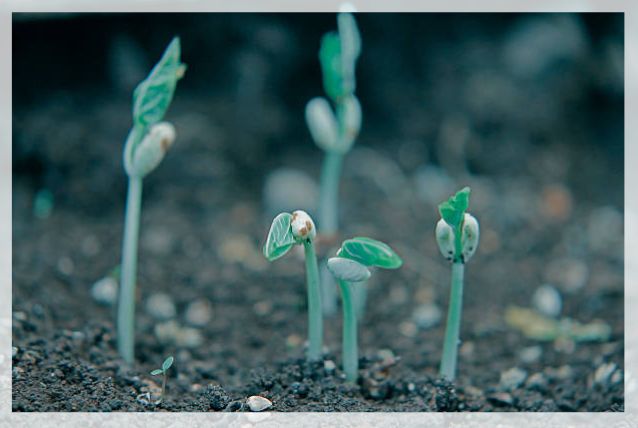
As members of the legume family, these plants tend to benefit from an application of a soil inoculant before your plant the seeds.
The inoculant will allow the plant to absorb nitrogen from the air, thus, increasing the crop yield.
However, do not try and get a head start by planting outdoors early in the soil.
The soil must be warm or the seeds will rot.
If you need to stretch your growing season, you can try warming the soil by covering it with black plastic to absorb sunlight.
If you want to grow your own seedling, you can start the seeds indoors 4 to 6 weeks before the last frost date.
Beans do not transplant well, so you will need to use some type of peat or paper pot so that you do not disturb the roots.
Moreover, you can transplant the plant outdoors when the soil is warm enough, about 60 degrees Fahrenheit.
Common Pests and Diseases
It is important to note that root-knot nematodes tend to attack black-eyed beans in most cases.
You will not notice them until your plant is struggling.
Dig one up and check to see if there are lumps or swellings on the roots, other than the small, white, nitrogen nodules.
Unfortunately, there is no cure, so you will need to remove the affected plants as soon as possible.
Moreover, aphids can spread the bean mosaic virus.
If this becomes a problem, you can plant resistant varieties.
Other than aphids, you will want to watch out for the common bean beetle.
Be ready to knock them into a jar of soapy water.

Leave a Reply