Key functions of soil that keep soil healthy are its texture, shape, and slope.
International changes such as increased carbon dioxide levels, warmer temperatures, changes in rainfall patterns, and increased nitrogen in the environment can impact the environment, substances, and characteristics of soil.
Climatologically linked weather activities cause damage to soil structure. It causes erosion and a loss of nutrients.
Heavy rain can compact soil, making its permeability of water difficult and inhibiting flora’s access to nutrients.Also, it lowers fertility and productiveness and may threaten food security.
Soil Erosion:
It’s insurance anywhere to see the increasing climate change-induced soil erosion. Increased temperatures and intense storms, both of which are effects of climate change, exacerbate the problem of soil erosion. Instead of soaking in, the water runs off and carries away the fragile topsoil that contains all the nutrients necessary in agriculture.
Wind is also a factor. Stronger, stormier winds, especially in places where the ground is bare and dry, just strip the earth clean. If a large storm approaches, then this soil has no chance. The rain pounds down, the ground can not take it in time, and the best part of the soil is washed away.
But the fallout is not just about the environment. Less soil means farmers produce less food. That’s more struggle for families who get their money and food from their land. Soil that is eroded, together with chemicals from farms, ends up in rivers or lakes and pollutes water that is needed by people and animals.
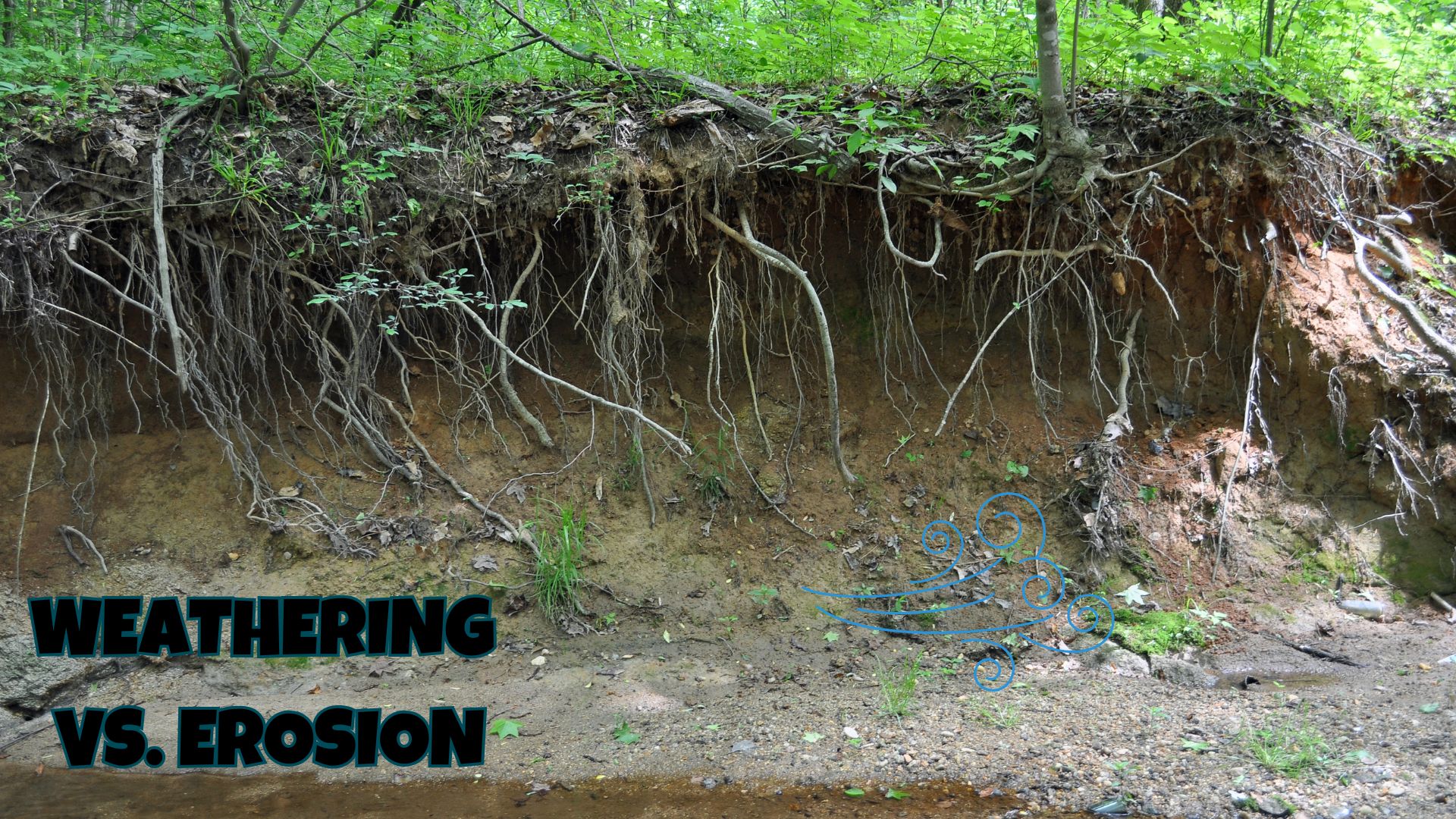
There is more. There’s more: warmer oceans, rising sea levels, melting glaciers and icebergs, more frequent and severe floods and storms, changing rainfall patterns, and the shift in temperature patterns. Climate change-triggered variables affect soil stability in various ways. Some regions may experience a greater runoff in high mountain regions, while those in the dry areas are more prone to erosion than before. What actually happens to the ground through wind or rain is dependent on local topography and human stewardship, so there are different scenarios.
When there is very little vegetation or crop residue on the ground, the natural protection of the soil is lost. The soil starts to get eroded, and in extreme cases, it causes major problems of land degradation and desertification. Scientifically, there are two approaches to assess the effects of shifting weather patterns on soil erosion. Sometimes, they carry out empirical experiments in the farmland, and sometimes they use models to simulate the process. They actually heat up pieces of land using wires and heaters buried beneath the surface to determine how global warming affects soil erosion. Then the soil is observed and tested for its physical stability and the yield of the planted crops.
IMPACTS:
All of this can throw farming for a loop.
Growing seasons got strange and unpredictable.
The soil becomes weak and infertile.
That results in food shortage.
The soil holds less carbon;
Water quality is also compromised when loose soil is washed down rivers and streams.
Loss of Soil Organic Matter:
Climate change isn’t just a far-off trouble; it’s formerly shaking effects up everywhere. Growing temperatures, fewer hothouse feasts, changeable rain—they all come together and mess with the alleviation of husbandry soil. It’s not just that shops are growing pokily or yields are dropping; the very stuff that keeps soil stalwart—its natural caretakers—is taking a megahit. This natural array packs carbon and energy, increases biodiversity, maintains soil structure, reduces runoff, and enables the base to absorb water. Temperature and rainfall are the primary determinants of how soil is naturally maintained, and without these elements, most of the effects are non-existent.
Factory life is calculated on soil; growers calculate on it, indeed, more. However, food safety takes a dive otherwise. Temperature and downfall are the climate factors that determine how long the soil remains wet. While the air temperature increases, this also accelerates the pace of biochemical and organic reactions in soil, and the suppliers are also affected. Soil shops carbon in two approaches: natural and inorganic. The organic stuff naturally comes from what foliage departs from, each above and beneath ground. Microbes destroy it, and that builds up carbon in the soil—a procedure deeply connected to the global fight towards rainfall exchange.
So, what occurs while climate change quickens the loss of soil’s natural flashback? Advanced temperatures and moving rain patterns destroy down organic fabric quicker. However, soil step by step loses nutrients and forestalls helping healthy crops if corruption outpaces loss.
Severe climate doesn’t help. Heavy rains, cataracts, and famines wear down at the soil, pulling precious layers out and reducing factory cover. Factory life feeds the soil—not just with their leaves still with roots, too. Strip down flowers, and the soil starts dropping its uproariousness. Over time, cropland gets much less effective, and soil excellence goes upward.
That’s what that loss looks like
1. Soil Fertility Drops
Organic count gives soil nutrients like nitrogen, phosphorus, and sulfur. When it dwindles, crops don’t grow as well, and yields fall.
2. Shape receives Worse
Natural count sticks soil debris together. Whilst it’s long history, soil can harden and compact, making it hard for roots to push through.
3. Water Holds inadequately
Rich soil continues humidity. With lower organic dependence, it dries out presto, and shops suffer in failure.
4. Corrosion receives Worse
Weaker soil fluently washes or blows down, making matters indeed tougher for growers.
5. Microbial life declines.
Microbes — the little people in soil — lose their gas without natural matter, so interest plummets.
Absolutely, losing organic count isn’t only a minor detail. It threatens the whole machine, from shops and food to growers’ livelihoods and the earth’s carbon balance.
Changes in Soil Microorganisms:
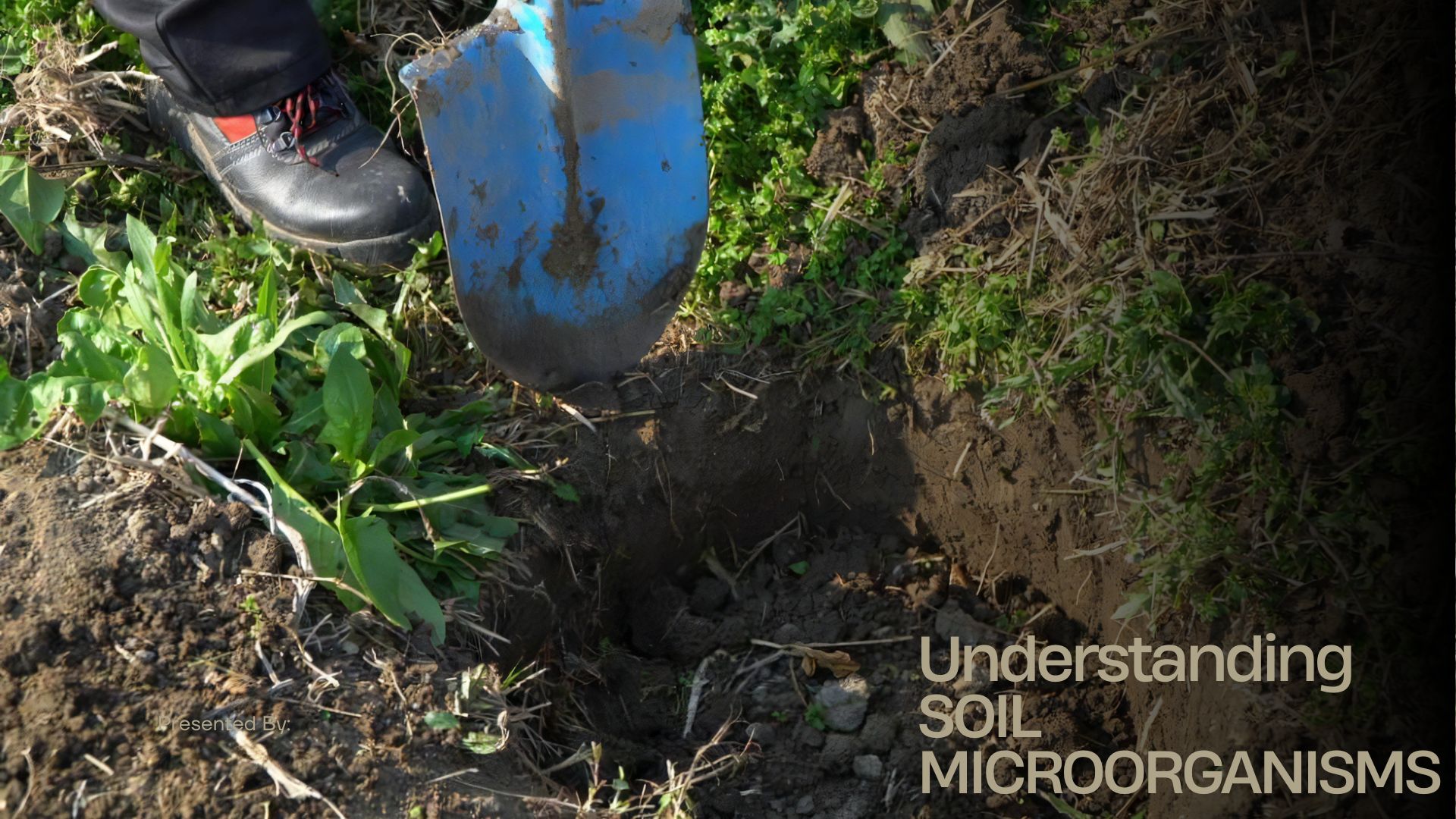
Climate change has the ability to damage the soil microbiome, which is composed of numerous microscopic organisms that play a vital role in the well-being of plants. These changes cause the microbiome to malfunction, which reduces food production and increases the chance of diseases and pest attacks on plants. Vegetable crops are most vulnerable because they are grown more in dry and semi-dry areas where the soil microbiome faces maximum stress. Also, the fact that vegetable crops are picked several times a year further increases the pressure on the soil microbiome.
It has several ways to alleviate the adverse effects of climate change on the soil microbiome and vegetable farming. Planting cover crops can protect the soil from erosion and make it nutrient-retentive. Growing vegetable crops that can suitably cope with the local climate is one other viable solution. No-tilling the soil and integrated pest management (IPM) in controlling pests and diseases affecting vegetable crops can help as well.
Climate change factors like increased carbon dioxide levels in the atmosphere, increased temperatures, variations in precipitation, and drought spells have a direct influence on soil micro-organisms, as well as altering other environmental variables. Research on climate change and microbes is supposed to consider the effects of the stated impacts on microbes. The application of various climatic models to scientific research will help determine the response of soil micro-organisms to climate change. However, either individual changes or several changes collectively may have several different impacts on the soil microbiome.
The microbial science community remains the only place where discussions on the role of microorganisms in the effect of climate change are held even though the threat posed by climate change is immense; thus, it is only through the study of how climate changes may affect microbes and their interactions with human beings and their environment that an accurate prediction of how future climate may change can be made.
Drought has been projected to be one of the main impacts of climate change on mesic grassland ecosystems. Also, increased desertification is expected in most semi-arid and arid regions in the coming years. Increased drought spells are expected to diminish the functions of microbes that sustain healthy ecosystems. Cadastral maps become resource islands when there is a deficit of water in the inter-particle spaces of the soil. This results in immobilization of soil organic carbon and its release as carbon dioxide. The response varies from low productivity due to dry conditions to less carbon lost courtesy of less breathing.
Disadvantages of Changes in Soil Microorganisms.
Nutrient Cycling Reduced:
The microorganisms in the soil help to break down organic materials and release important nutrients like nitrogen and phosphorus. With a decrease of their activity, plants have reduced access to nitrates and other nutrients.
Weak plant growth:
Beneficial microbes strengthen plant roots and aid nutrient uptake. Crop Growth and Yield Beneficial microbes maintain a favorable environment for plant roots, as well as assimilate nutrients for plant roots.
Reduction in Soil Fertility:
Decreased Soil Fertility Microorganisms help control soil fertility. Decreased Microbial Activities in Soil Fertility Microorganisms help to control soil fertility;
Rise in Plant Disease:
A balanced microbial community plays a crucial role in controlling harmful pathogens. Climate change can diminish the presence of beneficial microbes, promoting the proliferation of harmful microbial communities, resulting in increased plant diseases.
Slower Decomposition of Organic Materials:
Microbes are responsible for the decomposition of plant and animal materials in soil; If their activity is disturbed, the rate of decomposition is decreased and nutrients are less efficiently released.
Nitrogen Fixation Disruption:
Increased Soil Salinity:
Climate change and higher temperatures might lead to more evapotranspiration, which is the process of evaporation of water from the soil. This means that as the water evaporates, the salt is left behind in the soil, leading to an increase in salinity levels. Agriculture is intimately linked to climate change. Agriculture is interlinked with climate change, and changes in climate can directly affect yield, water resources, biodiversity, and soil status. Changes in rainfall patterns, rainfall intensity, and other extreme weather events can affect food production efficiency in agriculture. Primarily, the impact of climate change on agriculture worldwide is negative. To be sure, climate change will have positives and negatives on agriculture, but the negatives will be more than positives. There are also some positive impacts climate change has on agriculture. Such possible increases in crop yield may be ameliorated by extreme conditions such as heat waves, droughts, and floods.
Understanding of how climate change affects land reclamation, especially the salinity of irrigated land, involves making complex decisions. For instance, temperature fluctuations result in extended periods of heat stress, which limit groundwater resources and increase the salt content in inland soil. That way, proper land reclamation planning and management can be done in such areas.
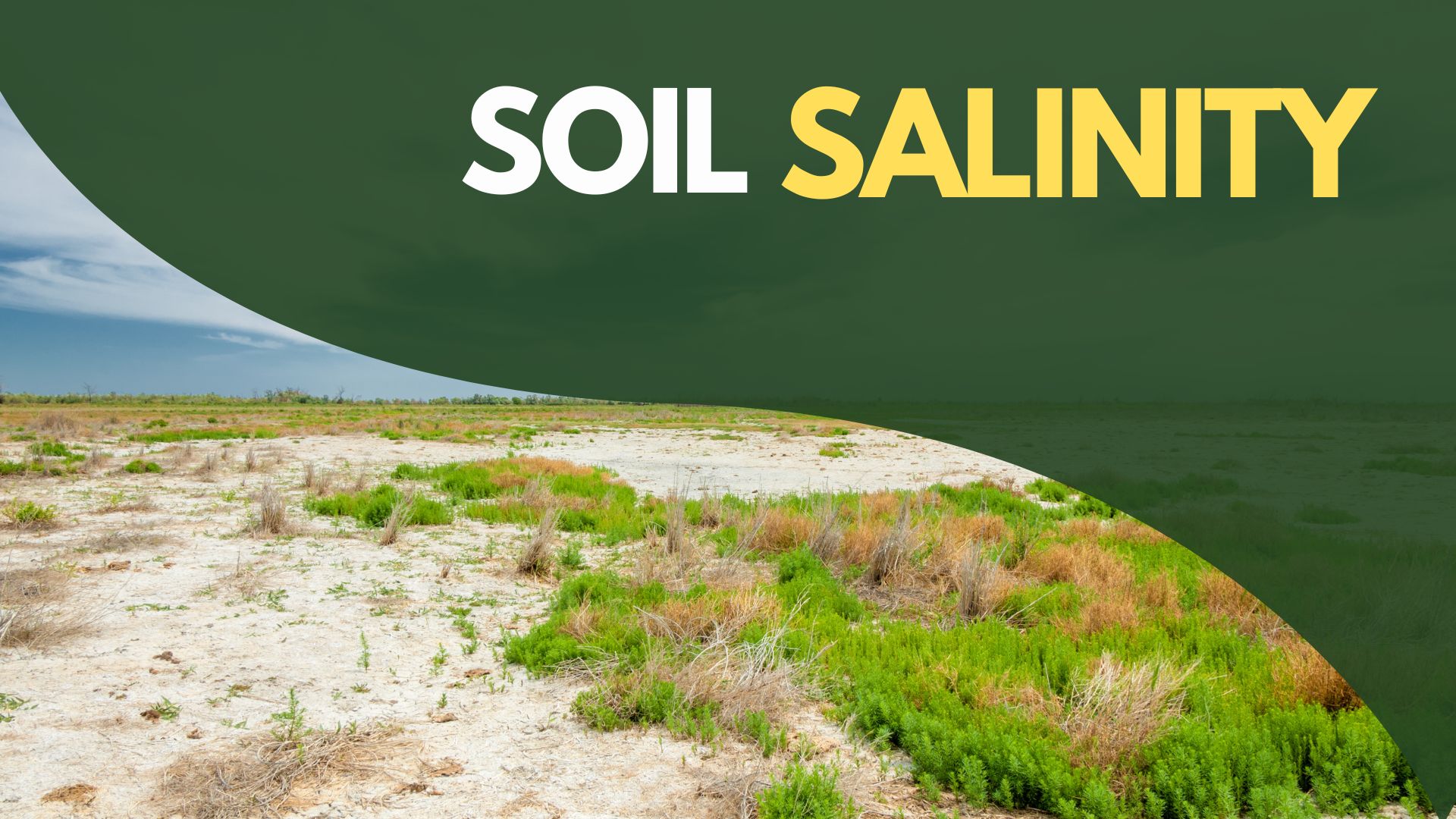
The danger of high soil salinity is that it adversely affects plant growth and causes soil degradation. Saline land has reduced agricultural productivity, affecting the livelihood of farmers and the economy of the region. It is important to predict the development of soil salinity for the sustainable development of agricultural areas, their ecosystem, and irrigation methods. Thus, accurate information obtained through monitoring and evaluation of changes in soil salinity is necessary for developing appropriate strategies aimed at enhancing agricultural productivity as well as efficient management of soil resources.
The salinity in root zone soil happens due to limited water supply in dry and semi-dried irrigated lands, movement of salts up from shallow water tables, usage of poorer quality water, and entry of saltwater from the ocean. Rainfall fluctuations have significant effects on soil salinity in the root zone. Heavy rainfall increases the water table. In such a situation, water could move upward through capillary action, bringing salt to the surface. As a result, salinity occurs at or near the soil surface during dry spells when there is insufficient rain to flush out salts from the root zone.
Nutrient Leaching:
The soil nutrient cycle is a factor that climate change impacts and that keeps ecosystems healthy and also maintains optimal crop yields. As the temperature rises, microbial activity, availability of nutrients, and organic matter decomposition rates are also affected. Such changes disturb the carbon and nitrogen cycles, fundamental soil components. Increase in moisture levels, drought, and high-intensity rainfall events are likely to cause soil erosion, nutrient washout, and soil compaction. The changes therefore impact negatively on soil fertility and pose food safety risks as well as risks to ecosystem stability. Reduced tilling, better control of water, and adding organic materials to soils can help prevent adverse climatic conditions on the soil.

However, climate change is beginning to disrupt some natural processes.
Rising global temperatures, shifting rainfall patterns, and more frequent extreme weather events alter the characteristics and functions of soil, which has significant implications for the movement of nutrients. This biological, chemical, and physical transformation includes carbon (C), nitrogen (N), and phosphorus (P). Direct impacts are through soil temperature and moisture changes, while indirect impacts occur through alteration of plant growth patterns and soil microbial communities. Microbial activity is accelerated as a result of high temperatures, which leads to the rapid conversion of organic matter, and rainfall changes contribute to nutritional losses and gains.
Other than that, climate change has major effects on the nitrogen cycle.
Some of the processes that are affected by changes in temperature and moisture include nitrogen mineralization and nitrification. A sped-up nitrogen mineralization nitrification under warmer conditions might cause more nutrient loss through leaching and a fewer nitrogen supply to plants. Changes in soil microbes as a result of climate stress can also have impacts on the nitrogen cycle, which may affect soil fertility and plant growth.



Leave a Reply