Controlled-environment agriculture, or CEA, includes indoor agriculture and vertical farming. It refers to systems where crops are grown in greenhouses or other enclosed structures using methods that go beyond traditional outdoor farming. These methods involve using horticulture and engineering to create the best possible growing conditions. CEA can lead to higher crop yields, better access to fresh, local food, food availability all year round, and improved nutrition compared to large-scale outdoor farming. The goal of CEA is to protect plants from harsh weather and maintain ideal growing conditions throughout their growth cycle. Production happens in enclosed areas like mushroom farms, greenhouses, or plant factories. Often, plants are grown in soilless systems so that water and nutrients can be precisely delivered to the roots, along with extra lighting to ensure plants get enough light each day. CEA helps make better use of resources such as water, energy, space, money, and labor.
Why Is CEA Important?
CEA allows farmers to manage temperature, light, humidity, water, and nutrients in a controlled setting. This technology helps increase production and results in better quality crops. Another important advantage is how efficiently it uses resources. CEA uses less water than traditional outdoor farming. Also, because the crops are grown in a controlled environment, they are less likely to be affected by pests, which means there’s less need for chemical pesticides.
Benefits Of Controlled Environment Agriculture?
Year-round production:
CEA makes it possible to produce crops throughout the year, regardless of the weather conditions outside. This technology provides a consistent and controlled environment that promotes a reliable food supply, reducing the need for seasonal farming.
Resource efficiency:
CEA makes use of precise techniques to conserve water, fertilizer, and land.
Urban food security:
Makes it possible to produce food closer to where people live, making food delivery more efficient.
Lower environmental impact:
This technology helps to reduce the use of pesticides, reduces runoff, and preserves the soil.
High-quality produce:
CEA makes it possible to control growing conditions to promote better growth, nutritional content, and appearance.
Types Of CEA:
GREENHOUSE:
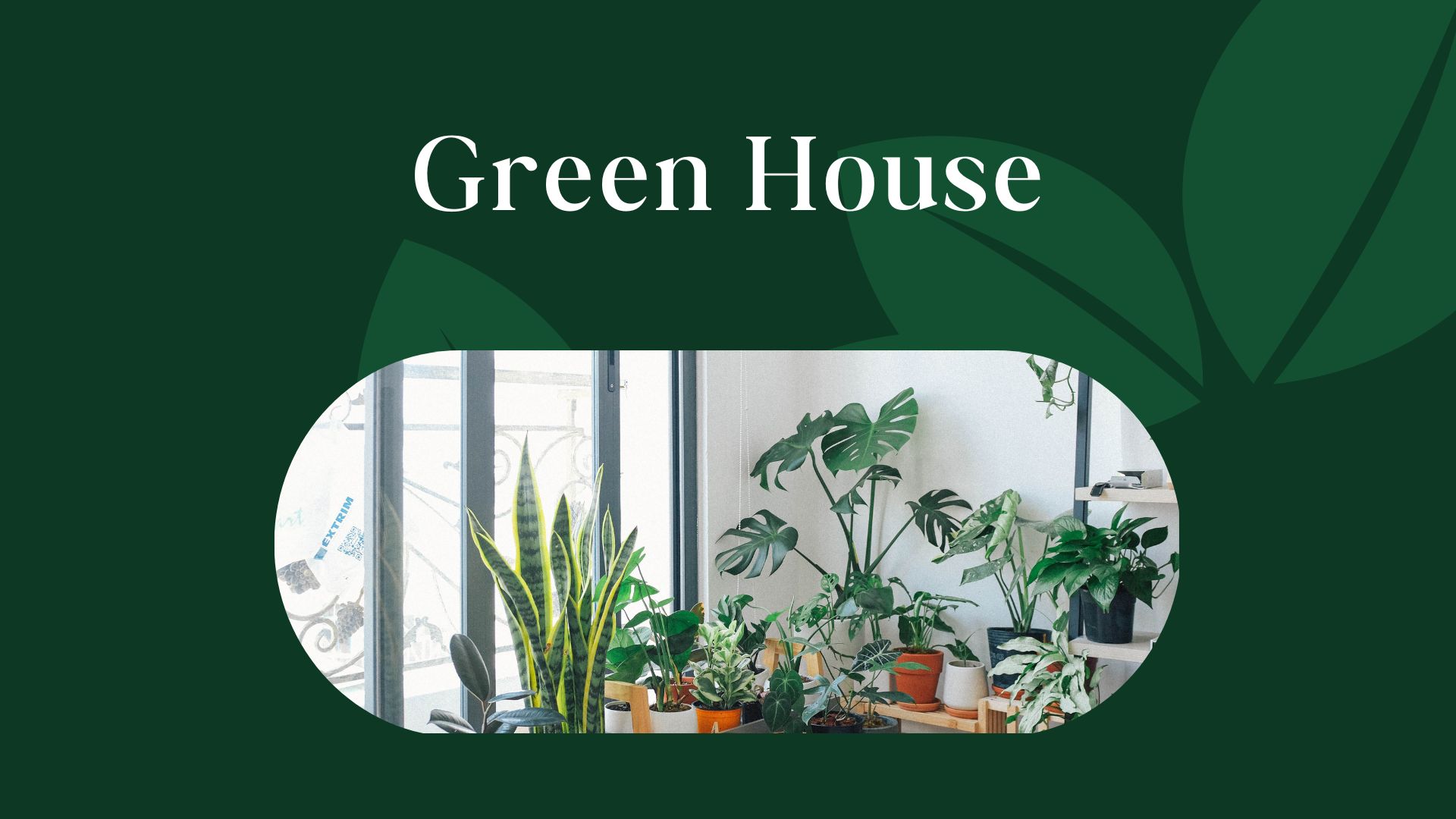
Greenhouses are built to use natural light and allow for a lot of control over the environment inside. They usually have frames made of galvanized steel or aluminum, and the covering is made of clear or semi-transparent materials like glass, rigid plastic such as acrylic or polycarbonate, or high-performance plastic film made from fluoropolymer. The choice of material depends on how much and what kind of light is needed to pass through. Additional lighting is often used to increase the number of hours plants get light during the day.
Managing temperature, humidity, gas exchange, and light in greenhouses can be done with simple or very advanced systems.
Most large-scale farms use high-tech methods to keep the environment just right. Recently, artificial intelligence and machine learning are being used more and more to make the growing conditions better and help produce more crops.
BENEFITS OF GREENHOUSE
5. Production in regions with adverse weather conditions.
6. Ability to grow all year. You can get more than one crop cycle per year and different species of plants.
7. Optimizes the use of other technologies to facilitate the management of climate (heating, humidification, shade screens, saving energy, etc.)
VERTICAL FARMING:
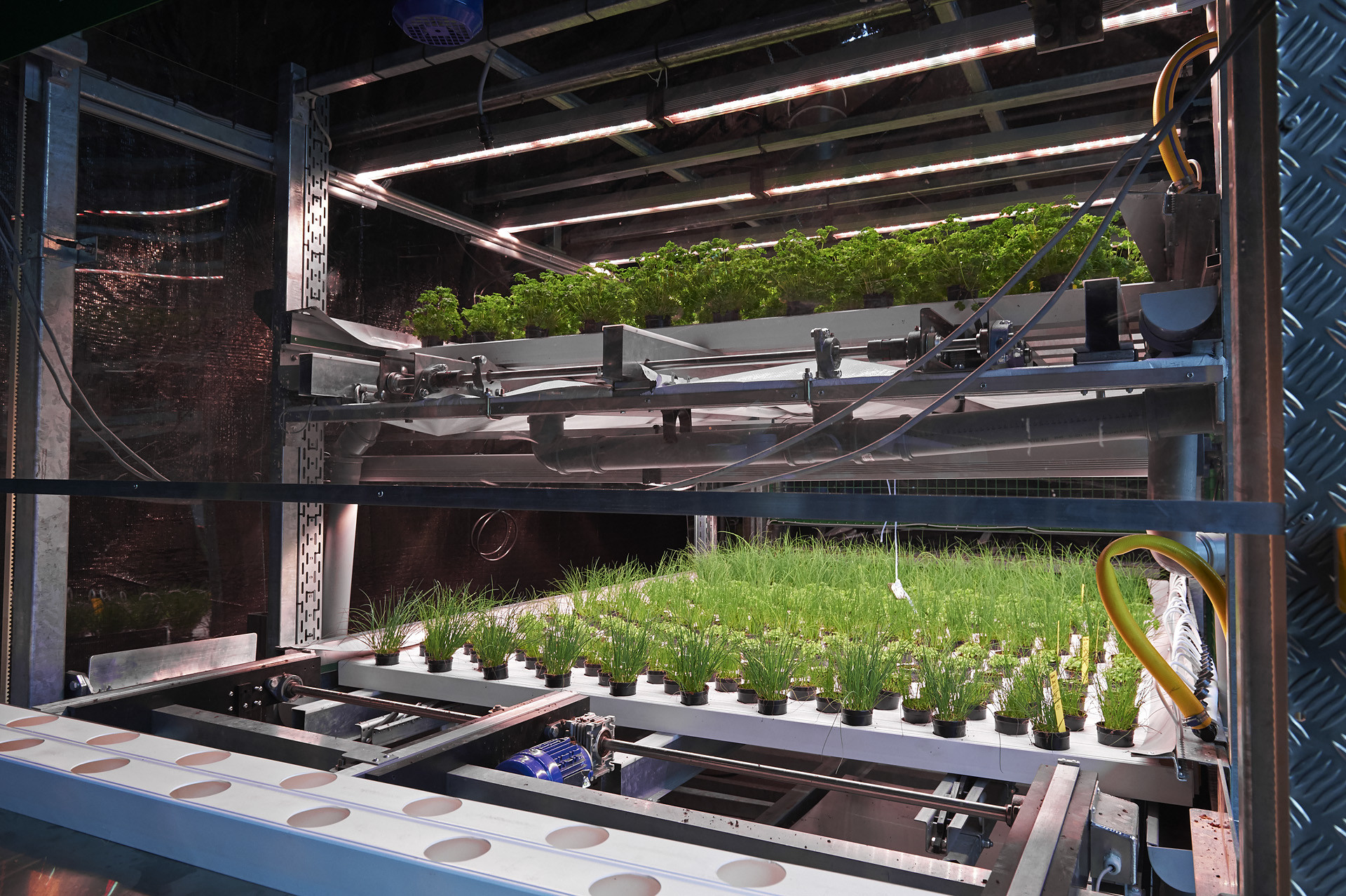
Vertical farming is more than just a method of stacking plants. It also entails controlling factors such as light, temperature, humidity, and nutrients.
This makes it possible to farm all year round, even in areas where there is limited space and resources. The aim is to produce healthy and consistent crops while consuming fewer resources and having a smaller environmental footprint than traditional farming.
Why Vertical Farming Matters:
Vertical farming is significant as it provides solutions to the problems of urbanization, land use, climate change, and food security. Some of the advantages of vertical farming include:
Land use efficiency—growing more food in a smaller area, which is beneficial in urban areas
Resource use efficiency—using less water, fertilizer, and pesticides compared to traditional farming
Year-round production—overcoming seasonal constraints and crop damage due to weather conditions
Local food systems—reducing transportation-related greenhouse gas emissions and increasing food freshness
Innovation in agriculture—applying technology, automation, and data analysis to improve farming practices
Vertical farming is a sustainable and technologically advanced method of providing food for the increasing urban population without harming the environment.
HYDROPONICS:
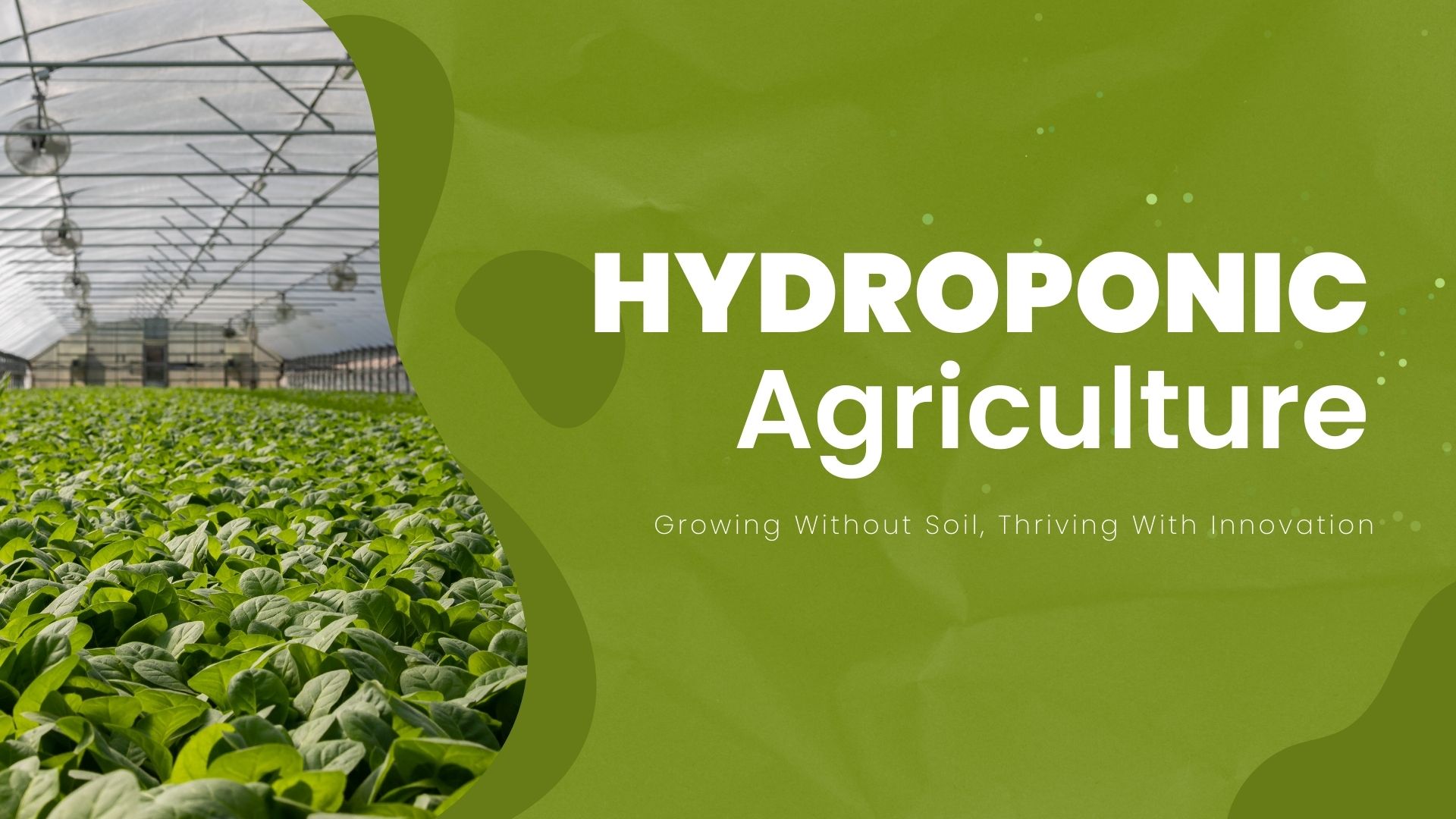
This method grows plants in water that has all the nutrients they need, without using soil. Hydroponic systems use less water and can help plants grow faster. In these systems, crops are placed in water that’s full of oxygen and nutrients, and sometimes a growing material like vermiculite, coconut coir, or perlite is used to hold the roots up. The kind of system used depends on what’s being grown, how much space is available, and how much it costs. Hydroponics is a way of growing plants using a nutrient-rich water solution instead of soil, and it’s used by small farmers, hobby growers, and big businesses.
Why Hydroponics Matters:
Hydroponics is important because it provides a water-efficient method of growing plants compared to soil-based agriculture. The main advantages of hydroponics are as follows:
- Water efficiency: Consuming much less water than soil-based farming
- Increased crop yields: Growing plants much faster and more productively per square metre
- Land independence: Allowing crop production in areas that are not suitable for soil-based agriculture
- Less disease: Reducing soil-borne diseases and pests
- Crop rotation or fallowing is not required.
- Transplant shock is eliminated.
- Weeding and tillage are not required.
INDOOR FARMING:
Indoor agriculture does not utilize large-scale machinery, such as tractors, and it is also more sustainable than traditional agriculture, as it uses significantly less water. Indoor agriculture also uses a high level of technologically sophisticated equipment, such as fully automated growing benches, and engineering equipment that is utilized in conjunction with greenhouses to produce plants in a controlled indoor environment. Indoor plant growing (or gardening) is not a new idea; however, producing leafy greens through indoor farming on a larger scale is different. The vast majority of commercially available produce is grown through indoor farming. As a result, the continued increase in the global population and the negative impact that climate change (in terms of climatic changes affecting growing conditions and an increase in natural disasters) has had on the agricultural sector will necessitate new approaches to farming. Historically, agricultural production has successfully occurred primarily over large tracts of land with favorable climates; as previous agricultural production systems are put through these challenges, the continued ability to produce food continues to improve through indoor farming. Indoor agriculture effectively expands upon the previously established growing environment by providing a controlled indoor environment for growing crops within a building. Critical growth characteristics, such as temperature, humidity, light, nutrients, and air circulation, can be managed precisely and consistently. Indoor farming allows for continuous crop production, regardless of environmental conditions.

Benefits Of Indoor Farming:
Indoor farming has the greatest benefit of providing growers the ability to grow their crops in a way that allows them to achieve high crop yields by optimizing all aspects of the crop production process. This means that growers do not have to worry about the risks associated with outdoor growing – such as droughts, storms or insects – because they are able to control all of the factors that affect plant growth, such as the amount of light the plants receive.
Indoor farms also tend to use significantly less land and water than traditional agriculture, which makes them much more efficient, reliable.
By producing food at or near the point of consumption, indoor farms are also able to eliminate or greatly reduce the carbon footprint associated with transporting food long distances. This is primarily due to advancements in technology and automation, which allow for lower labor costs and greater efficiency in the production process.
- Space efficiency
- Resource efficiency
- Improved sustainability outcomes
AEROPONICS:
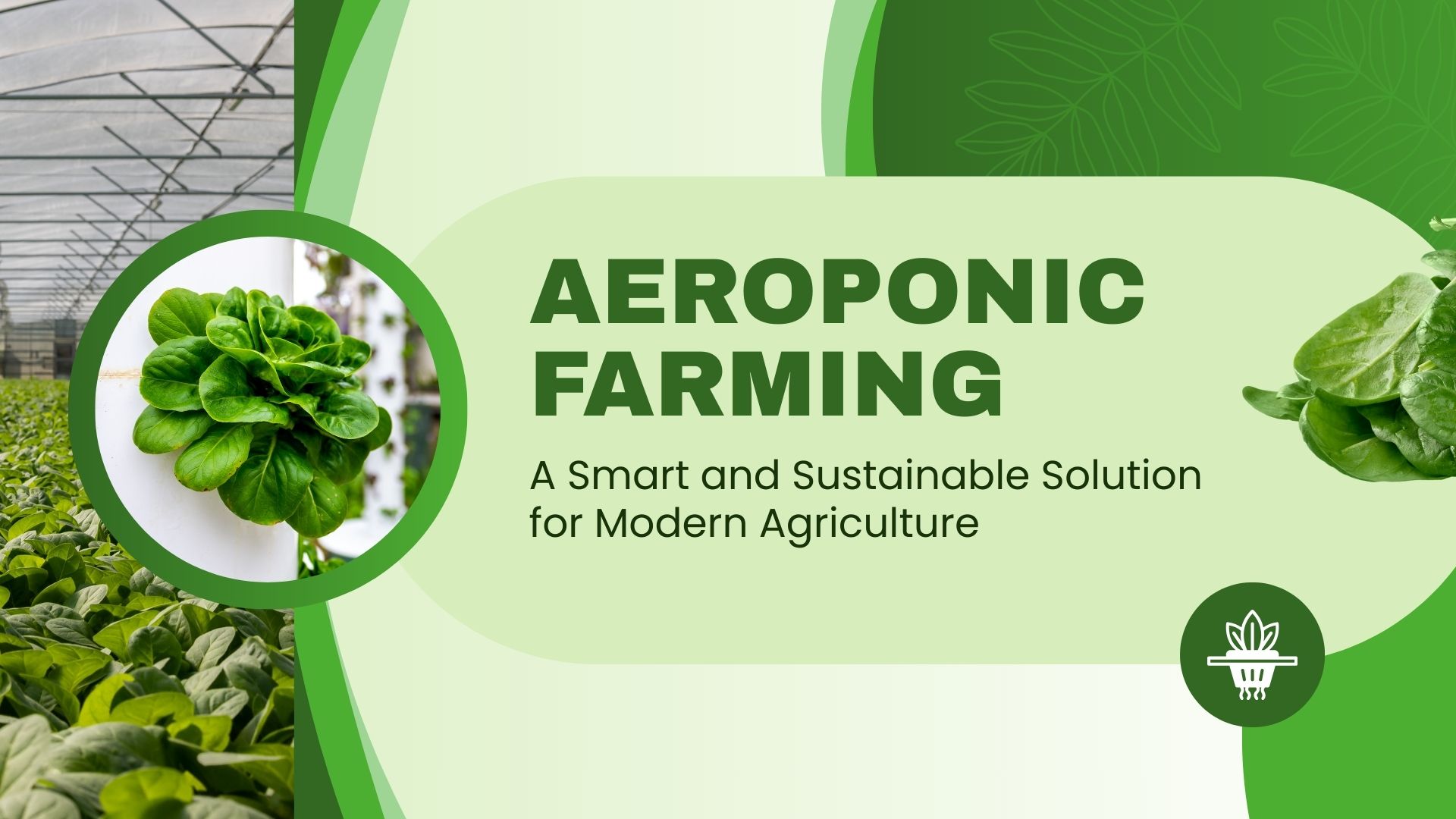
BENEFITS OF AEROPONIC:
Challenges For Controlled Environment Agriculture:

High cost of initial investment:
Technical Knowledge Required to Operate CEA Systems:
There is significant technical knowledge required to run and maintain a CEA farm system. Farmers need to know how to manage various environmental factors that impact plant growth and yield, including temperature, humidity, light intensity, nutrient solution, and carbon dioxide levels. Making even the smallest errors with how you monitor these various environmental factors can adversely impact the growth and yield of your plants. It also takes both education and hands-on experience to operate automated systems and properly assess and interpret data received from the various sensors used to monitor the different environmental factors that affect plant growth. So without having the necessary knowledge and training, it can be very difficult to create and maintain stable growing conditions.
High Consumption of Electricity:
Controlled environment farming systems rely extremely heavily on electricity for heating, cooling, ventilating, irrigating, and lighting the crops grown in these farms. Indoor vertical farms especially use a very large amount of electricity for artificial (LED) grow lights used to produce light for plant growth. Therefore, if electricity costs are high or electricity supply is unreliable, the cost of doing business in areas with these conditions will rise.

Leave a Reply