
A hyper-local approach requires a detailed understanding of the different soil types, mineral qualities, irrigation water quality, and wind movement throughout the seasons of a given region. This means selecting crops naturally suited to hot climates, adding organic matter to improve soils, and creating efficient irrigation systems in order to use less water during the summer, when temperatures exceed 45–50 degrees Celsius. To create a hyper-local approach to GULF-DESERT agricultural production, the first step is to understand the nature of the climate of the GCC countries; it is extremely hot and very variable. The six Gulf Cooperation Council (GCC) countries, the United Arab Emirates (UAE), Saudi Arabia (KSA), Qatar (QAT), Oman (OMN), Kuwait (KW), and Bahrain (BA), have long hot summers (> 45 degrees Celsius) and: – Lots of sun – Salty soils – Very little rain – Lots of sandstorms Even different regions within each country can have vastly different conditions. For example, coastal cities of Dubai and Doha have high humidity, making it harder for plants to grow and adding additional wear and tear on farming equipment, while inland areas such as Riyadh have low humidity, large temperature swings, and increased sand movement.
Salinity management in Al Ain region:
The Al Ain and Al Dhafra regions’ management of soil salinity is not satisfactory and may significantly impact long-term agricultural sustainability. Therefore, EAD prepared a Soil Salinity Management Plan to restore and manage farms affected by salinity in cooperation with various stakeholders under local Law No. 5 of 2016, which governs groundwater use and the development of agricultural land throughout the Emirate.
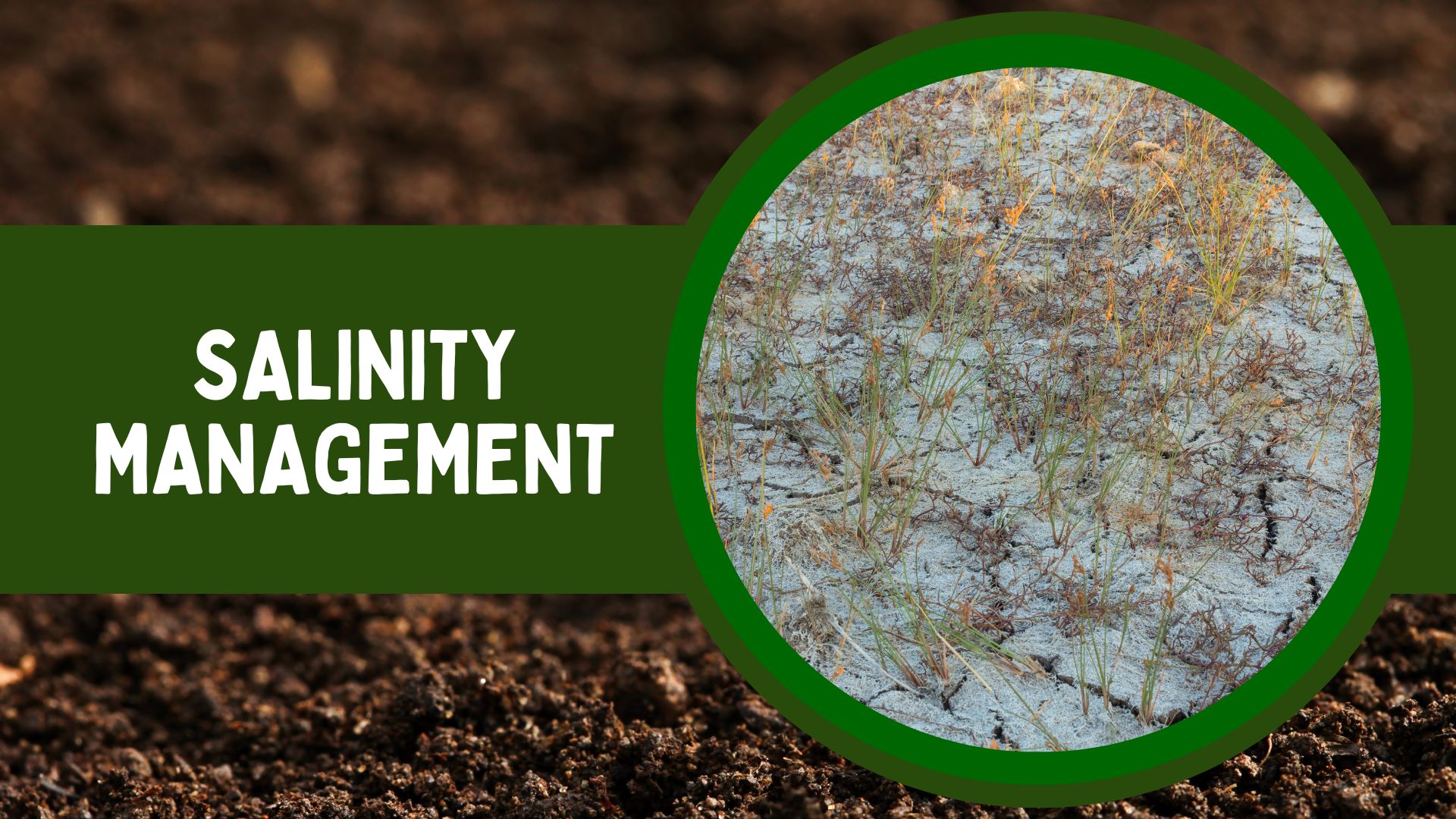
This plan contains specific recommendations for each of the 16 irrigation districts in Abu Dhabi. Additionally, soil suitability maps and data on the quality of groundwater will contribute to more efficient use of water resources, which will curb the spread of degradation of land from soil salinity.
Sandy soil structure in Abu Dhabi:
Water-saving irrigation:
The summers in the UAE are very harsh for gardens, with temperatures soaring above 45 degrees Celsius and humidity that can be very testing for even the hardiest plants. But after more than 20 years of dealing with the gardening needs of thousands of gardens in Al Ain and Abu Dhabi, we have found ways to keep your outdoor space looking its best and staying healthy even during the peak summer months.
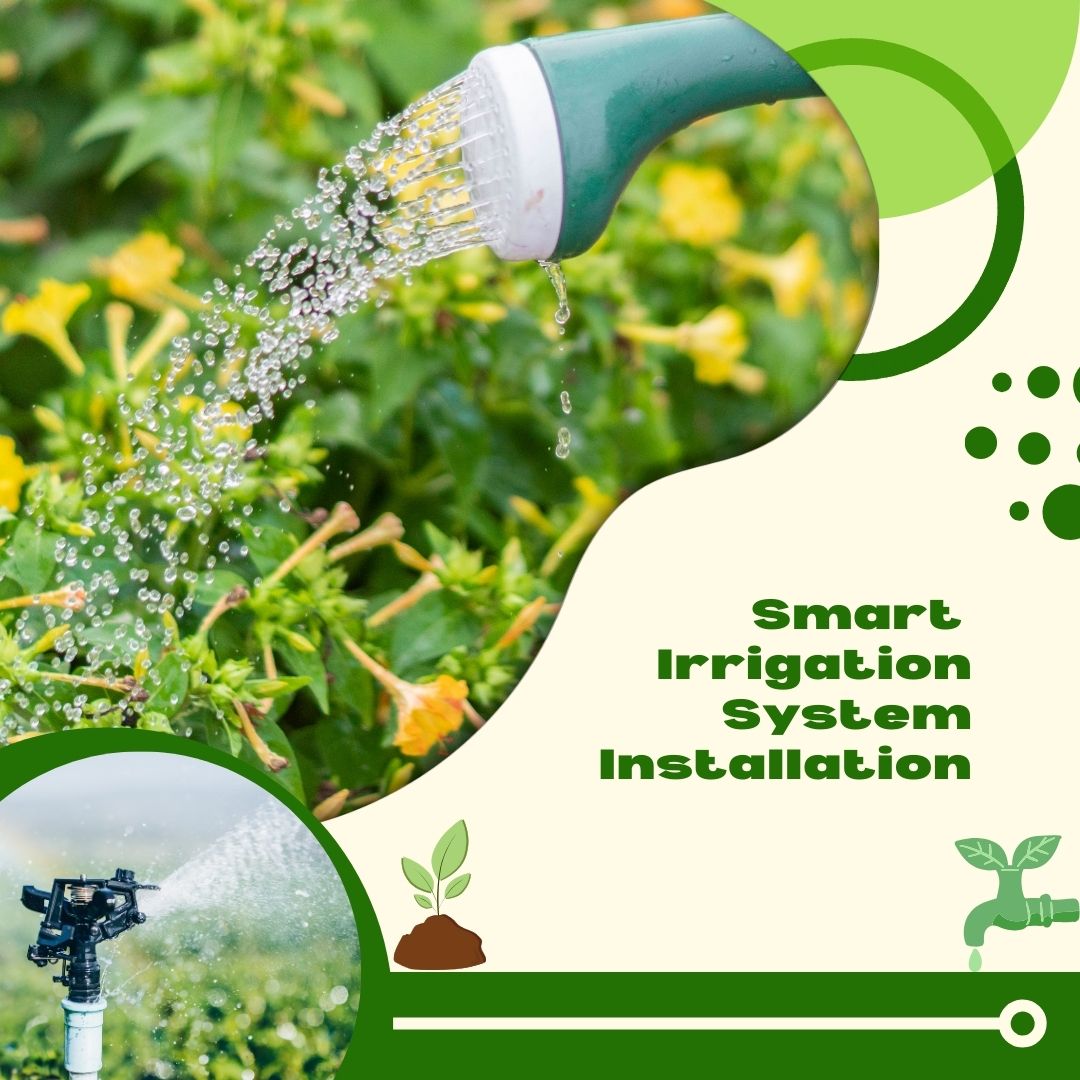
Drip Irrigation:
This is the most efficient method of providing water and nutrients to plants in agriculture.
It provides just the right amount of water and nutrients to the roots of the plants at the right times. This results in healthier plants, which in turn means greater productivity and makes agriculture more sustainable.
Mulching: Your Garden’s Best Friend
– Keeps the soil cool by as much as 10 degrees Celsius
– Retains soil moisture, which can reduce water consumption by as much as 30 to 40 percent
– Prevents weeds from growing, which steal water and nutrients meant for your plants
– As it decomposes, it adds valuable organic matter to the soil
– Wood chips, bark, or coconut coir are some of the best materials to use.
Plant Protection Strategies:
Keep your delicate plants safe from harsh sun and heat with these simple tricks:
Drape a shade cloth (aim for 30 to 50 percent coverage) over sun-sensitive plants.
Group your plants based on how thirsty they get, so you don’t waste water or miss anyone.
Spray them with an antitranspirant to help lock in moisture.
Trim off any dead or damaged bits—it gives your plants a better shot at bouncing back.
Move potted plants into cooler, shadier spots when the day’s at its hottest.
Local wind and sandstorm protection :
Here’s how sand and dust storms work, where they tend to hit, and when they usually show up. These storms do a lot—sometimes good, sometimes bad. They can ruin crops, make soil less productive, hurt the economy, force people to move, and cause health problems. They even mess with the climate. But honestly, it’s not all bad news. Sand and dust storms can have some positive effects, too.
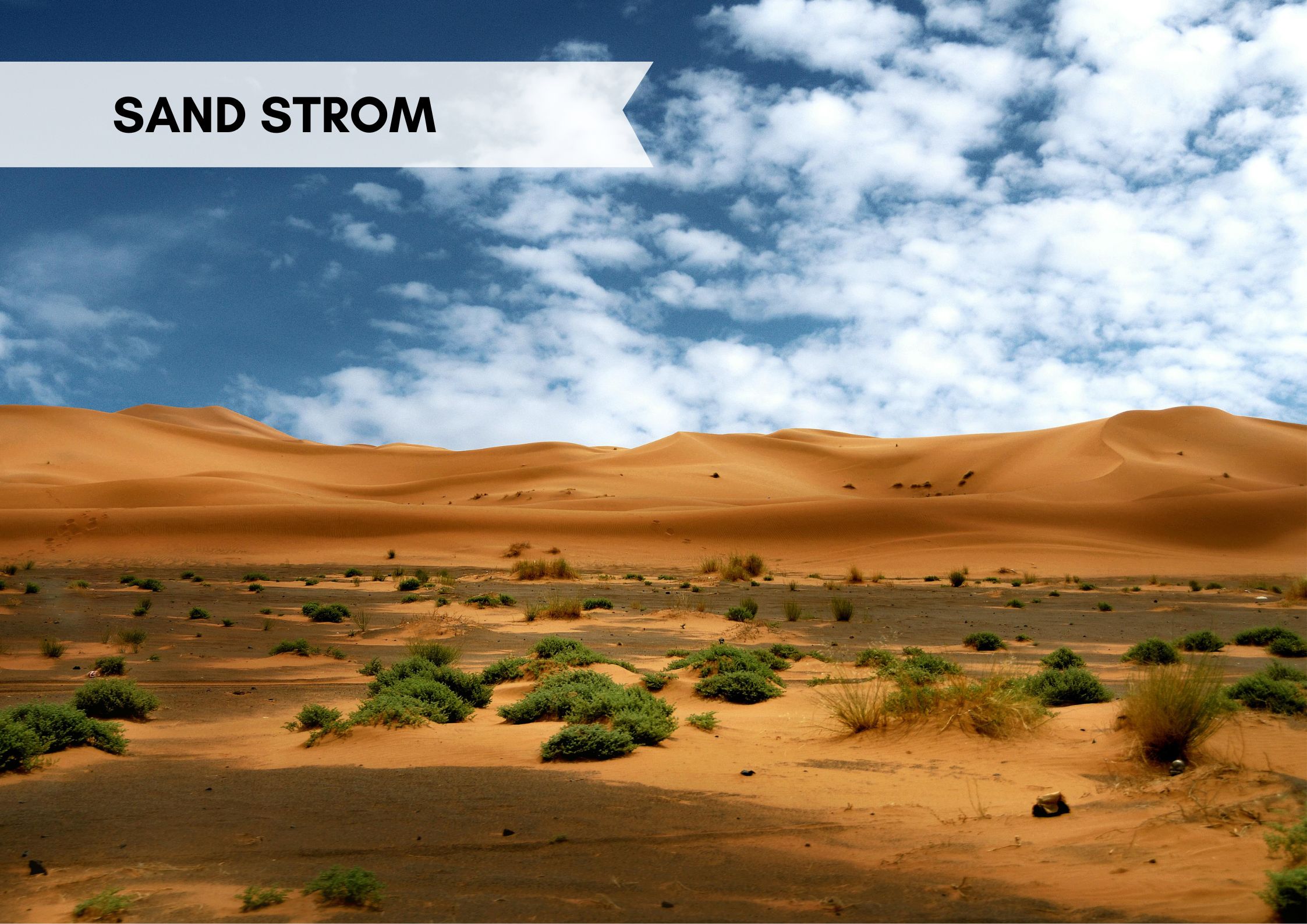
To fight back against these storms, people do a few things. Windbreaks—like rows of trees—or shelterbelts can slow down the wind. Covering loose soil with leftover crop bits, plastic sheets, or even chemical sprays helps keep the dirt in place. Tilling the land or using mulch can help the soil stick together better. Local wind refers to a type of wind that occurs in a localized region as a result of the temperature and air pressure differences in that area. The local wind does not move from one continent to another, unlike global winds. It occurs as a result of the local topography, which may include the temperature difference between land and water, mountains, valleys, or the heat of the desert. In arid desert areas such as the United Arab Emirates and Saudi Arabia, the land surface gets heated rapidly during the daytime. When the land surface gets heated to a high temperature, the air above it rises. Air from other areas, which is cooler, moves to fill the space. This process creates a local wind.
Constructing Windbreak Systems:
Effectively When there are wind issues, do not use solid walls (like fences) because they will create turbulence on the other side of the wall and actually worsen the wind issue. Instead, we like to use permeable windbreaks.
Examples of permeable windbreaks would be woven hazel panels, mesh fencing, or lots of small/dense shrubs (e.g., dogwood or willow). They provide a gentle way to slow down wind and allow for the bending of these plants without actually breaking the plants.
Keeping Containers Safe & Secure:
Containers (i.e., pots and planters) are more likely to blow over or dry out because of the wind. To prevent this from occurring, we place all of our containers in a location that has good shelter from the wind (e.g., the back corner of a garage or greenhouse) to keep a small, safe area for these containers.
On flat landscapes where there are not any windbreaks, we shade the containers between larger containers in order to prevent them from blowing over.
Wrapping—When applicable, wrap your evergreen shrubs/young trees with burlap material to protect them from wind-driven sandy soil and cold temperatures.
Trimming—Remove any dead or weak branches from the plant to decrease the amount of wind resistance that the plant has, plus reduce the likelihood that broken branches will damage the plant or surroundings.
Soil Cooling and Mulching Strategies:
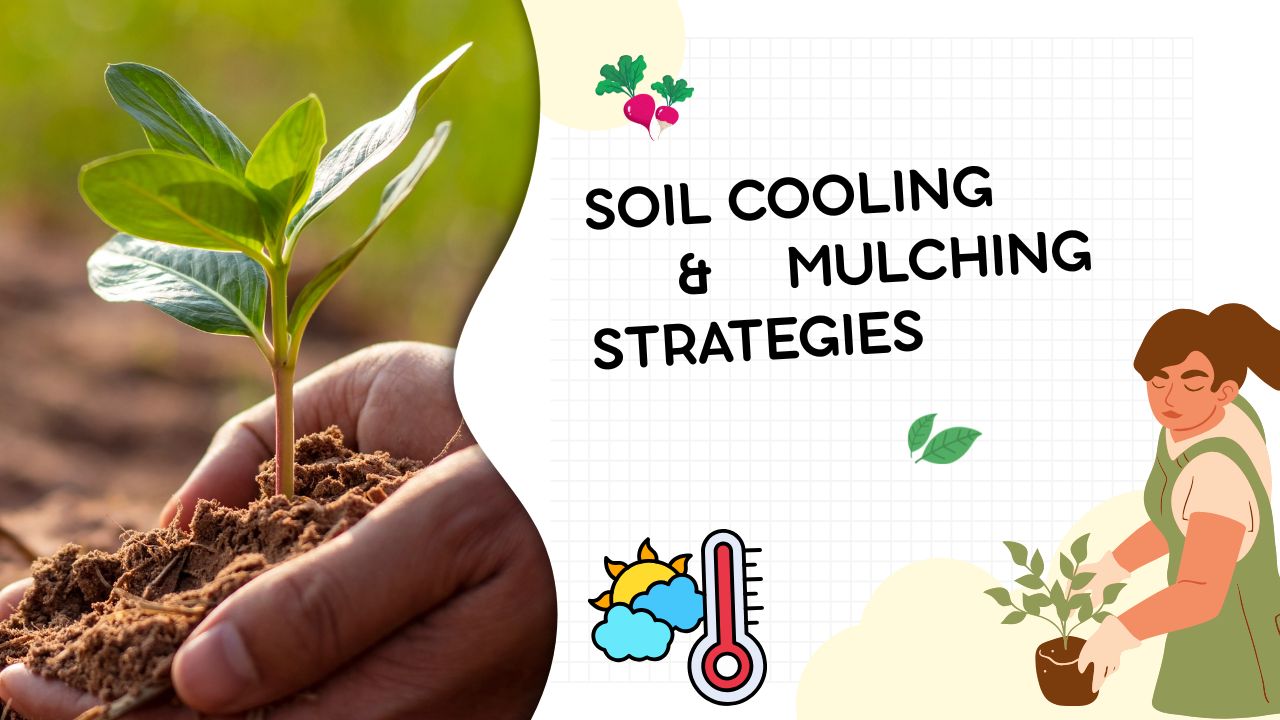
They kept the soil cool by running chilled tap water through it the whole time the crops were growing. The water chiller stayed at 4°C, kind of like the temperature you’d find in deep ocean water. That chiller is hooked up to a custom-made storage tank and a bunch of pipes. Inside the tank, the tap water cooled down and stayed between 4 and 5°C. From there, pumps sent the chilly water through pipes buried in the soil, dropping the soil temperature. Once the water soaked up some heat from the soil, it flowed back to the storage tank, where the chiller cooled it down again, and the cycle kept going. Crops take up water from the soil through their roots. The water moves up through the plant and eventually escapes from the leaves into the air as vapor. That’s called transpiration. There’s also evaporation, where water just turns into vapor straight from surfaces. Together, these two—transpiration and evaporation—make up what scientists call “evapotranspiration.” You see more water loss this way when it’s hot and dry. Instead of long, heavy watering, using several short bursts of irrigation can cool the plants and add humidity to the air as the water evaporates. This technique cuts down on water lost through transpiration and actually uses less water overall than regular irrigation. Still, you have to keep the soil damp enough so the cooling effect works
Mulching:
Mulching is an excellent gardening hack that will benefit your plants. Mulching is the process of spreading a layer of something like shredded bark, wood chips, leaves, grass clippings, or straw on top of the soil. The mulch helps the soil retain its moisture and makes it available when there is a drought. The mulch will eventually decompose and provide nutrients to the soil, which will promote healthy root growth.
Advantages of Mulching:
Suppress Weeds:
Mulching will help suppress the growth of weeds, which will save you time and labor.
Weeds require light and water to grow. Mulching will prevent weeds from getting the necessary conditions to grow. A thick layer of mulch will also prevent most weed seeds from reaching the soil.
Conserve Water:
Mulching will help retain the moisture in the soil, which means that you won’t need to water your plants as often.
This will save you money on your water bill and ensure that your plants remain alive during a drought.
Improve Soil Quality:
Organic mulches will decompose and provide nutrients to the soil.
This will enrich the soil and begin the process of improving it by making the nutrients available to your plants.
Maintain Soil Warmth:
Mulch acts as insulation, preventing heat from escaping and the ground from cooling off. This is good for plants that are sensitive to temperatures and get caught off guard by a rapid drop or rise in temperature, or who struggle to grow in a cooler space.
Green House Setup Guide:
If you want your greenhouse to thrive, you’ve got to get the design right—especially if you want to keep your crops from baking in the heat. Without a proper cooling system, the temperature inside shoots up fast—sometimes 10 to 15 degrees hotter than outside. Plants just can’t handle that kind of heat. So, what do most folks do? They turn to two main cooling methods: evaporative cooling with a pad system, or just letting fresh air flow in with good old natural ventilation. Which one works better? It depends on what you’re growing, how humid things get, and the local climate.
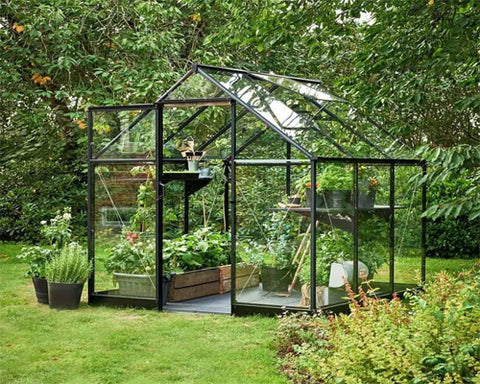
Ventilation:
Plants need air—lots of it—especially when the sun’s blazing. The easiest way to cool things down is to keep the air moving. Roof vents, louvered side vents, and even just swinging the door open can make a world of difference when it starts to feel like an oven inside.
Now, if you want to get technical, people say having roof vents that add up to about a fifth of your floor space will swap out all the air in your greenhouse every two minutes. That’s the dream. Most greenhouses aren’t built with that many vents, but if you make use of side vents and doors, you can still get a decent breeze going.
Shading a Greenhouse:
Shading is your next best friend. Use it smartly, though—plants still need light to grow their best. Shade paints are a quick fix: slap on a layer or two as summer heats up, then wash it off when things cool down. Just know, if your greenhouse has bare timber frames, paint might not stick, so you’ll want to go with shade netting or blinds instead.
In the end, keeping your greenhouse cool is all about mixing these strategies to fit your space and your crops. Get it right, and your plants will thank you.
Cooling pad system:
Basically, evaporative cooling in action. You set up wet cellulose pads on one side, crank up some exhaust fans on the other, and let the hot outside air get pulled through the damp pads. As the air moves through, water evaporates, grabs heat, and cools the air before it reaches your plants. In dry, desert-like places, this can drop the temperature by 8 to 15 degrees. That’s a game-changer during summer, especially if you’re growing heat-sensitive crops like tomatoes, cucumbers, or salad greens. But don’t forget, this system needs a steady supply of water, regular cleaning to keep minerals and dust from clogging things up, and it doesn’t work as well near the coast where the air is thick with moisture.
Solar Farming:
The vast majority of solar farms are built on land that will be used solely for solar energy. However, there is an opportunity to have agrivoltaic (dual-use) systems, where the same land can be utilized for both agriculture and solar energy. Agrivoltaic systems use solar panels to provide shade, water, habitat or a combination of the above to crops, animals, and/or pollinators under or between the solar panels. The benefits of installing solar panels on greenhouses are even more significant than the previous advantages. In terms of growing crop production, greenhouse agriculture can produce 10 times more crops than traditional open field agriculture; however, greenhouse agriculture uses 10 times more electricity than traditional open field agriculture.
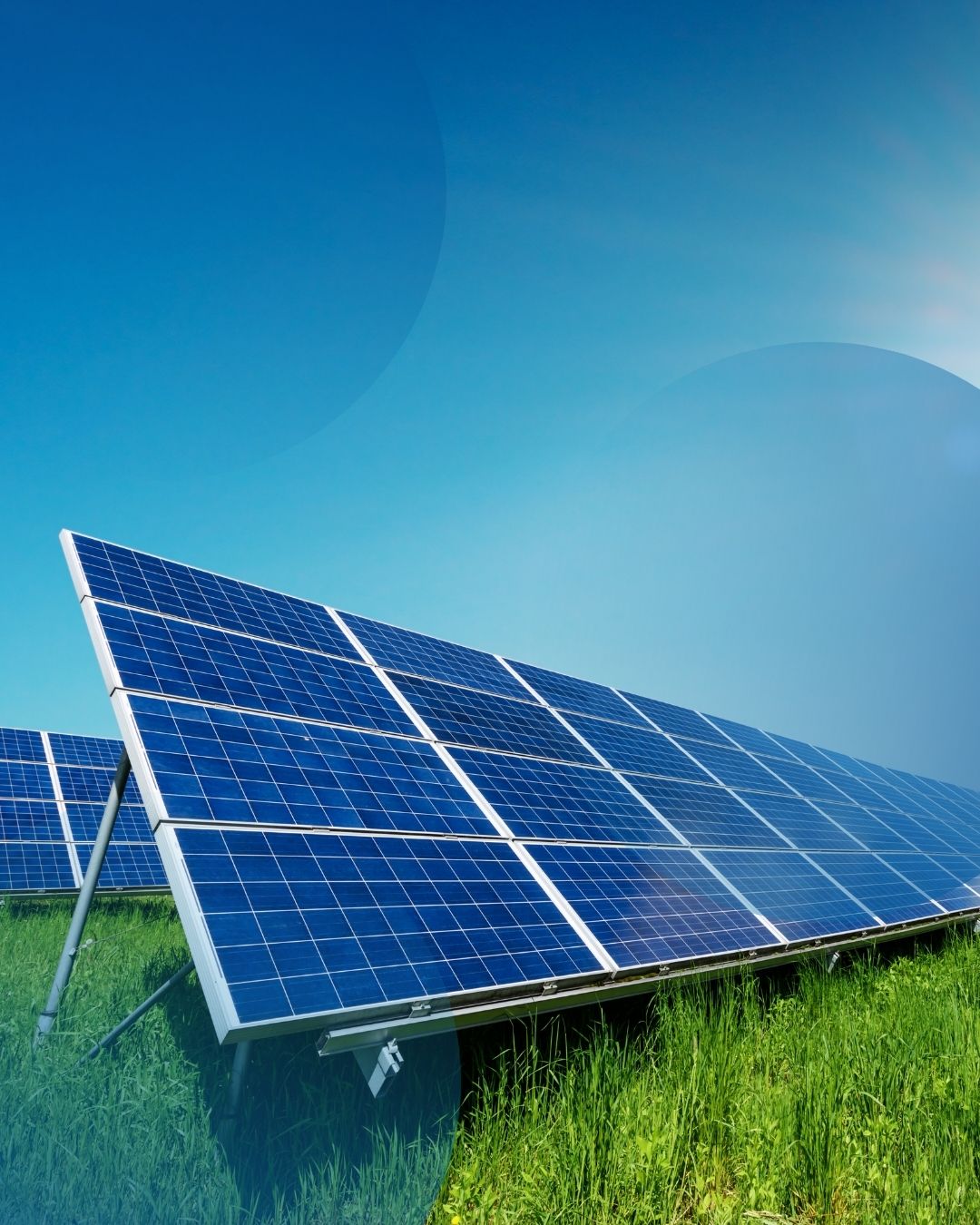
Advantages of solar plants in deserts:
There are many advantages of solar plants in deserts that should be considered by solar plant developers.
High solar irradiance.
Irradiance is the amount of sunlight that shines on a given area. The more sunlight, the more electricity that can be generated from the solar panels.
Lots of space.
Deserts provide ample space, and this means that solar plant developers do not have to worry about space as they would in a city.
Good topography.
The topography of the desert is flat, and the soil is sand. Sand is easier to work with compared to hard soil or rock. This means that it will be easier to develop solar plants as intended without many hassles.
Fewer rules.
Solar plants in deserts are less regulated compared to solar plants in other areas.
Panel Efficiency :
‘According to the American renewable energy website EnergySage, solar panels are tested at 25°C (77°F) and typically function best when the temperature is between 15°C and 35°C. The solar cells, which are the parts of the solar panel that convert sunlight into electricity and are combined to form solar panels, function best at this temperature range.
But EnergySage states that solar panels can reach temperatures of 65°C (149°F), which can reduce the efficiency of the solar cells.
When it is too hot, the electrons in the cells begin to move around too much, reducing the voltage or the amount of electricity produced.
Too much heat can also reduce the efficiency of the solar panel by 0.5 percentage points for every degree Celsius increase in temperature.
The efficiency of solar panels refers to the amount of sunlight that hits the solar panel that is converted into usable electricity. For example, if a solar panel has an efficiency of 20%, it means that 20% of the sunlight that hits the solar panel is converted into electrical energy, while the other 80% is either reflected or turned into heat.
When things heat up, the electrons in a solar cell get more energetic. That energy actually shrinks the bandgap in the semiconductor. And here’s what happens next:
Decreased Open-Circuit Voltage:
That’s the big one. For silicon, you lose about 2.2 millivolts for every degree Celsius the temperature goes up.
Slightly Increased Short-Circuit Current:
You get a tiny boost in short-circuit current, too, since higher temps mean more charge carriers. But honestly, that little bump can’t make up for the drop in voltage.
Increased Recombination:
Sunlight: The more direct sunlight a solar panel gets, the more electricity it can make. Solar panels don’t work at all when it’s dark, and they make less power on cloudy days.
Dust, Snow, and Debris: Things like dirt, leaves, snow, and other stuff can cover the panels and stop sunlight from reaching them. You should clean your solar panels often to keep them working well.
Panel Age: Over time, solar panels become less efficient.
Strategies for Reducing Temperature Effects:
The amount of heat that the roof acquires can be reduced by using light roofing materials when installing the solar panels on the roof.
During a sunny day, a white roof is up to 30 degrees cooler than a black roof.
Resistant To Temperature Solar Panels:
Other manufacturers have made solar panels that are effective even in high temperatures.
The temperature coefficients of these solar panels are lesser, and as such, they are not going to lose as much efficiency in hot conditions.
Floating Solar Farms:
Solar panels placed on the surface of water bodies will be useful in cooling the water bodies as water bodies cool them through evaporation and conductive cooling.
In other cases, floating solar panels were proved to be 11 percent more effective than the solar panels located on the ground.
Active Cooling Systems:
These systems are not popular, as they are more complicated and costly, but they are cooled with the help of water or forced air to cool solar panels.
With some experimental systems, efficiencies have increased by as much as 15%.
Best Crops for UAE:
Best Crops for Saudia Arabia:

Leave a Reply