Many forms of urban farming occur throughout cities. Different types of crops and farming practices may apply at different times in different locations because of the cultural, social, political, and economic backgrounds of the people living in cities. Urban farming practices differ in many ways from that of a family farmer working on an agricultural plot in a rural community. Urban farmers must have a dedicated team effort from other local families who want to take responsibility for their local agriculture project. An urban farm will be a success if it is designed and built according to the cultural values of the local community. Urban farms are an enriching way to connect the urban farmer with urban consumers. Also better for the environment and more sustainable in food production compared to rural farms. One of the advantages of urban farming is that you can make the most of limited space by using different growing methods. With more people living on the planet today, space is becoming scarcer for everyone.
Urban Farming Benefits:
The benefits of urban farming vary depending on the type, which may be institutional, educational, personal consumption, or community consumption.
The benefits of urban farming include the development of a local food system, enhanced food security, fostered social relations, and improved urban diversity and environmental health.
A Reduced Impact on Carbon Emissions:
Urban farming can reduce the carbon footprint of the food consumed by reducing food miles (a measure of how far food travels from production to consumption). Food grown locally produces fewer emissions (from transportation) since there’s less reliance on long-distance trucking, shipping, and air transportation. Urban farming generally requires less packaging than standard farms and results in less use of disposable plastic as well as fewer CO₂ emissions related to the production and disposal of that packaging.
Promoting Healthy Living:
Promoting Healthy Living: What are urban farms? They are more than just places where food is grown—they also help promote a healthier lifestyle. They involve physical activity and help people connect with nature, encouraging city dwellers to live more active and eco-friendly lives. By combining physical and mental well-being, urban farms play an important role in improving the quality of life for people in urban areas.
Food Accessibility, Health, and Nutrition Benefits:
With the increasing population in civic areas, the problem of nutritional food availability intensifies. People are eating a further quantum of reused food in metropolises than ahead, which constitutes health-related problems. Civic husbandry can be a result of these problems. Civic granges can give affordable access to ranch-fresh vegetables and fruits, especially in the cities having many grocery stores and supermarkets. It lessens their consumption of reused food. When the yield reaches from far down the ranges, the quantum of nutrient deterioration is high as it damages the crop. Civic granges are within reach of consumers, and produce grown there is fresher when it arrives at your nearby store.
Urban Farming Compact Space:
Urban farming assists in conserving space since it employs various techniques to grow plants in smaller spaces. With the high population of people on the planet, space is becoming scarce in all places. However, the demand for food is also rising. Therefore, the question is, how can we make effective use of the space that we already have? Vertical farming and hydroponic farming allow urban farming to grow many plants without requiring much space in the form of large fields. Vertical farming involves stacking plants on top of each other. This means that they can grow many plants in a smaller space. Hydroponic farming involves growing plants without using soil. This means that plants can be grown closer together. Therefore, it is possible to grow many crops in a smaller space. Generally, urban farming requires less space than farming.
Cutting Back Your Grocery Bill:
Urban farming is one of the best ways to cut back on monthly grocery expenses.
If you grow your own tomatoes, chilies, cilantro, spinach, and mint at home, it will decrease the times you have to go to the grocery store. And, in time, those savings will add up, particularly as prices continue to rise. There may be some initial costs for pots, soil, and seeds, but the long-term savings far outweigh any initial costs. You can continue to harvest from the same plant over and over. Thus, providing families with an inexpensive way to save money.
Smart Growing Methods for Small Areas:
Using wrapped forms like raised beds and containers is an excellent method for maximizing the potential of small gardening spaces. These methods are beneficial for gaining greater control over your plant’s environment from the start, while providing beginners and space-constrained people a means to grow successfully.
Container Gardening:
Vertical Gardening:
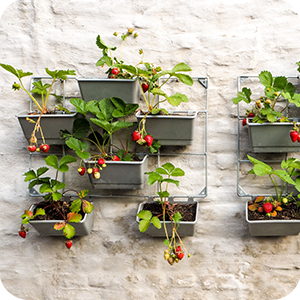
Vertical gardening is a method of growing plants upwards instead of letting them spread out on the ground. There are many different systems for vertical gardening, and they all help save space by reducing the area plants occupy. This means you can grow more plants in a smaller area.
Fruits, vegetables, and fresh herbs grown vertically are often healthier and more productive. I really enjoy vertical gardening because it helps me maximize my garden space and makes my efforts more successful. There are several benefits to growing plants vertically.
The first is space. For instance, a squash plant growing on the ground takes up about 20 square feet. But if you grow it up and over an arched trellis, it only needs a few square feet. This allows it to share a raised garden bed with many other plants since most of its growth goes upward and over a walkway.
Vertical gardening also helps keep your plants healthier. When plants are trained up a trellis, their leaves stay off the ground, away from dirt and water splashes that can wet them. Wet and dirty leaves are more likely to get infected by bacteria, fungi, or diseases like blight and wilt. When your fruit is off the ground, it’s harder for pests to reach it and eat it before you can harvest it.
Hydroponics:
Hydroponics is a new technique of plant growth that does not require soil. Instead, plants are fed nutrients by water that has been carefully mixed with minerals. This process allows farmers to provide plants with exactly what they need, and this helps the plants grow in a healthier and more efficient manner.
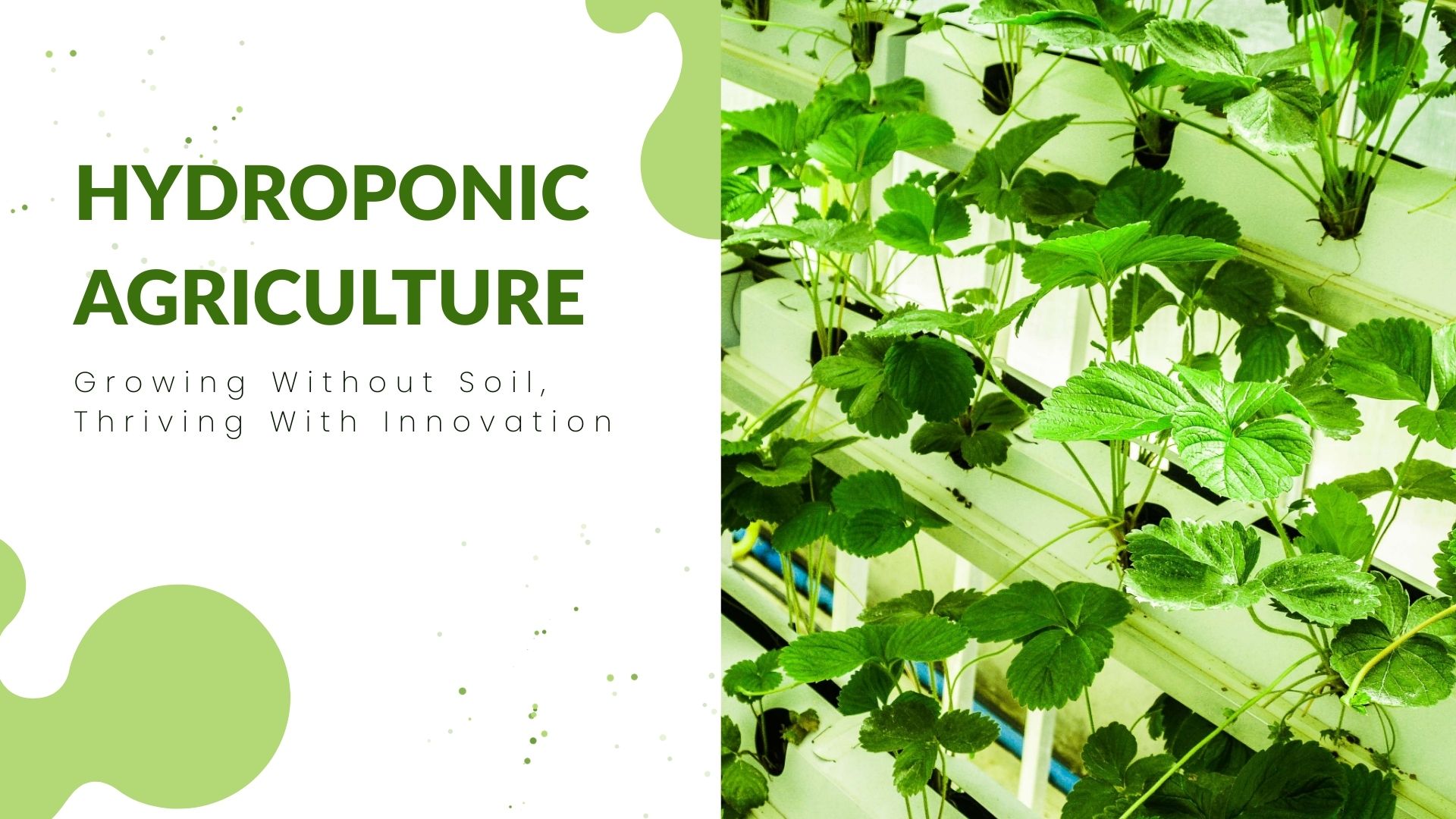
Since the water is recycled in the process, hydroponics requires significantly less water than traditional farming. Hydroponics is also very effective in small areas such as cities, where plants can be grown up and down, saving space. Since plants are provided with the right nutrients and the right growing conditions, they tend to grow faster and produce more food than plants grown in soil.
Best Crops for Urban Farming:
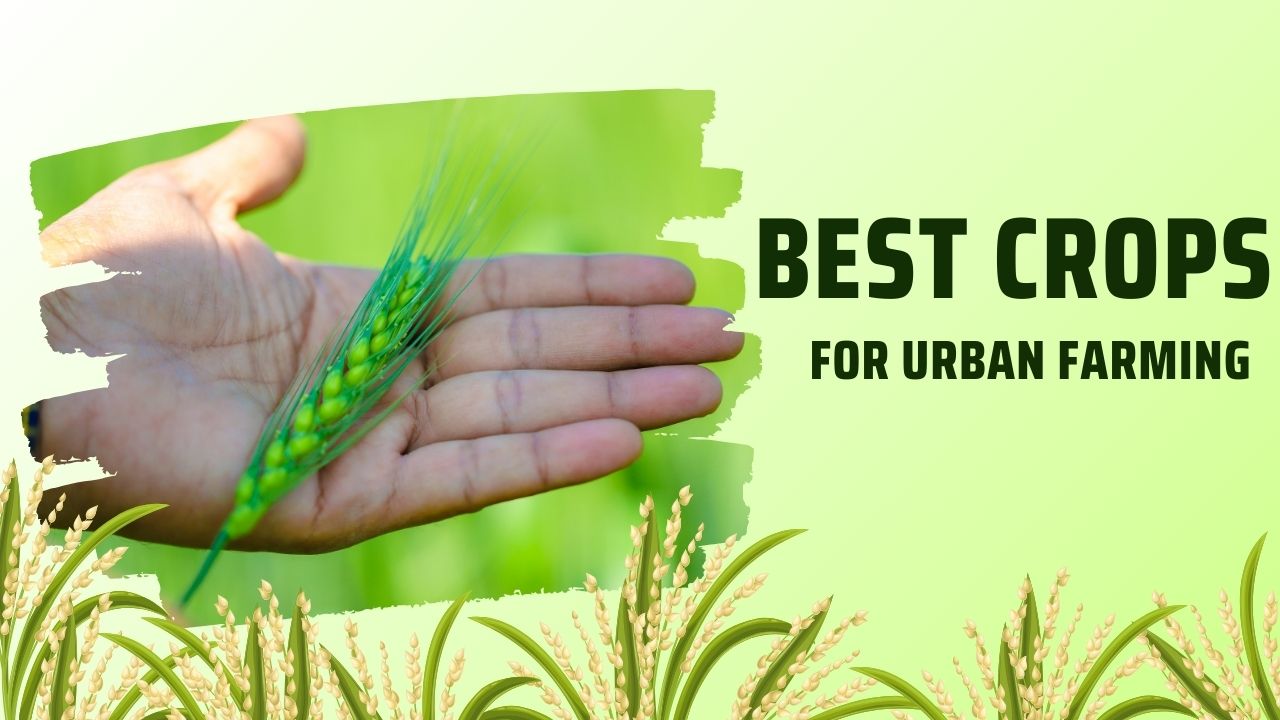
The following vegetables can be grown in containers and do very well and be harvested quickly: –
1-Lettuce- (leafy green)
2-Spinach- (leafy green)
3-Kale- (leafy green)
4-Arugula- (leafy green)
The herbs listed below can all be grown in small pots or window boxes and require little maintenance: –
1-Basil
2-Mint
3-Rosemary
4-Thyme
Another vegetable that is very fast-growing is the radish. There are many other plants which grow quickly with radishes and make good companions to them. They include:
1– Beet
2– Bean
3– Carrot
4– Chervil
5– Cucumber
6- Lettuce
7– Melon
8– Nasturtium
9– Parsnip
10– Pea
11– Spinach and squash.
Chervil and nasturtium can help to enhance both the growth and flavor of the radishes they are growing with. If you want to grow vegetables quickly (especially if you’re a beginning gardener), growing radishes is a great choice.
Tomatoes should be grown from compact types such as determinate or bush types since they will do well in containers. Please keep the blight-resistant varieties in mind when selecting one for containers.
Peppers can be grown easily in small places such as containers. There are two different types of pepper including bell peppers and chili peppers, that are both great for filling small garden areas and adding color to your garden and flavor to your meals.
Mint is a great plant for repelling pests such as white cabbage moths, ants, rodents, flea beetles, fleas, and aphids. If you plant mint near cabbage or tomato plants, it will help to improve the health of both plants. You may even use mint cuttings as mulch around plants from the brassica family.
Parsley does well with asparagus, carrot, chive, onion, rose, and tomato; however, keep in mind that mint and parsley do not grow well together, so make sure to keep them separate.
Spaces for Urban Farming:
Rooftop Farming:
One area that can be considered as a place to farm is the roof tops, particularly in urban areas where the land would not be available in abundance.
Container gardening and raised beds may be practiced on rooftops and even small greenhouses to make sure that you grow your own vegetables without having to orchard large plots of land.
The first thing to do before planning to start your rooftop garden is to see whether the roof is durable enough to take the weight of the soil, water, and plants.
Another thing to keep in mind is the amount of sunlight that your roof receives and the amount of wind your roof is being exposed to since rooftops are more subject to the weather.
Vacant Lots:
These lands can be utilized fruitfully in case the soil is good. The second thing to consider before commencing is to test the soil to determine whether it contains toxic materials like lead. In case of such soil, raised beds or containers can always be used.
Gardening on Your Balcony:
A balcony garden can be an excellent way to start growing food in a small area.
If you do your planning you can create a productive use of your balcony no matter how big or small it is. Create as much space as possible using pots, grow bags, railing planters and vertical shelving. Lots of vegetables can be grown in containers such as tomatoes, chilies, spinach, lettuce, mint and coriander. Make sure that your balcony is getting enough sun because most vegetables need at least 4 to 6 hours of sunshine each day. To keep your plants healthy make sure your containers have good drainage, are light and are watered regularly. Balcony gardening is a great way to grow fresh produce, improve air quality and create an extension of your home.
Indoor Gardening:
You can use your countertops, bright window ledges and/or a small shelf to grow herbs & small veggies. Some examples of what can be grown indoors are basil, mint, parsley, green onions, and microgreens. When growing herbs and veggies indoors, make sure to use small containers with drainage openings and good potting soil. If your indoor plants aren’t receiving enough sun, consider using grow lights to support healthy growth. Herbs are a great addition when cooking and help create visual interest from your kitchen to use when cooking while adding flavour & nutrition to your meals.
Small Backyard or Courtyard:
A small backyard or courtyard provides more flexibility than balconies or indoor areas.
You can plant a range of vegetables, fruits, and even small trees depending on the available space. You can make use of raised beds, vertical planters, and pots to make the most of the space. Soil preparation, compost, and irrigation systems are crucial for a successful outcome. Backyards also enable you to practice crop rotation and plant different crops in different seasons, ensuring that the soil remains healthy and productive. With proper planning, a small courtyard can be turned into a mini-farm that not only provides fresh produce to your family but also enhances the appearance and value of your home.
Soil And Fertilizers:
Urban farming depends on the presence of healthy soil. The quality of the soil is directly linked to plant growth, yield, and resistance to disease even when you are growing plants in pots or in small raised beds. Small space gardening can be greatly enhanced by the use of natural fertilizers and better soil structure.
Compost and Organic Manure:
In a natural manner, compost and organic manure are added to the soil to provide it with required nutrients. Kitchen waste can be used as compost, which includes vegetable peels, fruit scraps, tea leaves, and eggshells. This organic material, when properly decomposed, results in nutrient-rich soil, enhancing the soil fertility and promoting the growth of strong roots. Organic manure, like well-rotted cow dung or vermicompost, contains valuable nutrients such as nitrogen, phosphorus, and potassium, which are vital to the growth of plants.
In comparison to chemical fertilizers, compost is a slow-releasing nutrient. This constant supply inhibits the health of plants in the long term and averts overfeeding. The organic matter also enhances the texture of the soil, and this allows easy spread of roots and nutrition in the soil. Moreover, it enhances the availability of some helpful microorganisms that have a natural protection for plants against some diseases.
Enhance drainage using cocopeat:
Drainage needs to be done properly, particularly in container gardening. When the water is left in the soil too long, roots rot, and plants become weak. Cocopeat is a solution to this problem, as it is made of fibers of coconut husk. It is light, it absorbs water, and it enhances air penetration of plant roots.
Coco peat combined with garden soil will form a loose and well-balanced growing medium. It does not make soil compact, and it does not block out excess water, as well as it does not dry up all the water in the soil to prevent the growth of plants. This is vital particularly to the balconies and indoor gardens, where overwatering is a common experience. Copeat also lessens the total weight of the pots, and thus they are easier to handle within the small city areas.A mixture of compost, organic manure, and cocopeat can be used to make a fertile and well-drained media of soil that would promote the growth of healthy plants on limited lands.
Sunlight Requirements:
Find the right location for your garden:
Having a food garden can be a rewarding and fun experience to grow your own healthy and fresh food.
However, to have a successful harvest, you need to find the right location for your garden that receives the right amount of sunlight. Sunlight is essential for plants to grow and stay healthy. If your plants do not receive enough sunlight, they may not grow properly, turn yellow, or even die.

The right amount of sunlight is 6 to 8 hours a day:
Vegetables and fruits require at least 6 hours of direct sunlight to grow and develop properly.
The amount of sunlight that reaches your garden may vary depending on the season and the location of your garden. For example, during summer, the sun is higher in the sky, and your garden will receive direct sunlight compared to winter when the sun is lower in the sky.
Understanding how important sun your space receives is essential before opting shops. Different vegetables and sauces have different light conditions, and choosing the right shops according to available light increases the chances of healthy growth and better yield.
still, rooftop, or vicinity receives 6 – 8 hours of direct sun, If your deck. These crops need strong light to produce flowers and fruits duly.For areas that admit 4 – 6 hours of sun, lush vegetables like spinach, lettuce, coriander, fenugreek, and green onions perform well. These shops bear moderate sun and can tolerate partial shade.still, you can grow shade-tolerant shops similar as mint, parsley, If your space has limited sun( 2 – 4 hours) or circular light. In veritably low- light conditions, using grow lights can help support factory growth.
Challenges:
Some of the difficulties associated with urban agriculture include:
- Health and safety issues
- Environmental concerns
- Space constraints and high land costs
- Resource constraints
- Technological and energy costs
- Regulatory issues
- Poor Sunlight
- Pest Problem

Leave a Reply