Healthy plants can withstand environmental stresses, pests, or competition while providing food, fiber, and fuel. These healthy plants directly affect how much food is available to the nation. Plants grow better in environments that are free from pests and disease infection. Healthy plants are essential for crop production that is sustainable. Healthy plants will also provide consumers with value in terms of the quality and cost of food, fiber, and fuel. Healthy plants will further enhance the environment, such as landscape plants, trees that are grown for timber, and plants grown for livestock feed. Scientists are trying different breeding techniques to create plants that produce more food, are more nutritious, and can withstand drought better than plants currently grown. Integrated pest management (IPM) is an ecologically sensitive and effective method of controlling pests. Using IPM means combining different pest control methods, such as mechanical, cultural, biological, and chemical practices, with common sense. IPM is one of the few pest management methods that rely heavily on information. Success in using IPM depends on understanding how pests reproduce and function in their environments. The primary focus of IPM is on preventing infestation from occurring. When infestation occurs, the emphasis in controlling the infestation through IPM will be placed on actions that have the least impact on the environment and the health and safety of humans.
PLANT HEALTH:
Healthy plants are essential for crop production that is sustainable. Healthy plants will also provide consumers with value in terms of the quality and cost of food, fiber, and fuel. Healthy plants will further enhance the environment, such as landscape plants, trees that are grown for timber, and plants grown for livestock feed.
Healthy Soil:
Soil health has been described as the ability of soil to function as a living system. A healthy soil has a diverse population of soil organisms that contribute to the control of plant diseases, insect and weed pests, the establishment of beneficial symbiotic relationships with plant roots, the cycle of essential plant nutrients, the improvement of soil structure with beneficial effects on soil water and nutrient-holding capacity, and ultimately the improvement of crop yields. A healthy soil will also help in the reduction of climate change by maintaining or increasing
its carbon content.
Sustainable soils maintain productivity and protect the environmental conditions while supporting the health of plants and animals. Examples of healthy soil characteristics include good soil ’tilth,’ or the physical condition of the soil, good drainage, large amounts of beneficial microorganisms, sufficient essential nutrients (in sufficient but not excessive levels), and low weed pressure.
A primary contributor to soil health is organic matter. Soil Organic Matter (SOM) is composed of decomposed plant and animal materials within the soil. SOM contains carbon and nitrogen, which are energy and protein sources for soil microorganisms. Some of these soil microorganisms are pathogens, which cause diseases of plants; however, healthy soils will typically have the majority of microorganisms working for, rather than against, the plant system.
Soil Structure:
Soil structure refers to the arrangement of solids and pore spaces within soil. Solids, formed from organic compounds and mineral ions, clump together to form aggregates. The gaps between these aggregates are the pore spaces. For soil used in agriculture, a ‘well-structured soil’ will have a continuous network of pore spaces to allow drainage of water, free movement of air, and unrestricted growth of roots. Typically, a ‘good’ agricultural soil is thought to consist of around 50% solids, 25% air, and 25% water, but this will vary according to soil type. There are several methods to measure soil structure, with advantages and disadvantages to each. Measurement techniques range from low-tech options (e.g., the use of visual soil assessments) to the use of soil remote sensing and modeling. Soil structure has a large impact on the health and growth of crops. “For roots and soil life to function well, they need sufficient water and oxygen in the soil. It is therefore essential that the soil have a good and stable structure to hold air and water,” says Bert Vermeulen, a specialist in soil tillage.
Balance Nutrients:
Think of plant nutrition as if it were a human immune system—if it’s out of balance, the rest of the system will go downhill. When your plants receive the right amount of nitrogen, phosphorus, potassium, and micronutrients, they don’t just grow faster; they actually develop a physical defense system.
A plant that’s been properly fed will have thicker cell walls and stronger roots that serve as a natural shield against fungi and bacteria. Potassium, for example, helps the plant regulate water and remain strong and upright, while calcium ensures that the cell walls don’t burst under pressure.
On the other hand, over-fertilization (and too much nitrogen, in particular) is like putting junk food into a plant’s system. It may look healthy and green, but the cells will be soft and weak, almost inviting pests and diseases to move right on in. Rather than reaching for a chemical solution the moment you spot a problem, take a soil test first. Sometimes, correcting the nutrition imbalance at the root is the best way to give your plants a boost of natural immunity.
Plants need a permanent availability of all the nutrients in proportion to their daily needs. These nutrients need to be replenished in the soil after the plant harvest, and this is done by the use of organic and/or mineral fertilizers. The objective of balanced fertilization is to ensure that the plant has access to an adequate supply of each nutrient at every growth stage in order to avoid any over- or under-supply. This enables the crop to optimize its use of the nutrients and ensures strong, healthy, and productive crop growth while minimizing environmental impacts.
Avoid Overwatering:
Each type of plant has its own unique watering requirements, some love water and like a damp environment around their roots while others may tolerate being dry sometimes, so knowing your type of plant is key when determining how much water to give your plants. When you over or under-water a plant, it can potentially cause issues with the plant, so if you think your plant is either over or under-watered there should be clues you can look for.
The easiest and most reliable way to identify whether your plant is having a problem due to excessive water is to check the soil for the moisture level. If you are checking the soil of a houseplant, the owner will typically have a wet/damp but not overly wet soil. If you stick your finger into the soil and it comes out as if it were soaked or dripping wet, your plant is likely suffering from excessive water.
In some houseplants, the foliage may appear yellow with foliage wilted and soft to the touch, or it will drop off altogether, indicating problems with root rot (caused by too much water in the roots). (can be seen in succulent plants with leaves being soft and limp, etc.) Additionally, some other signs of overwatering include the smell of decay (dampness) surrounding the base of the plant and chronic signs of soggy soil.
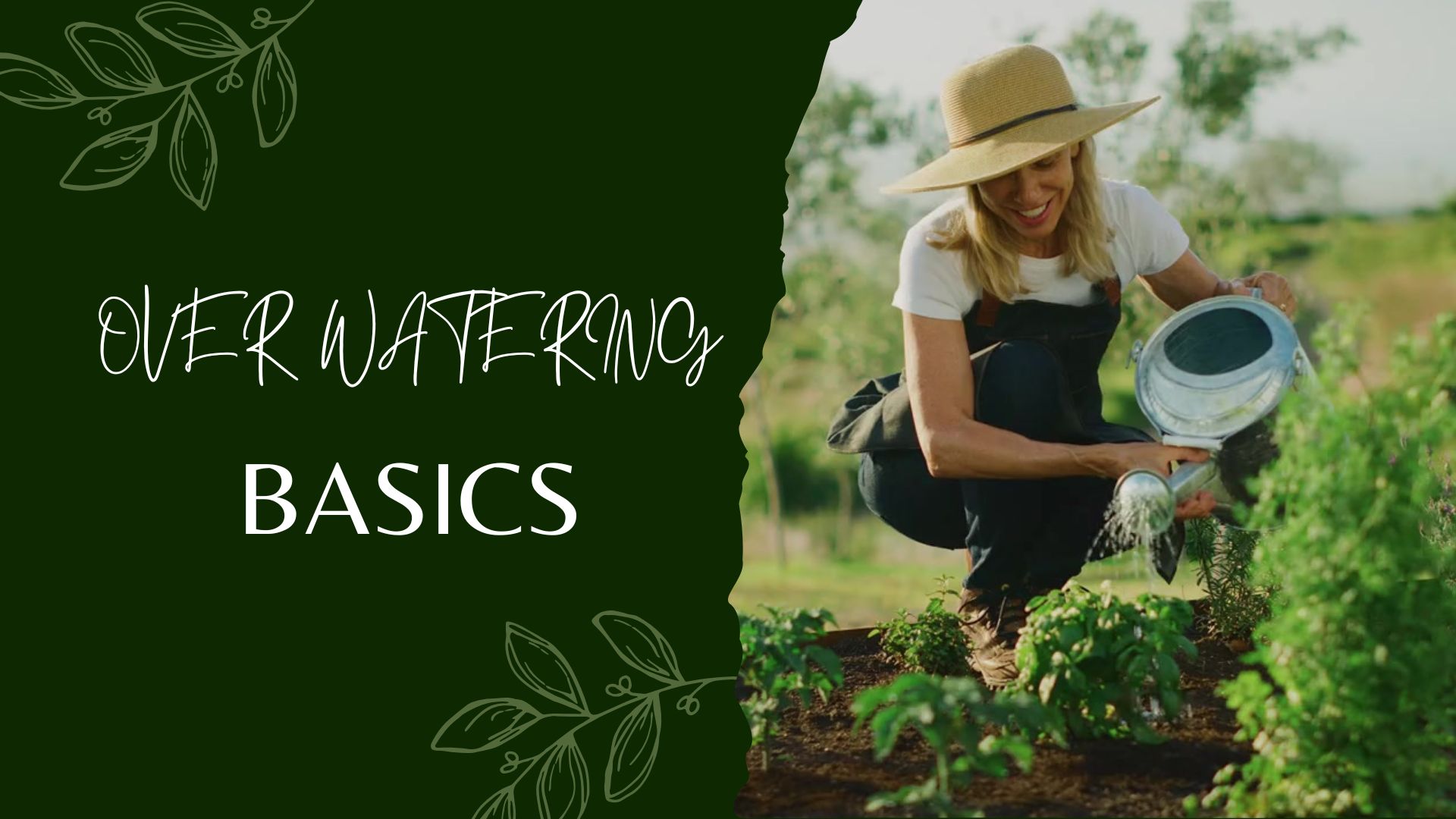
It is very difficult to “overwater” plants established (planted) in the ground, i.e., bed plants, because the ground typically allows for better drainage than other types of planting situations.
Another effective method of preventing overwatering is to use mulch.
Mulch retains moisture in the soil by preventing evaporation, so you won’t need to water as frequently. This will help you prevent overwatering.
Overwatering occurs when you water your plant too much, and the water doesn’t drain properly.
After 24 hours, the soil is waterlogged and prevents air from reaching the roots. This causes the roots to decay because they can’t breathe. As a result, the plant begins to wilt because it can’t absorb water properly. The leaves and stems will be soft and mushy, and the plant will shed flowers, fruits, and older leaves.
The most effective method of preventing overwatering is to ensure that your soil or pots drain well and to water your plants only when the soil is dry.
Balance Fertilizers:
Plants get their nutrients to grow from the soil through their roots. The primary nutrients that fertilizers supply include nitrogen (N), phosphorus (P), and potassium (K), among other important elements. If the soil is not replenished with these nutrients, it becomes less able to support the growth of plants over time due to the depletion of nutrients each time crops are harvested.
Fertilizers are organic or synthetic compounds added to the soil and to plants to provide the essential nutrients plants need to grow well.
Just as humans require vitamins and minerals, plants require essential nutrients. Although there are nutrients available in most soils, continuous farming, including irrigation, planting, and harvesting plant crops, will have depleted the nutrients in the soil; however, using fertilizer to replace the lost nutrients will keep the soil productive.
Nitrogen (N) aids in promoting vegetative or top growth of the plant.
Phosphorus (P) assists in the growth of roots and shoots and in transferring energy throughout the plant.
Potassium (K) helps to promote flowers and fruits on plants, makes them more tolerant of cold temperatures, increases their disease resistance, and gives them improved drought tolerance.
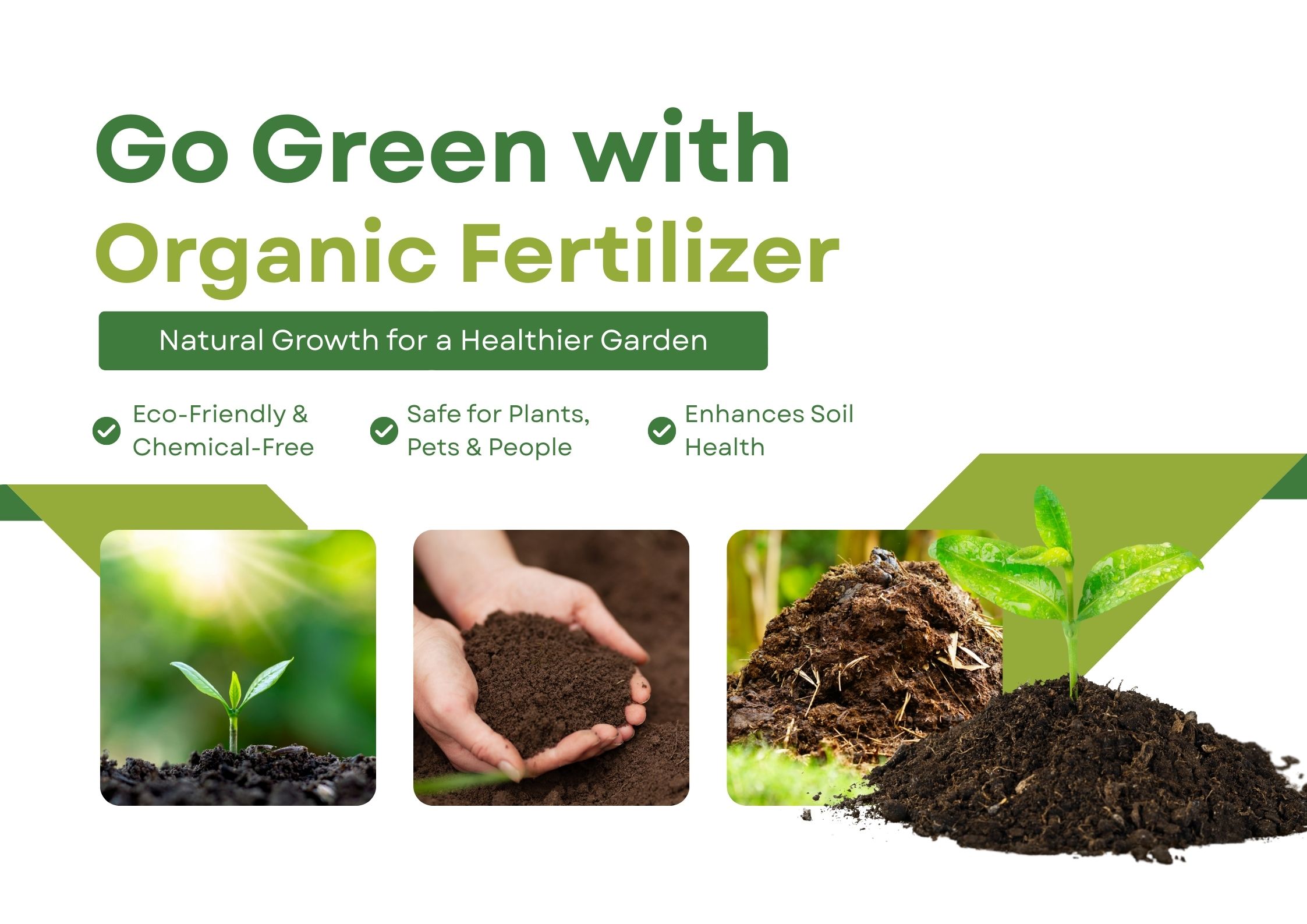
First, fertilizers aid in plant growth.
When plants receive the right amount of nutrients, they become strong, with strong roots and stems, and produce better flowers or fruits. However, if there is a lack of nutrients, plants become weak, with yellow leaves, and they grow slowly and do not produce as much as they should.
Second, fertilizers aid in the increase of crop production.
As the population of the world increases, farmers must produce more food from the same land. Fertilizers aid in this by providing the nutrients that the soil may lack, making farming more effective.
Third, fertilizers make plants less susceptible to problems.
When plants receive the right amount of nutrients, their tissues become strong, making them less susceptible to pests, diseases, drought, and other environmental problems. For example, potassium makes plants less susceptible to diseases, while calcium makes their cell walls strong.
TYPES OF FERTILIZERS:
Organic fertilizers:
These fertilizers release nutrients slowly and steadily.
They must be applied in larger quantities to ensure a continuous supply of nutrients. Organic fertilizers increase the humus in the soil, making the soil moist and healthy.
Inorganic fertilizers:
When compared to organic fertilizers, inorganic fertilizers have a greater degree of concentration and act at a faster rate than do organic fertilizers. Additionally, when using inorganic fertilizers, it is essential to follow usage instructions very closely in order to avoid causing damage to plants or polluting water supplies.
Integrated Pest Management (IPM):
WHY IPM IS IMPORTANT:Integrated pest management provides an effective long-term solution for controlling pests while ensuring the safety of crops, humans, and the environment by eliminating unnecessary use of pesticides, emphasizing prevention of pest populations before they reach a problem level, monitoring for pests on a regular basis and utilizing multiple methods of pest control, such as cultural, biological, mechanical, and chemical techniques, to help farmers manage pest populations effectively while utilizing fewer pesticides.
IPM is needed is to support the long-term health of agricultural crops. Excessive use of pesticide can damage crops and have adverse effects on the soil and on beneficial insects that help control pest populations. Integrated pest management practices use natural predators and alternative methods of pest control, including crop rotation and sanitation, to enhance the overall health of crops and reduce their susceptibility to pests through soil quality. When the ecosystem is in balance, crops are more capable of defending themselves against pests and environmental stress.
Farmers who use a lot of pesticides will end up spending more on inputs and will also face the problem of pest resistance, where the pesticides will not work after a certain period of time. IPM reduces the chances of this happening by using pesticides only when necessary and by varying the techniques.
Prevention:
IPM strategies begin with managing the agricultural, lawn, or indoor space to prevent pests from becoming a problem. For agricultural purposes, methods such as crop rotation, selecting crop varieties that are resistant to pests, and using disease-free rootstock can be employed. Such approaches are often highly successful, cost-effective, and environmentally and human-safe.
Cultural control :
Cultural control methods concentrate on the manner in which we grow our crops and work to lessen and/or avoid having to deal with pest problems in our crops. The focus of cultural control methods is maintaining healthy plants. Healthy plants are on to better withstand pest problems as well as they will have less occurances of pest problems.
Healthy plants will be:
Including plant species that have resistance to pests
Using native species in your area
Choosing species of plants that are suitable for your environmentally
Following proper planting techniques
Monitoring :
Not all insects, weeds, and other living organisms need to be controlled. Many of these organisms are harmless, and some are actually beneficial.
IPM strategies involve monitoring for pests and making accurate identifications. This is important in making the right decisions on when and how to control the pests. Through monitoring and identification, it is possible to avoid controlling pests with pesticides or using the wrong pesticide.
Chemical Control :
Numerous individuals argue that using chemicals isn‘t feasible in IPM programs yet pesticides may actually assist in the discussion of IPM when they‘re used appropriately. There are various kinds of chemical controls available as well as many of them can serve as an IPM strategy. Only utilize pesticides carefully and select the ones that target specific specific pests. There are very selective options available to you that are both safe to the good beneficial insects as well as environmentally friendly. Most of the time pesticides are being used as a last resort option with regards to IPM systems.
Using Pesticides in IPM:
- Only treat those plants or stems that are affected by pests –
- Wear proper PPE
- Use chemistry that will only affect specific pests –
- Make sure you properly identify the pest before applying any type of pesticide
- Treat only the primary pest causing your pest issue.
Mechanical and Physical Controls:
Physical and mechanical pest control is the removal or prevention of pest damage without pesticides. The removal is accomplished by hand or with barriers, traps and/or changes in the environment. When gardeners see an insect on a leaf, they may manually pick the insect off. Also, if a portion of a plant has been damaged, the gardener can remove that section manually. Spraying the insect off with water may also be used. Barriers including nets, row covers and screens provide physical barriers between insects and crops. Other mechanical pest controls include sticky traps and insect lights that can help catch and reduce the number of pests.
A significant benefit of using physical and mechanical pest controls is that they are selective in that they primarily only affect the pest and not beneficial insects or other organisms, allowing for the continued presence of natural predators and pollinators, which contribute positively to an overall balanced ecosystem and enhance the effectiveness of biological pest control. Mechanical and physical pest control methods do not utilize harmful chemicals, making them safer for people, domestic animals and the environment.

Leave a Reply