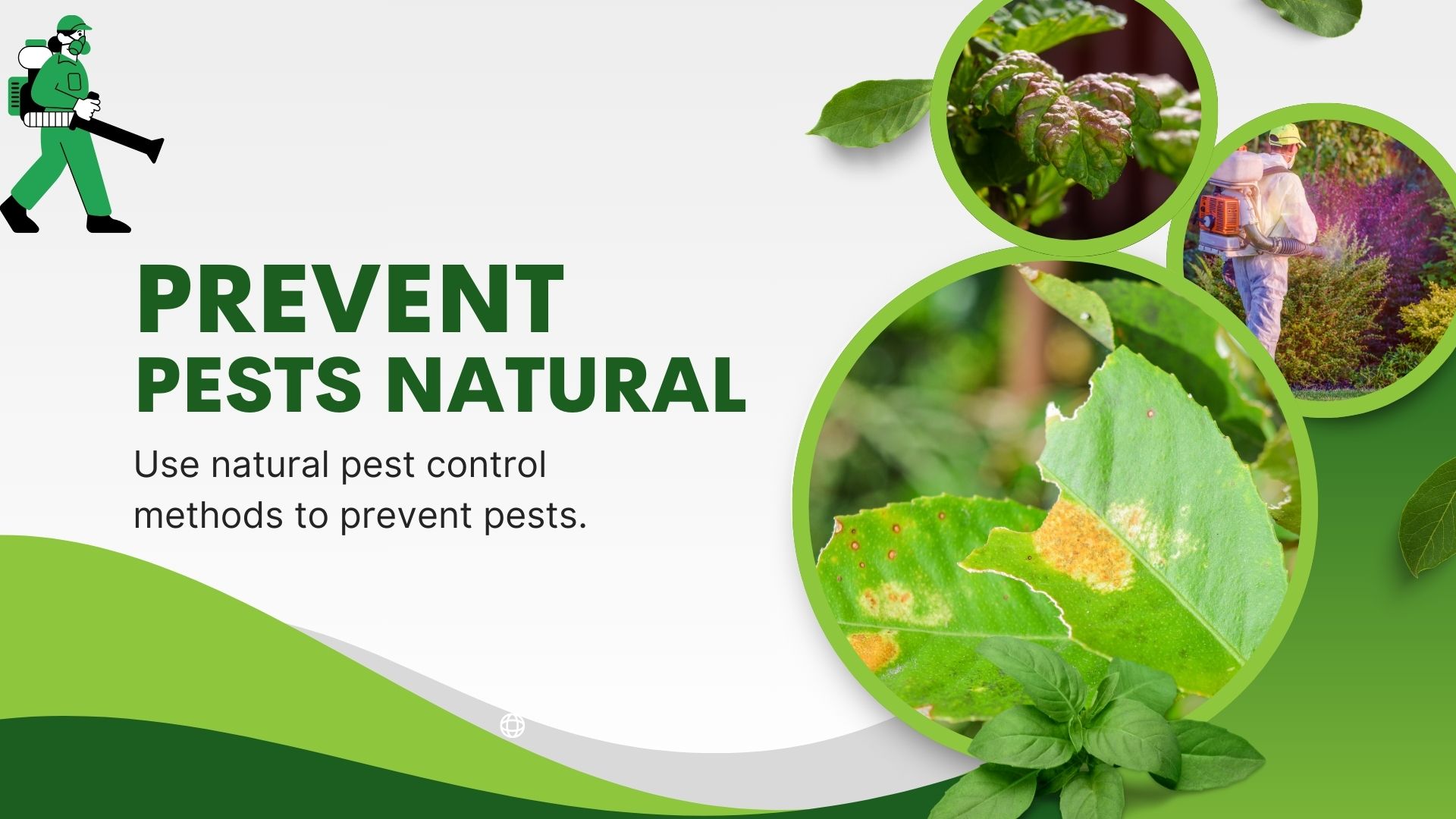
If you want to keep your plants healthy, start with good care and keep things clean. That’s your best defense against pests and diseases. Still, sometimes trouble sneaks in from outside, or a stretch of bad weather gives pests a boost. Once diseases get going, they’re tough to stop—especially in vegetable and fruit gardens. The problem is, if you’re growing things you plan to eat, you don’t have many fungicide options. Most treatments just aren’t safe or approved for home gardeners who want to protect their edible plants.
Strong Plants That Resist Pests Better:
Healthy plants have their own ways of fighting off pests and diseases. The first line of defense? Thick cell walls. When those walls are tough, bugs and diseases just can’t get in as easily. But if a plant gets weak, it basically sends out distress signals—almost like a dinner bell for destructive insects. Organic growing makes a big difference. Plants get a bigger range of nutrients, so they end up healthier and stronger. That means they’re better at fending off pests and problems. Biodiversity matters too. A diverse mix of life in the soil—everything from tiny microbes to worms you can see—helps control harmful fungi and insects. Creatures like nematodes, mites, and fungi such as mycorrhizae all work together to keep pests and diseases in check. Farmers have it tough. When you’re growing huge fields of crops, pests can spread fast and do real damage. Home gardeners have it a bit easier. They usually grow fewer plants and often mix things up—fruits, veggies, herbs, and flowers. That variety helps keep big pest problems away.
Healthy soil does a lot more than just help crops grow. It locks away carbon, fights erosion, and brings in all kinds of life underground. You’ll see fewer pest problems too, which means less need for pesticides and fertilizers. When plants grow in good soil, they’re stronger, they bounce back faster from pests, and they just don’t get sick as often. In integrated pest management, we really push for cultural control methods—things like crop rotation or adding compost—because they build up soil and plant health. The idea is simple: create conditions where pests struggle to get a foothold, so they can’t take over or cause much harm.
Add Compost and Organic:
Compost is made from green and organic materials like leaves, food scraps, veggies, fruits, manure, grass clippings, and more. One of the best ways to improve the texture and overall health of your garden soil is by using high-quality organic compost. Adding compost can help your plants grow faster, make your garden healthier, and give trees and shrubs the nutrients they need. But it’s not always as simple as just adding it. Knowing the right way to use compost in your garden can help your plants grow strong and healthy, but how you do it matters just as much.
People throw around the term “organic matter” a lot, usually talking about stuff that feeds plants, boosts soil quality, or works as mulch. You might hear it called “soil improver,” “soil conditioner,” or even “humus” when it’s part of the soil. Still, a lot of gardeners aren’t totally sure how to use it right. So, here’s how you can actually get the best out of organic matter in your garden.
Because depleted soils are nutrient-deficient, fertilizers that are synthesized or mined, also known as inorganic fertilizers, are overused and enter our waterways through rainfall. Moreover, fresh soil is not delivered to the area fast enough to replace lost topsoil, and soil sediment from degraded soils is washed away. Plants cannot grow as effectively in eroded, compacted, and degraded soils that lack organic and nutrient-rich matter. By adding much-needed organic matter to soil, promoting plant growth, conserving and filtering water, reducing reliance on chemical fertilizers, and preventing nutrient runoff and soil erosion, compost can help mitigate many of these problems.
Benefits of Compost:
Compost is like magic to your soil. It feeds all the little helpers—microbes, earthworms, anything you need to name them—and they, in turn, make your garden develop like crazy. Just preserve adding compost to your garden beds 12 months a year, and you may see the soil just getting higher and better, richer and darker, and simply… higher. Those microbes, for example? They are hard at paintings, retaining the soil collectively, pulling vitamins out of minerals, and making all kinds of matters that help your flora develop robustly and wholesomely. Just preserve the use of compost for some years, and you may see that you hardly ever need fertilizer anymore. perhaps only a little sprinkle right here and there, or a unique deal for brand-spanking-new seedlings. But don’t trouble with compost, and you’ll be left with soil that really is just minerals. And to be sincere, it is only a recipe for disaster with regard to vitamins. But in case your soil is chock-full of organic matter like leaves and grass, then your flowers have the whole thing they need right at their roots.
Overusing Of Chemical :
In the world of ferocious husbandry, chemical diseases are constantly used. These diseases are made instinctively from soil-essential macronutrients like nitrogen, phosphorous, and potassium, making them robust and important. They may contain ammonium sulfate, urea, potash and ammonia, among other substances, depending on their structure and the crops and soils for which they’re intended. These diseases can be applied and spread in a variety of styles, either mechanically or by hand.
The following are some of the consequences and downsides of the unintentional and inordinate operation of chemical diseases
► Soil declination—inordinate use of diseases can significantly raise acidity situations, produce macronutrient achromatism, or change it to the point where the soil loses perceptivity and absorbency to colorful nutrients.
► Groundwater impurity—Applying inordinate boluses of toxin may blunder into the area below the root zone and reach the groundwater.
► Salt burns—These becks indicate inordinate use of chemical diseases. Diseases with a high saline indicator and chemicals like sodium nitrate are the bones that get the utmost attention or follow-up to avoid swab backs.
► Inordinate growth—Because of the inordinate and unbridled operation of chemical diseases, the proportions and growth of the shops may exceed typical criteria. When this point is reached, the crop and survival of the shops are jeopardized, rather than perfecting productivity.
Chemical diseases are precious abettors in ferocious husbandry, but they can also have an impact on product cycles, soils, and shells if they are not managed and applied effectively.
Crop Rotation:
Crop rotation is considered to be the planting of various types of crops in the same region, whereby there is a change in the type of crops. It is applicable in any type of growing area, such as a small garden or a large farm. One of the reasons why crop rotation is used is pest and disease control. Some of the diseases and pests attack some families of plants continuously. These pests and diseases no longer have a constant food supply since farmers rotate the crops in a field. This will reduce their population in the long run. As an example, the brassicas, such as cabbage and onion, with white rot can be dealt with better by crop rotation, such as clubroot.
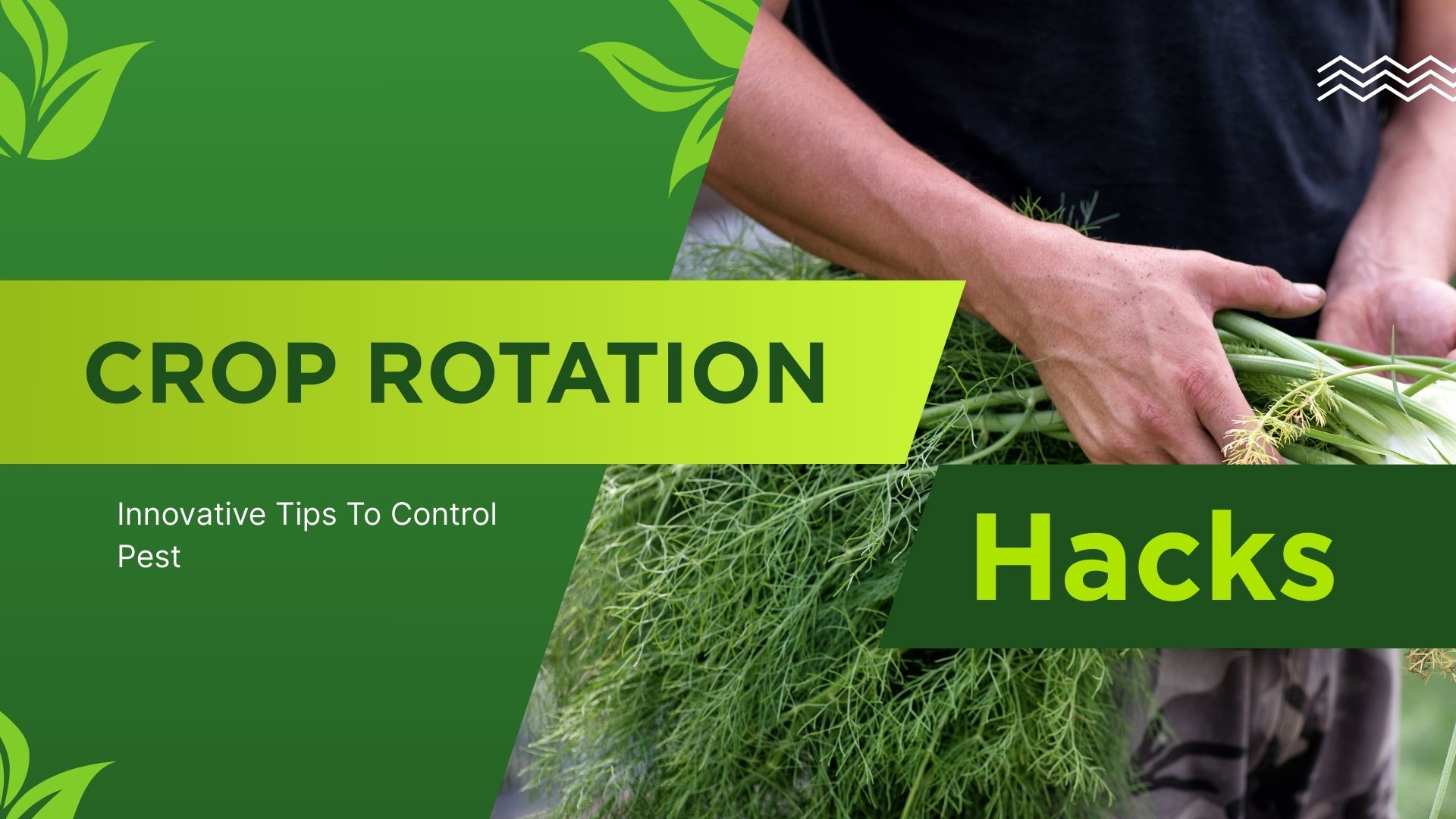
One of the major aspects of controlling pests in a smart and sustainable manner is crop rotation. By changing crops, the pests that are dependent on one type of plant do not find food, and they find it more difficult to survive during the next growing season. A method through which crop rotation can be helpful is by disruption of life cycles of insects and diseases. As an example, when you plant corn that is infested by the pests such as corn rootworm, when you change to another crop the survival rates of these pests are significantly lowered
Encourage Beneficial Insects:
The trick is to encourage beneficial insects and other animals to come to your garden so that they can assist in reducing the number of harmful pests. The trick to doing this is to provide them with a place they like to be, as well as some food that they can eat. This means that you will have to be comfortable with having some pests in your garden for the beneficial insects to eat. There are three more easy steps you can take to make this happen.
How to encourage beneficial insects :
Compost is amazing for your soil. It’s like fertilizer for all the little guys: microbes, earthworms, whatever you want to call them. And they, in turn, make your garden grow like crazy. Just keep adding compost to your garden beds year after year, and you’ll see that your soil is just getting more and more… better. Those microbes, for example? They’re hard at work keeping your soil together, extracting nutrients from minerals, and producing all sorts of goodies that help your plants grow strong and healthy.
Just keep adding compost to your garden for a few years, and you’ll see that you barely need fertilizer anymore. Maybe just a little dusting of it here and there, or a special treat for your new seedlings. But don’t bother with the compost, and you’re left with soil that’s just minerals. And to be honest, that’s just a recipe for disaster when it comes to nutrients. But if your soil is chock-full of organic materials like leaves and grass, well, your plants have everything they need right at their roots.
Ladybugs Eat Aphids:
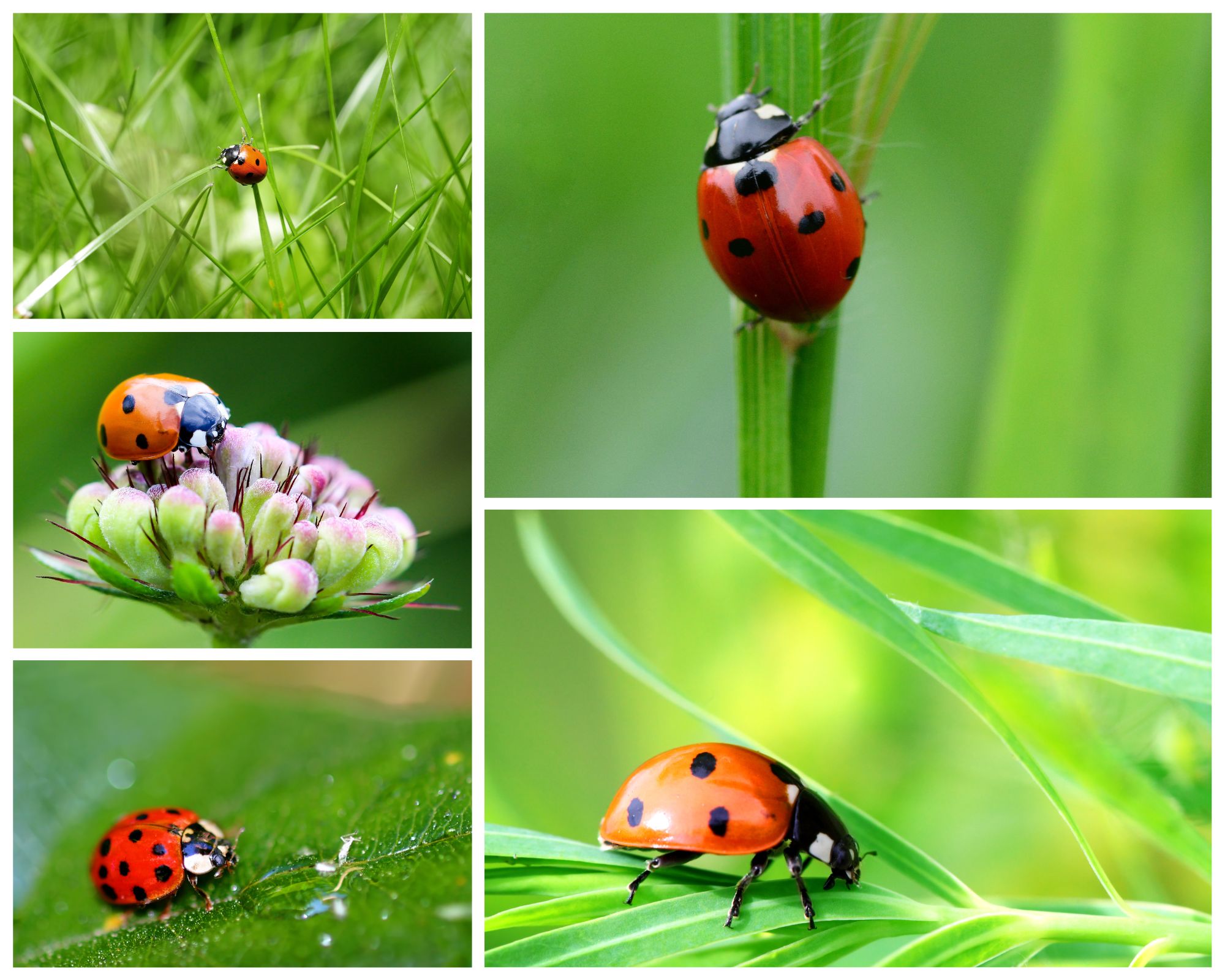
Ladybugs are really helpful in the garden. They mainly eat aphids, which are tiny, soft insects that feed on the sap from leaves and stems of plants. Aphids can make plants weak, cause leaves to curl, and even pass on diseases.
Both the grown-up ladybugs and their young ones eat aphids.
In fact, one ladybug can eat many aphids in a day. Because of this, ladybugs are known as natural helpers against pests. By bringing ladybugs into your garden, you can cut down on the need for harmful chemicals and keep your plants healthy without using any strong treatments.
Bees Help To Pollinate:
Bees assist plants in growing by performing a process called pollination. As they move from one flower to another to collect nectar and pollen to eat, some of the pollen from the flowers gets attached to their bodies. As they move from one flower to another, they transfer the pollen.
This assists plants in producing:
– Fruits
– Vegetables
– Seeds
If bees did not exist, some of the fruits and veggies that we consume daily, such as tomatoes, cucumbers, apples, and almonds, would not grow in abundance.
Effective pollination results in more of these products being bigger and better.
Use Natural Spray:
Soapy Spray:
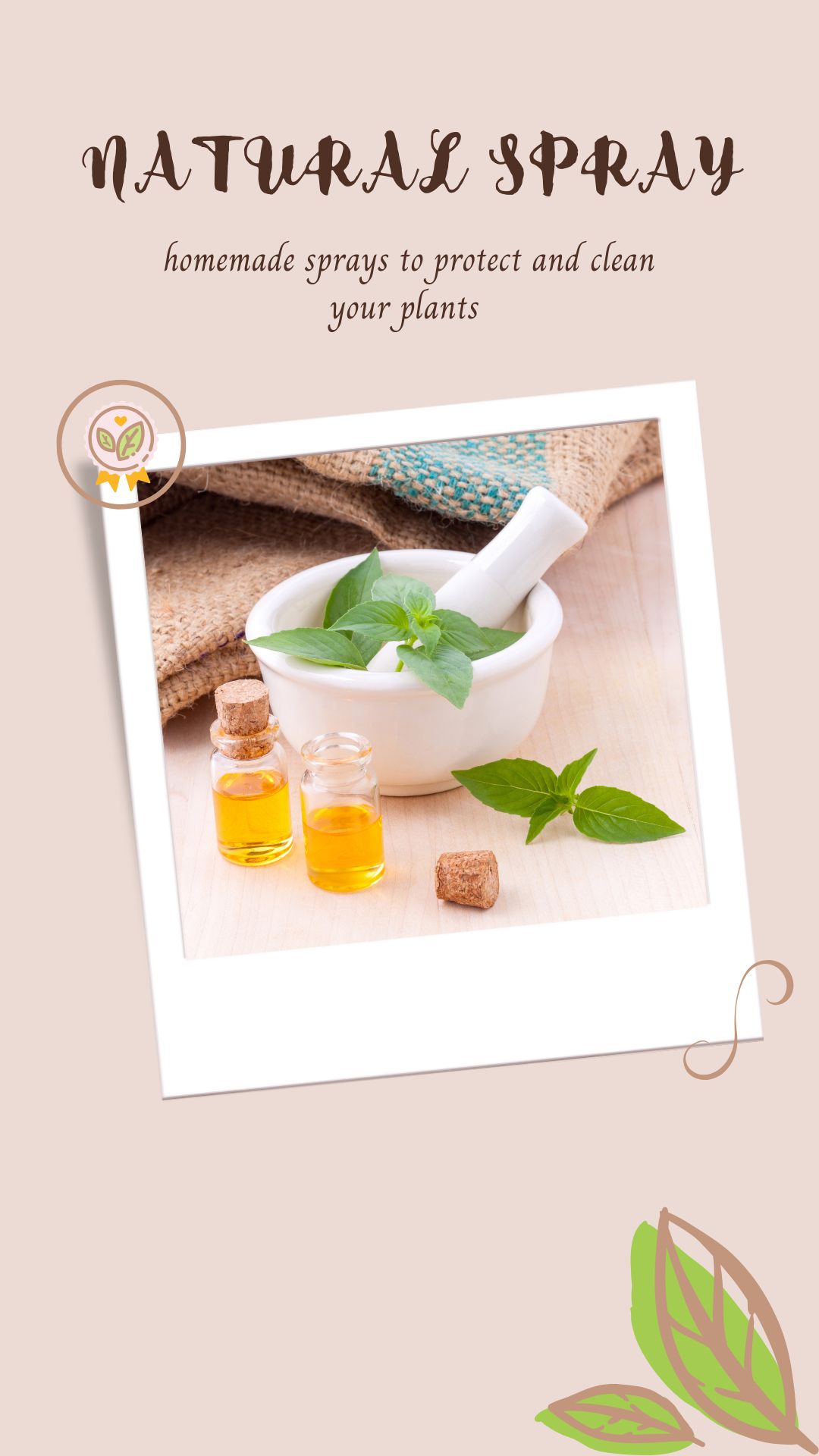
Soapy spray is one of those old–school tricks every gardener swears by. It knocks out aphids, whiteflies, thrips, and even caterpillars. Just mix a tablespoon of biodegradable dish soap with a teaspoon of cooking oil in a litre of water. Spray it right onto your plants’ leaves—don’t forget the undersides, that’s where pests like to hang out. This mix keeps working for about a month.
Proper Watering :
Proper watering involves giving your plants the right amount of water at the right time.
Too little or too much water can be detrimental to your plants.
Preventing Overwatering:
- Overwatering is a frequent issue.When the soil is too wet.
The roots cannot breathe well. - Fungal growth is more likely to occur.
- Mold and root rot may develop.
- Weakened plants are vulnerable to pests such as fungus gnats and mosquitoes.
- The soil is an ideal breeding ground for fungus and pests.
Proper Watering Techniques:
Check the soil moisture before watering by sticking your finger into the soil 1-2 inches deep.
- Water only when the surface soil is dry.
- Water thoroughly but not frequently.
- Water early in the morning to reduce evaporation.
- Do not water the leaves. Water at the base of the plant.
Remove Pests By Hand:
If bugs are messing with your plants, try using integrated pest management—it’s a smart way to tackle the problem.
For bigger pests like caterpillars or grasshoppers, just pick them off by hand. Grab a pair of gloves, gently pull the insects off, and drop them into a container filled with soapy water. The soap makes them sink, so they can’t crawl out.
Don’t forget to look under the leaves and along the stems. Those sneaky pests love to hide there.
Hand-picking is simple, safe for you and the environment, and best of all, it’s free.
How It Works:
Inspect your plants daily, especially under the leaves.
Check for caterpillars, beetles, snails, and large insects.
Carefully remove them by hand or with gloves.
Dispose of them in a bucket of soapy water to prevent them from coming back.
🌿 Why It Is Effective:
Controlling pests right away
No chemicals are used
It is safe for beneficial insects such as bees and ladybugs
Suitable for small gardens and indoor plants
⏰ Best Time to Do It:
Early morning or in the evening (pests move slowly and are easy to remove).
After a rainstorm when insects are more active on the leaves.
Keep Your Garden Clean:
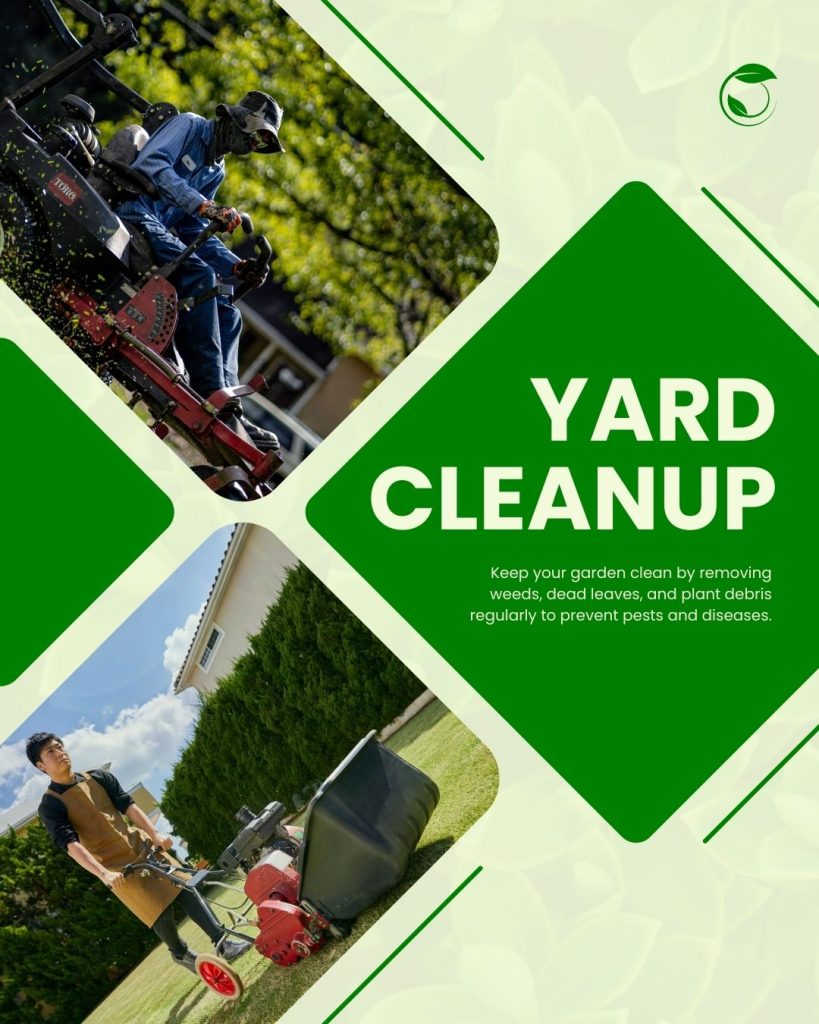
Maintaining your garden is an excellent way to ensure that your garden is clean and that the aesthetic value of your home and property is maintained. It doesn’t matter who does the garden cleanup, whether it is you or your gardener! What matters is that you show your garden some love so that it doesn’t become neglected (which will cost you more time and money in the end).
Your garden is an extension of your home. A clean and welcoming garden not only feels more pleasant to be in, but it also gives your home a huge boost of curb appeal.
First impressions are important, and a clean and colorful garden is a great way to set the right impression from the start.Garden cleaning would include activities such as weeding, mulching, and looking out for any fungal diseases. All these activities will help your plants grow stronger and healthier.
Removing Dead Leaves:
Dead leaves not only create an unpleasant appearance, but they also attract unwanted pests and bacteria. Our gardening services include the removal of dead leaves, sticks, and spent flowers to enhance air circulation around plants. This also helps to increase sunlight penetration for lower plant leaves.
Weed Management:
Weeds compete with your plants for space, nutrients, and sunlight. It is crucial to control them early (before they establish themselves). Based on your garden, we will employ natural techniques such as manual weeding and mulching or the use of pre-emergent herbicides that are garden-friendly.

Leave a Reply