The old way of farming uses resources inefficiently and produces unpredictable crop amounts each year, making it hard to address the problems modern agriculture is facing. Farm automation offers a better solution. Using robots, sensors, and AI, farming can work more efficiently, manage resources better, and increase productivity, tackling the biggest challenges in agriculture today.
What Is Robotics And Automation In Farming?
Robotics and automation represent two deeply interconnected fields that fundamentally reshape how physical work gets done, though they are not identical twins. Robotics deals specifically with machines that can sense, process, and act upon their environment. Think of a mechanical arm that spots a ripe strawberry, calculates exactly how to twist it off the stem without bruising the fruit, and places it gently into a container. These machines blend hardware like motors and gears with software intelligence, allowing them to handle tasks that demand precision, repetition, or operation in spaces unsafe or unpleasant for humans. Automation casts a wider net, encompassing any system where processes run with minimal human intervention, whether that involves physical robots, computer-controlled assembly lines, or even software bots that handle data entry without ever touching the physical world.
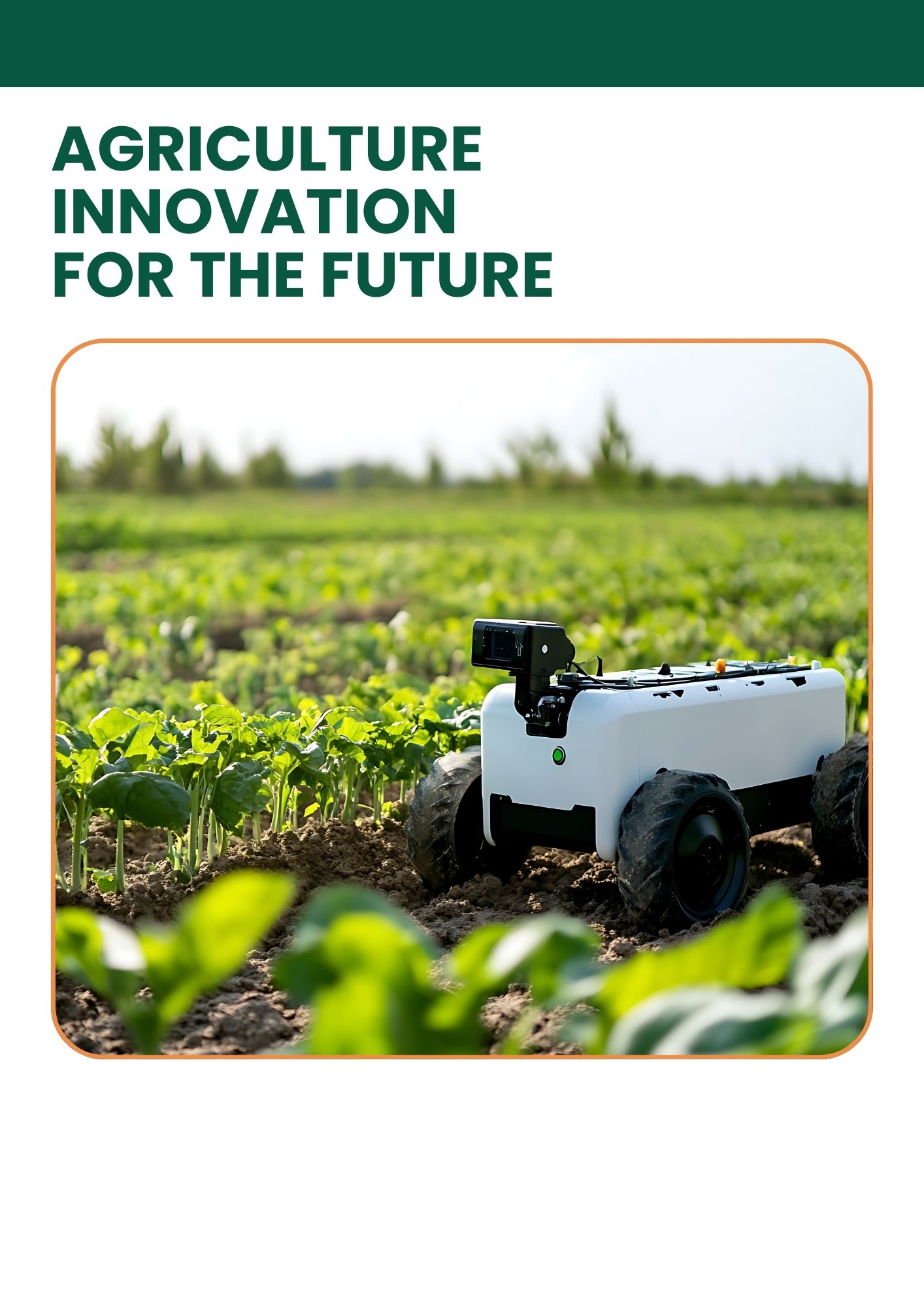
How Agricultural Robots Work:
In vertical farms, robots help with planting, watering, and harvesting crops that are stacked in layers, making the most of limited space. These farms use smart sensors and AI-powered robots to keep the growing conditions just right. The robots adjust lighting and nutrient levels as needed, right on the spot. Automated systems keep track of how plants are growing, spot any problems, and take care of them when necessary. This helps keep the crops healthy and lowers the cost of running the farm. Automation makes farming more productive and less physically tough, so farmers can spend more time planning and coming up with new ideas.
1.
Special tools made for specific jobs like planting seeds, removing weeds, picking fruit, applying pesticides, or checking on plants.
2.
Electrical and mechanical parts that give robots energy, let them move around, control what they do, and manage the operations.
3.
Sensors and real–time information from sources like cameras, GPS, LiDAR, or soil sensors that help robots understand their environment.
4.
Software and programming that turn data into decisions, allowing robots to work on their own or with some help from people.
Types Of Robotics And Automation:
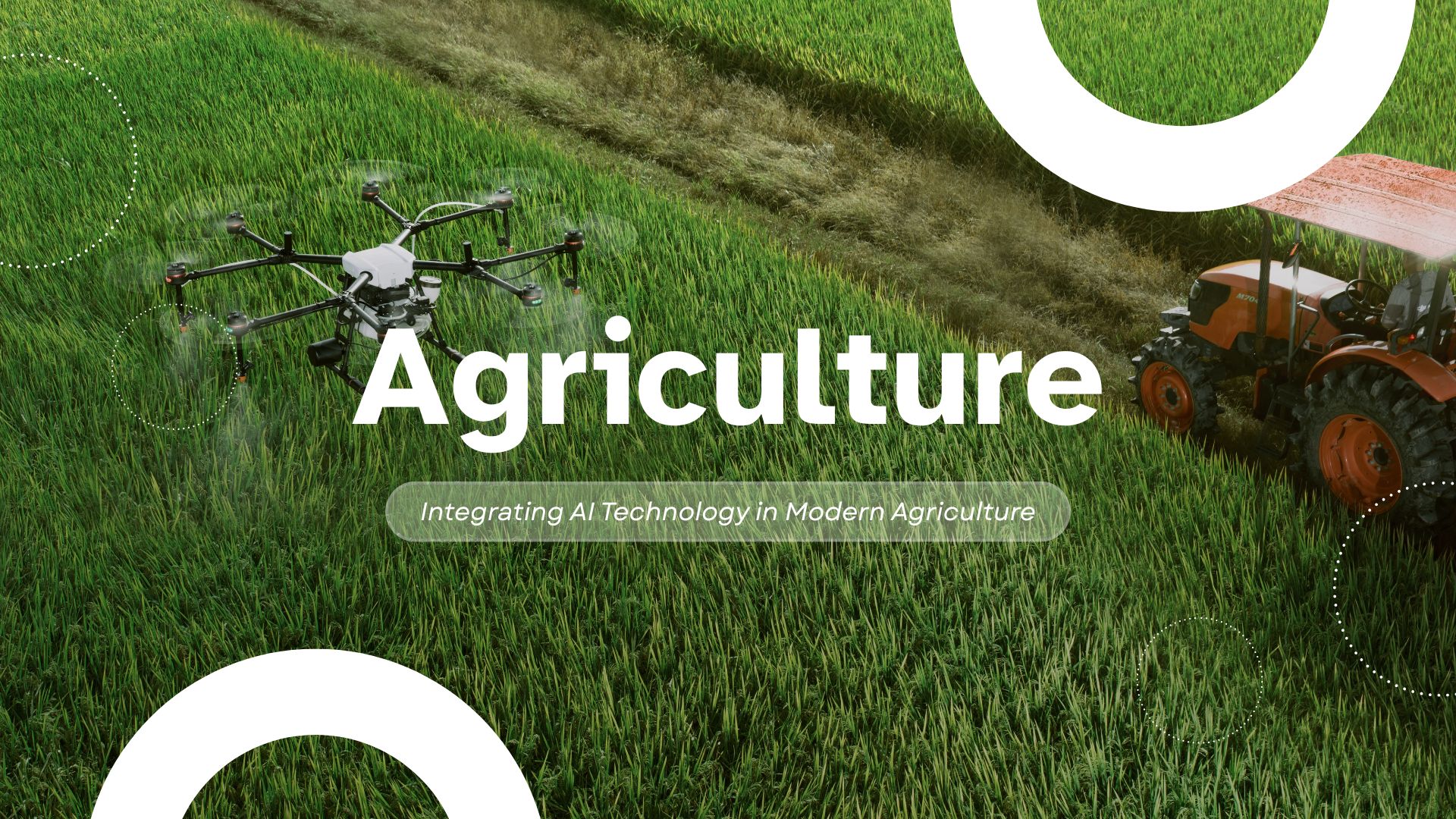
Mobile robots: Wheeled machines, tractors, or drones that traverse fields to accomplish tasks.
Swarming robots: Robots that work together to maximize large-scale tasks like planting and weeding are known as swarming robots.
Collaborative robots (cobots): Cobots, or collaborative robots, are machines that operate alongside people, frequently helping with labor-intensive or repetitive tasks.
Industrial robots are stationary devices used for precise tasks that are integrated into production or packing lines.
Completely robotic systems: Self-sufficient solutions for ports, processing plants, and even dairy farms.
Robotic Harvesting and Handling: To minimize damage and handling expenses, specialized robots with computer vision detect ripe fruit or vegetables to harvest.
Automated Irrigation Systems: By monitoring soil moisture and meteorological data, sensors automatically regulate water pumps and drip systems to provide the precise amount of water required, conserving resources.
Grafting Robot.
Robot Fertilizer.
Robot for Grading Agricultural Products.
Benefits :
Robotics isn’t just about advanced tech—it’s also a practical tool that can help improve farming today.
24/7 Operation: Robots can work around the clock, no matter the weather or time of day.
Increased efficiency: They handle complex or repetitive jobs faster and more consistently than humans.
Cost and labor savings: Using robots saves money by cutting down on labor costs and reducing mistakes.
Improved quality: They also help maintain better quality by ensuring tasks are done the same way every time.
Additionally, robots use resources more efficiently, which helps reduce waste and supports sustainability.
By using robotics to handle routine tasks, your farm can stay up-to-date with the times, lower your workload, and achieve better results for your crops, animals, and other farm operations.
Reducing labor costs:
Increases Productivity:
The automated systems will help increase productivity. With robots handling tasks like planting, harvesting, and monitoring, these activities can be done more quickly. This allows farmers to grow more crops in less time. Using robots in farming leads to higher productivity because they can work faster than humans. For example, harvesting robots can pick fruits and vegetables more efficiently than people, ensuring that crops are collected when they’re at their best, which improves quality. In managing crops, robots can quickly spot issues like pests or lack of nutrients, helping to avoid losses. Plus, robots can work around the clock, so productivity isn’t limited by how long humans can work.
Soil Monitoring Robot:
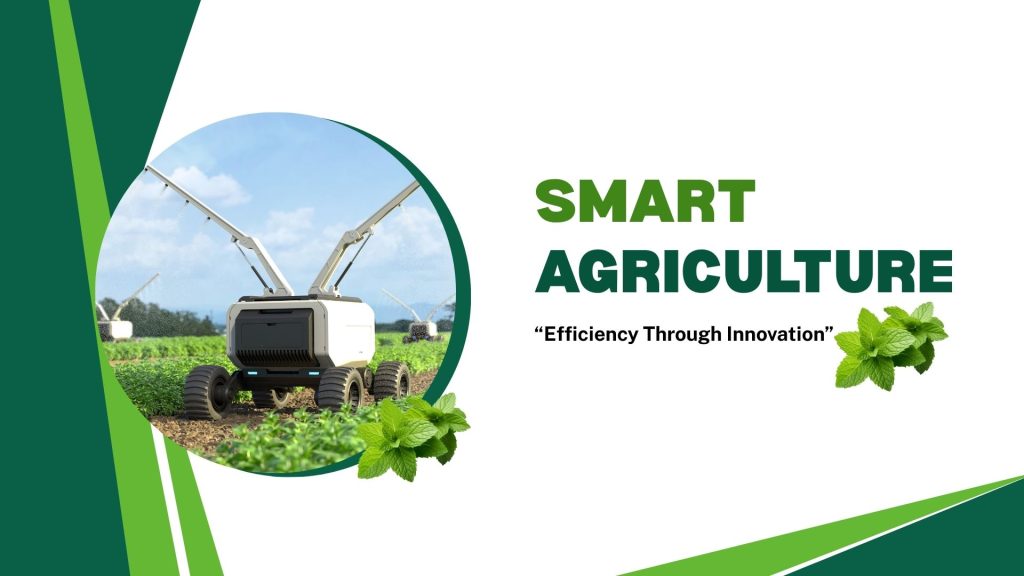
A soil monitoring robot is like a moving laboratory that roams across farmland to see what is happening beneath the surface, without needing a person to walk across the fields with a shovel and testing equipment. Soil monitoring robots are designed to analyze soil conditions and provide data on soil factors such as moisture levels, nutrient content, pH, and soil temperature. Soil monitoring robots can either be ground-based or aerial and are equipped with various sensors that provide data from the soil. The data provided by soil monitoring robots is very valuable for precision farming, as it helps farmers adjust their farming practices to suit the needs of their soil. By ensuring that crops receive the right amount of nutrients and water, soil monitoring robots help to grow healthier plants and improve crop yields. Additionally, continuous monitoring of soil conditions can help to detect early signs of soil damage, allowing farmers to take quick action to maintain healthy soil.
Minimize Time and Cost:
The use of robots in agriculture helps to save time on various tasks, and this means that planting and harvesting can be done faster. This efficiency, coupled with reduced labor costs, translates to huge savings for farmers. In addition, the use of robots ensures that resources are allocated in the right manner, thus reducing the cost of resources such as seeds, water, and fertilizer. All these factors make agriculture cheaper and more competitive, especially for large-scale farmers.
Controlled Environment Agriculture (CEA):
Technological Innovations:
Companies such as FarmLab are at the forefront of incorporating technology in agriculture.
They employ AI to determine the levels of carbon in the soil and satellite images to assist with precision agriculture. These innovations assist with increasing productivity and making agriculture more sustainable. These technologies are crucial in reducing emissions and indicate a larger trend of incorporating technology into agriculture.
Smart farming, also referred to as Farming 4.0 or farm automation, employs data and information technology to enhance the quality and processing of farming. Smart farming employs a number of technologies that enable farmers to monitor the conditions of their fields remotely. This enables them to easily control their farms and activities from a central location. Some of these technologies include the Internet of Things (IoT), drones, robotics, and smart farming apps. Automation is a major component of smart farming. The technique employs software and sensors to control and monitor the activities of the farm. This enables farmers to enhance the quality of their products, make them more available, and make them more sustainable and of high quality. All this is done to make farming efficient, of high quality, and sustainable, regardless of the size of the farm.
Autonomous Tractors and Vehicles:
Autonomous tractors and cars are some of the most popular types of robots that are used in agriculture. These robots are equipped with GPS, sensors, and AI that allow them to navigate through the fields independently, performing tasks such as plowing, planting seeds, and applying chemicals without the need for human control. They can either follow a predetermined route or change course in real time depending on what is happening in the field. These robots reduce the need for human labor to perform manual tasks, make agricultural operations more efficient, and can operate around the clock, which significantly improves productivity. The precision of these robots also helps to minimize waste and ensure that seeds, fertilizers, and other materials are applied exactly where they are needed. Autonomous tractors can operate independently and are controlled remotely by farmers. All a farmer needs to do is install the system and maintain the robots.
Automated irrigation systems:
Automated irrigation systems employ the use of robotics and sensors
to control the distribution of water in fields. The system is able to monitor soil moisture levels, weather, and crop water requirements in real time, automatically adjusting the timing of irrigation to optimize water use . In this way, automated irrigation systems are able to conserve water, prevent waste, and avoid problems such as over-irrigation, which can result in soil erosion and nutrient leaching. Some of the systems are even linked to AI, which enables the system to learn and adapt to the changing environmental conditions. An irrigation system that uses robotics is made up of special sensors and a Subsurface Drip Irrigation (SDI) system. The SDI system is not new to the agricultural sector. The system enables farmers to control the amount of water they are using and also informs them of the
exact time they should water their plants.
Water Conservation:
Robotic irrigation systems with soil moisture sensors can provide plants with exactly the right amount of water, helping to conserve this precious resource. For instance, drip irrigation robots can water targeted areas, reducing evaporation and runoff
Fertilizer and Pesticide Application:
Robots using precision application technology can apply fertilizers and pesticides only to areas where they are needed, such as areas with nutrient deficiencies or pest infestations. This helps to reduce the overall use of chemicals and prevents environmental damage.


Leave a Reply