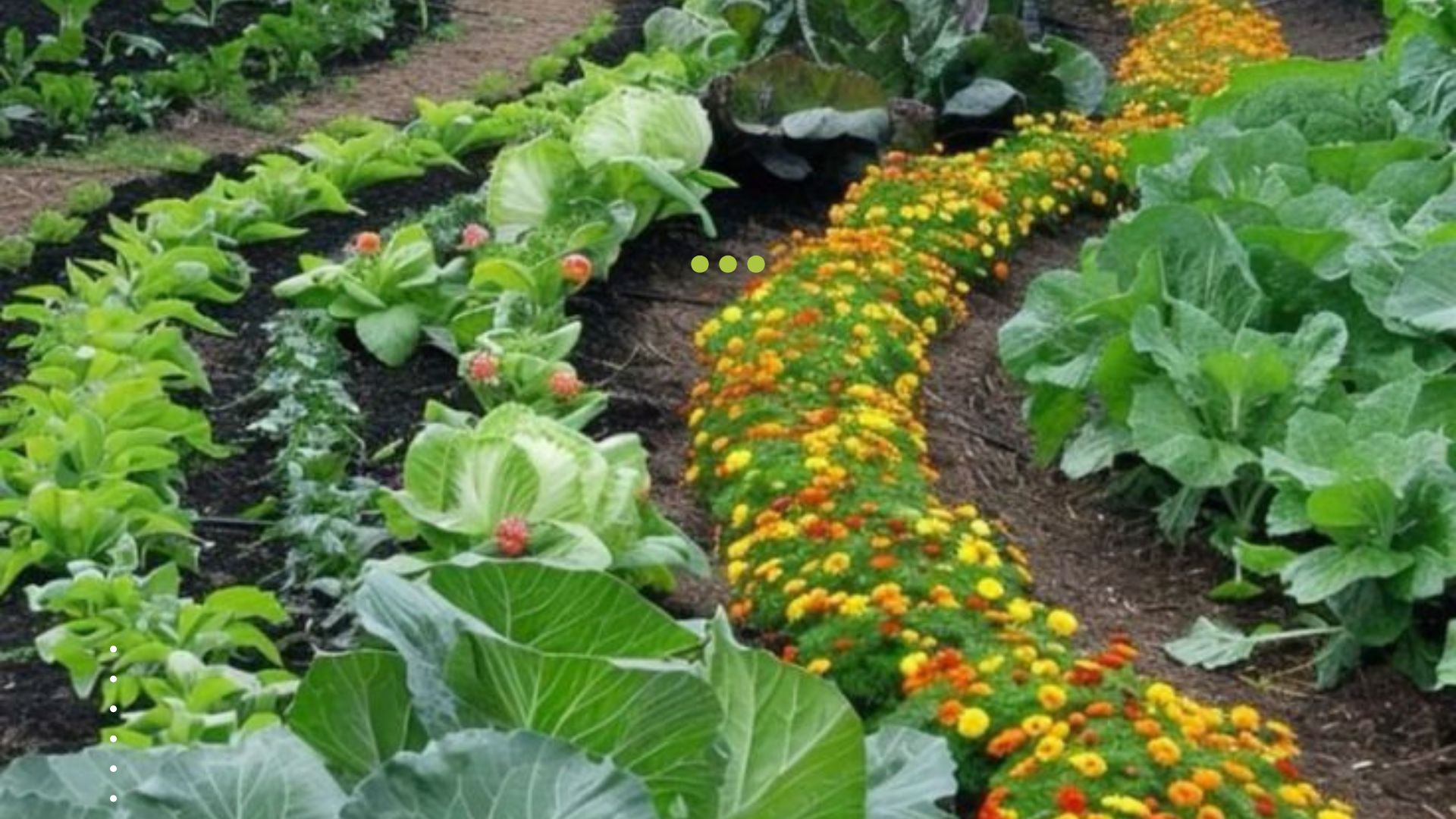
What Is InterCropping?
Intercropping refers to an agricultural methodology of planting two or more different crop species simultaneously in the same field during one agricultural season. All the crops are supposed to be harvested simultaneously. This approach aims to optimize land resource utilization as well as optimize favorable interactions among plants.
Unlike monoculture, in which there is only one crop in a given area, intercropping provides a space for a more dynamic environment.
The effectiveness of intercropping depends on selecting crops that can be grown together successfully and have the same growing time. When planting intercrops, various factors have to be considered, including the heights of the plants, root space, nutrient requirements, seed size, and duration to maturity.
Intercropping is one form of mixed cropping as opposed to monoculture, meaning a single crop is grown in a designated piece of land. Intercropping crops are intelligently selected and positioned to optimize the use of resources such as solar radiation, water, and soil nutrients.
The main purpose of intercropping is to increase productivity and harness the land more efficiently by harnessing the strengths of different crops. The advantages of growing more than one crop in a field include nutrient mobilization, natural pest and disease control, and diversified spatial utilization of land. A multiple-cropping strategy reduces the dangers of a total crop failure to some extent.
TYPES OF INTERCROPPING?
- Row Intercropping
- Strip Intercropping
- Relay Intercropping
- Alley Intercropping
- Mixed Intercropping
1. Row Intercropping:
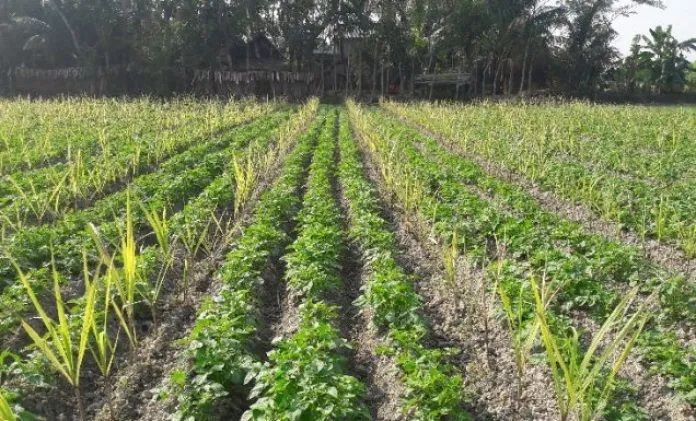
This type will use rows for all crops. Each row will contain crops side-by-side in the same direction and will use whatever type or types of crops are most appropriate for the available nutrients before planting the crops. The actual planting will alternate which crop you are using in each row, such that when you plant other crops, their needs do not overlap.
The way that farmers will plant crops may differ.
Some farmers will plant their crops in one row, succeeding the last crop, and then next to the last crop in the next row, until all the crops have been planted. Other farmers like to use a pattern, having two rows of one crop, followed by one row of a different type of crop until all have been planted.
The crops most commonly grown in rows are grain crops such as corn and leguminous crops such as beans.
Each type of crop should have a different number of rows. For example, if you have 10 total rows planted, 6 of those would likely be for leguminous crops and 4 rows for grain crops. One of the best combinations is the mixing of cereals and legumes. The cereals and legumes can be corn and beans. The rows may be fewer or more. According to one study, four rows of maize and six rows of soybeans should be planted.
The advantage of this system of row cropping is the contribution of the beans in enriching the soil with more nitrogen via the process known as nitrogen fixation. Nitrogen fixation occurs when the beans work in collaboration with bacteria from the Rhizobium group.
2. Strip Intercropping:
What is strip cropping? Strip cropping is similar to row cropping but involves wider areas of land. This is important as it allows for easier use of machines and enables crops to be cultivated separately. This method involves planting rows of one crop side by side with another crop.
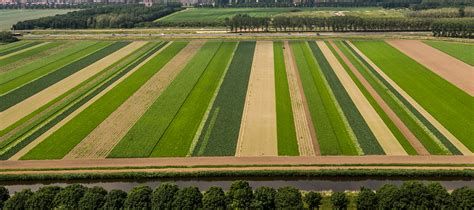
Farms that use machines really need to use row cropping. It is a way of doing things other than intercropping. Row cropping is a way to farm when you have a lot of land. You need a piece of land for row cropping so that the machines can work properly.
The main difference between row cropping and strip cropping is how wide the rows are. Row cropping makes it easy to use machines on each crop. With row cropping, you can grow two or more crops at a time. Row cropping works well because each crop is grown separately. They still help each other.
Row cropping helps farmers grow crops and earn more money. This is because they can use strip intercropping and crop rotation with row cropping. For example, farmers can grow cotton and peanuts using row cropping and make a lot of money from it.
3. Relay Intercropping:
To comprehend vegetative/crop-growing systems better, think of it as being parallel with a relay race. When running the race (with more than one person), one runner completes several turns of running before passing off the baton to the next runner, who now has to complete their remaining races to finish the relay.
The concept of planting successive crops works in much the same way.
There will be two or possibly 3 or more different crops that are grown on a specific plot of land; however, these crops will NOT grow together at once. One crop of the three is initially grown, and then it must have enough time to become fully established before continuing with the next crop on the same plot of land.
The second crop must also be capable of producing its harvest without the presence of much sunlight while the first crop is still alive, thus having to grow in the shadow of the first crop. Therefore, it will not require excessive sunlight to do so.
The best-known examples are where corn and cotton will be grown using this method, thus providing the benefit of less overlap and thus enabling a greater productive use on any given land, as well as providing a common example of where intercropping peanuts will be used to be relay planted between distant rows of rice to provide an increased yield of red rice when grown in an aerobic irrigation system.
Benefits:
- Reduce soil erosion
- Allow for improved water retention
- Improve the fertility of the soils
- Allow for the natural control of the pests on crops
- Produce more overall yield
- Support natural diversity in crops and soil
- Will provide ease of managing crops in the growing system
4. Alley Intercropping:
Planting crops in areas with trees, bushes, or shallow forests is something people often do. These crops are grown in the spaces between the plants, like trees and bushes. This way helps keep the crops safe. The bigger plants act like a shield against erosion, strong winds, heavy rain, much sunlight, and other things that might slow down the growth of the smaller crops. They also give shade and strong root support to the crops.
This method uses forest areas better.
It also helps against security threats by removing places where bad people might hide, like kidnappers or terrorists.
Alley cropping, or hedgerow intercropping, is a type of farming with trees.
* In this system, trees or shrubs with good nutrients are grown along with crops that can be sold.
* The trees are put in rows. The crops are planted in the spaces between these rows.
* During the growing season, the trees are. The cuttings are used to help the crops grow or to improve the soil.
* This makes the soil have good stuff and gives the crops what they need, especially nitrogen.
* When there are no crops, the trees are left to grow and give shade to the areas between the rows.
This method can also be used to grow another crop to sell.
It helps reduce water runoff and erosion on the surface, makes the soil healthier and more fertile, and reduces wind erosion.
Depending on the crops that are picked, it can also change the weather to help crops grow better or make habitats for animals.
Growing crops, when managed well, can make a farm more productive all year round, which means more income and lower risks of relying on just one type of crop. It can also help change from one farming system to another.
Benefits:
• Reduces surface water runoff and erosion
• Improves soil health and fertility
• Trees provide a windbreak
• Can improve crop performance
• Could reduce the need for fertilizers and
pesticides
• Reduces nutrient leaching to groundwater
5. Mixed Intercropping:
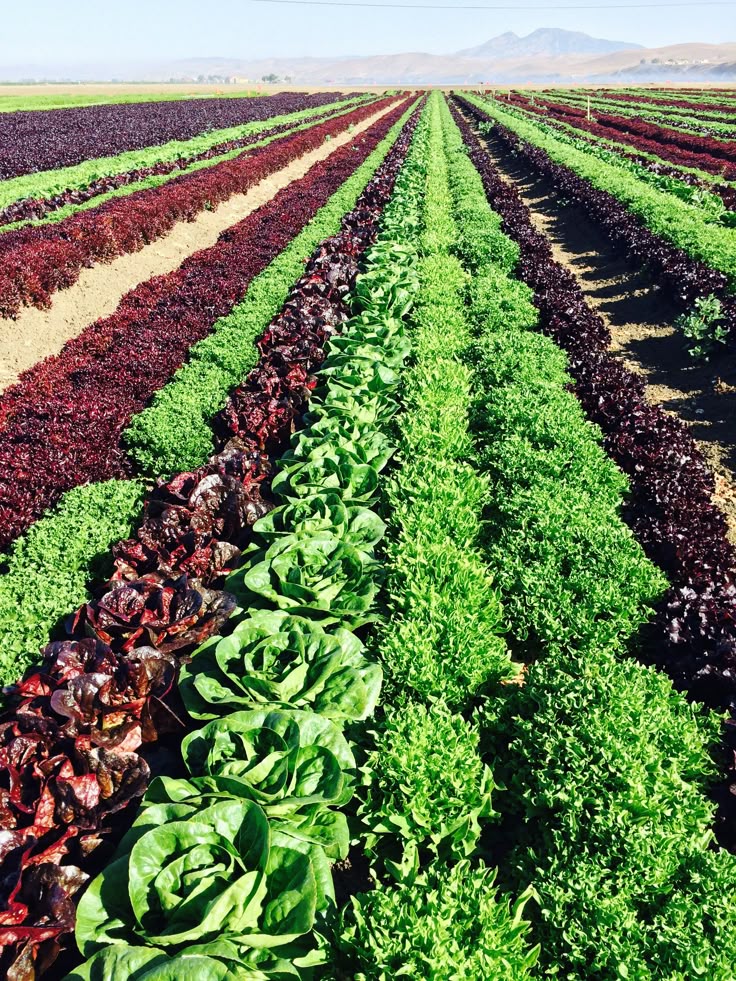
In this system, two or more crops are planted on an equal area of land, but without any clear demarcation of rows. The crops should have equal growth periods, and they should be ready for harvest at the same time. This system helps to shield the crops from pests, erosion, wind, and any other unfavorable weather changes.
Mixed intercropping, also known as mixed cropping, is the oldest-known type of farming system.
In this system, two or more crops are planted at the same time without any clear demarcation of rows. Groundnuts can be planted in this system, mixed with other crops such as pearl millet, sorghum, and castor.
This system makes the most efficient use of available land, thus keeping crop yields at an equal level.
Benefits of Intercropping:
- Increased Crop Productivity:
Intercropping may lead to an increase in the total crop production relative to the production of one type of crop.
When crops are grown together, they can utilize resources such as sunlight, water, and nutrients better. Intercropping can result in higher outputs using the same quantity of land by using these resources optimally and reducing competition. - Resource Utilization and Efficiency:
Intercropping utilizes the available resources. The needs and growth habits of each crop are different. Intercropping means that complementary crops should be planted together to guarantee the efficient utilization of sunlight, water, and nutrients. This reduces wastage and enhances the resource efficiency of farming systems. - Pest and Disease Control:
Intercropping is more effective in controlling pests and diseases.
Natural combinations of crops are known to deter some pests or lure useful insects that are used to control them. Intercropping can help decrease the use of chemical pesticides and provide a healthier agricultural environment by disrupting the cycle of pests and diseases and decreasing the transmission of harmful organisms. - Preventing Soil and Wind Erosion:
Crops between rows, bushes, and in alleyways are planted to increase the soil structure.
Such crops give shade and shield against wind, over-sunlight, and other adverse weather events. Trap crops also attract the beneficial insects and provide shelter to the primary crops against wind, erosion, and intense sunlight. - The condition of the soil:
Intercropping enhances the health and the soil fertility. The various crops possess different root systems and nutrient requirements that may enhance nutrient cycling and enhance the structure of the soil. Intercropping tends to enhance organic matter, soil biodiversity, and erosion. This results in improved soil fertility, increased nutrients, and sustainability eventually.
Practical Examples of Intercropping:
Tomato + Basil:
Did you know that if you plant tomatoes with basil, you may get more tomatoes?
Not only this, but your tomatoes may taste even better.
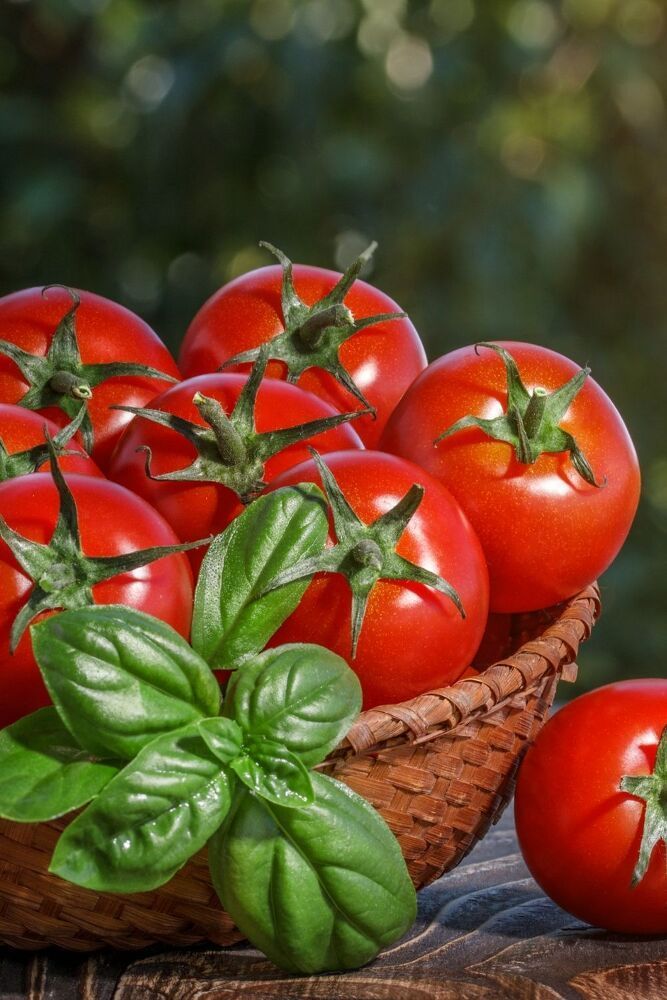
The flowers of the basil plant attract insects that feed on tomato pests.
For example, green lacewings and their larvae like the flowers of the basil plant. These insects feed on various pests, thus keeping your tomato plant healthy.
Lettuce + Carrots:
This is one of the most common combinations planted in the spring, especially in areas with mild climates.
This combination works because lettuce does not like hot climates. Carrot tops shade the lettuce from the sun.
Carrots benefit the lettuce because they attract helpful insects like lacewings and ladybugs.
These insects feed on aphids, which are bad for the lettuce.
Carrots grow deep into the ground, whereas lettuce has shallow roots.
They complement each other because carrots focus on their roots, and lettuce has leaves.
Wheat-Chickpea Intercropping:
This involves the intercropping of wheat and chickpeas. They may be planted in rows.
This method helps to improve the soil and increase the variety of food. This method would be especially useful in dry climates because water conservation would be easy.
Wheat + Mustard:
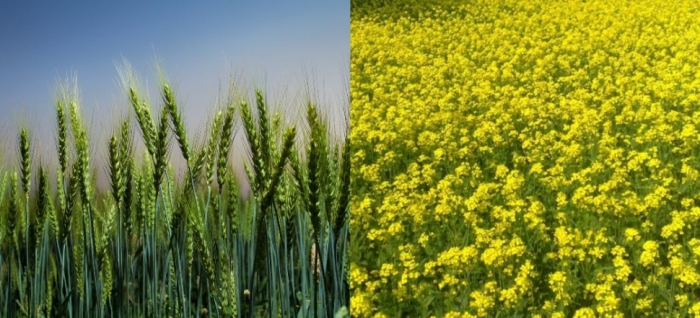
System: Row or mixed intercropping
How it works:
Wheat is the main crop, and mustard is grown alongside.
Mustard grows faster than wheat.
Benefits:
Nutrient and space utilization are efficient.
There is additional income from the early harvest of mustard.
There is also the potential to control pests.
Corn + Beans:
The beans can also obtain nitrogen from the air, which disappears when crops are planted. This nitrogen is used by the corn immediately to grow leaves, which help in the development of the corn cob.
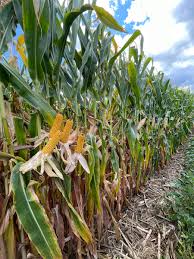
The tall corn stalks will also help the beans grow because they have something to climb on.
The bush-type beans will not have to climb on anything, but they will still help in the exchange of nutrients from the roots of the bean plant and the corn plant. Research has shown that corn and soybeans can be planted together, especially in cooler climates, because it is difficult to grow either crop because of the short growing season.

Leave a Reply