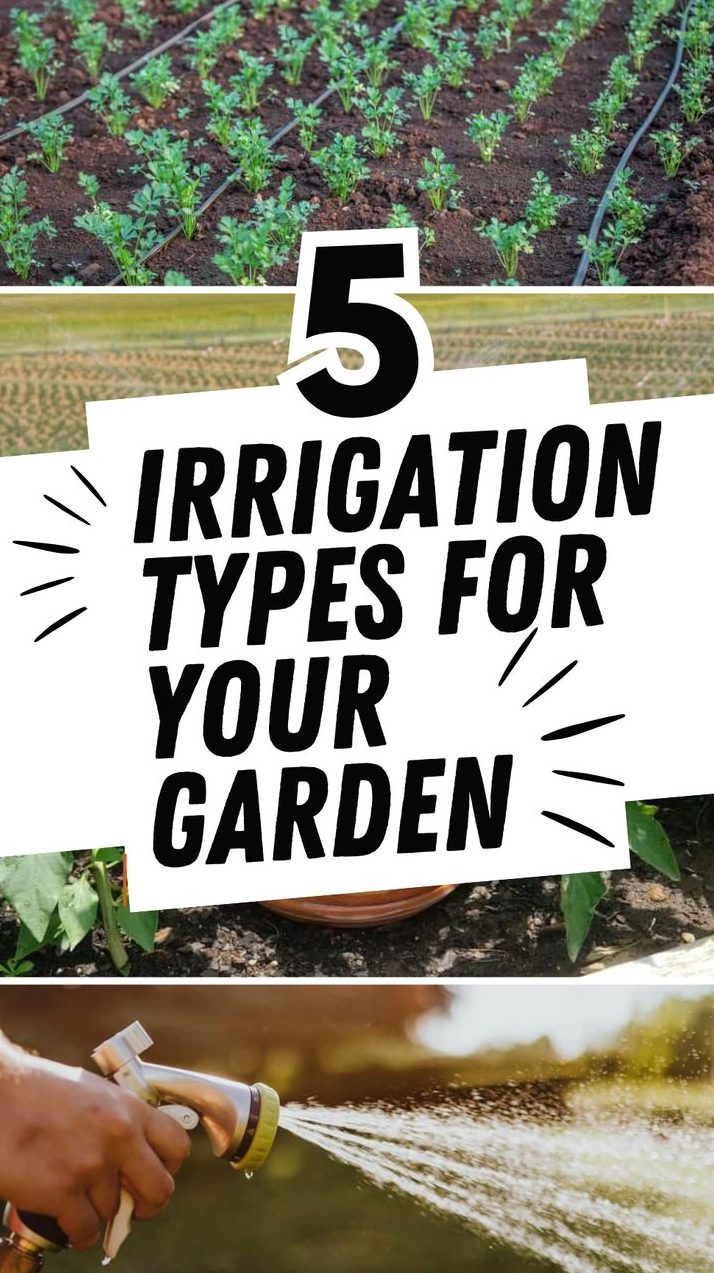
A well-maintained watering system can help one avoid overwatering plants. It can also lead to money savings and better health for the plants. There are endless options for choosing or upgrading an existing watering system. Water is one of the most important resources on earth, and the wise use of water is essential in the world of farming, businesses, and day-to-day life. Due to climate change and the growing global demand for water, the importance of water conservation methods and proper irrigation systems has increased. These help reduce wastage, increase crop yield, and ensure an environment-friendly model of farming.
Water is an important commodity, and its conservation is essential to the well-being of the Earth and the generations to come. Antiquated systems of watering gardens consume a lot of water, which is lost either through evaporation, water running off, or overwatering. The solutions to these problems are new water-saving irrigation methods that aim at guaranteeing the efficient use of water and that the plants are supplied with sufficient water at the appropriate time.
Water conservation means “wise use of water” to reduce water wastage and ensure the availability of water in the future.
Here are some main reasons why saving water is important:
Avoiding Water Shortage: Droughts and depletion of underground water reserves are quite common in many regions, and hence, conservation is a must.
Maintaining Agriculture: Crops require a continuous water supply, and efficient use of water helps in producing more food.
Cutting Costs: Controlling water use means that the farmer saves money on watering.
Help the Environment: Overconsumption of water depletes rivers, lakes, and wetlands, affecting ecology and wildlife.
Best Irrigation Methods:
Drip Irrigation System:
Drip irrigation is a way to water plants, and it saves a lot of water. It works by giving water to the plants at the base. It does this slowly so the soil can take it in. The little parts in a drip system, called emitters, can put out a little or a lot of water every hour. To make drip irrigation work well, you have to set it up and take care of it.
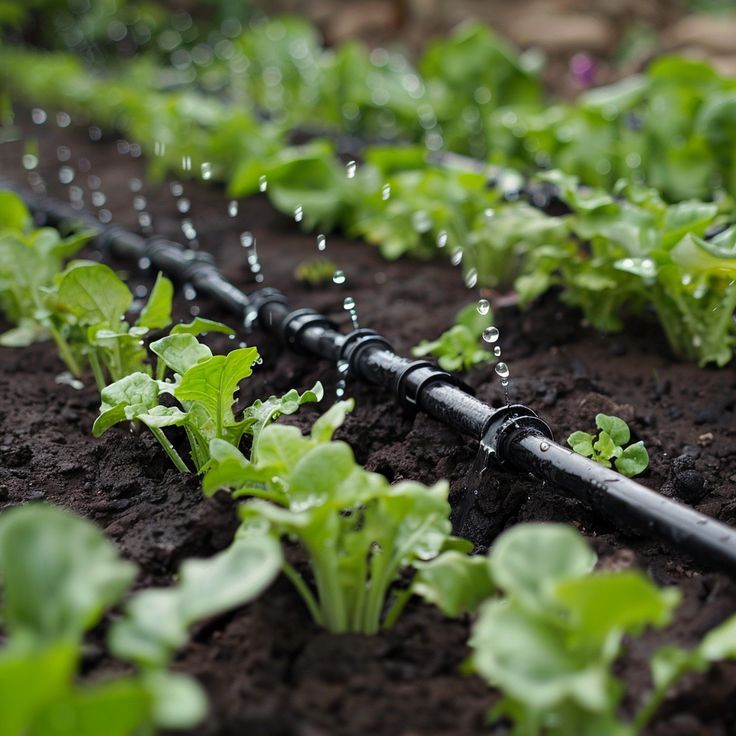
There are kinds of drip irrigation equipment like drippers, bubblers, soakers, and micro-sprayers. You can set up a drip system with a timer. Split it into different areas. This way, you can change each area to fit the needs of the plants or the kind of soil. Drip systems use water when they have a pressure regulator, a filter, and just one kind of emitter for each area. Drip irrigation is perfect for gardens, trees, and shrubs. It is a good way to water plants because it sends water to the roots slowly and exactly, which helps stop water from evaporating or running off. This way is great for saving water because it does not waste water in places where it is not needed.
Drip Irrigation Increases Crop Yields and Quality:
Drip irrigation gives water to the roots so it does not hurt the leaves or make the ground too wet, which can cause problems and make the crops not as good.
Drip irrigation is adaptable:
Drip irrigation systems are very flexible.
They can be made for fields of any size or shape. They are also easy to make bigger. Furthermore, they can work even when the water pressure is low.
Water Saving: When you water at the roots, it helps stop evaporation and runoff, making drip irrigation one of the best ways to save water in Pakistan, with it working very well over 85% of the time.
Fertilizer Savings: Drip systems send food to the roots, which reduces waste and makes the crops healthier.
Smart Irrigation Systems:
Smart irrigation systems are technology-driven irrigation systems that are more efficient in farming and garden care.
These systems are useful in conserving water and ensuring that plants receive the appropriate quantity of moisture in the most opportune moments. The key technologies applied in smart irrigation include:
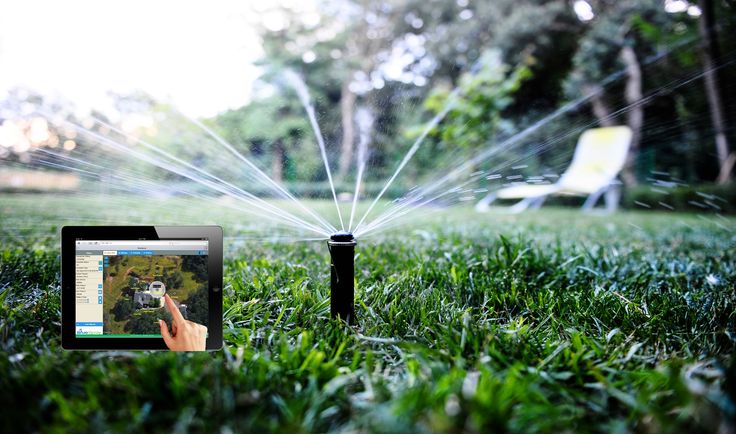
Soil Moisture Sensors: The sensors monitor the amount of water in the soil and ensure that water is only discharged when necessary.
Weather-Based Irrigation Controllers: The systems operate on current weather data to adjust watering schedules based on temperature, humidity, and any impending rain.
Drip Irrigation: This is highly effective in watering plants by spraying water into the root of the plants and thus reducing water wastage through evaporation and runoff.
Automated Sprinkler Systems: These sprinklers have sensors and timers that regulate the usage of water as per what the plants require and the weather outside.
IoT and AI-Based Water Management: The intelligent systems are advanced because they use artificial intelligence and interconnected devices to analyze the information and automatically address water distribution.
Smart Irrigation Systems: Advantages.
Water conservation: Smart irrigation can conserve up to 50 percent of the water consumed in conventional methods.
Greater Crop Yields: By providing plants with the right amount of water, they would be better able to grow well and yield more.
Cost Efficiency: Through these efficient practices, farmers can save money on water and electricity.
Less Soil Erosion: Controlled watering prevents excess water from running off, and this makes the soil healthy.
Green Agriculture: Less water will conserve the natural water sources and will keep the environment balanced.
Sprinkler irrigation systems:
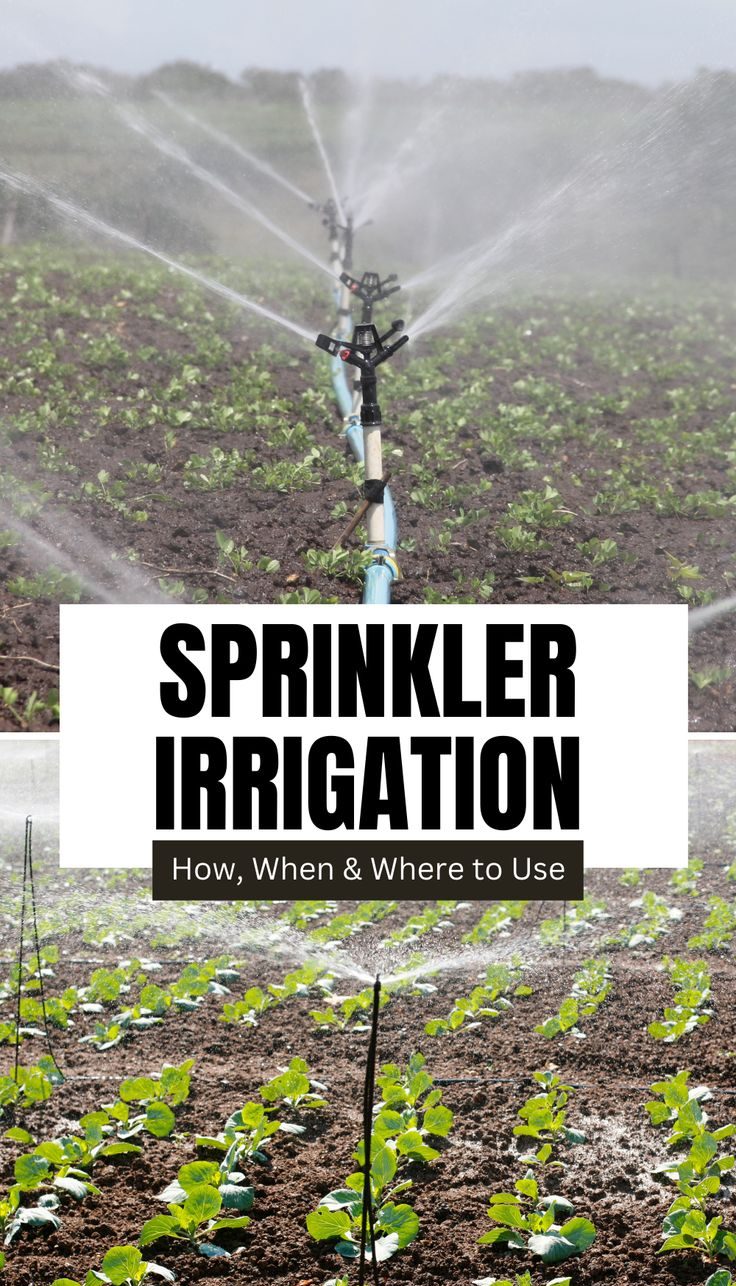
Sprinkler irrigation systems are designed to optimize crop cultivation, conserving water in the process. For a garden or a farm with a sprinkler system that fits its scale, more crops can be grown per unit of water. This is done by imitating the natural fall of rainwater through evenly distributing water in a manner that optimizes water use efficiency and enhances the growth of crops. Sprinkler irrigation systems are designed to help cultivate crops with a minimum of water through a range of irrigation systems suitable for small gardens and large farms to help grow more food per drop of water used.
This system works by emulating the natural pattern of rainfall so that the water is distributed evenly with minimum wastage and optimum nourishment, resulting in healthier and stronger plants. This form of irrigation is essentially a rainstorm in a can.
This water is sprayed into the air through pipes under pressure, usually by a pump. The sprinkler heads distribute tiny droplets of water that settle onto the soil.
The sprinkler systems are very effective for small and large areas and all kinds of farmland. They are very flexible to fit any soil type because there are sprinklers suitable for different water requirements.
Sprinkler irrigation is likely to enhance yields. This mode of water delivery ensures that the soil remains wet and loose, just like the rain, without disturbing the soil structure. This careful watering treatment is similar to rain and has a positive effect on soil moisture and biological and chemical balances that support good plant growth. As the mode of transfer of water is through a range of sprinklers, it can be managed to meet the exact requirements of the plants.
Also, sprinklers can aid in weather control in the field. For the hot, dry, and windy periods, sprinklers cool the confined air and encourage vegetation.
Sprinkler irrigation saves water. Therefore, the system can be meticulously controlled. The distribution of water becomes even and, therefore, much more efficient.
Sprinkler systems are very flexible. They work well with various types of soils and crops and do not require level ground to operate. They can be used on sandy soil or on slopes whose steepness is 5%, something impossible to achieve with other irrigation systems. Sprinkler systems are also effective in preventing the soil from over-moisturizing, which leads to salinization in cases where the high level of groundwater might pose a problem. Sprinkler systems do not require land leveling, thus saving time and labor in leveling the land.
The use of an automatic sprinkler system makes everything easier. There is no need for you to go out and water the lawn or adjust the sprinklers manually. It has a timer and some sensors that ensure the lawn is watered to the right extent, and one can relax and not bother oneself with it.
Subsurface drip irrigation:
Subsurface drip irrigation is an extremely effective technique in which tubes or tape are installed beneath the ground to provide crops with the necessary water. Since the water is not applied to the surface of the soil, as is the case when the water is applied on the surface, issues such as soil crusting, water pooling, and water loss due to evaporation or runoff do not occur. Assuming that the system is the correct size and well maintained, it provides water in a very efficient and even manner. Water pours about the tube and flows in every direction. The water also reaches directly to the roots of the plants and not to the soil surface where most of the weeds remain dormant.
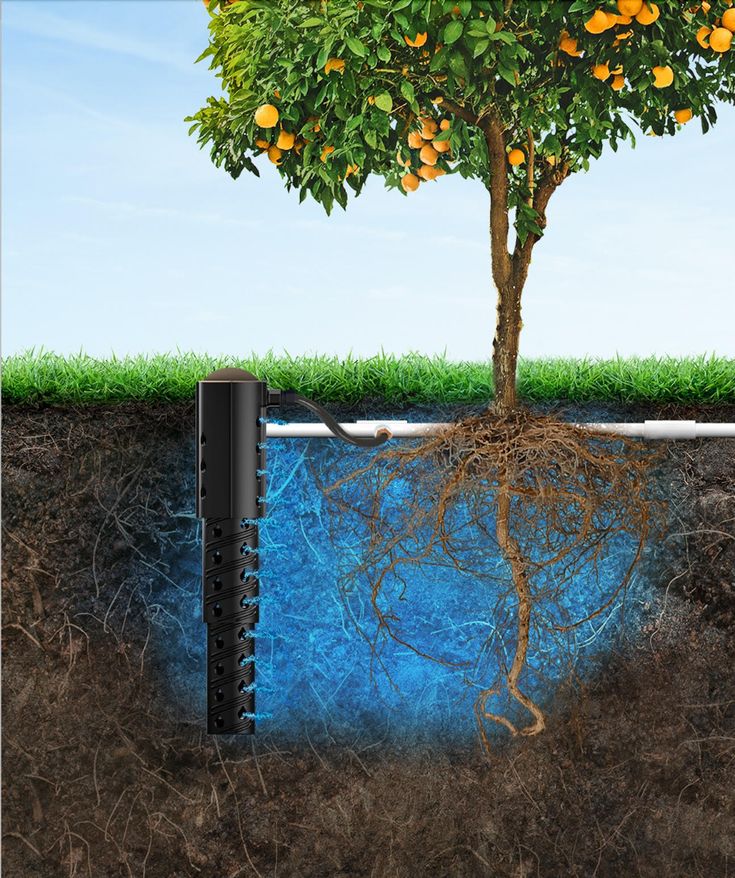
Drip irrigation at the ground level is an excellent technology that supplies the plant roots with the appropriate quantity of water. This helps to avoid possible losses of water to evaporation and problems related to watering the surface. It is particularly effective when there is limited water especially in dry, semi dry, hot, and windy regions. Nevertheless, the system is more complex and usually involves automation, which makes it suitable in larger farms.
Benefits of Subsurface Drip Irrigation:
Water Savings: Consumes as little as 70% less water than conventional products.
Energy Savings: Consumes less energy compared to other pressure irrigation systems.
Labor-saving automation decreases the number of people who are supposed to control irrigation.
Fertilizer Savings enables the application of the root area accurately, with 30-50% less fertilizer being applied to the soil.
Increased yields promote larger and higher productivity of crops since moisture is maintained at the correct level, and nutrients are supplied straightaway.
Weed Control: Weed seeds do not sprout on the dry soil surface, and this decreases the growth of weeds by 50-80 percent.
Less Erosion: No runoff will imply a lower loss of topsoil and a decrease in the washing away of nutrients. Lower Disease Pressure: Drier leaves are used to avoid fungal and bacterial diseases on the surface of the plant.
Rainwater Harvesting:
Rainwater harvesting with irrigation is a sustainable farming method that entails the gathering, storing, and use of rainwater for growing crops. Rather than allowing rainwater to flow away or go to waste, collected rainwater from rooftops, fields, or other open areas is stored in tanks, ponds, or underground storage systems for later use in watering plants.
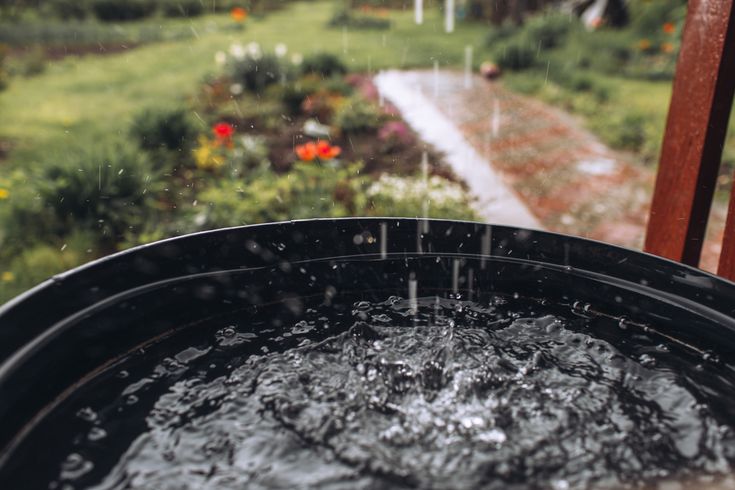
The method is especially important in places where there is not enough water, and rainfall takes place only during certain seasons, while levels of groundwater are dropping.
How Rainwater Harvesting Works:
There are three main steps involved in the process;
1. Collection: Rainwater is collected from – rooftops, farmlands, and open ground areas
2. Storage: The collected water is kept in storage tanks and farm ponds. – Underground reservoirs
3. Distribution (Irrigation Use): The stored water is later used for irrigating crops through drip irrigation systems and sprinklers.
Benefits of Rainwater Harvesting:
1. Reduces Groundwater Dependency. Groundwater depletion by overuse is one of the biggest problems in many farming areas in the world.
– How It Helps: Offers alternative water resources, pressure on wells and tube wells, and helps in the natural recharge of groundwater
2. Saves Water During Less Rainy Seasons. Rainfall occurs only during specific times of the year, and during dry seasons or droughts, the crops may suffer.
– How it Helps: Captures water during the rainy season, gives irrigation in dry seasons, and provides continuous crop growth
3. Environment-friendly rainwater harvesting is perhaps among the most eco-friendly water management solutions.
– Environmental benefits: Stops soil erosion caused by runoff and controls flooding of water during heavy rainfall. – Wastage of water – Sustainable agricultural
4. Economical Solution:
The maintenance processes involved once a system is set in place are minimal in harvesting rain water.
Financial Benefits
Saves financial costs on electricity used in pumping groundwater, saves on water bills, saves on use of outside water sources.
6. Enhances Soil Health:
Even if it is naturally soft, salts, and does not have any harmful chemicals.
Soil Advantages
Neutralize the salinity of soil, strengthen soil structure, and increase nutrient uptake capacity.


Leave a Reply