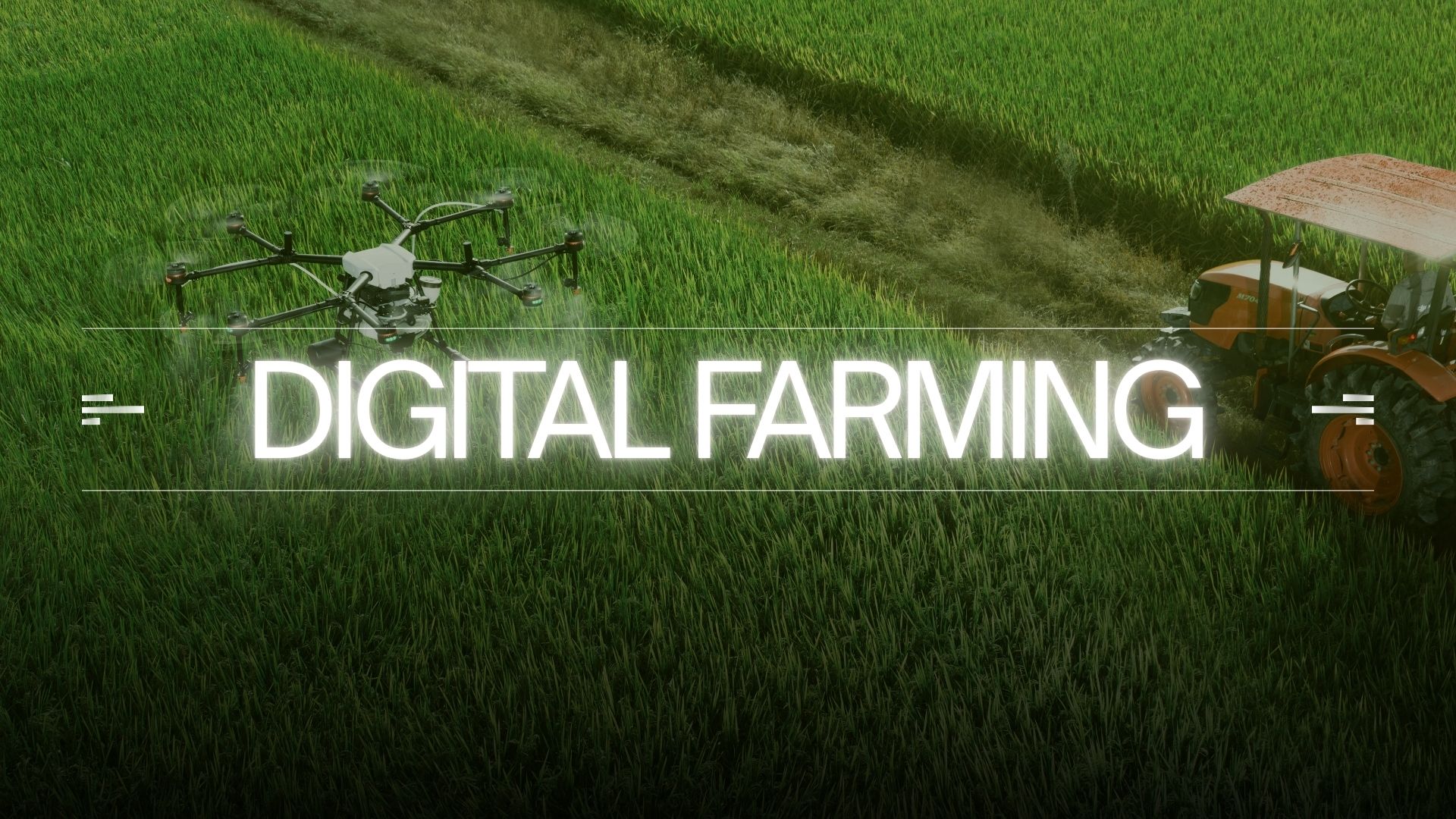
The implementation of smart farming tools is not mainly about staying on top of recent trends; rather, it is about maintaining success in agricultural enterprises long-term. Technologies such as precision agriculture and automation offer effective solutions to many of the problems faced by farmers today.
Furthermore, digital agriculture offers farmers new ways to access critical knowledge and provides access to incredible opportunities, not just for their farms, but also for the communities in which they live and for the planet.
This abundance of data enables farmers to evolve more effectively with ongoing shift issues that we will all encounter over time, such as feeding an ever-increasing populace, mitigating the effects of climate change, and protecting our natural resources.
Digital agriculture is an amalgamation of farmers’ experiences, coupled with the application of modern technologies, such as, but not limited to, satellite and drone-based digital imaging; algorithms that facilitate variable rate application and planting of crops; and artificially intelligent technology.
These tools and technologies, through the use of precision agriculture equipment, enable the farmer to make informed decisions in a timelier manner.
As farmers adopt and utilize digital agriculture, they will continue to have as well as gain accuracy and efficiency with their farming practices. This is accomplished in part through the reduction of resource usage, which is beneficial for all of us. That is, improved usage of raw materials and other inputs is advantageous to the environment at large.
Digital agriculture (commonly referred to as “smart farming” or “precision agriculture), is revolutionizing the way in which we operate our farms and grow our crops.
Digital agriculture utilizes modern technologies, such as satellite imaging, to provide farmers with more accurate information and better opportunities to improve their agricultural efficiency.
GPS:
Precision agriculture is changing the way that farmers and agribusiness think about the land that they rely on for their living. Precision agriculture is transforming the way farmers and agribusinesses think of the land that they rely on for livelihood. This approach allows for a more efficient and effective farming method and environmental conservation. Farmers that utilize precision agriculture have abandoned the concept of working on the whole field but have seen considerable benefits with the strategy of managing every patch of ground. The high-tech tools that are cheap and reliable for use mark the rise in precision agriculture. Many of these innovations depend on the use of on-board computers, information acquisition sensors, and the use of location and time systems (GPS).
Others believe that the benefits of precision agriculture are only available to large farms, which have more capital funds and knowledge of technology. However, this is not the case. Affordable and easy-to-use methods that benefit all types of farmers are available. GPS, geographic information systems (GIS), and remote sensing are methods of gathering information to enhance the management of land and water resources.
Precision farming technologies, satellite imagery, field mapping, and more enhance quality in crops and raise crop production profits. Also, it is helpful in resource optimization vis-a-vis conventional resources. Therefore, it assists in sustainable agriculture development to deal with economic and ecological pressures that are increasingly significant.
Technologies that are employed in precision agriculture include GPS, satellite images, and drones. The information is based on such important factors as the condition of plants in a plot of land, the weather forecast, and changes in the environment.
GPS is a “ground-based technology that provides spatially referenced data in real-time.” The GPS system is involved in mapping irrigation systems, fields, and roads, identifying points with problematic plants, among other functions of parallel tractor steering systems and variable-rate seeding and fertilizer application.
GPS is also useful for controlling agricultural machines. For instance, it allows growers to operate tractors even in poor visibility conditions like heavy rain or fog.
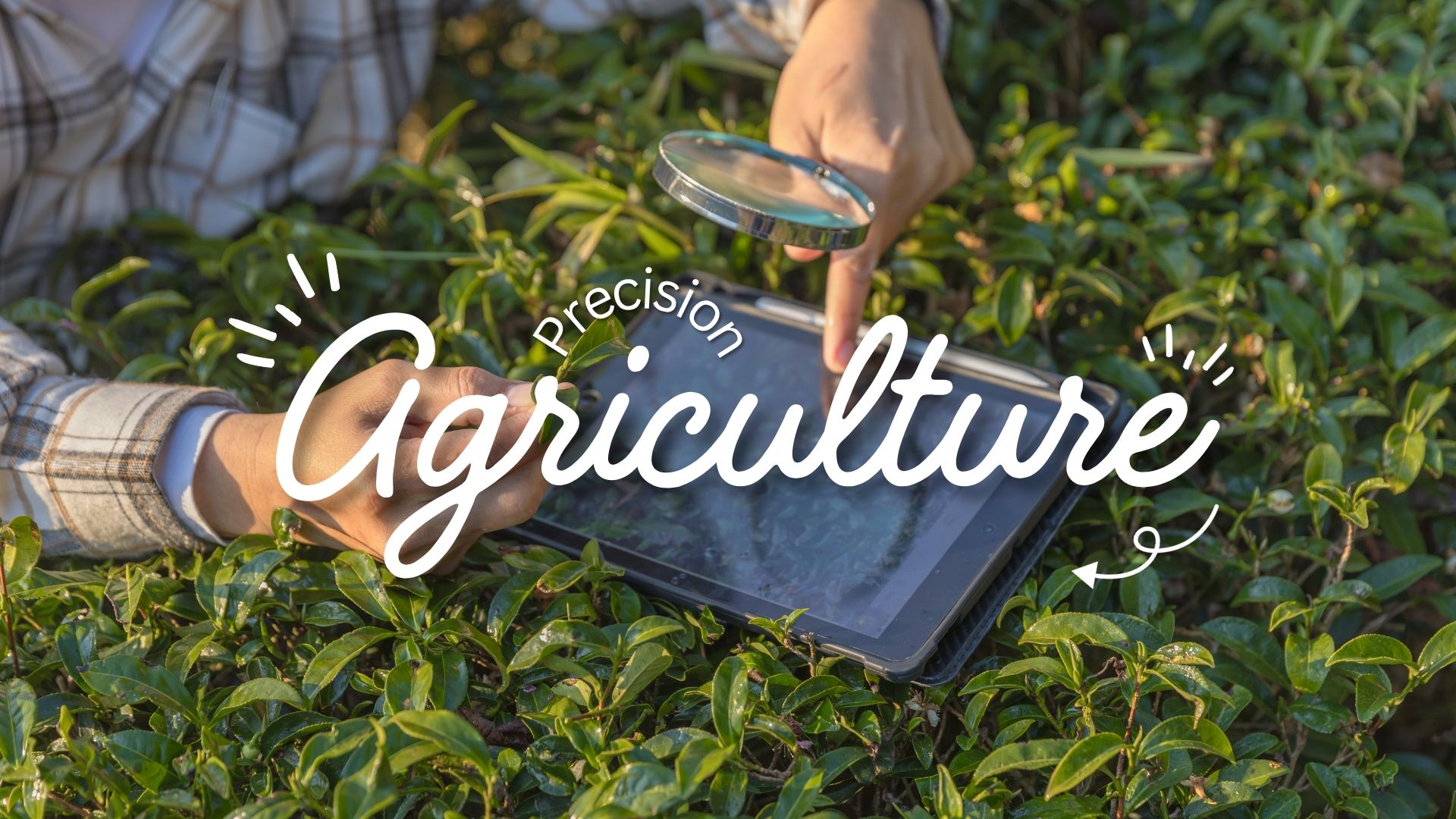
GIS technology means using information about objects combined with their locations for making maps, including digital maps. A farm is often divided into zones with the help of remote sensing. The zones are then analyzed and identified using GIS as well as a GPS. Traditionally, these zones are divided in relation to the soil type, nutrient levels, soil moisture, and the pH in the soil, as well as pest infestations.
GIS in precision agriculture allows the farmers to view records like soil survey maps and characteristics of crops commonly grown in the region. Supplementary data is provided in satellite images and aerial photographs. Other GIS functions that are useful include manipulation and comparison of layers, which allows analyzing various options in farm management.
- It increases efficiency by reducing input waste and labor costs.
- It also enhances productivity by enabling more precise operations that lead to higher crop yields and better quality produce.
- GPS contributes to environmental sustainability by allowing for targeted use of inputs, which minimizes their impact on the environment.
- Access to accurate field data supports better-informed decisions.
- As GPS technology becomes more affordable, small and medium-sized farms are increasingly adopting it as part of their farming solutions.
FARM MANAGEMENT SOFTWARE (FMS):
A farm management system helps farmers keep track of their land and resources, check soil quality, make smart choices to get the best crop results, and plan for the future in a sustainable way. Although the idea of farm management has been around for a long time, recent technology has changed the way it works. The best way to access it is through software.
Weather Monitoring and Forecasting Software:
Experts say it is important to do climate-smart farming to deal with the uncertain weather we may face in the future.
Farm data software helps farmers plan their work, such as when to plant, harvest, and water crops. By tracking weather changes, this software helps farmers make better choices and run their farms well despite climate change.
Equipment and Machinery Management Software
Tractors and other farm machinery are important to both small and large farms.
But they require regular checkups and care to function well. Farm planning software helps with these tasks and many more, so machines stay up and running and the farm runs smoothly. This software is especially useful for larger farms that use many types of equipment.
Crop Management Software:
Crop management is a big part of farm software.
This includes things like planning when to grow crops, when to plant and rotate crops, providing nutrients, caring for the soil, dealing with pests and diseases, and keeping track of the crop. Good farm software does more than just set schedules; it helps farmers to study the soil, water, slope, and climate required for their crops and make plans to suit those needs.
Advanced Data Management:
A farm management system helps farmers collect, store, and view a lot of information about their farming.
It includes details about crops, weather, soil health, and how machines are working.
Benefits of Farm Management Software:
Adopting farm management software provides numerous advantages, ensuring that farms operate more efficiently and sustainably.
Achieve More in Less Time: Water and Pest Control Your crops can be watered more efficiently, and pests can be controlled better than before. This allows you to better utilize your time and your people.
Save Money: You can stop wasting water and fertilizer and thus avoid making costly mistakes. This, in turn, will help keep your business operating profitably.
Do Good for the Planet: Not only is precision irrigation and fertilizer application good for you, they also have a positive impact on the environment and can reduce your business’ footprint.
Stay On Task: Using a Farm Management System (FMS) allows you to list all of your business’s major tasks, which means that you can ensure they are all completed on time without overlooking anything.
Know What to Plant: You will have a better understanding of soil conditions, weather, and markets for your next crop. Thus, you will know the right time to plant your crops for maximum yield.
Know Your Finances: By analyzing historical data trends and current market conditions, you will be able to accurately forecast your income and expenses. As a result, you will be able to make wiser decisions and keep your business running smoothly.
Agricultural Drones:
In many locations, drones are actually a key part of huge-scale precision farming. The data accumulated through drones that fly over fields facilitates farmers’ planning their planting and remedy schedules to get the most satisfactory possible crop yields. To make this information helpful, many farmers connect drone pictures without delay to their farm management software. This lets them see how healthful their fields are in conjunction with their current statistics of what they have got sprayed and how much they’ve harvested.
Drones can do predominant types of paintings in farming.
The first type is mechanical, like planting seeds, spreading fertilizers and feed, spraying herbicides, insecticides, and fungicides, or airlifting items. The second kind is extra about facts, together with counting animals, mapping and looking over fields, and accumulating records to understand how healthful plants are and what kind they’ll produce.
Most drones are designed to do both mechanical or statistics-based responsibilities; however, not each at the equal time.
They can’t help but routinely exchange the amount of seed, fertilizer, or spray in real time based on what’s occurring inside the vegetation or the field—although this technology is possibly to come soon.
These days, drones are already used for making use of inputs to many types of vegetation, inclusive of grains like rice, maize, and soy; industrial crops, inclusive of cotton; fruits like bananas and pineapples; and veggies.
There also are more specialized makes, such as painting greenhouses, liberating beneficial bugs, and airlifting harvested plants.
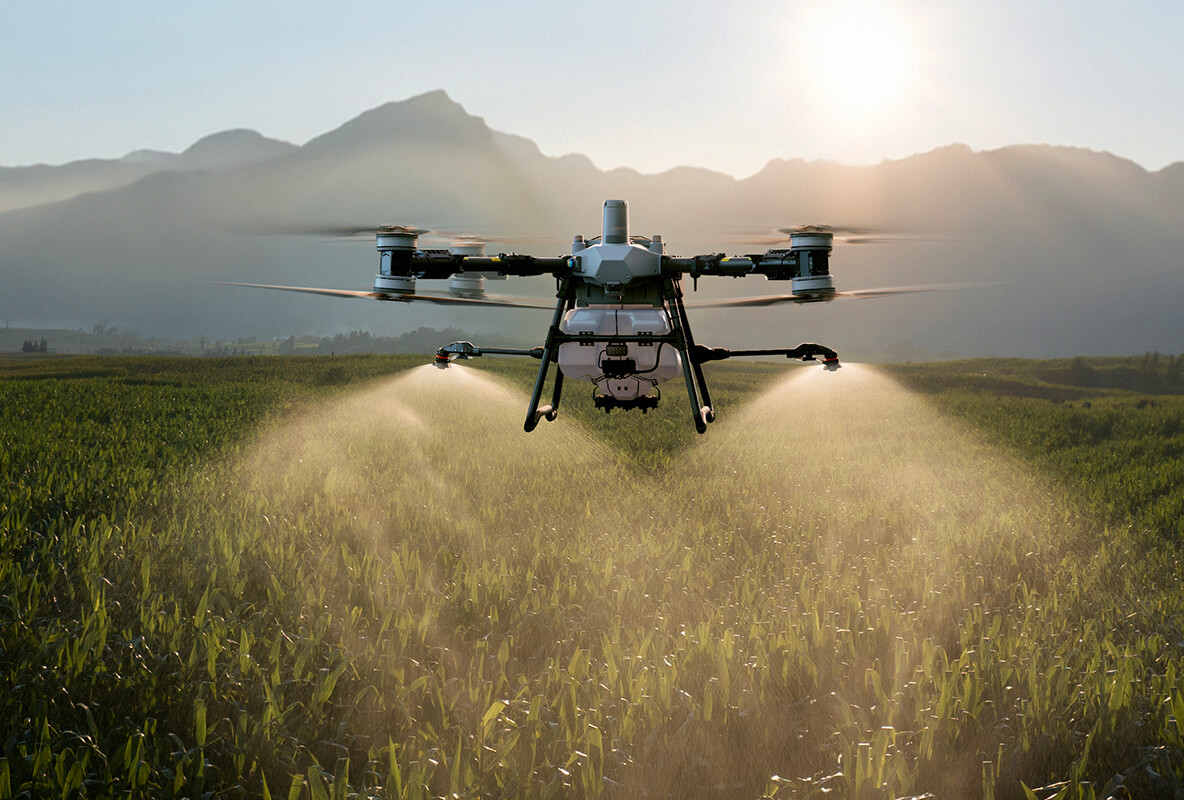
They use regular cameras to check on crop health. Many farmers already use satellite TV for PC images to check on crop boom, density, and color; however, satellite information may be steeply priced and not as powerful as drone imaging in many conditions. Due to the fact that drones fly near the fields, they’re less suffering from cloud cover and bad lighting situations. Satellites can provide records accurate to a meter; however, drones can provide photographs specific to the millimeter. This allows farmers to spot areas with lacking flora after planting and replant them if wished and detect disorder or pest troubles early in order that they can be dealt with right away.Monitoring Field Conditions:
They are able to create correct area maps that encompass elevation statistics, assisting farmers discover any irregularities. Having information at the elevation allows in figuring out how water flows and in which the field is wet or dry, which lets in more green watering. A few drone groups and provider carriers use unique sensors to display nitrogen levels inside the soil, helping to apply fertilizers more precisely, avoiding negative growing areas, and improving soil health over time.
Planting Seeds With Drones :
Right now, automated drone seeders are mostly used within the forestry industry, but their use in farming is predicted to develop. Drones can plant in tough-to-attain areas without risking workers’ safety. They are also very efficient, with a group of operators and ten drones able to plant 400,000 bushes in an afternoon.
This permits farmers to treat handily the affected areas, lowering the need for chemicals.
The UAV spraying era is remodeling farming.
Those drones can carry spray tanks and practice chemicals very exactly, concentrated on handiest regions that require remedy. This ends in a 30% discount in chemical use and additionally lowers the chance of human beings coming into contact with harmful substances.
Agricultural drones offer numerous benefits:
– Brief tracking of vegetation across massive regions
– Early detection of pests and sicknesses
– Unique application of fertilizers and insecticides
– Decrease labor and running fees
– Saves time compared to doing the paintings manually
– Offers accurate subject facts and photos
– Improves crop health and yield
– Supports eco-friendly and precision farming efforts.
The Power of Data in Modern Farming:
Data is what defines digital agriculture—large amounts of different pieces of data collected from different sources and then analyzed to understand these pieces of information. By analyzing and understanding these data sets properly, farmers can make tremendous overall change in the way they farm.
By focusing on data, farmers are also able to move away from the practice of using a “one-size-fits-all” approach and toward defining farm management plans based on the needs of the individual field, crops, and even individual plants.
Agricultural Data Types:
Climate Data: The weather history and current weather conditions.
Soil Data: The physical properties of soil and its nutrient and moisture contents.
Crop Data: An agricultural producer’s understanding of how their crops are performing, their level of crop health, and predictions for harvest.
Equipment Data: Performance of equipment and when to perform maintenance on machinery.
Market Data: Price trends and potential purchasing habits.
IoT Sensors & Smart Irrigation:
An IoT-based totally smart irrigation system uses a community of connected devices to display and manipulate how water is given to vegetation. These devices consist of sensors that accumulate real-time statistics about the soil’s moisture, temperature, and the climate. Then, actuators and controllers use these statistics to automatically offer water in step with what the soil and vegetation really want.
This automation is made even better with irrigation control dashboards, which let farmers watch over their fields and alternate irrigation settings from a distance.
This era offers an entire manner to manage water effectively, ensuring each drop is used as wisely as feasible.
The technique of clever irrigation starts with sensors amassing statistics from the soil and the encompassing environment.
This data is sent to a controller, which looks at the information and decides if irrigation is needed. If the soil is too dry, the controller turns on the actuators, letting water go with the flow through the irrigation system. When the right moisture level is reached, the actuators close off the valves, stopping the water from flowing.
This cycle makes certain crops get water only once they want it, stopping overwatering.
Via the irrigation management dashboards, farmers also can maintain an eye on the gadget and make guide changes if needed. This smooth mix of hardware and software program creates a totally efficient irrigation technique, lowering water waste and helping plants develop better.
Maintain a watch on soil moisture, climate situations, and crop health, which allows farm proprietors to enhance their irrigation practices.
- Reduces water wastage
- Provides real-time soil moisture data
- Automates irrigation scheduling
- Lowers water and energy costs
- Improves crop growth and yield
- Enables data-driven farming decisions
- Supports sustainable agriculture
- Minimizes manual labor and effort

Leave a Reply