Dead soil, which is sometimes referred to as depleted soil, is soil that lacks the necessary nutrients, small living things, and other things that plants need to grow. It may feel hard, packed down, and unable to retain water. This may be the case if, for instance, too much chemical fertilizer has been applied, the soil has the wrong pH, it has been eroded, or it has just not been properly cared for.
Not only is fixing the soil not just about making it look pretty, it is necessary if you want your garden to stay healthy.
Step 1: Testing Soil:
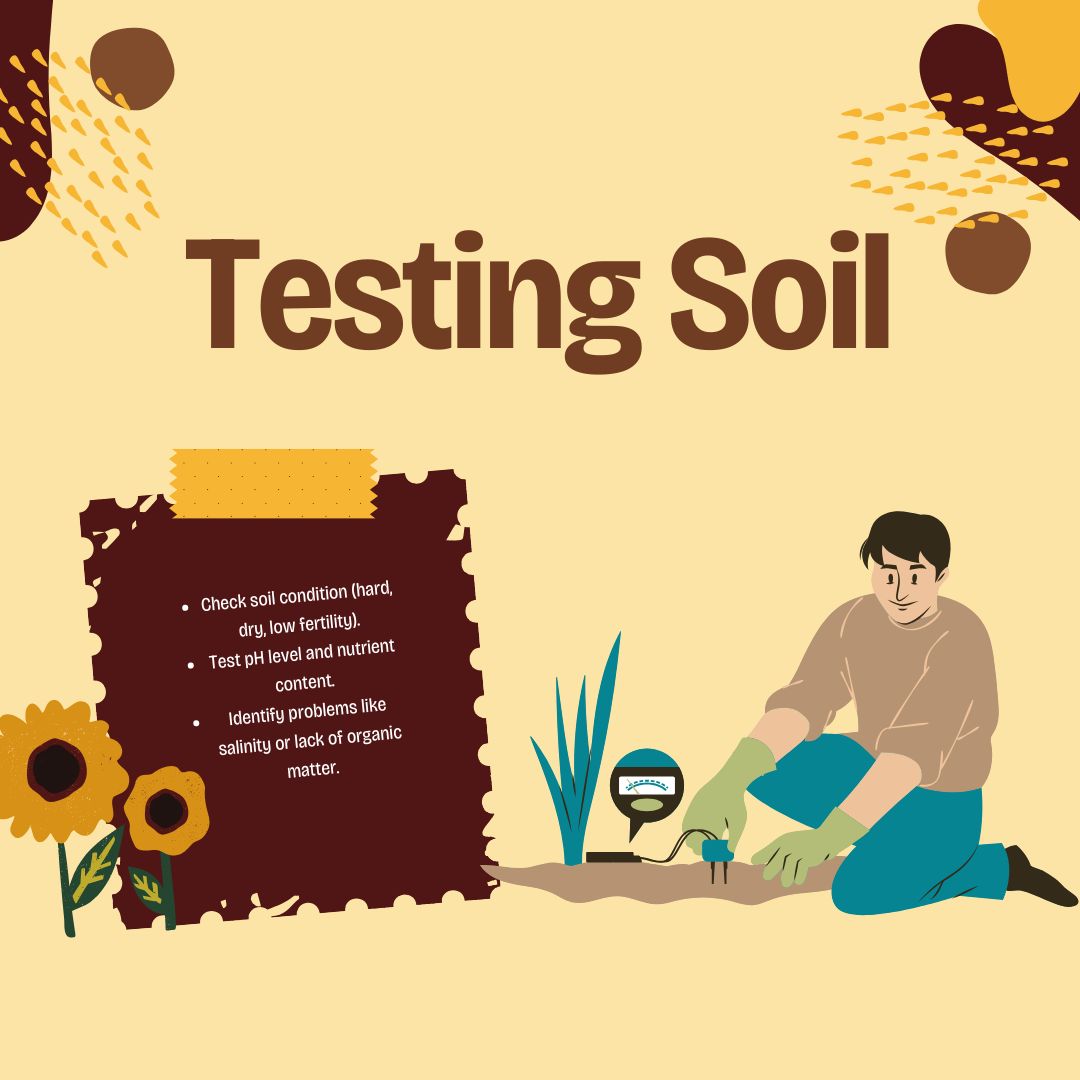
Your soil has to provide your plants with the required nutrients that will enable them to grow appropriately. If your soil lacks appropriate nutrients, your plants will not grow appropriately. The pH level of your soil, which indicates whether your soil is acidic or alkaline, influences how effectively your plants will utilize the available nutrients. If your soil is too alkaline, your plants may not get essential nutrients such as phosphorus and iron. On the other hand, if your soil is too acidic, it is harmful to your plants. Without appropriate soil, it is difficult to grow a successful garden. A successful soil test examines your soil type, whether it is sand, silt, or clay, as well as its acidity level. It also examines your soil’s available nutrients, such as calcium, magnesium, phosphorus, and potassium, and advises on how to adjust them to appropriate levels to promote healthy plant growth.
What are the benefits of soil testing?
Soil analysis helps in making appropriate decisions about the application of fertilizers, reducing the risk of soil erosion, infertility, and land degradation, and increasing profits over time.
- It helps in determining the availability of the major nutrients in the soil and their location.
- It helps in determining the availability of the major nutrients that may be limiting crop growth.
- It helps in tracking the soil health parameters, which influence the availability of nutrients to the plants.
- It helps in creating an opportunity to apply different amounts of fertilizers according to the soil type and the crops grown.
- It helps in creating an opportunity to make appropriate decisions about the amounts of fertilizers to be applied, when to apply them, where to apply them, and what type of fertilizers to select.
- It helps in creating a better understanding of the different types of soils on the farm, creating an opportunity to plan appropriate strategies.
- It helps in creating an opportunity to make appropriate adjustments during the season.
Step 2: Apply Mulching.
Every gardener wishes for a beautiful and healthy garden. Mulching is a cheaper and sure way of ensuring that every gardener achieves this goal. The soil can be covered by gardeners with a layer of organic material or mulch, which benefits the soil and the plants in many ways. This helps ensure a more pleasurable and fruitful garden.
Mulching involves using mulch or organic materials to keep the soil rich and to beautify the garden. Organic mulch regulates soil temperatures, supplies moisture that inhibits weed growth, and supplies nutrients into the soil as it decomposes. Other services provided by mulching include regulation of temperature, prevention of weed growth, moisture retention, nutrient supply to soil, and beautification of the garden.
To mulch, cover the ground with a layer of material such as shredded bark, wood chips, leaves, grass clippings, straw, or a similar substance. Mulching provision can be readily available to them in case there is a drought.
Covering soil with mulch can help control weed growth by preventing sunlight from reaching the soil surface. Also, mulch prevents moisture loss from the soil and keeps soil temperatures relatively close (i.e., provides warmth during cool periods and coolness during warm periods) to one another.
By using mulch, bare soils are protected from erosion and compaction.
Additionally, mulch provides a barrier to protect plants from extreme winter weather, such as freezing and thawing, as well as windblown snow.
Step 3: Organic Matter.
Organic matter is really important for growing crops and keeping the soil healthy. When the soil has further organic matter, it becomes better for crops to grow and helps the soil handle tough conditions like failure or heavy rain.
Having further organic matter in the soil generally means the husbandry system is more sustainable, leading to better and more dependable crops over time.
This also helps the planter become further plutocratic in the long run.
Organic matter helps in numerous ways—it improves the soil’s structure, makes it easier for water to be held in the soil, helps break down nutrients, supports life in the soil, and allows water and air to move through the soil more fluently.
Out of all the soil rates, organic matter is the bone that can be most affected by how we manage the land.
It has a big impact on the physical, chemical, and natural parcels of soil. For illustration, it increases the soil’s capability to hold water, helps the soil hold onto nutrients, improves the soil’s capability to balance its pH, and helps make certain nutrients more available to shops. When organic matter breaks down fully, it helps the soil hold together better, supports further life in the soil, sluggishly gives out nutrients, and can indeed help some factory conditions. But if the soil loses too much important organic matter, it can lead to problems like the soil being washed down, losing its capability to support crops, getting hard and packed down, and overall, the land getting worse for husbandry.
1. Natural Function:
There are numerous benefits to organic matter, the utmost of which begin with enhancing the natural diversity and exertion in the soil. As organic matter increases, microbial exertion tends to increase.
2. Nutrient Supply:
Organic matter is a precious nutrient source for shops and living organisms. As microorganisms increase their exertion during warmer rainfall that occurs generally in the spring and summer, lesser quantities of nutrients are cycled from organic forms into those that are inorganic and factory-available.
3. Soil Structure:
Organic matter causes soil patches to bind and form stable soil summations, which improves soil structure. With better soil structure, water infiltration through the soil increases and improves the soil’s capability to absorb and hold water as well as reduces the eventuality of face crusting of the soil.
4. Water Holding Capacity:
Soils with advanced organic matter can infiltrate and store water at lesser capacities. Organic matter behaves analogous to a sponger, with the capability to absorb and hold up to 90 percent of its weight in water. A great advantage of the water-holding capacity of organic matter is that it’ll release most of the water that it absorbs.
Step 4: Improve Water Management:
Water management protocols ensure the timely delivery of water with the right proportions for plants, which in turn optimizes plants growth and yield. Essentially, water management is the planning, regulating, and allocation of water resources in the most efficient way in agriculture. This is because it is directly related to the health of the crops, the fertility of the soil and the productivity of the farm. Efficient water management ensures that farmers save water, reduce expenditure, and mitigate the effects of drought and other water-related issues.
Therefore, water management is essential in keeping irrigation sustainable, maintaining water quality, stimulating plant growth, and ensuring better plant yields.
By employing smart irrigation modalities, performing activities to improve soil health, and employing modern equipment, farmers can use less water and energy for watering, thereby lowering the cost of production and improving returns on investment.
If a plant is not getting enough water, it is not getting the moisture required for its cells to function properly. The lack of moisture leads to the poor performance of photosynthesis, nutrient translocation, and cell turgor.
UNDERWATERING:
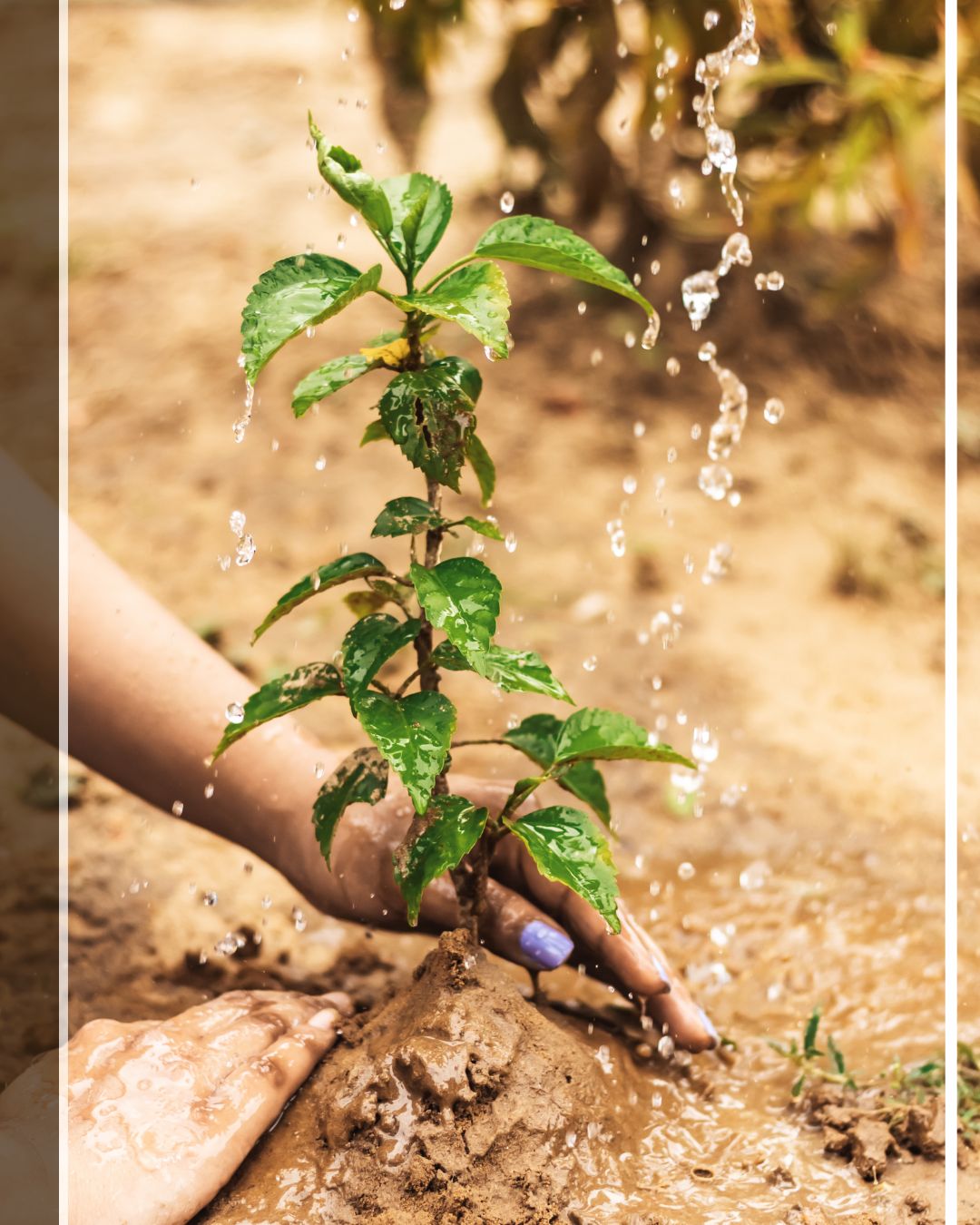
The signs of an under-watered plant are more obvious and severe as compared to those that are over-watered, and they include drooping and withered leaves and yellowing and dried, brittle leaves. We have written about the symptoms for both and their treatment in a separate section.
When a plant is regularly underwatered, it starts to go into survival mode, dropping leaves and stopping unneeded functions to save its limited resources.
The first evident symptom is that the roots get ‘choked,’ as they must also receive air to function properly, just like human beings. Some plants that like water have special ways to deal with poor air exchange, but most houseplants cannot survive the soggy soil and quickly begin to exhibit stress symptoms. Harmful molds are also well developed in the soil that is not well aerated, hence giving them the chance to attack and spread in the roots of a plant that is not cautious.
OVERWATERING:
If the overwatering problem is primarily detected in the stem and roots, the plants can barely survive but the danger is still there. The likelihood of recovery only increases when the early signs of excess water, such as browning leaf tips and a few yellow leaves, are noticed in time, and actions are taken to ensure the roots do not remain wet (ibid). For instance, replanting the plant immediately helps lessen the time the roots are exposed to wet soil, hence increasing its chances of recovery.
Overwatering can cause root rot, which is a plant disease that affects grass, roses, liriope, marigolds, verbenas, hollies, boxwood, azaleas, and rhododendrons. The problem with root rot is that its symptoms are often confused for the absence of enough water. The plants appear wilted, the leaves turn yellow, and growth is stunted. People then water the plants more, worsening the situation. Some root rot diseases are very potent and thrive on wet soil, such as take all root root diseases, pythium, and rhizoctonia. Leaf spot is another damage that occurs when the leaves are too wet.
Overwatering also has other adverse effect aside from disease. Excess water and heavy rains wash fertilizer and pesticides into underground water resources. The pollution falls under the non-point pollution category. Overwatering can also result in soil erosion and nutrient loss. During rainy seasons, do not fertilize your lawn if there is a prediction of rain in the next 24 hours because the fertilizer will be washed away by the rain, leading to pollution.
Step 5: Avoid Chemical Use:
Limit the use of synthetic fertilizers and pesticides because they damage helpful organisms in the soil. Use organic and natural pesticides.
There are many chemicals available for use in gardens but these can pollute soil, water, and air. Also, they could be toxic to plants, pets, and people. These chemicals do not always remain within the garden, but they can infiltrate soil, contaminate groundwater and streams, and become airborne. Materials you put in your garden can travel to your neighbor’s garden, run off into local creeks and the bay.
Fertilizers
Are the nutrients that are required by plants for growth and development. Nitrogen and phosphorus in chemical fertilizers can wash into waterways when it rains if the plants don’t use up all the nutrients.
Pesticides
Are any materials used to control, prevent, kill, suppress or repel pests. There are many types, and each one targets a specific kind of pest. There are numerous types of pesticides, each of which targets a particular kind of pest. Some pesticides are adsorbed onto soil particles and are carried into streams by runoff, are transported over long distances by air and are taken in by plants through their roots or foliage.
Chemical fertilizers
Can also result in accumulation of some harmful chemicals in the soil. For instance, nitrates, a by-product of nitrogenous fertilizers, when accumulated in the soil, can contaminate water sources and aquatic life (2024-06 Chemical fertilizers can also change the balance of microbes in the soil leading to an increase in harmful bacteria and fungi.
The use of chemical fertilizers can also lead to deterioration of water quality. In cases of overuse, they can infiltrate groundwater and surface waters, and contaminate drinking water and harm aquatic ecosystems.
Ways To Reduce Chemical In Your Garden :
- Test your soil and add only the nutrients that are needed.
- Use organic fertilizers and amendments rather than synthetic ones
- Keep soil healthy to promote plant vigor and limit pests and disease.
- Avoid using pesticides, especially combination fertilizer / pesticide products.
- Confirm any dyed mulch is certified to be free of harmful chemicals.
- Do not use rubber mulch.
- Switch to manual or battery-powered garden maintenance equipment.
Step 6: Cover Crops:
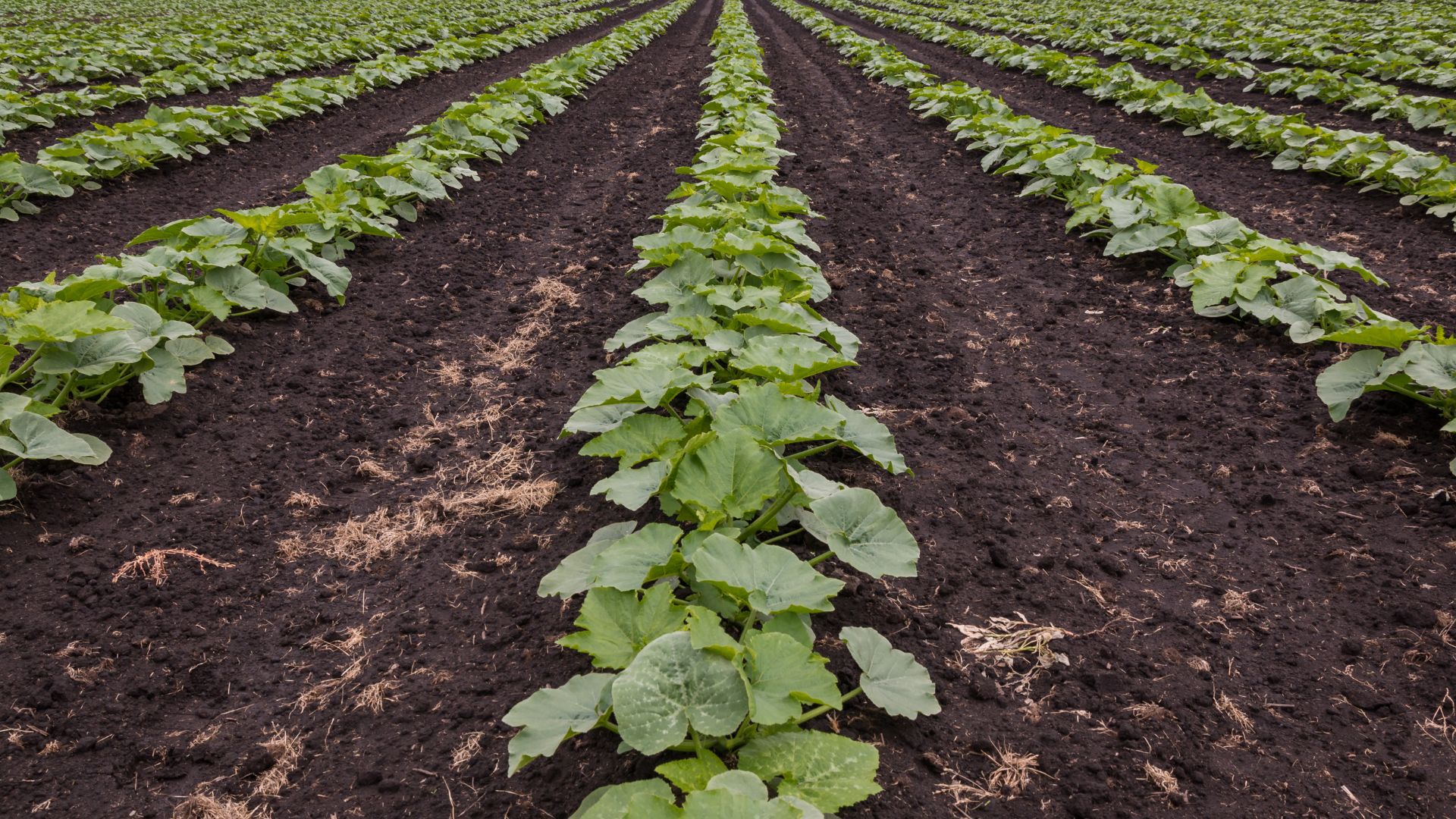
Soil cover can be maximized through planting of cover crops, annual crops, and perennial crops, and crop residues and living mulches can be left on the ground. Soil health practice that keep soil covered throughout the year improve soil health and protect it from soil loss through wind and water erosion.
Cover crops can play a crucial role in the farming system by providing ground cover during the ‘off-season’ of the main crops. These crops can be controlled to improve soil health by providing good environment for plant growth, soil microbe and beneficial insects. Cover crops can be introduced into the crop rotation of any farm, including large-scale farms growing corn and soybeans, as well as urban farms.
Cover crops are usually sown in late summer or fall after the main harvest and before the next crops are sowed in spring. Types of cover crops include rye, wheat, oats, clovers and other legumes, turnips, radishes, and triticale. The more the soil is rich in cover crops, the better it is for its health. Each variety of cover crop suits particular roles and requirements, making it necessary to choose wisely in line with individual needs and goals.
Cover crops are grown mainly not to be harvested but for the benefit of the soil. Cover crops are not just like the ordinary crops that are grown to get food but are used to protect the soil hence the name cover crops. They are planted during the off-season in late summer, fall, or early spring before the main crops start to grow. They range from grasses to legumes and have various effects on the soil and the overall ecosystem of your garden.
BENEFITS :
First is the prevention of erosion: the roots of cover crops help hold the soil together, which reduces erosion by wind and water.
Improve Soil Structure: Cover crops improve the soil structure by introducing organic matter into the soil which help the soil retain water and improve aeration. Grass cover crops such as wheat, barley, and rye naturally add organic matter to the soil and improves soil moisture.
Fix Nitrogen: Leguminous cover crops such as clover, alfalfa, peas, and vetch can pull nitrogen from the air and make it available for other crops.
Suppress Weeds: Because cover crops are planted densely, they form a natural mulch that prevents weed spread by blocking sunlight. Only ensure that the cover crops do not seed. Before flowering, till the cover crops and use them as green mulch in soil.
Improve the Nutritional Value of the Soil: As the cover crops decompose, they provide nutrients to the soil, thereby improving it for further sowing.
Attract Beneficial Insects: Many cover crops attract pollinators and insects that assist in pest control.
Break Pest and Disease Cycles: Certain cover crops can break pest and disease cycles in the soil.
Step 7: Crop Rotation :
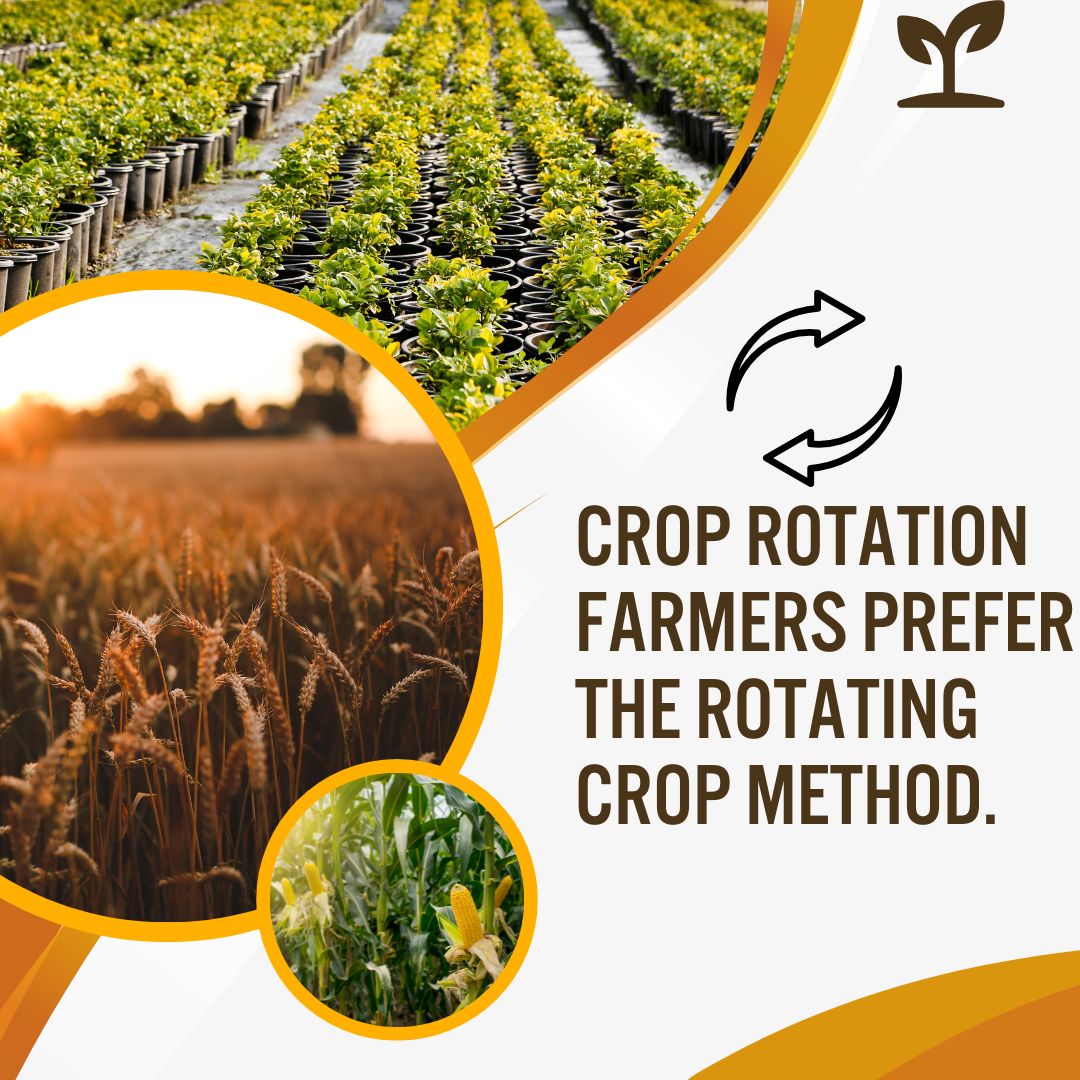
Different crops are planted in seasons or years, and the method is the complete opposite of growing a single crop repeatedly (monocropping).
Farmers opt for crop rotation because of its benefits in pest cycles control, being an efficient way of improving soil fertility as well as being an efficient strategy for the use of nutrients in soil.
Common crop rotation strategies include variation between plants with deep roots and shallow roots, and also between nitrogen fixing legumes and plants that require much nutrient, such as cereals.
Crop rotation entails planting different types of crops in the same area in every season. These in turn affect the water retention capacity of the soil and the consequent water requirements for irrigation.
ADVANTAGES:
Improving Soil Health: Different crops need different nutrients and have different root structures. Improving Soil Health: Since different crops utilize different nutrients and have different root systems, rotating them helps prevent the loss of nutrients, maintain the balance of soil nutrients, and reduce the accumulation of pests and diseases.
Reduced Water Drainage: Soils with healthy structure retain more water, therefore, the need to drain excess water is reduced.
Biodiversity: Crop rotation is a practice that promotes biodiversity which ensures that the ecosystem is strengthened and stabilized against environmental threats.
Higher Crop Yields: Plants not only avoid pests but also grow better in a soil that is rich in nutrients and produce higher yields.
With crop rotation, farming systems are now more adaptable and stable. This eradicates the likelihood of nutrient deficiency in the soil, impaired pest and disease regulation, and other potential adverse agricultural effects.
Pest and Disease Control: Crop rotation interrupts the life cycles of pests and diseases that can only thrive on a specific crop. This method naturally reduces the number of detrimental organisms in the soil, which is impossible in a monocropped field.
Step 8: Mointoring:
Keeping a regular check on your soil is important to keep it healthy in the long run. For instance, their measurement procedures and monitoring processes are similar, but their objectives are quite different. The aim of monitoring its parameters is a little different to those of methods of measurement or monitoring.
Soil monitoring is the key in controlling soil in a sustainable manner. The practice involves a comprehensive and periodic assessment of the status of soil, conducted through both field observations and laboratory testing. The farmer compares the results from one year to another to determine whether his practices are effective. This, in turn, helps them to identify the common agronomic interventions that must be done to ensure consistent improvement in soil condition for better harvests.
Startling Measures: To Fight Soil Health Decline, We Must First Identify Its Causes
Reasons for This Include;
– Over farming
– Improper crop rotation
– Scarce water resources
-Water flooding the land
-Too many pesticides
Construction of new homes, which leads to removal of the top healthy soil layer
Basically, the measuring and checking methods of soil health are similar. The methods for checking the health of soil are essentially the same as those for measuring it.
Step 9 : Soil Disturbance :
Disturbances in the soil reduce the amount of space available between soil particles, thus constraining infiltration capacity, and damage natural bonds that hold soil in place. These connections are important for keeping soil organisms and their habitats. It plays a crucial role in the soil’s It also includes living and dead tissues of microscopic organisms. These physical and chemical properties proven by soil organic matter include moisture retention capacity, biodiversity of the soil population, and the availability of nutrients. Soil organic matter and space between soil particles are key ingredients of healthy soil.
Soil disturbance soil functions These include biological, chemical, and physical.
1- Biological disturbance is when there is overgrazing. Biological disturbance results from overgrazing, which limits productivity and leads to desertification.
2- Chemical disturbance is caused by use of excess amount of chemicals such as fertilizers and pesticides. This may destabilize biological networks found within the soil.
3- Physical disturbance is brought about by tillage of the soil. This makes the soil compacted and interferes with the soil spaces. Water and air movement through the soil are inhibited, and the natural habitat for soil organisms is disturbed. Erosion, water pooling, and soil surface crusting become the order of the day in such an environment.
Benefits of reducing soil disturbance include;
- It helps more water and air to get in the soil by maintaining the soil structure intact, and protecting the big gaps that allow water and air to seep through. This also allows the soil to trap more rain or irrigation water.
- It reduces water pooling by protecting the soil’s inter-spaces and improving water absorption, thus decreasing water runoff effect, and ensuring soil water and nutrient preservation.
- It helps preserve organic matter in the soil, supports plant and organism growth, provides habitat for the soil life and enhances the soil’s ability to retain water, and also helps in the formation of larger soil particles to arrest crusting of the soil.
- It reduces erosion by maintaining the soil’s structure that hold the soil, nutrient and water in place.
- It helps prevent crusting by keeping the soil particles from breakdown, something that ensues in soil tillage.
- It reduces the amount of fuel and labor inputs by adopting no-till or least tilling alternative to the conventional tilling process. This helps to save time, fuel, and energy in the farmers’ use.
Step 10 : Add Compost :
Composting is the process of oxygen-based breakdown of organic matters by micro-organisms. These materials include grass clippings, leaves, branches, and food scraps. The end product, compost, is a nature-based soil enhancer that aids in enriching soil and nourishing plants. The microbes require carbon and nitrogen to generate energy, water to aid the digestion of compounds in the pile, and oxygen for respiration.
Composting is an excellent method to reinvigorate soil. Besides, it prevents green wastes from going to landfills, reducing wastes and preventing production of harmful methane gas.
Composting allows you to use your garden waste, including lawn clippings, weeds, hedge trimmings and old flowers. Also, paper and cardboards can be added into the mix.
While these items are recyclable via local waste programs, composting at home offers you more benefits. It reduces transport and industrial costs, and produces free, environmentally organic compost, which benefits and enhances the soil and plants.
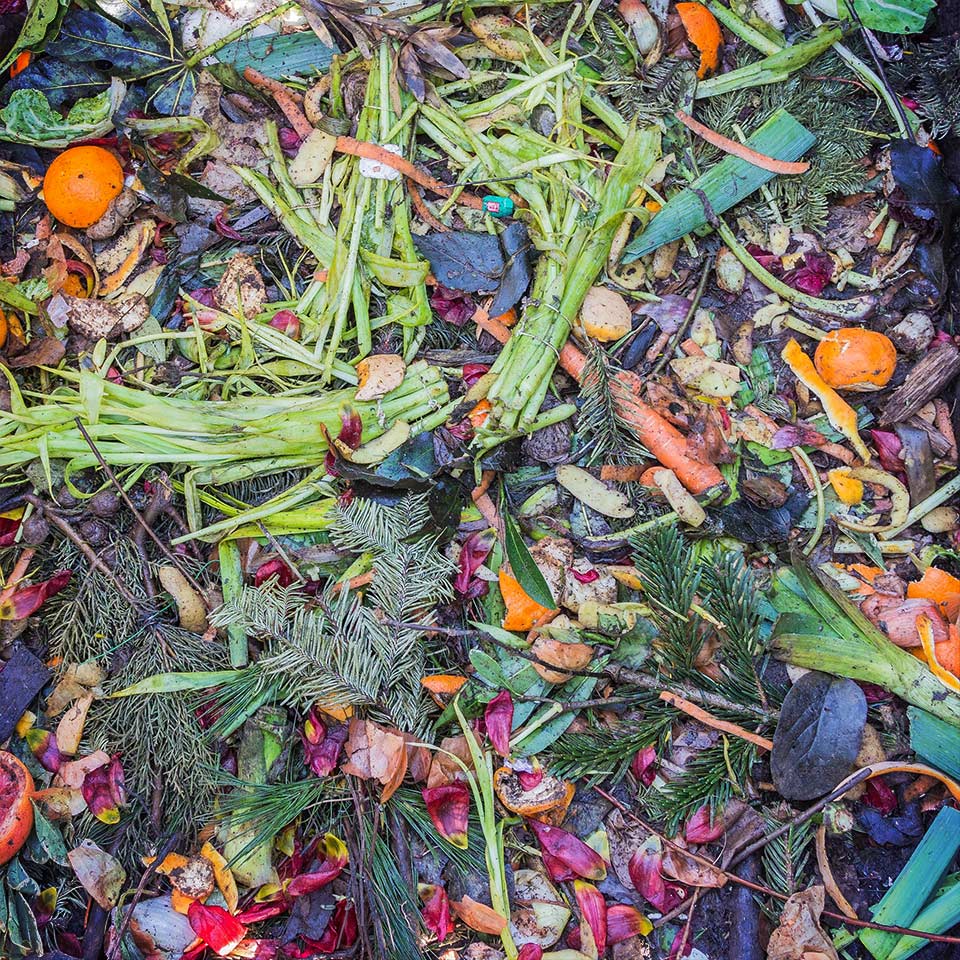
When compost is spread on the soil or mixed gently into it, it provides organic matter that enhances the soil structure, enhances air flow, and promotes life in soil. It benefits sandy soils by increasing moisture content, and assists with heavy clay soils to help release excess moisture. If it is to be used as a mulch, compost can keep soil moisture in place and prevent the loss of moisture in hot weather.
BENEFITS OF ADDING COMPOST TO SOIL:
- Composting improves soil fertility by supplying essential nutrients soil needs to sustain plant growth.
- Composting makes the soil loose and aerated enough to make the growth of roots easier.
- This reduces water stress on plants during drought conditions.
- It regulates the soil bacteria and the fungi that are useful in the biological balance of the soil.
- This function is waste reduction as composting kitchen and garden scraps to produce nutritious soil ingredients.
- It also makes plants stronger, healthier, and more productive.

Leave a Reply