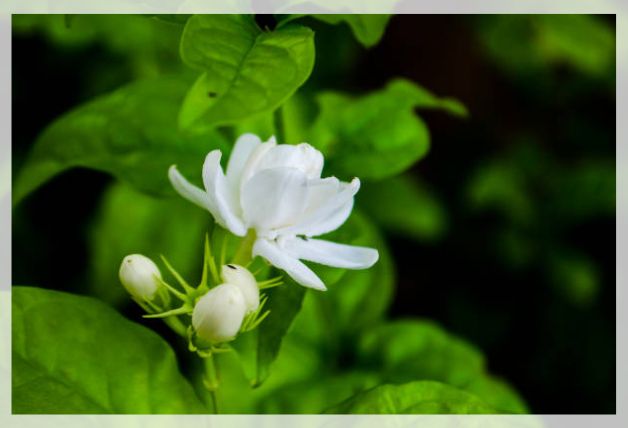
Do you know that Jasmine Sambac or Arabian Jasmine is a great addition to your yard or landscape?
In warmer growing zones, this plant has long been planted as an attractive and stunning addition to the landscape.
While jasmine flowers are quite small, ornamental gardeners are drawn to the alluring fragrance of this plant.
Moreover, one specific type of jasmine, the Arabian Jasmine is popular due to its small growth habit and adaptability.
From early spring to all summer, jasmine sambac tends to produce a profusion of petite white blooms that open at sunset.
These flowers are intensely aromatic and are ideal for use as potted plants and in borders near sidewalks and porches where you can stop and enjoy their scent.
Jasmine sambac is hardy in USDA zones 9 and 11 and as you can manipulate the size and shape of this plant easily, u can also chose to grow is as vine.
Keep on reading.
Jasmine Sambac
Arabian jasmine or jasmine sambac is popular for its fragrant flowers and its use in jasmine tea and leis.
It tends to be a fast-growing evergreen climbing shrub.
Moreover, it tends to have glossy, dark green oval leaves that create a stunning contrast to the highly fragrant, white flower that tend to fade to pink as they age.

These beautiful-smelling blooms will appear all summer long and can continue to bloom year-round in warm climates.
It is important to note that you can train jasmine sambac as a flowering vine with support or maintain it as a sprawling shrub.
It will do well in containers and makes an eye-catching plant for patios and porches.
Quick facts about Jasmine Sambac
Some quick facts about jasmine sambac are:
| Botanical Name | Jasminum sambac |
| Common Name | Arabian jasmine |
| Plant Type | Evergreen |
| Mature Size | 6-10 ft. tall, 6-10 ft. wide |
| Sun Exposure | Full, partial |
| Soil Type | Loamy, moist but well-drained |
| Soil pH | Acidic, neutral |
| Bloom Time | Summer |
| Flower Color | Pink, white |
| Hardiness Zones | 9-11, USA |
| Native Area | Asia |
Jasmine Sambac Care
It is important to note that Arabian jasmine is easy to care for.
Like other tropical plants, the Arabian jasmine will need warm temperatures, lots of sunshine, and high humidity levels.
Moreover, pruning for these plants will be minimal and you will only need to do so to maintain the desired shape.
Keeping this plant in containers is an ideal option for areas with winters that are colder than the plant can handle, as you can bring the pot indoors.
Jasmine sambac is often not bothered by pests or diseases.
However, make sure to watch out for aphids and mealybugs.
Due to its fast growth and vining nature, many consider Arabian jasmine invasive in tropical areas outside of its native regions in Asia.
According to the Invasive Species Compendium, Arabian Jasmine tends to be invasive in Cuba, Hawaii, and Florida.
Thus, make sure to do research before planting Arabian Jasmine in your area.
Light and Soil Requirements
For a healthy Arabian jasmine plant, you will need to full to partial sun.
At least 6 to 8 hours of sunlight is ideal for your plant,
If you keep this plant indoors during the winter, make sure to place this plant in a very sunny window.
Moreover, loose, loamy soil is preferable for growing this flowering shrub.
It tends to thrive best in an evenly moist, well-draining soil medium.
You can add compost that will help loosen, enrich, and moisten the soil.
Water, Temperature, and other requirements
Jasmine sambac or Arabian jasmine will need plenty of water, especially during the summer season.
Make sure to water your plant regularly to keep the soil moist, though not wet.
Moreover, make sure to avoid soggy soil as it can lead to rot.
When the first few inches of soil tend to feel dry to the touch, water thoroughly.
This can be once a week or more, depending on your location.
It is ideal to reduce the water to this plant during winter.
Arabian jasmine will thrive in warm, tropical climates from USDA hardiness zones 9 to 11.
These plants are very susceptible to frost and are unable to handle cold temperatures.
As they are not tropical plants, jasmine sambac will need moderate to high humidity levels.
Make sure to give your plant fertilizer throughout its growing season as it will help to support its abundant blooming.
Furthermore, it is best to use a high-quality, well-balanced fertilizer.
Make sure to begin after pruning in late winter to early spring.
Arabain Jasmine Varieties
Some popular Arabain Jasmine Varieites are:
Jasminum sambac ‘Grand Duke of Tuscany‘: This one is a slower-growing variety that tends to deviate from the usual flower structure by producing double and semi-double blooms.
Moreover, this allows the flower to take on a rose-like appearance.
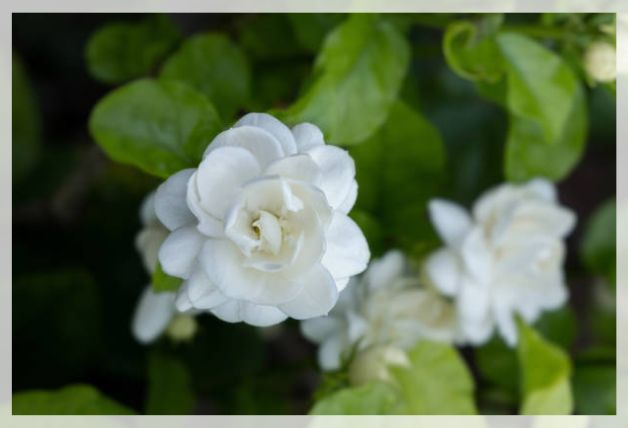
Jasminum sambac ‘Belle of India’: This one sports stunning and beautiful flowers with elongated petals.
It can produce both single and double blooms.
Jasminum sambac ‘Maid of Orleans’: This variety tends to have rounded petals on a single bloom.
It gives this flower a soft, star-like appearance.
Pruning and Propagating Tips
Jasmine sambac or Arabian jasmine will not need intensive pruning.
However, with the help of proper trimming, you can make sure that your plant is beautiful and healthy.
For areas where the Arabain jasmine tends to bloom year-round, simply prune the plant to maintain its desired shape.
While in climates where this plant ceases blooming during winter, make sure to trim away all the dead branches and blooms above their nodes at the beginning of winter.
This will help to make sure healthy new growth for the coming growing season.
Moreover, you can propagate this plant with the help of cuttings.
Here’s how:
- make sure to use clean garden snips, and then cut a stem that is around 6 inches long, cutting directly below a leaf
- remove the leaves on the lower half of the cut
- then dip the cutting in the rooting hormone
- with the help of a stick, make a hole into the moist soil
- gently place the cutting into the hole
- however, avoid pressing it firmly into the dirt as it can damage the cutting
- then place a plastic bag over the cutting to retain moisture
- lift the bag every 10 days or so to allow airflow, and roots should form in about 6 weeks
- when new growth appears, you can remove the bag and move the plant to an area with bright, indirect light
- as the plant is established, slowly move it to the sunny location
Growing Jasmine sambac from Seeds
Another easy option is to grow Arabian jasmine is starting this plant from seeds.

To do so, follow the steps below:
- in order to start the seed, you will need to soak the seed in water for 24 hours
- fill a seed-starting pot with moist potting soil and then place the seed in it
- place a plastic bag over the pot to keep in moisture
- then place it in a sunny spot
- once the seedling appears, you can remove the plastic bag
- when they reach a few inches tall, repot them into larger pots
Potting, Repotting, and Overwintering Tips
Arabain jasmine tends to grow well in containers and thus makes a stunning addition to patios or porches.
Though this plant tends to enjoy moist soil, it will not thrive in wet soil.
Because of this, make sure to choose a pot with drainage holes that fit the plant comfortably without much extra room.
This will help prevent excess water from causing moisture problems.
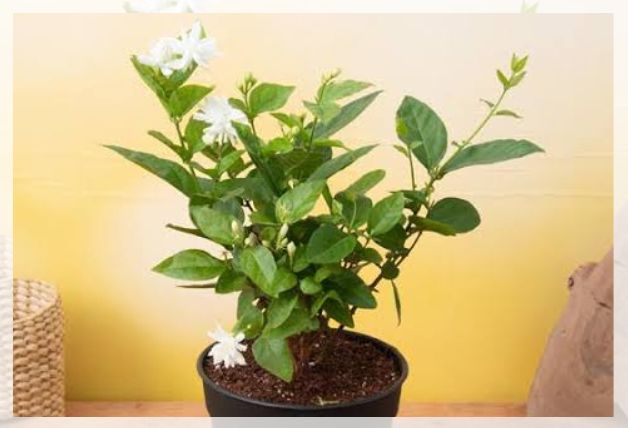
When the jasmine sambac fills the pot and does not have room to grow, gently transfer it to a slightly larger pot.
And then fill it will new loamy soil.
Make sure to water your plant and place it in a bright area.
When you keep this plant in its preferred climate zones, the only thing they need to overwinter these plants is mulch.
Moreover, add mulch, leaves, or other insulating, organic material on top of the soil around the plant to help insulate the leaves.
However, if you have a jasmine plant out of the recommended hardiness zones, you will need to bring the plant indoors to escape the cold temperatures.
It is best to keep these plants in containers for easy moving.


Leave a Reply