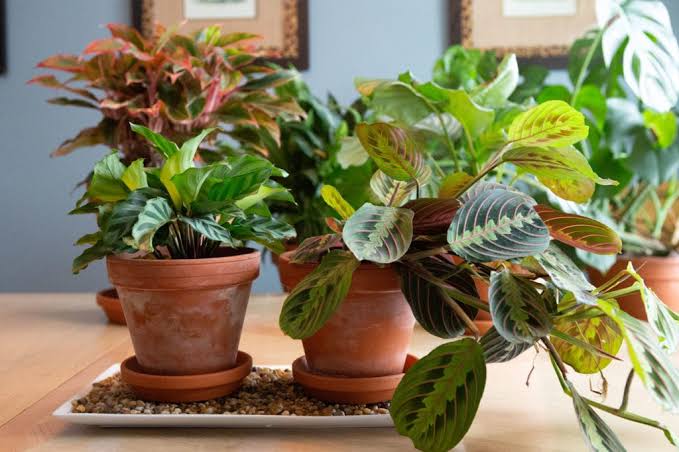
What is Humidity and how it is important for your plants?
This is one of the important factors you need to keep in mind when you have plants both indoors and outdoors.
You can consider the space inside your home a controlled environment, where you can either raise or lower the temperature by adjusting the thermostat.
Heat tends to be there inside during colder months to make sure everything inside including you can function normally.
However, in the summer, the air conditioner will reduce the heat inside your home, keeping the temperature relatively consistent throughout the year.
It is important to note that one aspect of environmental or climate control that you will often overlook is the humidity inside your home.
The ideal relative humidity ranges from about 40% to 60% indoors.
While if the relative humidity is too high, then the excess moisture in the air can lead to the risk of wood rot and mold growth throughout your home.
Moreover, low indoor humidity under 40% is also an issue as it can cause significant damage to the home.
This includes floorboards, cupboards, and other wood furniture becoming warped.
So what is Humidity? Keep on reading.
What is Humidity?
It is important to have the right understanding of what is humidity so that you can spot low humidity in your home and how you can increase it.
Relative humidity refers to the amount of water vapor in the air relative to the current temperature.
Warm air tends to hold more water vapor than cold air.
Moreover, this means that a cold home with 50% relative humidity may actually have the same amount of water vapor in the air as a warm home with 40% relative humidity.
This is despite the difference in relative humidity.
It is important to note that the percentage of water vapor in the air that is used to express the relative humidity in your home depends on the current temperature.
If the humidity tends to be above 60%, then your home will have a high relative humidity level.
However, if the humidity level is 40%, then air to considered to have a low relative humidity level.
For instance, if the relative humidity is about 50%, then the air is holding only half of the water vapor it can.
While a humidity level of 25% means that the air is currently holding just a quarter of the water vapor it can potentially hold.
How much Humidity your Plants need?
What is humidity and how much do your plants need?
It is important to note that humidity makes photosynthesis possible.
Your plants need humidity as they tend to evolve in places that have high humidity.
Moreover, plants that use humidity tend to thrive better naturally. They use water to help with photosynthesis, which they need to survive.
However, plants that need high humidity when they do not get it, cannot function properly as well as they should and will also struggle to grow well.
One of the important things to note is that some plants will not need humidity, and high levels can be harmful to them.
For instance, plants like cacti and other desert plants can rot in too high a humidity.
But a lot of plants that you have in your home that come from tropical rainforests will need enough humidity about 65% to grow properly.
This variation from one plant to another and even one specimen to other is great.
Importance of Humidity
What is the importance of humidity? It can help:
- grow plants faster
- stop crispy tips
- you can go longer between waterings
- leaves will grow bigger
Humidity is an important factor that can dehydrate them quickly if they are unable to replace the lost water at the same speed they are losing it.
Ideal humidity levels are important to keep your plant alive and healthy.
Moreover, to understand the role of what is humidity, let’s briefly go through how plants intake and release water.
Plants tend to have thousands of small pores on the underside of their leaves: stomata.
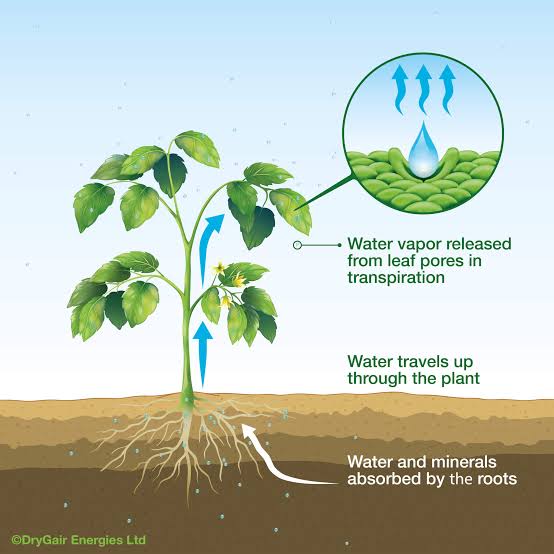
Water evaporates through these pores, cooling the plant and enabling a flow of water and nutrients.
Furthermore, stomata play an important role in photosynthesis as they help the plants make their own food by taking in carbon dioxide and releasing oxygen.
It is important to note that when humidity levels are low in dry conditions, your plants will continuously lose water.
This often leads to dehydration as they are unable to replace the lost water at the same speed they are losing it.
To protect themselves, the plants can completely close their stomata to block the process of evaporation of water.
When they are closed for an extended period of time, the plants are unable to take in carbon dioxide to make food.
This will harm the health of the plants and stunt their growth.
When humidity levels are extremely low, your plants can even start shedding their leaves to prevent dehydration from killing them.
Maintaining ideal humidity levels for plants is the only way to protect them from harm in the long run.
Learn more about Aloe Vera Benefits here.
Effects of Low Moisture
Experts associate high humidity levels with wood rot and mold growth.
There are often high on a DIYer’s list of repair and maintenance concerns.
However, low humidity can also lead to enough damage to a home if you do nothing to raise the humidity level to an acceptable percentage.
It is important to note that if this level of relative humidity continues, your home may begin to show the results of long-term exposure to low humidity.
You can look for signs of shrinking, warping, peeling, and cracking in your hardwood floors, wooden furniture, cupboards, drawers, counter,s wallpapers, paint, windows, doors, and even houseplants.
Another sign is an increase in the potential for electrostatic shocks when you touch a certain surface,
So if the number of daily shocks after walking on the carpet or handling laundry begins to increase significantly.
Then it may be a good idea to check the humidity levels of your home.
Causes of Low Humidity
What is humidity and what causes a reduction in it?
There are a number of potential reasons for low humidity, however, the most prevalent cause is the temperature outside.
During the cold months of the year, the air outside your home is unable to hold as much water vapor as it could during the warmer month.
This means that the relative humidity of the air is much lower when it is cold outside.
An open door or window will allow dry, cold air from the outside to come into your home, where it can warm up and expand.

However, this will reduce the overall relative humidity of your home.
Moreover, other causes of low humidity in your home can include excessive use of air conditioners or a dehumidifier.
It is important to bear in mind that some locations do not need to be cold to have low levels of moisture outside like cities or towns in desert regions.
In such places, low humidity tends to be a constant hazard that you will need to combat with low-maintenance solutions like a whole-home humidifier.
Target Moisture Levels
After understanding what is humidity, you may be wondering about what the humidity level is in your home.
There are a few ways to check it.
First, a number of thermostats, especially smart thermostats will provide humidity readings that you can check on the screen.
Or you can check even through an app on your phone.
However, if the thermostat does not track or record this information, then you can invest in a small, inexpensive device: a hygrometer.
It is the best method to check humidity levels.
The relative humidity should be between 4o percent to 60 percent to keep your home and plants from suffering any negative effects
if the relative humidity is above 60%, then you will want to bring the humidity down.
However, if it is below 40%, then it is important to increase the amount of water in the air until there is a balanced level of humidity.
For plants, the ideal humidity levels depending on the type of plant and the development stage of your plant.
Moreover, the weather or your home environment also plays an important role.
Most houseplants like Parlor Palm, Pothos, English Ivy, Begonia, Ferns, Ficus Plants, Peace Lily, etc come from tropical or sub-tropical regions.
They are popular to keep the air in your fresh and are great purifying plants.
The tropical regions have characteristic heavy rainfall and hot, humid summer.
Furthermore, they tend to experience humidity levels of around 70 to 90%.
In comparison, your home in most cases will have low humidity levels.
Particularly in winter, when the heating system can strip the moisture and humidity drops to 20% or even lower.
On the other hand, some plants like most succulents can thrive in low humid conditions of around 10%.
On average, most houseplants tend to thrive in humidity levels between 40 to 60%.
What Levels do Plants Prefer
Let’s summarize different humidity levels and which plants may prefer them:
0% to 20%: Though the air is too dry for most houseplants at this level, your cacti or succulents will be able to thrive.
20% to 40%: This one is the average humidity level for most indoor plants.
Moreover, some plants can survive while others particularly tropical plants will not bloom and result in droopy leaves.
40% to 60%: This is the ideal humidity level for most houses during summer and the perfect level for your plants to flourish.

With certain ways to increase humidity, like misting, other plants can also survive.
Moreover, this level is also ideal for both flowering and vegetation.
60% to 80%: This level can be difficult and uncomfortable to maintain at home.
However, it is perfect for a greenhouse Dubai. It is also suitable for tropical plants.
80% – +: Though it is not possible to have this level at home, tropical plants like pineapple will have incredibly high moisture requirements of about 90%.
Furthermore, this is also perfect for germination and seedling growth.
Signs your Houseplants need High Humidity
When you place plants from their naturally existing humid conditions in a dry home environment, they can show signs of stress.
The following are five common symptoms:
Brown Edges and Crispy Leaves: In dry conditions, when the humidity levels go below 50, you will notice that your plants are beginning to crisp up and turn brown at the edges.
Moreover, harsh sunlight can also be the cause, however, the low moisture level is the main culprit.
It is important to note that plants transpire through leaves, and in arid conditions when the rate of transpiration is highest, leaves tend to suffer the most.
Plants are unable to hydrate through soil moisture alone, which results in crispy, dry leaves.
Dull-Looking Leaves: When your plants are constantly losing water through their leaves, you will notice an unhealthy appearance.
They will appear dull and lose their shine due to the high rate of evaporation.
Stunted Growth: Plants cannot perform the process of photosynthesis in dry conditions.
This results in stunted growth.
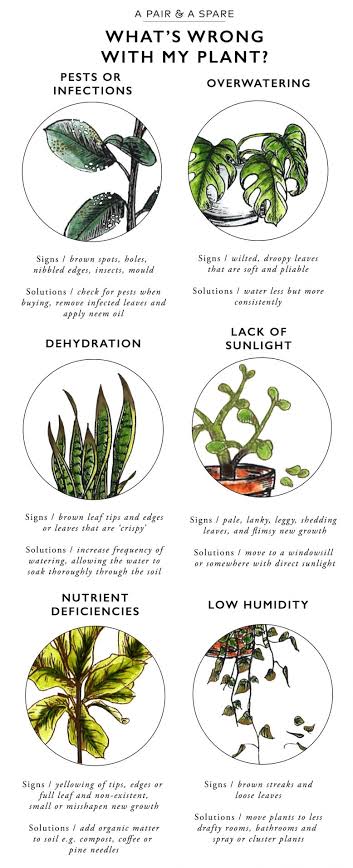
In this condition, the plant will have limited nutrients and will focus its energy on surviving instead of actively growing.
Wilting: When your plants are severely dehydrated they can wilt.
However, low humidity can also lead to wilting. In such cases, you will notice drooping leaves and stems turning brown in a dry environment.
If you do not increase moisture levels timely, the plants can suffer from permanent damage.
Yellow Leaves: Yellow leaves can result from a number of reasons like insufficient nutrients, harsh sunlight, and water issues.
If you notice yellowing leaves low humidity can also be the cause in your dry home environment.
Increasing Humdity for Plants
If you are continuously encountering issues like the above, you will need to increase the moisture of your plant.
The following are ways to increase humidity:
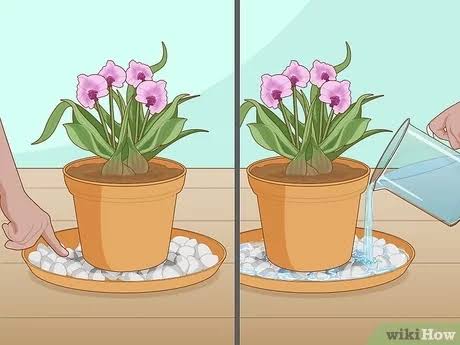
Tray for Plants: One of the most popular methods to increase moisture levels is to use a humidity tray for plants.
The water will continue to evaporate from the water try, which will increase the moisture levels.
Moreover, you can use a clay or ceramic tray, fill it with water, and place your planters on top of the pebbles.
It is important to note that the stones should be big enough so that plants do not touch the water.
If they do, it can lead to root rot and your plant will eventually die.
Misting the Plants: This is one the simplest way to increase moisture levels and your high-humidity plants will love it.
You can keep water in a spray bottle near your plants and mist them whenever the air feels dry.
However, never use tap water with chlorine treatment directly on plants. This is because it is toxic to your plants.
Instead, allow the water to sit for 24 hours so that this chemical evaporates.
Factors to consider when misting your plants are:
- you cannot mist all plants
- extra moisture on leaves attracts fungus, so good air circulation is important
Get a Humidifier: This is the perfect way to increase humidity.
It works by releasing water vapor or steam which in turn increases the moisture content in the air.
Placing Plants in Humid Areas: You can also place your plants in humid areas like the bathroom, kitchen, and laundry room.
The wet environment from the shower, bathtubs, and sinks will help your plants, as well as steam from cooking foods.
Closed Terrarium: A closed miniature garden with small plants and pebbles will not only look beautiful but also help increase moisture for plants.
A terrarium is a self-sustaining garden where your plants will transpire and condense.
Two Pot Method: This one is a unique way to most the moisture level for your plant.
You will need to put your regular houseplant pots into another pot 1 to 2 inches bigger in width and height.
Fill the bigger pot with sphagnum moss and spray it with water. While you can also cover the soil in the original pot will moss.
Sphagnum moss will hold moisture and prevent the soil from drying.
Moreover, the water in the moss will evaporate and increase the moisture level of your plants.
Other Techniques
Some other Techniques are:
Group your Plants: Grouping your plant will create a humid microclimate.
Plants tend to release moisture through the process of transpiration and when you group them, they help increase moisture levels.
Roots absorb water which stems take and leave through a vascular system.
When the water reaches the leaves, it evaporates and increases increase moisture level.
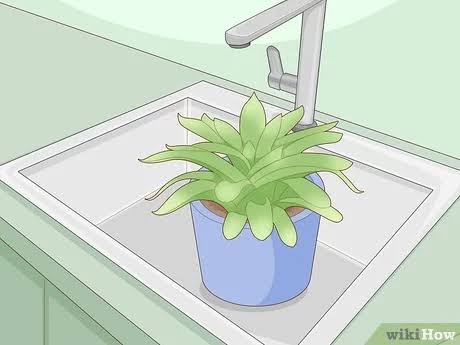
Shower your Plants: Take all your humidity-loving plants and give them a good rinse in the shower or place them directly in the bathtub.
Moreover, you can also use a watering can for this method.
Make sure to use filtered water or allow regular water to sit for 24 hours so that the chemicals like chlorine or fluoride evaporate.
The soil that is drenched in water will increase its evaporation rate, leading to high moisture levels.
This method also helps to clean the foliage and remove the dust on the leaves.
Dry Leaudry near the Houseplants: Another way to increase moisture level is to place dry laundry near your plant.
Wet clothes are a good source of moisture and as they dry, they will transfer water to the air, increasing moisture levels.
Cover your Plant with a Plastic Bag: You may find using this method to be dangerous, however, it can only pose damage if you do not perform it correctly.
You can opt for this when other techniques are not an option.
For this method, take a simple plastic bag and cover your plants with it. Make sure that it is not touching the leaves of your plant directly.
Moreover, you can use wooden stakes to keep the plastic away from the foliage.
Make sure to open the plastic bag from time to time and check for excess condensation forming inside the plastic.

Leave a Reply