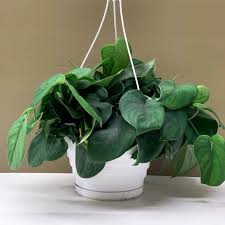
Do you know that the Jade Satin Pothos is a hard-to-find plant and is not cheap as well?
The plant is also known as Jade Satin Scindapsus, as it is a variety of the Scindapsus pictus.
Moreover, it is also known as Satin Pothos.
It is important to note that it is a close relative of the pothos Epipremnum aureum, so you may find its common name misleading as well.
This is because it looks like a pothos plant.
In any case, however, these two are members of the Arum family.
What makes jade satin pothos different from pothos is a stunning vining plant that thrives as a climbing plant.
It gets its growth potential if you allow it to grow up a pole or a similar vertical step.
However, it looks great in hanging baskets as well, which is why you may choose to have it this way, like many growers.
Keep on reading.
Jade Satin Pothos
Jade Satin Pothos, Scindapsus pictus ‘jade’ is a great and beautiful variety to have at home if you love the pothos plant.
It is just like other satin pothos plants like the ‘Argyraeus’ and ‘Exotica’ this variety is actually a part of the Scindapsus genus rather than the Epipremnum genus like most pothos.
However, many experts accept it as a pothos plant due to its similar appearance and care requirements.
Moreover, the jade satin pothos is popular for its large, thick, heart-shaped leaves and deep coloring.
It can be, however, difficult to find and acquire, in comparison to some of its pothos relatives, and more expensive as well.
With that being said, it is not considered particularly rare and most houseplants shops or nurseries tend to carry it.
As with all pothos plants, if you are a pet parent, you should be aware that this plant is toxic to pets if they ingest it.
Learn more about Pet-Friendly Gardens! here.
Quick Facts about Jade Satin Pothos
Some quick facts about jade Satin Pothos are:
| Common Name | Jade satin pothos |
| Botanical Name | Scindapsus pictus ‘jade’ |
| Family | Araceae |
| Plant Type | Perennial, vine |
| Mature Size | 4-10 ft. long (indoors) |
| Sun Exposure | Partial |
| Soil Type | Moist but well-drained |
| Soil pH | Acidic |
| Bloom Time | Spring, summer |
| Flower Color | Green, white |
| Hardiness Zones | 10-12, USDA |
| Native Area | Cultivator, no native range |
| Toxicity | Toxic to pets |
Jade Satin Pothos Plant Care
Pothos are popular for being some of the easiest houseplants to care for, and jade satin pothos tends to be no exception.
It is, however, a bit pickier about its growing conditions than some of its close relatives, especially the light it receives.
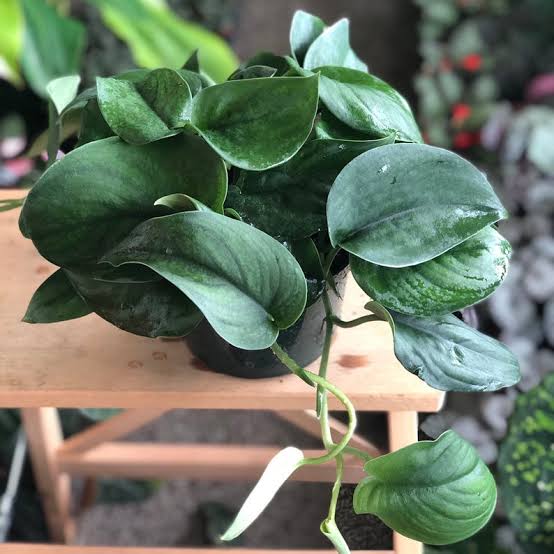
Moreover, as with most Scindapsus varieties, it will need more consistent light than other pothos varieties, because it is already a relatively slow-growing plant.
Other than that, the jade satin pothos is an easygoing plant that even growers who are beginners will be able to keep alive.
Learn more about Pothos Plant: 5 Plants and Taking Care of Them here.
Light and Soil Requirements
Jade Satin Pothos tends to thrive best in a location that receives plenty of bright, indirect light.
Unlike other varieties, like golden pothos, the jade satin pothos does not tolerate low light conditions well.
However, if your plant does not receive enough light, it will experience stunted and leggy growth.
At the same time, make sure that you avoid spots that receive direct sunlight as the leaves are susceptible to leaf burn.
Moreover, when selecting the soil, choose the soil mix that is rich, airy, and well-draining.
A combination of equal parts indoor potting soil, perlite, and orchid bark is an ideal mix, and easy to make at home.
Water, Temperature, and Other Requirments
It is important to note that the Jade Satin Pothos is sensitive to overwatering and can develop root rot if you leave it in soggy soil.
In order to prevent overwatering, make sure to allow the top two to three inches to dry out between waterings.
Moreover, make sure to use your finger or a moisture meter to test the soil before watering.
As a tropical plant, this plant will need consistently warm temperatures and average humidity to thrive best.
Make sure that the temperature stays between 60 to 85 degrees Fahrenheit or 15 to 29 degrees Celsius.
It is important to note that average household humidity is also fine for this pothos variety, however, make sure to keep it away from drafty windows or air vents.
This is because they can dry out the air and cause the leaves of the plant to develop crispy edges.
You will need to apply a balanced liquid fertilizer once every three to four weeks during the active growing period, i.e. spring and summer.
This will help the plant to support new growth.
However, stop fertilizing your plant in the early fall months once the temperature begins to drop.
Pruning and Propagating Tips
It is important to note that you do not need to prune jade satin pothos, however, you may want to control its growth and appearance.
Wait until the spring and summer months when the plant is actively growing to prune.
And then make sure you never do so more than a third of the stem of the plant at a time.
Make sure to use a pair of sharp, clean pruning shears or scissors, and do not throw away the stem cuttings.
This is because you can use them for propagating new plants.

Just like all pothos plants, it is easy to propagate jade satin pothos using stem cuttings.
Moreover, it is a great way to fill out an already existing plant or grow new plants for free.
It is also a smart way to repurpose stem cuttings after you prune and shape your plants.
here is how you can do so in simple steps:
- with the help of sharp, clean pruning shears or scissors, take a few stem cuttings from a mature and healthy jade satin pothos
- each stem cutting should have at least three nodes, however no more than five, and at least one leaf
- remove the bottom leaves from each stem cutting so that the stem and nodes are exposed, and make sure that there is at least one leaf left at the top of each cutting
- fill in a small container with fresh, room-temperature and add cuttings into it.
- the stem should submerge while the leaves at the top of the stem should sit above the surface of the water
- place the cuttings in a spot that receives medium to bright indirect light
- make sure to refresh the water once a week to keep it clean
- after a few weeks, you will begin to see small white roots growing from the nodes
- once the roots are at least an inch long, you can plant the cuttings in the soil
- prepare a small pot with chunky, well-draining soil mix and plant the rooted cuttings
- make sure to water the freshly potted plant, allowing excess water to drain from the drainage holes of the pot, and put them back in a bright spot
- for the first one to two weeks, keep the soil evenly moist, but not soaking, to help new roots acclimate from water to the soil
- then gradually start allowing the soil to dry out slightly between waterings
Potting and Repotting jade Satin Pothos
You will need to repot this pothos plant once it outgrows its containers, approximately once every two to three years.
It often depends on the growth rate of the plant
Moreover, spring and summer are the best months for repotting the plant when it is actively growing and is less likely to experience shock.
Make sure to choose a new potting container that is only two to four inches larger than the previous container of the plant.
Also, refresh as much of the soil as possible when repotting the plant.
Common Pests and Plant Diseases
It is important to note that jade Satin Pothos is not prone to any pests and diseases.
However, as with any houseplant, it is a good idea to keep an eye on some of the common houseplant pests.
These include:
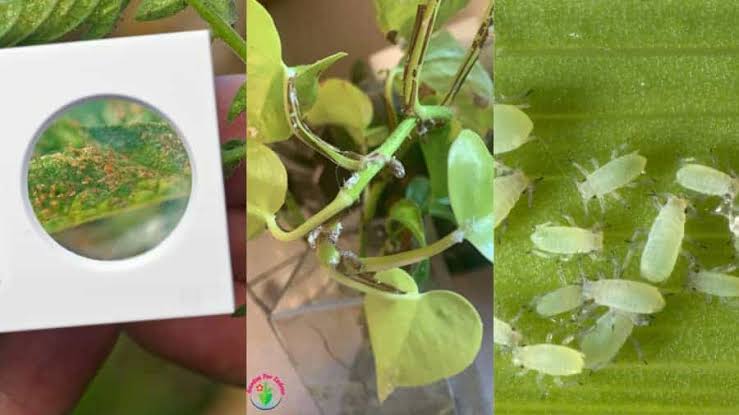
These pests can take up residence in your plant, Make sure to have regular pest checks as a standard part of the care of your plant.
This is a good way to catch any potential infestation early and stop them.
Root rot is the main problem to watch out for with these pothos.
It often results in form overwatering and a lack of proper drainage, either due to overly dense soil or when you use a pot without drainage holes.
A plant suffering from this disease should be repotted as soon as possible and have any affected roots pruned off.
Common Problems
As with any pothos plant, jade satin pothos is easy to care for and an easy-going plant.
However, it is still susceptible to a few common problems which can arise due to improper growing conditions.
Yellow Leaves: These a common in houseplants and is often an indication that your plant is either under-watered or not receiving enough light.
Moreover, it can be a sign of pest infestation, overwatering, lack of humidity, and too much sunlight.
Close examination of the growing condition of your plant and experimenting with solutions is the only way to know the cause.
Brown Leaves: Your plant can have brown leaves for a number of reasons.
While the most common reason can be lack of humidity and too much sunlight, i.e. leaf burn.
Make sure to keep your plant away from drafty windows or air vents and keep it out of direct sunlight to prevent leaf burn.
Unfortunately, once the leave develops brown spots or edges, there is no way to reverse them.
You can, however, prune off the affected leaves off you want.
Stunted Growth: In most cases, the satin pothos plant is known to have moderate to slow growth rates.
However, when you notice that your plant is showing slow or stunted growth, it is likely that you need to give it more sunlight.
Lack of light is the most common reason that your plant is experiencing stunted growth, followed by improper fertilization.

Leave a Reply