Soil-borne fungal plant pathogens significantly affect how plant populations grow in nature and how plant diseases spread in farmland. Important fungi that cause these issues include Fusarium species, Gaeumannomyces graminis, Verticillium species, Phytophthora species, Pythium species, and Rhizoctonia solani. Although these fungi start off in small amounts in the soil, they can lead to total plant death and, at times, complete crop loss. When we read about plants in textbooks, fungi are often described as tiny helpers that enrich the soil with nutrients. But is this always the case? In fact, fungi can also be harmful. When they cause diseases, they can create serious plant health issues. These fungi target weak parts of a plant, making it easier for insects to attack or for diseases to spread quickly throughout the entire crop.
DISEASES:
- Damping-Off
- Root Rot
- Fusarium Wilt
- Downy Mildews
- Anthranose
- Verticillium Wilt
DAMPING OFF:
Sometimes, plants just don’t survive. You can plant seeds or young plants in pots or directly in the garden, but for various reasons, they may fail to sprout. They might emerge only to wither and die shortly after. A major reason for this is something called “damping-off,” a disease caused by various soil fungi. Pythium is one of the worst, but other groups like Rhizoctoniaceae, Fusariae, and Phytophorales are also involved. These organisms are found everywhere, in almost any soil you dig up. They feed on decaying plant material and can stay dormant for long periods as tough spores, waiting for the right conditions to act. Young seedlings are particularly vulnerable to these fungi, especially when the soil is cool and wet. If conditions are poor and the seedlings grow slowly, the chance of disease increases. You’ll notice the first signs when seeds fail to sprout. Even if they do break through the soil, they may soften, turn dark, and rot instead of thriving. Sometimes, when you dig up the seeds, you’ll find they are covered in soil and tangled in fuzzy fungal threads.
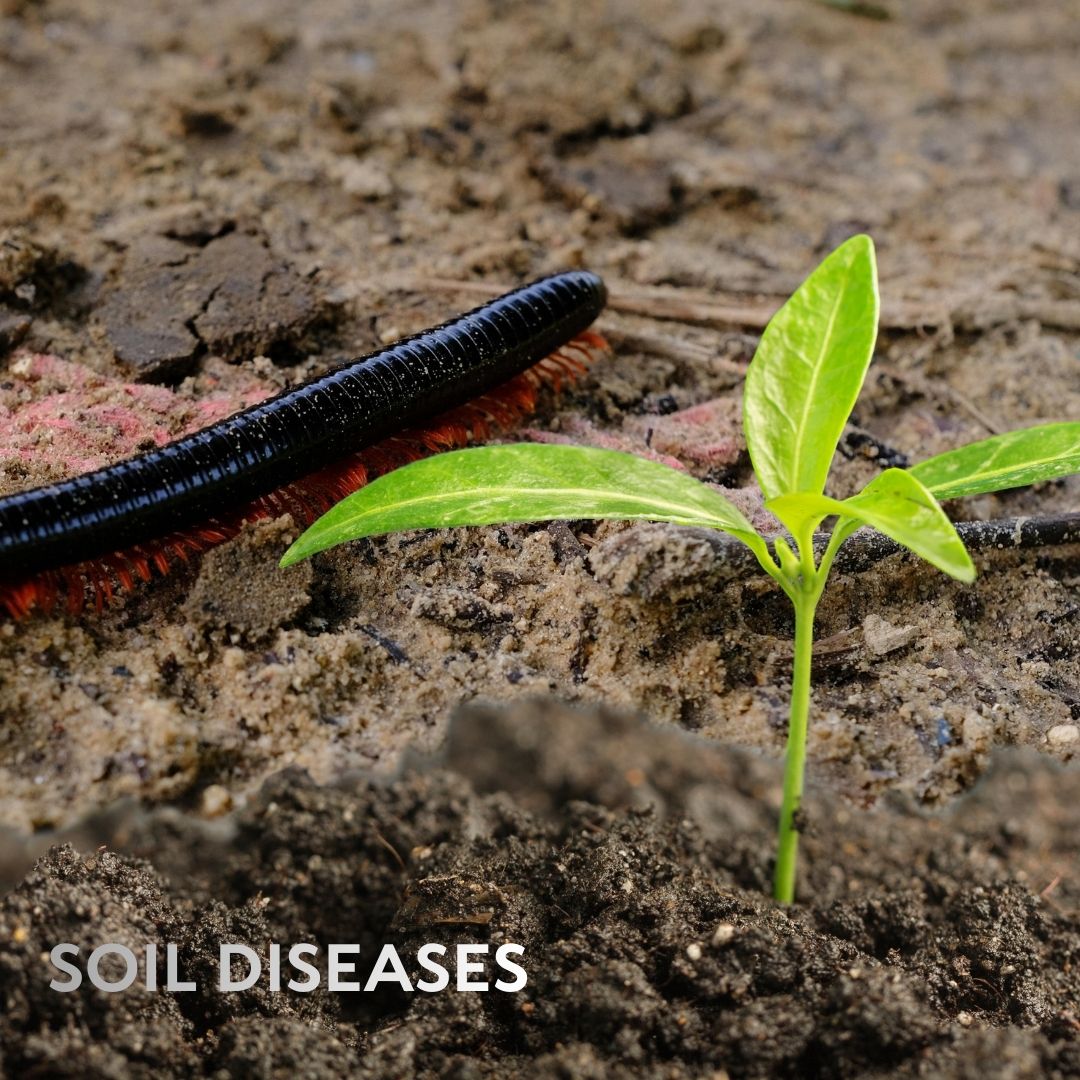
Even if seeds sprout, the base of their stems or roots can rot, causing the plant to topple and die. Once the roots fail, the plant stops growing. However, once plants move past that delicate early stage and start to strengthen, they become much better at fighting off these fungi. Established plants have a better chance of survival, but young ones remain at risk until they’re strong enough to handle what’s in the soil.
CONTROL:
These steps matter a lot, mainly because there just aren’t many fungicides out there that actually stop damping off.
Start your seedlings in commercial compost if you can. It’s usually free of the nasty stuff that causes damping off. If you’re stuck with homemade compost, try steam sterilizing it to kill off any pathogens.
Always go for fresh pots and trays when you start new seedlings. If you really need to reuse them, scrub off all the old soil, wash them well, and use a disinfectant like Jeyes Fluid. Make sure everything’s totally dry before you put it away. And if a pot or tray has ever had damping off before, toss it—don’t risk it.
Don’t overcrowd. Sow your seeds in small batches, and spread them out.
Stick with tap water when you’re watering pots or trays. If you use rainwater, keep the barrel covered so leaves and other debris don’t get in. That stuff can bring in the very pathogens you’re trying to avoid. And don’t overwater—damp is good, soaked is not.
Give your seedlings plenty of fresh air. Good ventilation helps keep humidity down, and that keeps damping off at bay.
Clean your greenhouse and water barrels now and then. After you’ve scrubbed and refilled your rainwater tanks, add a barrel cleaner that prevents both damping off and algae. It’s a simple step, but it goes a long way.
ROOT ROT:
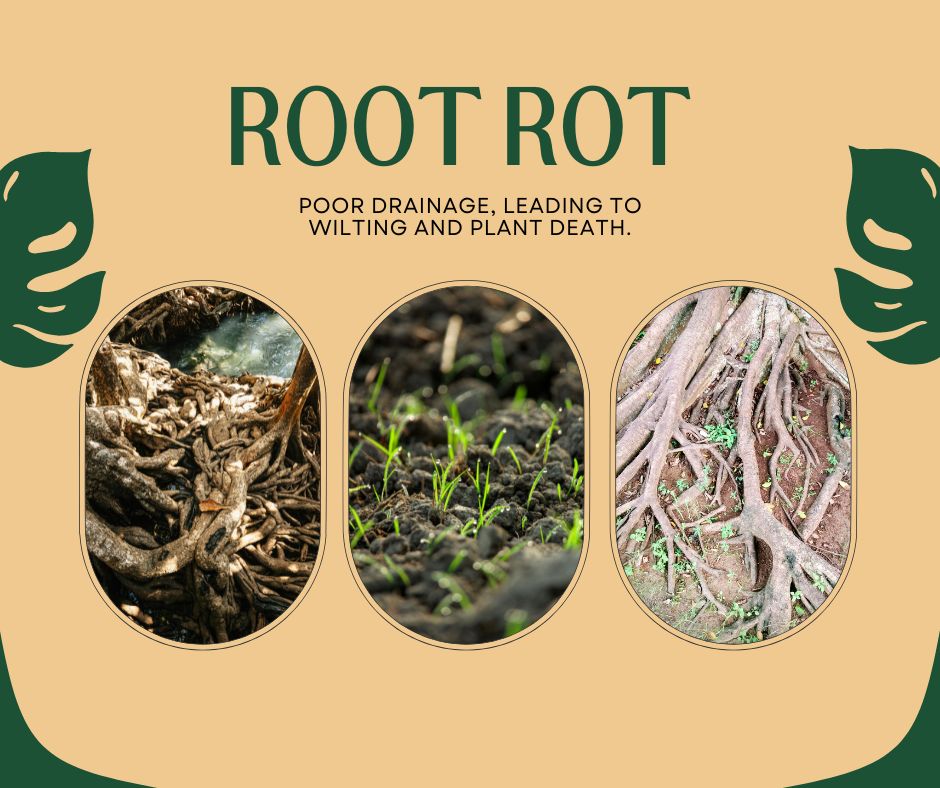
“Root rot” is a trendy term that describes any ailment where the pathogen (causal organism) causes the deterioration of a plant’s root system. Most plants are prone to root rots, which include both woody and herbaceous ornamentals. Root rots may be continual diseases or, more normally, are acute and may cause the dying of the plant.
Gardeners frequently turn out to be aware of root rots once they notice that a plant is wilted, despite the fact that the soil is moist. Vegetation with root rot is also frequently stunted and might have leaves with a yellow or crimson color, symptoms that indicate a nutrient deficiency. Careful examination of the basic structures of those flowers reveals roots that might be tender and brown. Those roots may also have a horrific scent.
Signs and Symptoms:
The first signs of root rot can be above ground. Because the roots stop functioning, your plant will start to yellow and wilt throughout. If you have a plant that’s made from several stems within the same pot, it’s viable; the most effective one will get root rot.
Vegetation with root rot will frequently actually have a robust, unpleasant scent coming from the soil. To affirm root rot, you’re going to have to get your fingers grimy.
How to check for root rot:
This will be messy, so do it outside, over a sink, or placed down on some newspaper first.
Lightly eliminate your plant from its nursery pot.
Have a look at the roots. Healthy roots will be white.
Rotten roots might be very brown or black and feel smooth.
If the roots are delicate, root rot is accountable.
Anthracnose:
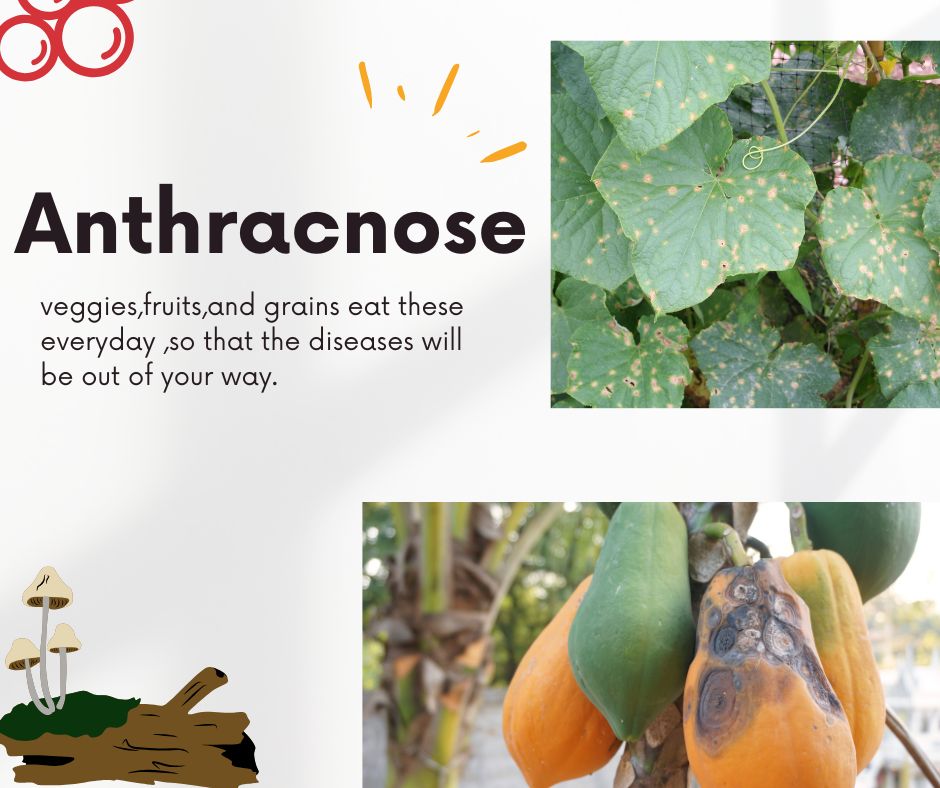
Anthracnose hits plants when certain fungi—mainly from the Gloeosporium and Colletotrichum groups—get involved. You’ll first notice dark, sunken spots popping up on leaves, stems, flowers, and fruit. Warm, wet weather really helps it take off. Suddenly, your plants start looking scorched and sickly. As things get worse, those ugly spots show up on fruits too, making them rot and ruining their quality. If you’re growing fruits or veggies at home, anthracnose can spread in no time if you don’t stay on top of it.
This isn’t just one disease, either. Anthracnose is actually a group of fungal problems that hit all kinds of plants, especially in places where it’s hot and humid. Big trees like sycamore, ash, oak, and maple are easy targets, but grasses and annuals can get it too.
What’s behind anthracnose?
How does it all start?
How Does the Disease Infect Plants?
The contamination cycle starts when the spores land on inclined plant tissue and environmental conditions favor fungal growth. Right here are the factors that usually have an impact on the spread of the anthracnose ailment:
Survival between growing seasons. The fungus spores continue to be viable in plant debris left in the field and in contaminated seeds, creating a supply of infection for the next growing season.
Farm operations. Farmworkers can unknowingly spread the disease via contaminated equipment and devices. Everyday handling of infected vegetation in the course of recurring area operations also contributes to pathogen movement between area regions.
Environmental situations. Excessive humidity and mild temperatures create ideal situations for spores to germinate and infect vegetation. These conditions often occur in densely planted areas with poor air movement.
How to Control Anthracnose:
Downy mildews:
It’s caused by water molds (oomycetes), which can inflict annihilation on your theater if left unbounded. The first signs can generally appear as unheroic or pale green spots on the upper side of leaves, while the underpart develops a fuzzy, greyish, or purplish earth. It’s also named “downy” for the same reason. It thrives in cool, damp conditions, so some of the causes can be the dragged stuffiness of the factory due to overhead watering or cultivating the kinds near, leading to high moisture. It’s a complaint of wet rainfall, as infection is favored by prolonged splint stuffiness.
A range of common comestible and cosmetic shops can be affected, including brassicas, carrots, columbine (Aquilegia), foxgloves, geum, connections, Veronica (Hebe), busy Lizzie (Impatiens), lettuces, onions, pansies, parsnips, peas, poppies, rhubarb, roses, spinach, and tobacco shops.
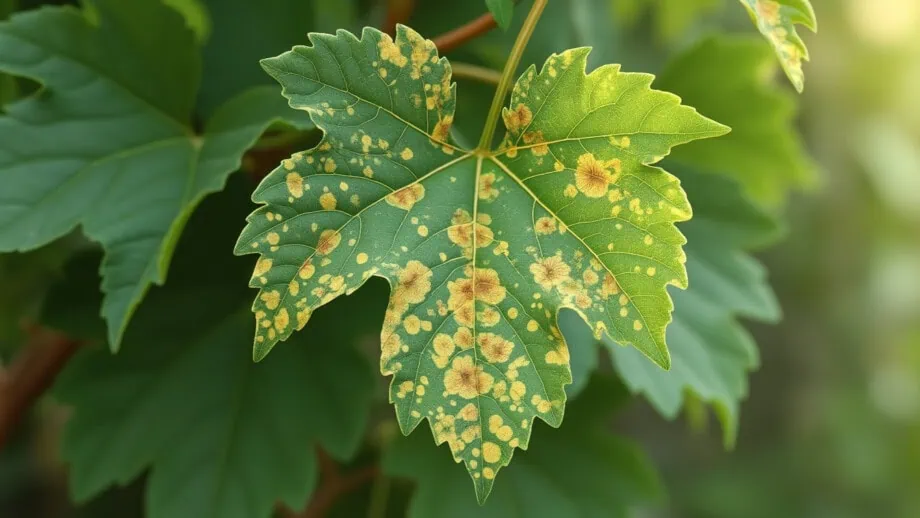
Yes, downy mildew is harmful. It is a type of parasite that needs living plants to complete its life cycle. This plant disease can seriously damage crops and often kill most of the plants in just a week. Because of how much damage it can cause, it is considered an important problem for farmers and growers
As disease-causing organisms become resistant to fungicides that used to work well, the list of fungicides that are actually effective gets shorter each year.
This is becoming more and more of a problem. So, managing downy mildew isn’t about relying on a single solution—it’s about using a full plan that addresses the issue from many different sides.
Fungicides are still a major part of keeping the disease under control. Use preventive treatments with ingredients like copper, mancozeb, chlorothalonil, or oxathiapiprolin. Make sure to switch between different types of chemicals to stop the disease-causing organisms from becoming resistant. It’s important to follow the instructions on the label carefully to get the best results.Cultural control:
Keep an eye out for any signs of infection and remove any affected plant parts, including fallen leaves. Use organic, disease-free mulch and till the soil to mix infected debris into it. This is part of a broader approach called integrated pest management.Post-harvest management:
Don’t stop being careful after the harvest is done. Clean up all the fallen leaves, fruit, and any infected parts of the plants. Also, make sure to thoroughly clean and disinfect all the tools, containers, and storage areas used during harvest to avoid spreading the disease between crops.
Fusarium Wilt:
Are you wondering why your plant’s leaves are drooping during the hottest part of the day but reviving at night?
It may seem like a normal process, but it could be an early symptom of a fungal disease called Fusarium Wilt. This aggressive disease is caused by a fungus that resides in the soil and invades the plant’s water transport system. It prevents the water from passing through, causing the plant’s leaves to wilt, turn yellow, and eventually fall off. It is a slow-progressing disease, and the fungus can remain in the soil for many years.
CAUSES:
Overwatering:
Overwatering An excessive amount of water might create the perfect conditions for the growth of fungi. Root rot may result from the roots being waterlogged and developing a fungal infection like Pythium or Fusarium if the soil is excessively moist for an extended period of time. The soil must drain properly and dry out in between waterings in order to avoid this
Poor Air Circulation:
Inadequate Air Movement Moisture gets trapped between the leaves of plants that are packed too closely together. This facilitates the quick colonization and development of fungal spores.
Contaminated Soils or Equipment:
Transfer fungal spores from one plant to another—usually undetected by you—by using tainted equipment or soil already harboring a fungal infection.
Plant stress and weakening:
More prone to fungal infections are weak plants that are nutrient-deprived, transplanted too frequently, or pest-infested.
Nutrient Overload:
Excessive fertilizer can upset the equilibrium of the soil, thereby favoring the growth of pathogenic fungus. Regular checking of the soil pH levels and prudent fertilizer application are imperative.
High Humidity:
High humidity is a great factor that helps fungi develop. Fungi such as Botrytis thrive in wet environments. If the humidity in the air is above 60%, the chances of infection are greatly increased. To prevent this, one should increase air circulation and ensure that the area is dry. Dehumidifiers and improved ventilation can also reduce humidity.
PREVENTION:

Improve Drainge:
One excellent approach to stop fungal diseases like root rot is better soil drainage. If water remains in the soil too long, it fosters a damp habitat conducive to the fast development of destructive fungi. Raised beds let water run away from plant roots more readily, therefore offering one excellent aid. Adding sand or well-decomposed organic material like compost can help to improve the structure of your soil and create more room for roots to breathe if it is heavy or clay-like. Additionally crucial to prevent water pooling is proper sloping of the land, additional drainage ditches if necessary, and only watering when needed. Good drainage aids in strengthening plants, lowers the risk of fungus, and keeps root systems healthy.
Crop Rotation:
Another crucial first move is correct crop rotation.
Yearly planting of the same crop in the same location enables fungi to gather in the soil. Rotating with plants not supporting these fungi disrupts their life cycle. Growing cereals with root crops or legumes, for instance, can help lessen fungal problems. Growing a variety of plants also boosts biodiversity, hence lowering the danger of disease. Some plants, including marigolds and garlic, naturally create chemicals that fight fungus. More plant diversity also draws in useful insects and microbes that fight off bad pathogens.
Improve Soil Health;
Improving the health of the soil is vital.
Adding organic materials such as manure and compost helps produce humus, which enhances soil structure, drainage, water retention, and nutrient supply. Adding organic matter is beneficial with pastures rich in grass. Crops can also be of use, and their remains ought to be added back to the earth. Moreover, vital is prudent nutrient management. Apply fertilizers at the appropriate time to prevent excess nitrogen, which would make soil acidic and retard plant growth. Keeping the proper soil pH for the crops you’re cultivating increases nutrient absorption in plants by means of processes like adding lime.
Nutrient management:
You need to plan how and when to apply the treatment in your paddock to prevent having too much nitrogen.
Too much nitrogen will make the soil too acidic, which will slow down the growth of plants. It is important to maintain the right pH of the soil depending on the plants you are growing. This will help the plants to be able to absorb the nutrients.
Water flow management:
You can control the flow of water by planting vegetation on your land.
This will help the water to soak into the soil.
TREATMENTS:
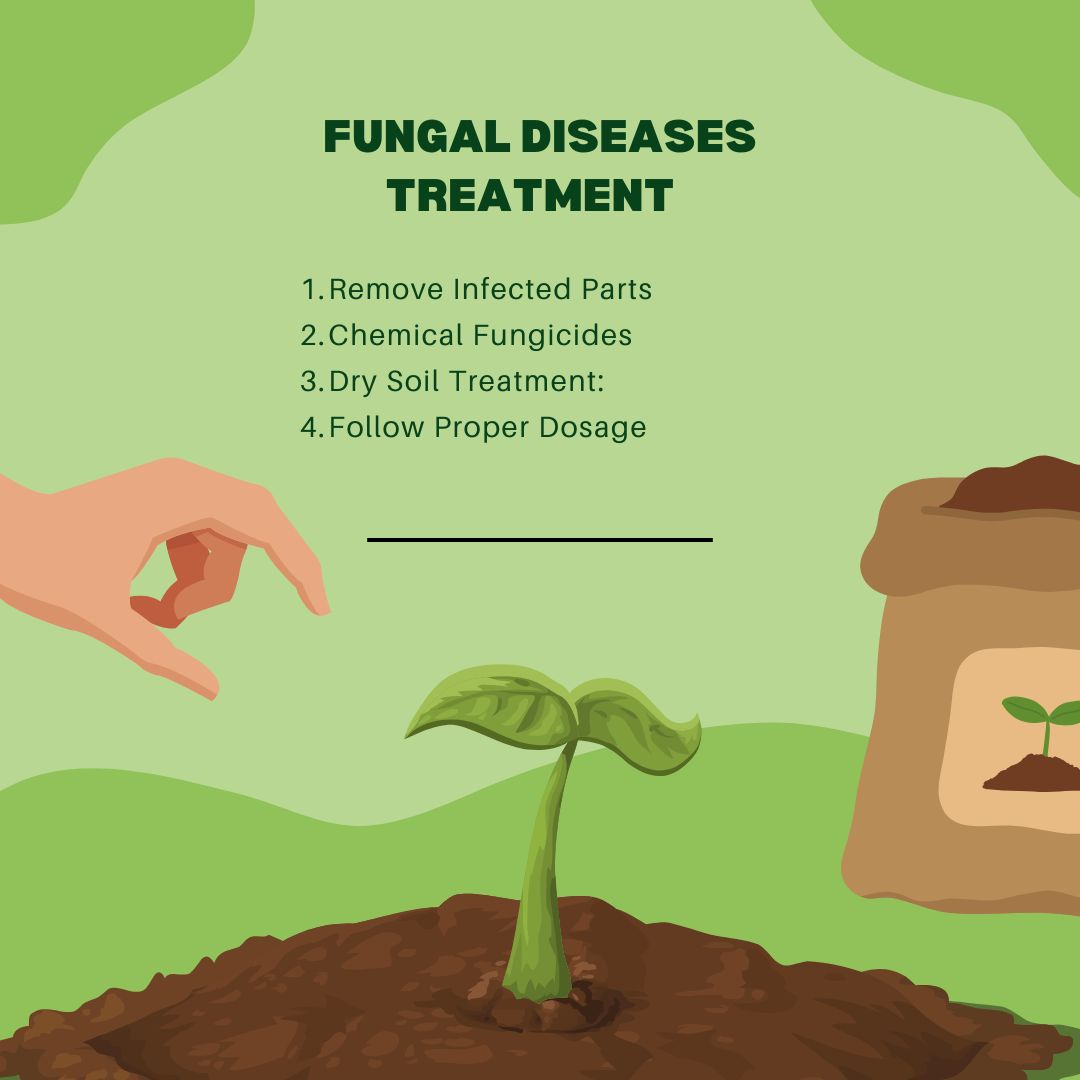
To stop the fungus from growing, let the soil dry completely before watering.
Use a fungicide designed to combat fungi that are found in the soil. The affected plant should be drenched with it.
Because it may be used for three purposes, neem oil is a common item in organic gardening. Insects, mites, and fungi can all be killed with it.
Azadirachtin, the active component, prevents fungus from growing and multiplying. I have successfully treated black spot, rust, and powdery mildew using it.
Chemical Fungicides:
Chemical Fungicides: Chemical fungicides are frequently used to manage fungal diseases, but their effectiveness and safety depend on how they are applied.
1- Use them as a preventative strategy or as soon as you see symptoms of illness.
2- Pay close attention to the label’s directions regarding the recommended dosage and frequency of usage.
3- To prevent the fungus from developing resistance, switch up the kind of fungicide you apply.
4- Spraying should not be done in hot or windy conditions as this may cause the substance to evaporate fast or drift to undesirable places.

Leave a Reply