These mistakes or bad decisions occur during the planning, designing, or construction phases of outdoor areas such as gardens, lawns, parks, or yards (Landscape design mistakes, n.d.). Mistakes typically occur due to the lack of proper planning, wrong choice of materials or plants, ineffective soil preparation, and lack of consideration of the maintenance requirements, among other factors. This can result in a poorly functioning landscape, underperforming plants, and a disorganized, difficult-to-maintain outdoor space.
Some common mistakes, for instance, are choosing plants that are not compatible with the local weather, planting large numbers of plants in a limited space, failing to check the soil condition, and not arranging for an effective watering schedule.
Such errors will compromise the health of plants, will lead to wastage of water, will incur high costs of garden maintenance, and create an unpleasant garden appearance.
Landscape Design Mistakes:
Turning your outdoor space into something special isn’t always easy. That’s why a lot of people hire a pro—a landscape designer, garden designer, landscape architect, or landscape gardener—to guide them through the process. It doesn’t matter if you’re just starting out or if your hands are already stained with years of gardening. You’ll find practical tips and advice here that actually work. Stick around, and you’ll pick up ways to save time, cut costs, and bring your dream landscape to life.
Lack of Planning:
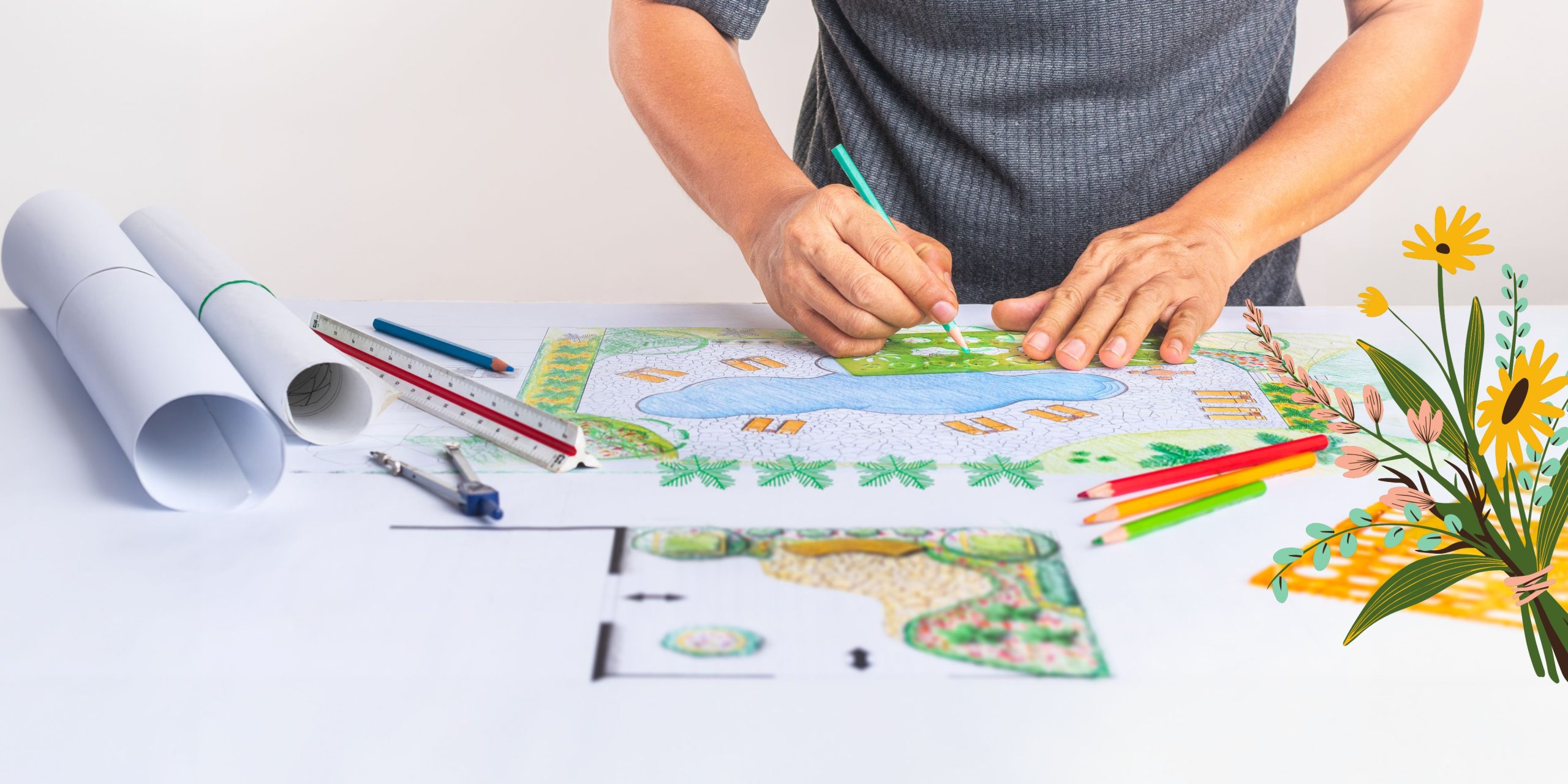
Many people ruin their yards by jumping right in without making any kind of plan first. This happens all the time; all it takes is someone adding a patio in one place, a flowerbed in another place, maybe a walkway, and all of a sudden it transforms the yard into a collection of unrelated pieces that do not really fit together like a broken puzzle done without knowing what the picture looks like. If you plan it all out first, your plants, paths, and areas for relaxing will flow together and function as a whole. Based on our experience, when you skip the planning phase for your yard, your yard will have a disorganized feel to it, no matter how hard you worked at it. So be sure to take time to develop the look you want your yard to have, sketch out how you want the yard to be set up, and make a list of any additional features you want before you start to dig or plant.
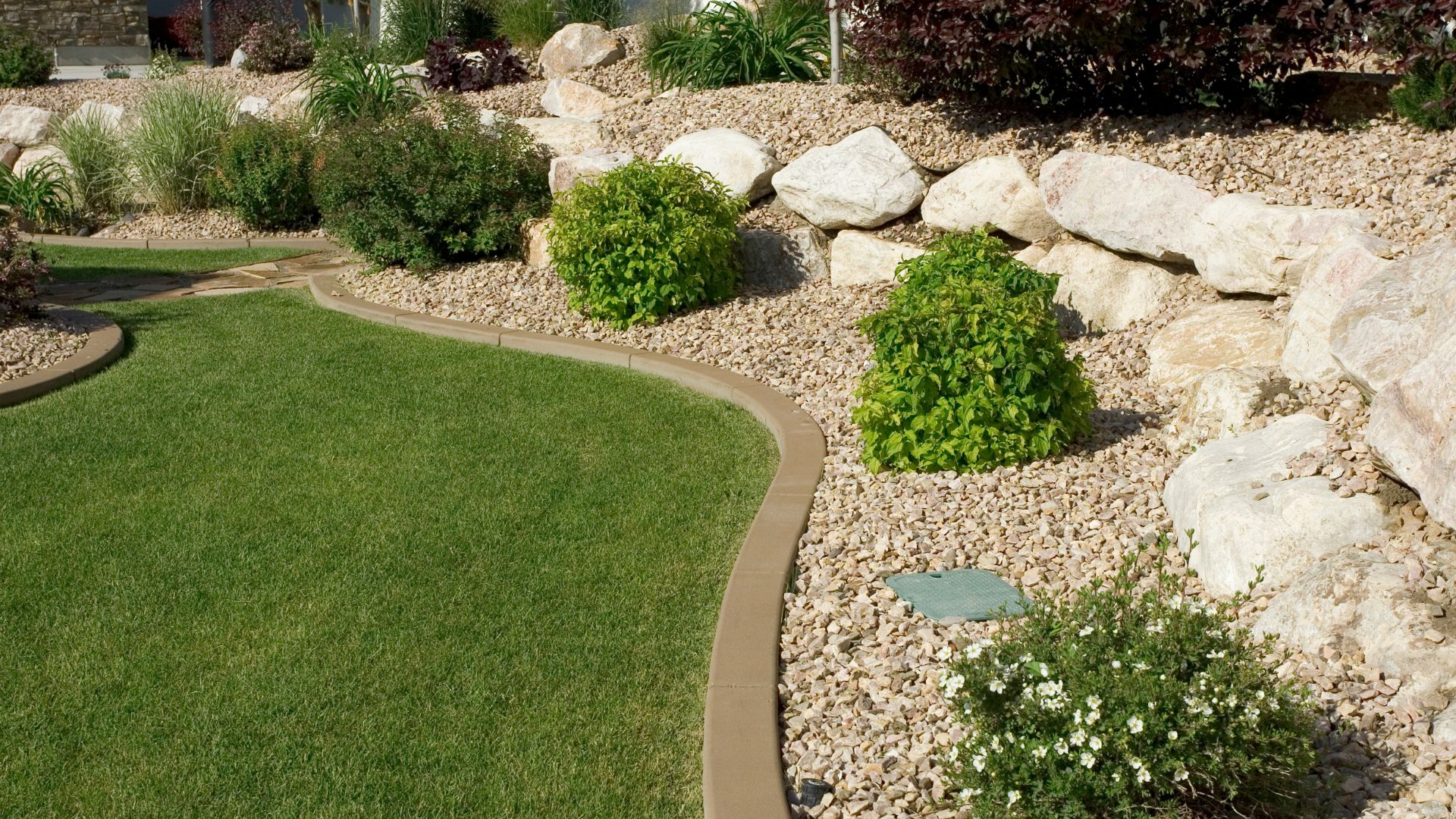
Another common area that gets overlooked is the edges. Most times, when you are finished, the mulch or gravel simply gets dumped in and is just sitting there looking ugly. It also makes keeping your yard neat difficult. To help fix this, make sure your edges are either even through the border or curving cleanly to look like they were placed there purposefully; this will give the edges a more seamless edge to the rest of your yard. Straight lines and nice curves always look better than random, jagged edges. It’s a small detail, but it makes a big difference.
Solution:
While DIY landscapers plant a tree as it looks exceptional at the lawn’s edge, and then that tree finally ends up being too large for the small lawn it becomes located in—it really is trouble. A landscape expert can assist in selecting the right plant for the right spot, stopping the want for relocation or elimination afterward.
The great place for panorama plantings or hardscapes, like a stylish stone patio or a mattress of stunning perennials, proper in the route of water runoff—that’s any other trouble, and a huge one.
A landscape expert can help owners keep away from these troubles lengthy before they happen—with superior planning and cautious interest to detail.
A skilled panorama fashion designer or architect can normally give you thoughts and capabilities that a property owner would possibly in no way have an idea of earlier than.
A professional landscaping business enterprise generally has several years of experience in keeping and caring for special types of landscapes.
They also recognize which flora thrive in your place and a way to cope with challenges like droughts or pests. This enables you to maintain your garden as healthful and sustainable over time.
Expert landscaping also allows for the incorporation of eco-friendly practices:
Landscaping may be achieved in a sustainable manner from the beginning, encouraging environmentally pleasant designs via water conservation, local plant selection, and organic gardening techniques. Those techniques are first-class and handled through professional neighborhood landscapers to avoid the trouble of doing the work yourself and save money for something else, like a pleasing drink on your stunning patio.
Panorama installers will behave as a website evaluation:
This normally includes taking images of the assets and noting all critical elements on the webpage, along with existing systems and vegetation, views, water troubles, or something else that would affect the layout. Amassing and comparing these records earlier than installing softscape or hardscape elements ends in a well-deliberated layout for your space, which enables it to remain longer.
Choosing The Wrong Plants:
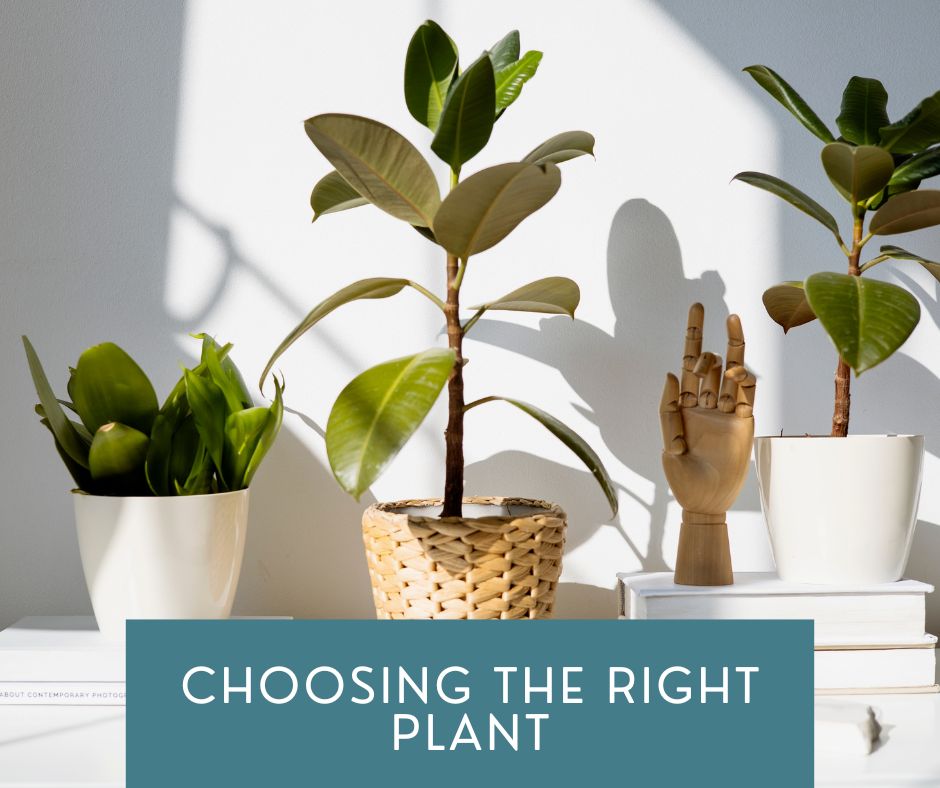
Choosing the proper flowers is one of the most interesting components of gardening—however, it’s also where many DIYers move incorrectly. These commonplace errors can lead to sick plants, chaotic designs, and wasted money. Here’s what to keep away from.
Choosing the incorrect plant life for your conditions:
Flowers that aren’t proper to your neighborhood weather, soil, or sunlight will wither—or die. Check your lawn’s specific situations (solar, soil, water, pests) and pick out vegetation that obviously thrives there.
Now not the use of sufficient amounts of every plant:
Scattering unmarried plant life at some stage in the lawn weakens their visible effect. Rather, plant in businesses or drifts to create ambitious, cohesive statements that better suit the size of your private home and landscape.
Not planning for a seasonal hobby:
Most flowers bloom for just a few weeks—so in case you don’t plan for all 4 seasons, your garden will seem empty at instances. Select a combination of flowers with staggered bloom times, foliage color, and texture for 12 months of spherical beauty.
Soil Quality:
Expertise in Soil Health:
To definitely admire the importance of soil fitness, it’s important to understand what soil is and why it’s a topic. Soil refers to a dynamically interactive community of minerals, organic matter, water, air, and living things working together to support plants. Healthy soil provides plant organisms with a firm ground to put down their roots, access to nutrients, and protection against environmental hazards. Soil fitness is measured by factors that include its form, texture, fertility, and pH value. Soil tests can be done to ascertain the state of soil and make appropriate decisions on how best to improve its health and fertility.
Blessings of Soil Coaching:
Soil guidance is an essential step in landscape design that defines the healthy plant growth levels and thriving landscapes. Soil guidance is a necessary step in landscape design that set the level for healthy plant growth and thriving landscapes. Breaking apart compact soil, adding organic materials, or rearranging its components allows landscaping designers to achieve loose soil with good aeration and drainage. In addition, soil guiding benefits nutrient availability with the help of replenishing key vitamins and regulating pH balance. This makes sure that plants have the right nutrients they need to support growth and development. Besides, soil guidance can also help to prevent soil erosion and soil runoff that protects the environment and the integrity of the landscape. Critical soil education, planting zone thoughts, and irrigation gadget thoughts, including driplines, can make substantial modifications for the way a garden, lawn, or even panorama grows or requires preservation.
Deciding on Vegetation Based on Soil Conditions:
Choosing flowers that are correctly adjusted to your soil conditions is important for landscaping success. Different flora have different requirements as far as soil types, pH, and drainage are concerned, and it is therefore important to choose plants that can work well in your unique soil conditions. For example, flowers that require acidic soil may not do well in alkaline soil, and plants that require well-drained soil may also suffer in areas prone to waterlogging. By means of knowing your soil conditions and selecting flora for this reason, you could create a panorama that is not just beautiful but also resilient and low-upkeep. Always remember to communicate with an expert landscape clothier or horticulturist to help you choose the right flowers for your soil conditions and landscape needs.
In the end, soil health and training are essential components of panorama layout that can no longer be ignored. By prioritizing soil health and taking the time to put together the soil nicely, you could create thriving, sustainable landscapes that bring beauty and joy to your outdoors space. Be it a “do-it-yourself” panorama gardening intent or the assistance of an expert panorama landscaping contractor, it is essential to construct a powerful base on your panorama via an ensured healthful soil.
Irrigation Planning:
When selecting plants, it is essential to consider how much water they require. It is essential to group plants with similar water requirements in one area or zone. This ensures that plants get adequate water without receiving excess water.
It is possible to create zones in your yard to be watered differently. Zone 0 means no water at all. This is applicable to plants that require dry conditions, such as those found in Utah. Zone 1 means water once a month, Zone 2 means water twice a month, Zone 3 means water once a week, and Zone 4 means water twice a week. Knowing the water requirements of plants in your yard is essential to use water wisely without wasting it.
How to create zones depends on how much water to use on your yard, how much money to spend on water, and other factors.
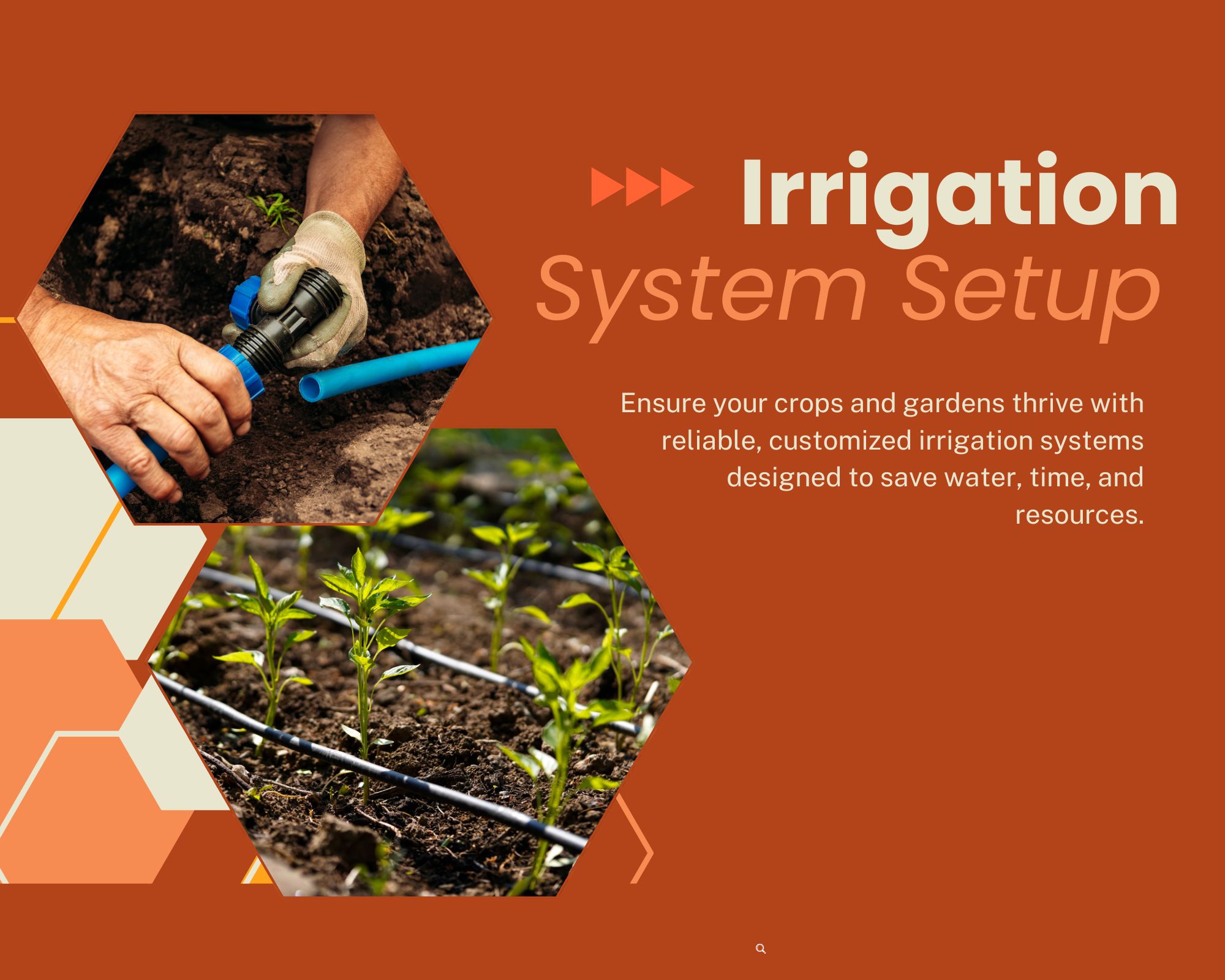
Watering is often not well understood when it comes to landscaping.
Most individuals think that plants require more water to be healthier. However, when there is too much or too little water, it may damage plants and lead to diseases. Adequate water is water given to the right place at the right time.
When irrigation is done right, your yard will be healthier, more efficient, and easier to take care of.
Designing the irrigation is more than just installing sprinklers. It is about trying to determine the best way to distribute the water over the landscape, considering the needs of the plants, the landscape’s arrangement, and the environment.
In order to design irrigation properly, the following factors are taken into account:
1. The different types of plants and their arrangement
2. The amount of sunlight they are exposed to
3. The type of soil
4. The arrangement of the landscape
Improper Watering Causes Issues:
Some of the most common problems faced by landscapers are because of improper irrigation design.
Both over- and under-watering are just as damaging to the landscape as watering insufficiently.
Improperly designed irrigation can cause:
1. Root rot
2. Stress and/or death of the plants
3. Increased plant disease
4. Wasted water running off the land
Plant Needs:
Plants require different amounts of watering.
Grouping the plants that require the most and least water is the most efficient way to care for the landscape.
1.Helps prevent overwatering
2.Promotes healthy plant growth
3.Helps use water more efficiently
High Maintenance Planning:
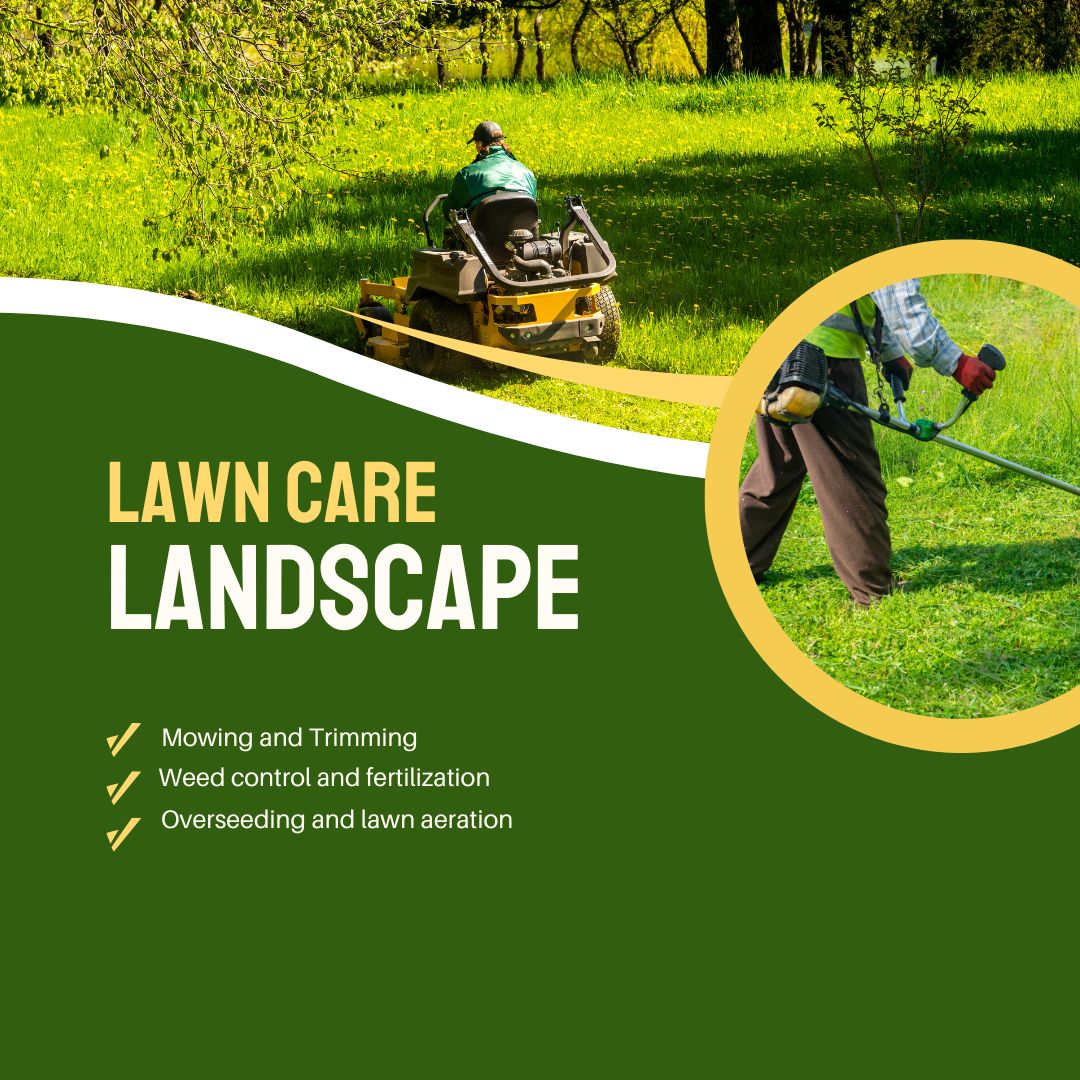
One mistake is designing a garden that is difficult to maintain. When you are putting up plants, pathways, and benches, it is essential to consider how hard it will be to maintain them. For example, using plants that do not require maintenance, knowing how to maintain artificial grass, and using hard materials can help you enjoy your garden throughout the year without difficulties.
Your landscape ought to be an area to unwind — no longer a consistent list of obligations. however in case you don’t plan nicely, even a pleasing lawn can turn out to be a trouble. here’s how to create a space that’s easy to manipulate and a laugh to revel in.
Lack Of Planning:
Planting without thinking ahead can cause more work later.
start by means of sketching out your area, deciding on key capabilities, and locating flora that fit your to be had time and how much attempt you’re willing to install.
Bushes That Are Too Massive:
placing huge timber in small spaces reasons greater pruning, blocks daylight, and may even create issues with pals.
constantly look up how big a tree gets and what function it’ll play earlier than planting it.
Now Not Sufficient Shrubs:
Too many flora imply more deadheading, dividing, and watering.
Shrubs and small bushes give structure with lots much less attempt — they’re additionally high-quality for front yards.
Incorrect Plant Placement:
setting the wrong plant in the incorrect spot means more watering, trimming, and replacing.
group plant life together based totally on their light and water wishes so one can grow better with less help.
Too Much Muddle:
A lawn complete of gadgets can be tough to manipulate.
keep it easy! location garden decorations inside the flower beds, group gadgets close to water sources, and function furniture so it doesn’t get within the manner of mowing.
No Edging:
with out clean edges, garden grass can flow into flower beds and plants can spread where they shouldn’t.
A easy edging tool continues your garden neat and makes garden care less complicated.



Leave a Reply