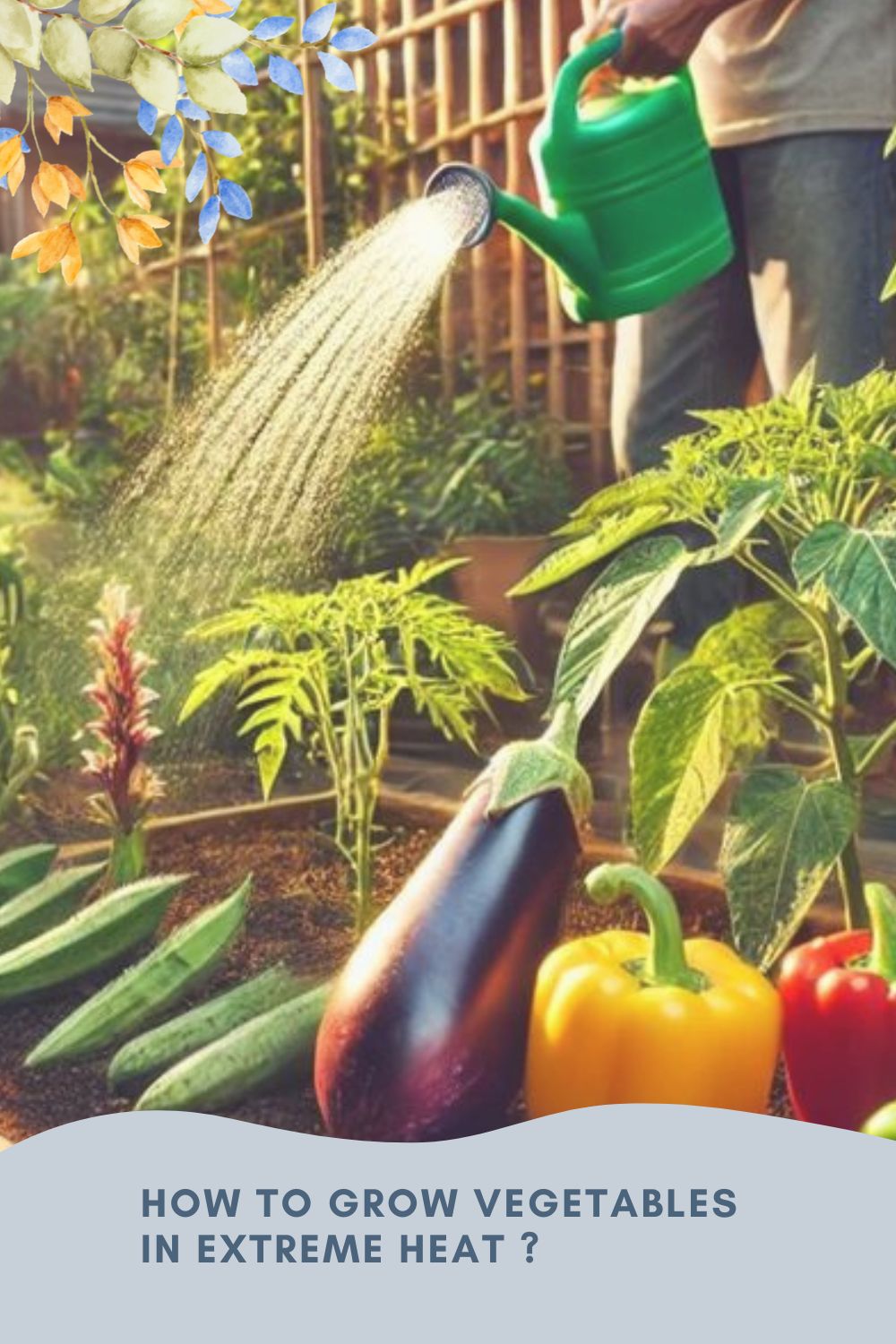
Heat-Tolerant Crops:
The presence of extreme heat during the summer season is increasingly becoming a larger problem, and home gardeners are not left out.
Considering the growth of heat-tolerant vegetables is a good idea.
One of the most significant actions in crop growing in extreme heat entails picking the appropriate vegetables.
There are even plants that are adapted to hot climates and can tolerate high temperatures, sunlight, and minimal water. Unlike cool-season vegetables, these crops continue to grow and yield even during really hot weather.
Deep-rooted, thick-leafed, or drought-resistant vegetables are typical of the heat-tolerant vegetables.
These features enable them to retain moisture and withstand extreme conditions. Picking these kinds of crops will enable farmers and gardeners to reduce the chances of losing their harvests and maintain them constantly during hot weather.
Regardless of how long you have been gardening or even if you are new to the practice, it is quite helpful to find crops that can endure the heat in the summer when other crops may fail.
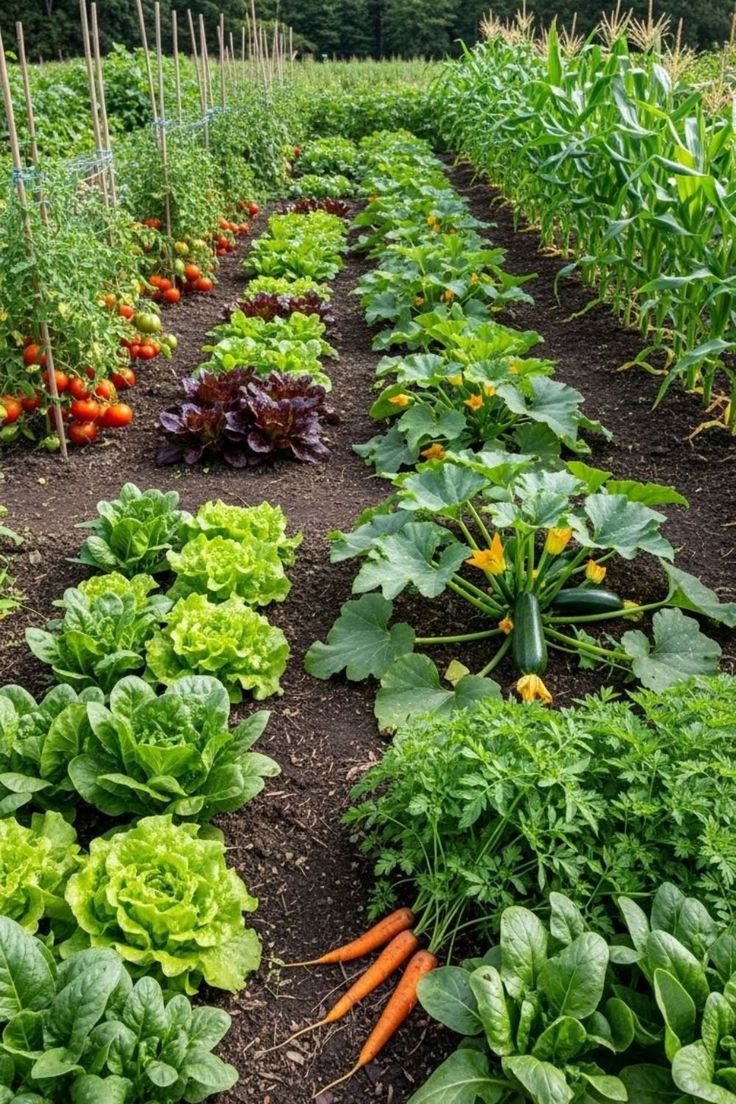
Sweet Potatoes
Sweet potatoes are one of the Southern favorites and are able to be grown on hot days and warm nights.
During hot weather, when the soil cannot support white potatoes during the summer, such as in Texas, one can plant sweet potatoes as an alternative to having a harvest in the fall. They do not require hilling and can be kept in a root cellar or something like that. Sweet potatoes are a tropical plant that is gaining popularity among gardeners in the North. The plants tolerate the heat, provided they are evenly moistened. Pick them when the soil temperature falls below 55°.
Tomatoes
This is one of the more popular vegetables that do not grow well in hot summer.
Growing tomatoes is a challenging task for gardeners since they are prone to wilting, pests, and the hot weather. As an alternative to the traditional types, consider tomatillo, cherry tomatoes, or Everglades tomatoes.
Okra:
Okra is popular in the Deep South. It is native to Ethiopia and prefers warm evenings and soil of 80s degrees. It is a Malva and has beautiful hibiscus-like flowers. All of these flowers are self-pollinating, so there is no need to worry about bees in case it is too hot to work. Select the pods when small and tender.
Melons:
They require 2-3 months of hot weather to become sweet-tasting.
Water the plants with even amounts, and do not flood the plants, particularly at the time when the fruits are in their ripening stage. An excessive amount of water may dilute the sugars; hence, the melons may tasteless. Heirloom varieties are found in many varieties that are deep-rooted and can withstand heat and drought.
Eggplants:
Eggplants grow best when the soil becomes warm (80 to 90°F) and nights are more than 70°F.
They are indigenous to Southeast Asia and India and form the foundation of most of the tasty dishes.
Peppers:
The other tropical plant belonging to the Western Hemisphere with a Central and South American origin is the pepper.
Hot peppers have the advantage of withstanding long, hot conditions better than sweet bell peppers. The Chile Pepper Institute at New Mexico State University has created some excellent varieties of hot peppers that can survive under hot, dry conditions.
Efficient Watering Techniques:
High temperatures motivate flora to lose extra water. This takes place each time via the leaves (a system known as transpiration) and from the soil surface through evaporation.
Watering Techniques:
Use methods that help water reach deep into the soil.
An awesome alternative is a soaker hose or drip irrigation. These systems offer water at once to the plant’s base, allowing it to slowly soak into the soil. This approach uses water more correctly and facilitates the roots developing deeper.
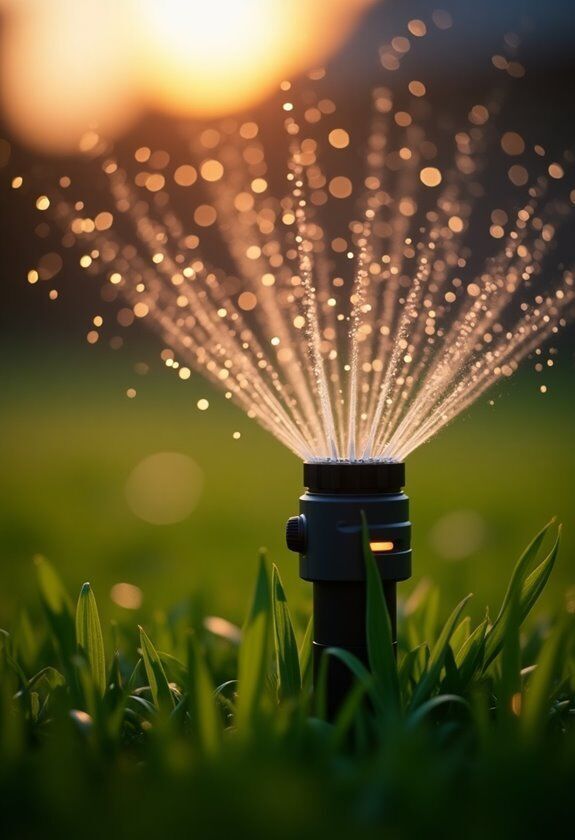
Watering Time Table:
Having an ordinary watering plan is essential for retaining plant life wholesomely, especially when it’s warm.
The high-quality instances of watering are in the early morning or late afternoon. This reduces water loss from evaporation. Keep away from watering at some point of the hottest part of the day because water droplets can act like magnifying glasses, making the sun’s rays more potent and probably burning the leaves.
Test the soil moisture at least once a day.
If the soil feels dry at a depth of a finger’s width, it is time to water.
Water the base, not the leaves. Roots take hold inside the water, and wet leaves are much more likely to get sick.
Water efficiently, specifically while it’s hot, because extra water evaporates earlier than it reaches the roots.
Instead of the use of sprinklers, water the bottom of the plant with the use of soaker hoses or drip structures. This helps water reach where it’s wanted.
Water slowly, deeply, and no longer too regularly.
Quick watering can lead to shallow roots and make plant life less able to manage dry intervals.
Water the soil is moist at least five to 6 inches deep.
If you‘re uncertain how deep the water goes, dig a hole to check. Handiest water while the soil feels dry to a depth of one to two inches.
Use mulch to help the soil stay wet and reduce how often you need to water.
Mulch works well in gardens and packing containers.
Flowers in pots and hanging baskets may also need water two times a day, specifically when it is windy and hot.
Bins dry out fast. Take a look at the soil regularly because most flowers will want water at least once a day, and some would possibly need it in the morning and at night.
Constantly take a look at the soil earlier than you water. When temperatures are extremely high, the plant’s techniques like photosynthesis, respiration, and nitrogen fixation slow down.
Apply Mulching:
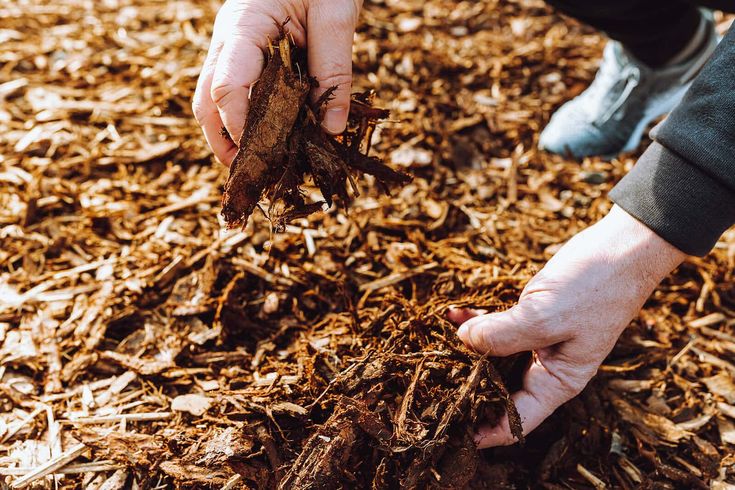
One of the best means of cooling the soil is to apply various kinds of mulch. Among the biodegradable substances are garden compost, leaf mold, spent mushroom compost, and processed conifer bark or wood chippings. Such materials make the soil more fertile and enhance the soil structure. Alternatively, though, you can apply non-biodegradable mulch that will also keep weeds at bay and commonly comes in the form of black plastic to be used in vegetable gardens.
Surrounding your plants with a blanket of organic material, such as wood chips or straw, keeps the soil damp by ensuring that there is less loss of water to the atmosphere through evaporation.
Mulch also serves as a shielding material, and it aids in maintaining a constant temperature of the soil and also prevents the roots of a plant from sitting on very hot soil. Be sure to leave a little air gap between the plant stem or trunk and the mulch to prevent issues associated with the accumulation of moisture.
Provide Shade Protection:
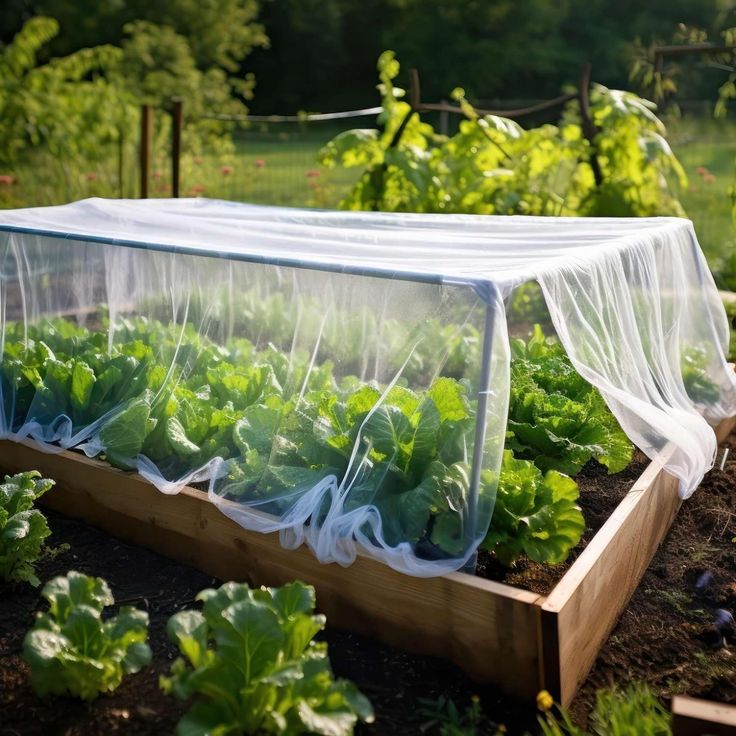
When the sun appears, and it is very hot, then it is good to cover your plants and veggies with something that has the ability to block some sunlight and protect them. You may do it with plant stakes and a dark cloth, and then pull it over the vegetables and leave holes in it at both ends to allow the air to pass through. Alternatively, a light, breathable muslin material can be used to put a direct covering on the plants. You may also have portable tents, such as garden or camping gazebos, at the various locations to provide shade. The other point is that you can simply plant tall plants, such as sunflowers, that can be used to provide effective shading to your garden on their own. Shading your plants during the hottest time of the day is just one of the greatest methods of ensuring that your plants do not receive excess heat. Shade cloth can be used, or even garden umbrellas or larger plants can be placed in a manner that will provide natural shade. This will avoid the bright sunlight that beats on plants and decreases the temperature around them that may result in the burning of leaves and the drying of plants.
Raised Beds or Proper Drainage:
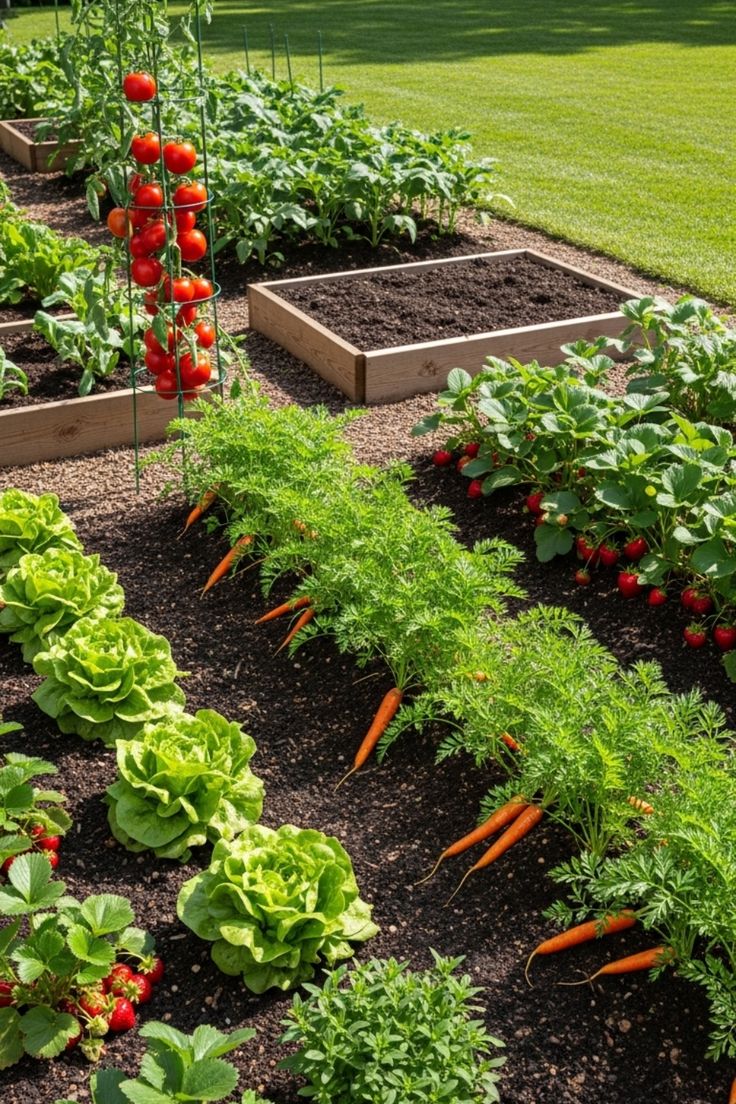
The benefits of growing vegetables in raised beds include: First, there is less soil compaction because you don’t have to walk through your garden. This means your garden will have loose and healthy soil. Second, it is easier to take care of your plants because you don’t have to bend down. Third, you can plant your vegetables closer together because it is easy to access them from any side. Therefore, you don’t have to leave much space between them. Lastly, it is possible to grow more in less space. Raised beds enable gardeners to manage their soil in an ideal way. I acquired a mix of soil and compost from a local supplier. In addition, I used soil from other parts of my garden, which I mixed with lots of compost. Every year, I add some compost to my raised beds. This gives the soil extra nutrients and improves its structure, enabling it to drain better. Soil in raised beds warms up faster in the spring and stays warm longer in the fall. This means gardeners can plant seeds earlier in the season and pick them later in the fall. This is especially beneficial to gardeners with a short growing season, which is common in many areas. In addition, the materials used in building raised beds can also contribute to these benefits.
Keep Healthy Plants:
In order to provide your plants with the best possible opportunity to thrive, make sure they are in the healthiest conditions possible.
This is possible if you use rich soil in raised beds and provide the plants with organic fertilizer so they receive the nutrients they need. When planting your vegetables, arrange them in triangles. This not only prevents overcrowding but also ensures that the plants receive the best opportunity to thrive, fighting off weeds that may seek to grow between them. Regularly checking up on your garden is another way of ensuring that if anything is going wrong, you are able to act before the problem gets worse.
Use Organic Fertilizers:
Compost:
Compost is a kind of organic material that is highly nutrient and it is formed when organic substances such as food scraps, yard waste, and farm leftovers decay naturally.
This can be referred to as composting, and this occurs as small living organisms in the soil, such as bacteria and fungi, aid in transforming the organic matter to a dark and earthy material, resembling that of humus.
Composting assists in making the soil more favorable as it enhances its structure to retain water and provide plants with nutrients that they require to grow. It also assists in reducing the use of chemical fertilizers, prevents soil erosion, and reduces the emission of greenhouse gases because organic waste does not enter landfills.
Biofertilizers:
Biofertilizers are products that are composed of beneficial microorganisms, e.g., some bacteria, fungi, and algae.
These microbes assist in increasing the fertility of the soil and aid in the growth of plants.
They work with plants and help plants to use the nitrogen in the air and convert it into a useful form, decompose phosphorus to allow plants to use it, and also help plant absorption of nutrients.
· Biofertilizer contributes to a more sustainable farming system through the lessening application of artificial fertilizers, which may cause environmental and health damage to human beings.
Vermicompost:
Vermicompost is a type of special organic fertilizer that is produced by worms.
It works well in making the soil more textured, the soil microbes good soils, and plants reliable in their nutrient supply- it is good in rooftop gardens, flower beds, indoor pots, and lawns.
This black, fine compost will make the plants have better roots and flower more, and have fruit all year round.
It has easy mixing with soil or coconut coir and is appropriate for all types of plants, such as vegetables, flowers, and fragile indoor plants.
This is unlike chemical fertilizers, which release nutrients quickly. Some chemical fertilizers release too much fertilizer at once. Organic fertilizers, on the other hand, release fertilizer gradually. This provides plants with fertilizer constantly.
This results in:
Balanced growth in plants, with no sudden increase in fertilizer
Reduced the risk of burning roots or harming the plants
Strong roots in plants, making them healthy
Healthier soil with more productivity in plants
As organic fertilizers naturally provide plants with fertilizer, plants grow in a more stable and less stressful environment. This leads to more productivity in plants.
Proper Plant Spacing:
Proper plant spacing starts with knowing your plant. It is important that you know the growing zone range of your plant to ensure that it is compatible with your climate. You should also be familiar with the growing requirements of your plant. Lastly, do not forget to take into consideration the mature size of your plant.
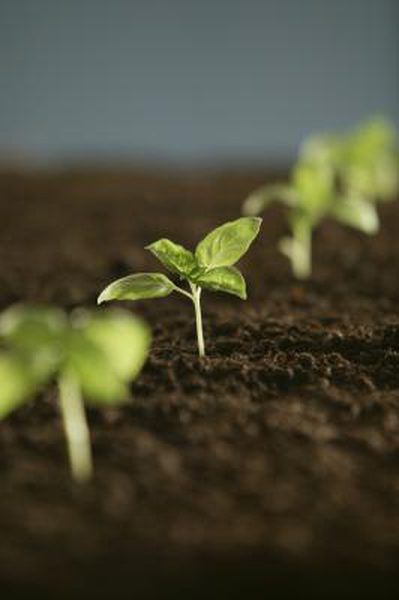
The mature height and mature width of your plant will greatly affect the way you position your plant in your landscape.
Although it is possible to prune your plant if it is too tall to accommodate your landscape needs, it is important to remember that this will limit the growth and development of your plant and will require more maintenance on your part.
When choosing plants, take the time to research the mature size of your plants.
Go out and measure the area that needs to be planted to determine the number of plants that will be needed.
You’ll be glad you took the time to “measure twice and plant once!”
When planting, your spacing will depend on the mature width of your plants. You can also plant multiple plants by measuring their mature distance “on center.”
For example, if your shrub

Leave a Reply