1. Improve Soil Health:
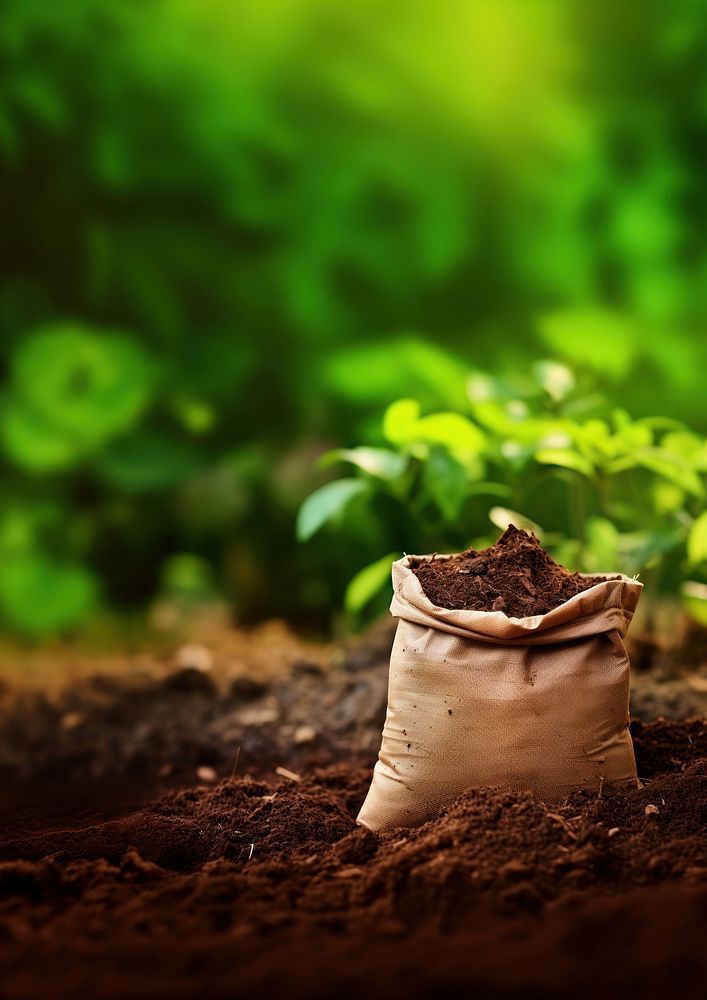
2. Use Quality Seeds:
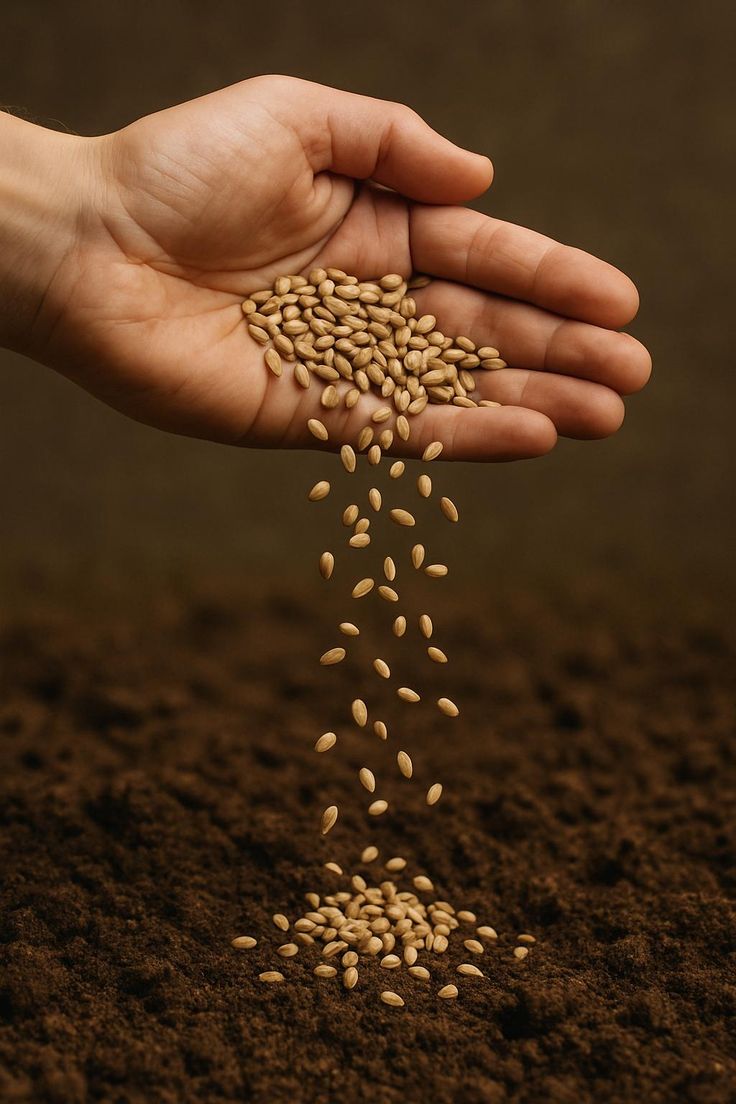
Seeds are the spine of any shape of farming. they may be worried in figuring out how a whole lot a positive crop can yield and how well it could withstand certain diseases and exceptional sorts of weather and soil situations. As the world wishes food, farmers should use desirable–first-class seeds that allows you to ensure their farming is a hit and profitable.
Why Seed Quality Matters:
The success of a harvest depends on the type of seeds used in a large way.
The benefits of good seeds: Good seeds have several benefits. First, a good seed should be clean. It should have the right genetic composition. For example, foundation seeds should have at least 99.5 percent purity in genetics. Similarly, breeder seeds should have 100 percent purity. Certified hybrid castor seeds should have at least 85 percent purity, certified hybrid seeds should have 95 percent purity, and certified hybrid cotton seeds should have 90 percent purity.
Good seeds are free from diseases that spread through seeds.
The success of a harvest depends on the type of seeds used in a large way. The benefits of good seeds: Good seeds have several benefits. First, a good seed should be clean. It should have the right genetic composition. For example, foundation seeds should have at least 99.5 percent purity in genetics.
Similarly, breeder seeds should have 100 percent purity. Certified hybrid castor seeds should have at least 85 percent purity, certified hybrid seeds should have 95 percent purity, and certified hybrid cotton seeds should have 90 percent purity.
Good seed varieties are also free from weed seeds.
Farmers may get weed seeds mixed with their crop seeds. These weed seeds look similar to the crops they are planting, so they are difficult to identify.
Even though these weed seeds may look innocent, they can disrupt the growth of these crops. These weed seeds take water and nutrients from these crops. At times, they can even harm humans and animals.
Weed seeds include Convolvulus arvensis, wild paddy, wild lettuce, and wild cucurbits, etc. When buying seeds, their purity must be ensured. Experts examine the level of impurity in these seeds. Materials, other crop seeds, and weed seeds reduce the quality of these seeds, decrease the harvest, and increase the cost of farming, etc.
Improved Yield Potential:
Better seed genetics can lead to harvests. Farmers who use hybrid or improved seeds often get more crops than those using traditional seeds. This leads to food and more money for farmers.
The Evolution of Seed Technology:
Over the years, seed technology has improved a lot.
Some of the developments include:
Hybrid Seeds: These are created by crossing plants to improve traits like higher yields and better disease resistance.
Genetically Modified Seeds: These are altered to resist pests, tolerate herbicides, or survive weather. Seed Coating Technology: Seeds are treated with things like fertilizers, growth stimulators, and pesticides to help plants grow better from the start
Seed Coating Technology: Seeds are treated with things like fertilizers, growth stimulators, and pesticides to help plants grow better from the start.
Sustainable Farming Through Quality Seeds:
Using seeds helps make farming more sustainable.
It reduces the need for pesticides and fertilizers. It also makes use of land, so less forest land is needed for farming. It makes water use more efficient with the help of drought-resistant varieties. Seeds are really important for farming. Seeds help farmers grow food with less harm to the environment. Seeds are the key to farming.
3. Efficient Water Management:
Water control is set to planning, controlling, and dispensing water in a manner that helps crops grow well while using as little water as possible. More than half of the arena‘s food comes from a few types of water management gadgets, and drought causes greater harm to vegetation than all diseases combined. However, many farmers nonetheless use the equal watering habit regardless, even though this may cause either not sufficient water or too much, each of which is wasteful. Getting water control right allows for numerous critical goals straight away: it makes sure crops get the proper quantity of water at the right times, saves water for later use, lowers charges, and continues to keep the soil healthy by averting both too little and an excessive amount of water.
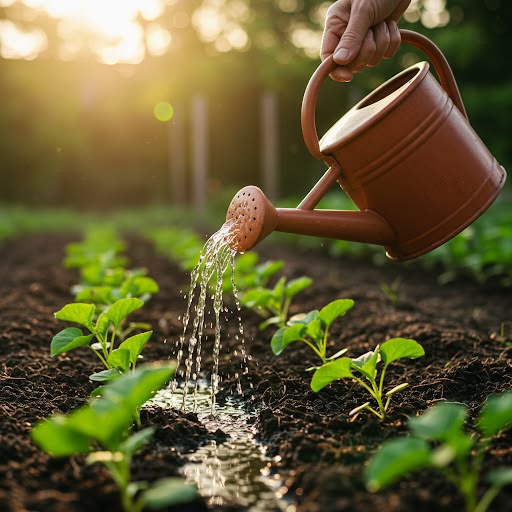
Irrigation:
Watering too early makes use of up water that would be stored, and waiting too long can strain the flowers after they need it the most. Irrigation scheduling is a manner of figuring out when and what sort of water to use based on how much water is inside the soil around the roots, how much the plant life wants, and different things like how much salt wishes to be washed out.Soil Moisture:
They help improve crop yield, make grain first-rate, store water and power, and decrease the loss of nutrients. These sensors are available in two main types: those that measure the real amount of water within the soil and those that measure how difficult it is for plant roots to get water. Each type gives farmers real-time facts to make clever choices rather than just guessing.Symptoms of Overwatering :
Extra water can pop out through the leaves at nighttime, and when it reabsorbs, it could bring dirt and germs into the plant, destructively affecting nearby cells. The rims of the leaves may additionally grow to be gentle, in contrast to plants that are underwatered. Every other sign is when the entire leaf turns yellow or loses its green shade, which may be flawed for a dry plant, but it is sincerely due to bad fuel alternate within the roots.If a plant is overwatered, you may nonetheless keep it if you catch it early.
Instant action, like repotting and careful watering, can help. The PlantIn app has a complete guide on supporting a plant to get over water problems.
Signs of Underwatering:
Wilting is the principal sign of not sufficient water, where the leaves lose their firmness because the cells can’t preserve onto water. The leaves may also turn yellow or brown because the roots can not deliver sufficient water, especially in older leaves, and this worsens as the plant turns into extra dehydrated. Sluggish growth is another sign, as water is needed for the plant to function. Light or dry soil is also a sign, particularly in pots where the soil has too many air spaces.To store an underwatered plant, you need to rehydrate the soil so the roots can drink once more.
For pots with drainage holes, submerge the pot in water for about 10 mins. Smaller pots would possibly need much less time if they could be soaked completely. Take the pot out while the effervescence stops. For pots without drainage, water from the pinnacle and permit any excess to drain by way of leaning the pot on its side.
4. Crop Rotation:
Crop rotation is a way of growing crops one after another on the same land. This helps make the soil healthier. It also helps use nutrients and fight against pests and weeds.
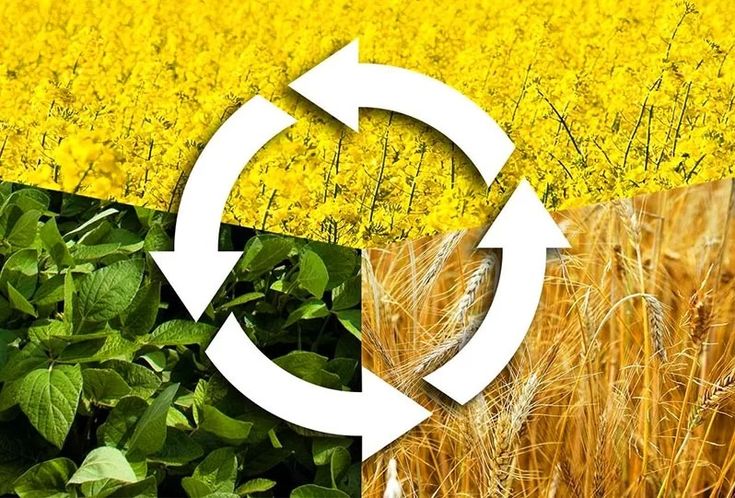
This practice helps put nutrients into the soil without using artificial chemicals.
It also helps stop pests and diseases from spreading by breaking their life cycles. It improves soil health by using types of roots. It also increases the variety of plants on the farm.
The soil benefits a lot from having crops. The helpful insects and pollinators that live above ground also benefit.
Different crops need nutrients. They are also affected by pests and diseases. Changing the crops in an area can help prevent the soil from getting used up. It can also lower the need for pesticides and fertilizers.
When done properly, it can also reduce erosion. It can raise the variety of plants. Improve the quality and fertility of the soil. This method also raises the amount of carbon in the soil. When combined with farming methods that don’t disturb the soil much, it can greatly help in capturing carbon. Reduce the effects of climate change.
Although how crop rotation is practiced can differ, the basic ideas remain the same: switch between crops with traits.
For example, one year you might plant crops that add nitrogen to the soil. The year you could grow crops that use a lot of nitrogen.
You might also alternate between crops that grow in rows and those that are grown as sod. Between crops that attract certain insects and those that don’t. Between plants that suppress weeds and those that don’t.
Many farmers rotate different crops in a row.
Benefits of Crop Rotation:
1. Improve Soil Structure
When soil gets compacted, it can stop plant growth. This happens when people walk on the soil or when heavy machinery is used.
- Crop rotation improves soil texture. It does this by alternating crops with roots that reach depths.
- Poor soil structure can slow down plant growth.
2. Increase Soil Fertility
- Growing the crop repeatedly can reduce the amount of essential nutrients in the soil.
- Crop rotation helps restore these nutrients. For instance some crops can boost potassium levels. This can then be used by peas or corn, which need potassium to grow.
- Using manure can also improve soil fertility. It can increase the diversity of bacteria in the soil more effectively than inorganic fertilizers.
3. Stop the Build-Up of Pests and Diseases
Crop rotation helps protect plants from pests and diseases.
- These issues can live in the soil. So switching up the crops each season can prevent them from getting established.
- Some plants are resistant to diseases. So growing these plants can help control the spread of pests and diseases.
5. Intercropping & Companion Planting:
One way that organic farmers can increase their diversity of plant species is through companion planting. Companion planting not only promotes plant diversity, but it also helps to increase soil health. This increase in soil health translates to increased nutrient levels for plants.
Some plants are placed within a larger crop. Cabbages may be interspersed among pumpkin plants. Cabbages tend to attract aphids, while pumpkin plants generally do not attract aphids. An example of another combination of plants that grow well together is a combination of maize, runner beans, and pumpkins.
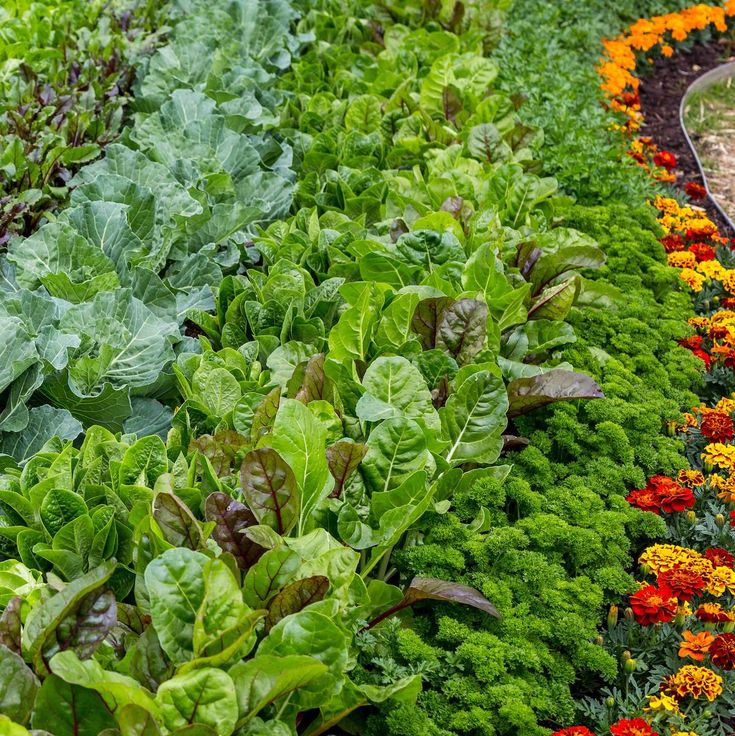
The beans provide nitrogen to the soil, the maize provides trellis support for the beans, and provides physical protection against squash vine borer for the pumpkins. The pumpkins provide ground cover to reduce weed growth.
Not all combinations of plants complement each other; some combinations can actually hinder the growth of each other. An example of a combination of plants that do not grow well together is beans and onions or fennel; another example is cabbage and tomatoes.
Some plants, like rosemary and African wormwood, repel certain insect pests.
On the other hand, some plants (like carrots, fennel, and yarrow) will attract beneficial insects (like wasps, lady beetles, and hoverflies). Many herbs can be used as companion plants. A complete list of types of plants that can be used as companion plants is found in the table below.
6. Mulching:
Mulching helps defend the soil by way of performing like a blanket. It shields the floor from extreme weather and helps maintain the soil wet and at a constant temperature. This smooth and powerful approach includes setting substances over the soil floor. Natural mulches are things like straw, wooden chips, grass clippings, and leaves, while inorganic alternatives include plastic sheets and landscape cloth.
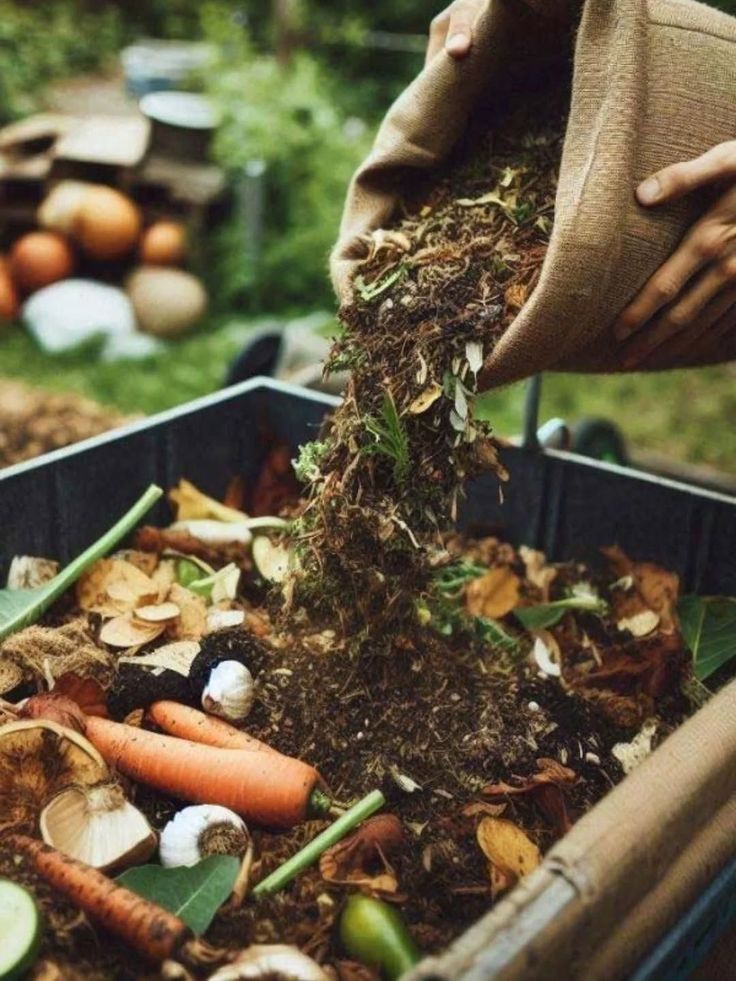
Mulching offers many benefits.
It reduces water loss with the aid of slowing down evaporation, which is in particular helpful at some stage in hot and dry durations. It additionally facilitates altering soil temperature, preserving it hotter in winter and cooler in summer, which is better for plant roots. Moreover, mulch prevents weeds from developing, which means that there is much less competition for water and vitamins.
When organic mulch breaks down, it provides useful nutrients to the soil, enhancing its fertility and structure.
This process additionally encourages the growth of beneficial soil organisms and enhances the soil’s capability to hold onto water and vitamins.
To get the high-quality effects from mulching, spread a thick layer, typically about 2 to four inches, for correct coverage. Make certain to leave some area across the base of the flora to avoid trapping moisture and inflicting rot.
Growing extra crops evidently isn’t only a wish—it is a practical and sustainable goal. By looking after the soil, using water accurately, and supporting a variety of lifestyles, you could create a wholesome, effective farm that works nicely with nature.
7. Harvesting:
Crops must be harvested on time so that they will produce their maximum potential yield and income after they have reached physiological maturity. The harvesting of crops, animals, and fish refers to their collection when ripe, for human usage.
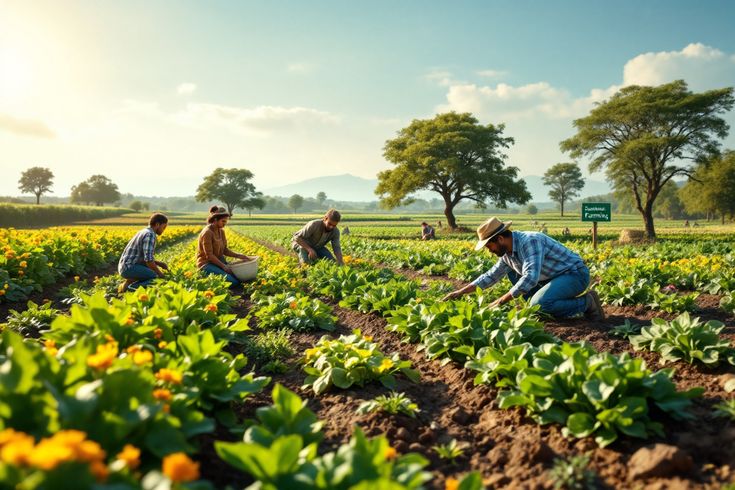
There are many crops harvested during the fall, including apples, winter squash (pumpkins, acorn squash), and potatoes.
Best practices include certain established methods for reducing damage to harvested crops during collection and storage.
Best practices also contribute to reducing losses and maintaining crop quality.
To maximize success in these methods, two of the most critical factors to consider will be moisture content and the condition of the crop. Additionally, various conditions of color, smell, and the presence of insects must also be considered before harvesting or collecting crops.
Each of these conditions directly affects the overall quality of the harvested crop, which correlates directly to the price of that crop.
Hand harvesting of crops is generally less expensive than using machinery to harvest. However, the latter option usually incurs higher costs than hand harvesting.
There are also many similarities in the growing conditions of maize, sunflower, and soybean plants.
The timing and planning of storage or delivery of crops is equally as important as “when” to harvest.
Delaying your harvest could result in seed loss. Delaying your harvest reduces your yield due to the loss of harvested seed.
8. Composting:
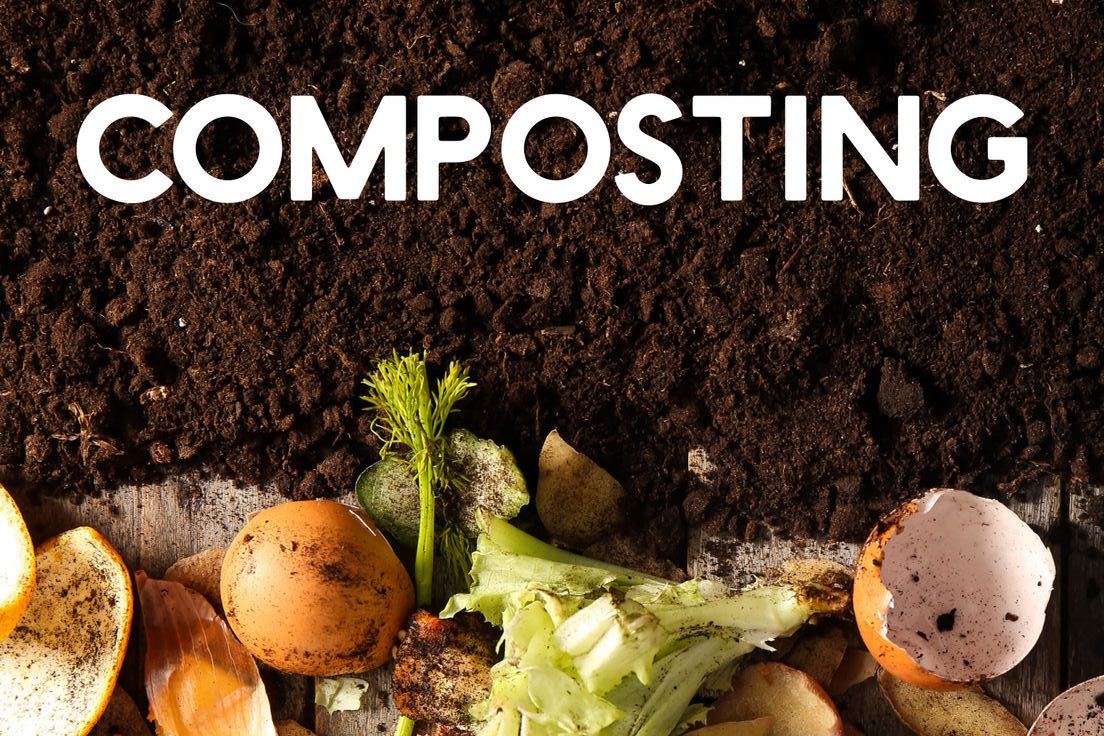
Composting: think about composting as adding a brand new tool to your orchestra, enriching your soil with diverse nutrients. Recycling natural waste, consisting of vegetable scraps, leaves, and manure, might also make a great, nutrient-rich soil change. Compost improves the shape of the soil, holds onto more water, and offers your vegetation a slow-release supply of nutrients.
9. Proper Sunlight Exposure :

Plants are dependent on sunlight for energy for their growth and health. Without sufficient light, plants cannot perform the critical functions vital to their growth and high crop quality.
Providing Adequate Sunlight to Crops:
Plants require 6 to 8 hours of direct sunlight each day to achieve healthy growth. Plants derive energy through the photosynthetic process from sunlight, allowing them to produce their own food.
Sufficient sunlight will produce plants with strong stems, healthy leaves, and greater yields. Without adequate sunlight, plants will be weak, have yellowing leaves, and have reduced yields. Planting in a location that receives sufficient sunlight for specific crops is critical since different crops require different amounts of sunlight.
Leave Sufficient Spacing Between Plants:
The amount of space in between plants is vital so that plants will receive ample sunlight.
If plants are planted too close to each other, they will block sunlight from reaching the lower levels of the plants. This will result in uneven growth among the plants, and the plants will compete for light. Leaving proper spacing between plants will also aid ventilation, which reduces disease risk.
10. Soil Checking:
Agricultural productivity depends on the excellent condition of the farmland, and a soil check can well timed file a trouble in crop boom conditions. Area suitability analysis enables picking the appropriate vegetation or determining land use for farming.
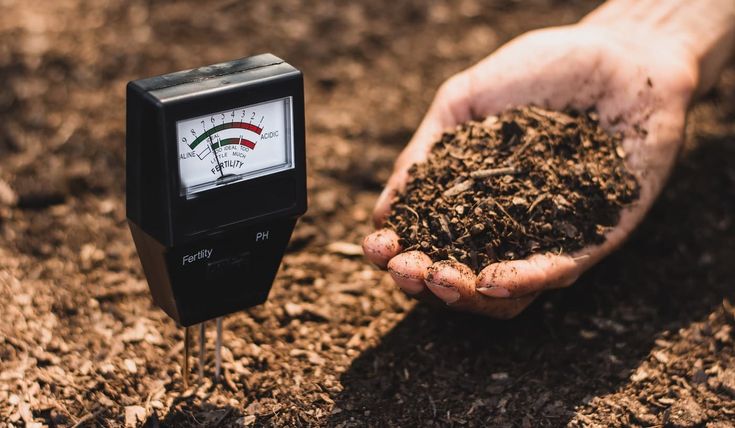
Normal soil checking out is ultimately crucial, not only for growers. However can provide treasured subject insights to all agribusiness gamers, which include agri-coops, crop insurers, banks, input providers, or commodity buyers.
Nonetheless, unique laboratories describe most effectively the modern-day subject properties. It is the farmland analysis for multiple parameters like chemical content, toxicity, pH degree, salinity, earth-living biota, and so forth.
Such checks also provide data on chemical infection, humic or organic content, electric conductivity, cation exchange capacity, and other physical and chemical properties.

Leave a Reply