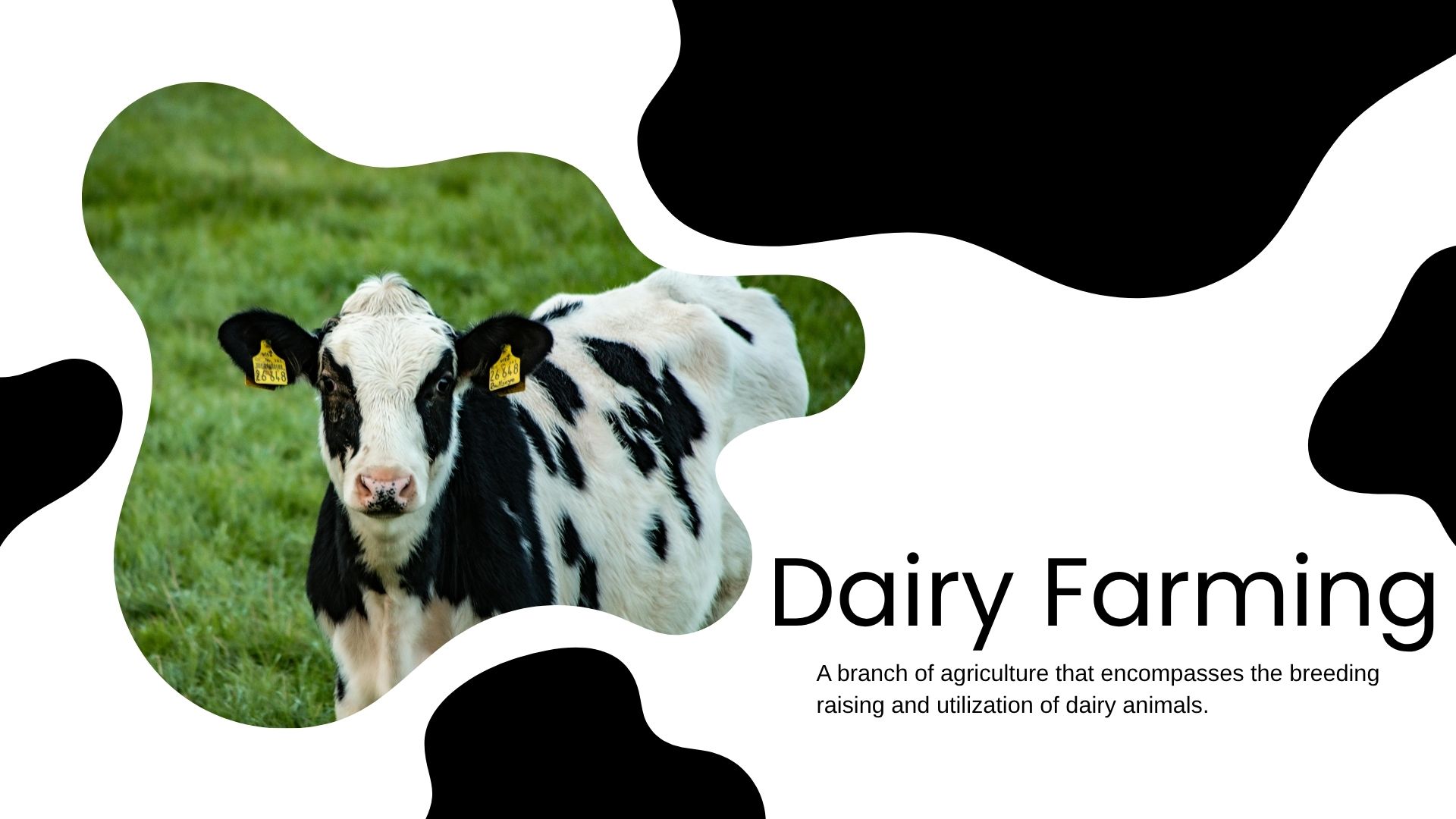
Modern dairy farming has revolutionized the milk production process by incorporating enhanced technology, improved practices of animal welfare, and advanced farm management techniques. These methods enable the farmer to produce more milk, keep the animals healthier, reduce expenditure on labor, and retain the high-quality standards of milk. Modern dairy farming has come to be more efficient, cost-effective, and environmentally friendly as a result of technology and innovation.
What are dairy farm types?
There are four main types of dairy farms, except for the small farms that produce milk just for the few cows they keep.
Freestall Dairies:
Freestall dairies are farms with barns where cows are allowed to move around freely. The stalls provide a comfortable resting area for the cows.
Tiestall Dairies:
Tied dairies use a system in which each cow is tied to a stall. This prevents them from moving and leaving their stall.
Drylot Dairies:
Drylot dairies are outdoor, unpaved areas where dairy cows are confined. They aren’t allowed to roam outside the compound.
Pasture-based Dairies:
Pasture-based dairies are farms where cows are kept in open fields where they can walk around freely on grass.
Dairy farming techniques:
Proper Nutrition Management:
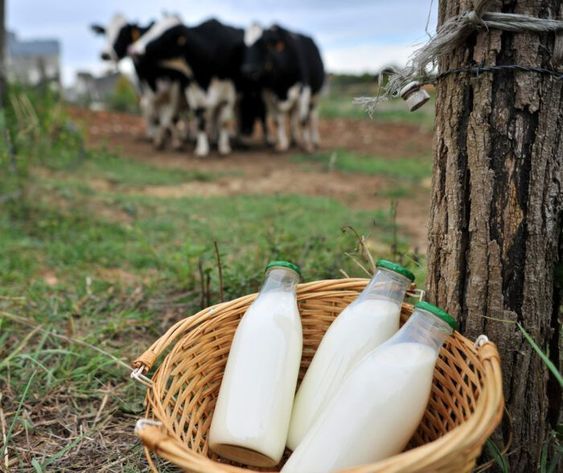
Dairy animals need a balanced nutritional diet to remain healthy and produce more milk.
Modern dairy farms employ scientifically formulated feed that has the right amount of proteins, vitamins, minerals, and energy. Farmers also use silage, green fodder, and nutritional supplements to improve animal health and the quality of milk.
Milking Pipeline:
The milking pipeline is a pivotal invention in dairy farming that conveys milk from a cow to a particular tank through safe and speedy means. Usually, a milking pipeline is made out of stainless steel, so as to ensure high levels of cleanliness and to avoid contamination. The pipeline leads from a milking machine attached to the cow’s udder to a cooling tank where the milk is stored at an optimum temperature.
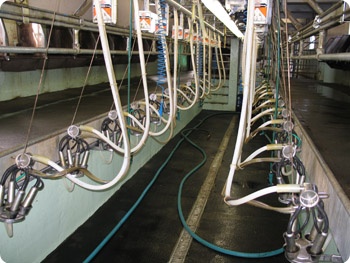
This system eliminates or reduces the need for manual handling of milk, thus maintaining a higher hygienic standard and better quality of milk. In most cases, a portable pipeline is used in smaller dairy farms and moved around the milking cows. In larger dairy farms, they usually install fixed pipeline systems where the cows are brought to automated milking stations for faster and more efficient collection of milk.
Fully Automated Robotic Milking:
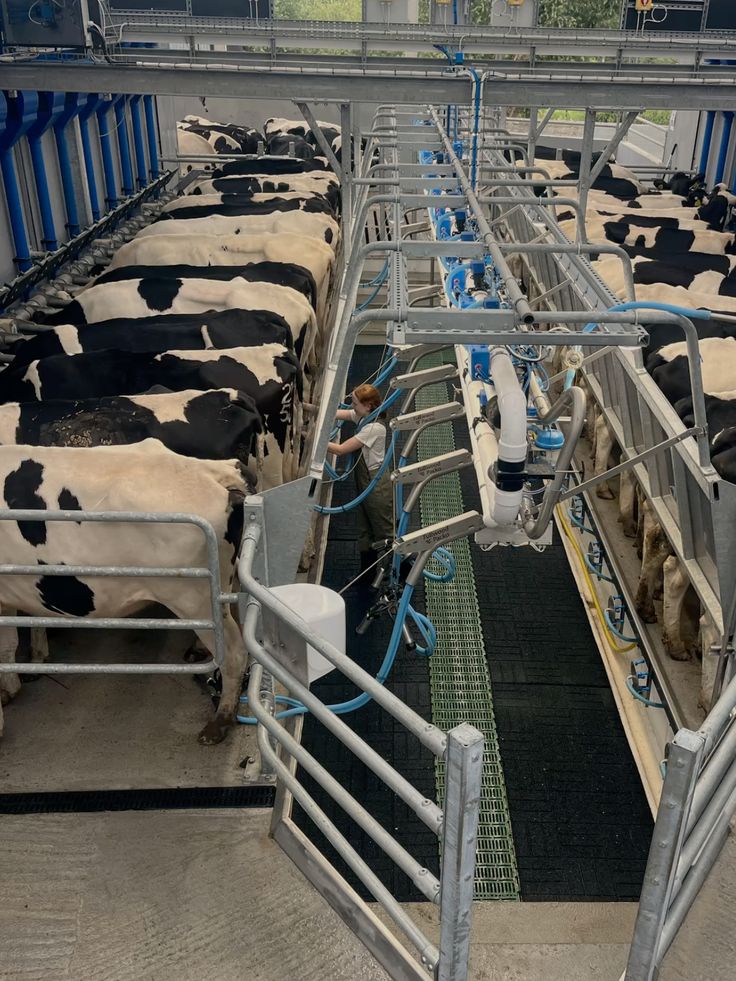
Fully automated robotic milking systems rely on collars worn by each cow, which indicate whether she is due for the milking process. When a cow is ready to be milked, she is allowed into the milking parlor where her teats are cleaned, and contact apparatus are attached. She is then released back into the general population once the milking process is over.
Advanced Breeding Techniques:
Advanced breeding techniques have a major influence on improving the quality and productivity of dairy animals. The most common advanced breeding mechanisms employed by modern dairy farms include artificial insemination and selective breeding to produce stronger, healthier, and more milk productive cattle. Artificial insemination enables farmers to harvest the genetic material of elite bulls without housing the animals on the farm, thus cutting costs and optimizing breeding efforts.
Selective breeding involves selecting animals with desirable characteristics such as high milk yield, resistance to diseases, rapid growth, and improved fertility. These, over time, help create newer breeds of animals that can produce more milk and effectively cope with environmental variations. Application of advanced breeding methods also helps minimize risks related to inherited diseases and other health issues in animal populations, improving overall health status and longevity potentials among dairy animals.
Milking parlors:
The milking parlors are the specific locations in dairy farms where cows are milked. They vary widely in this regard. In most dairies, cows are herded into one place and then milked, and some of these places even rotate to work on the cows more efficiently.
Automatic milker take-off:
Automatic milker take-offs have a flow sensor that is able to determine when the flow is decreasing so that the farmer does not overmilk their cow.
Improved Housing and Hygiene:
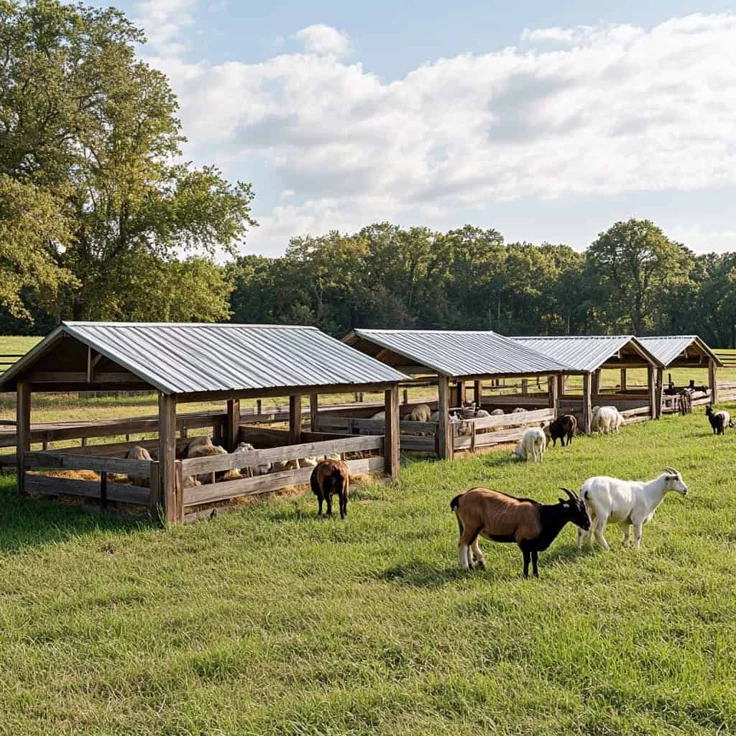
Modern dairy farms are aimed at offering clean, comfortable, and ventilated shelters for the animals. Proper housing also protects dairy animals from infections. Clean water, dry bedding, and regular sanitation are essential elements of modern dairy farm management.
Disease Prevention and Veterinary Care:
Regular veterinary checkups, vaccinations, and proper hygiene practices prevent diseases in dairy animals. To prevent disease, dairy animals should undergo regular veterinary checkups, be vaccinated, and have their hygiene maintained.
Conclusion:
Modern dairy farming methods are not only enabling farmers to produce better quality milk faster, but they are also ensuring greater animal welfare and environmental safety. By using not only high technologies but also an adequate nutritional base, intelligent control systems, and overall better management of dairy farms, this industry becomes more fruitful and profitable (AC Resolution Council, n.d.). The use of modern dairy farming methods will ensure that the growing demand for dairy products is met without compromising the future health of animals and consumers.





Leave a Reply