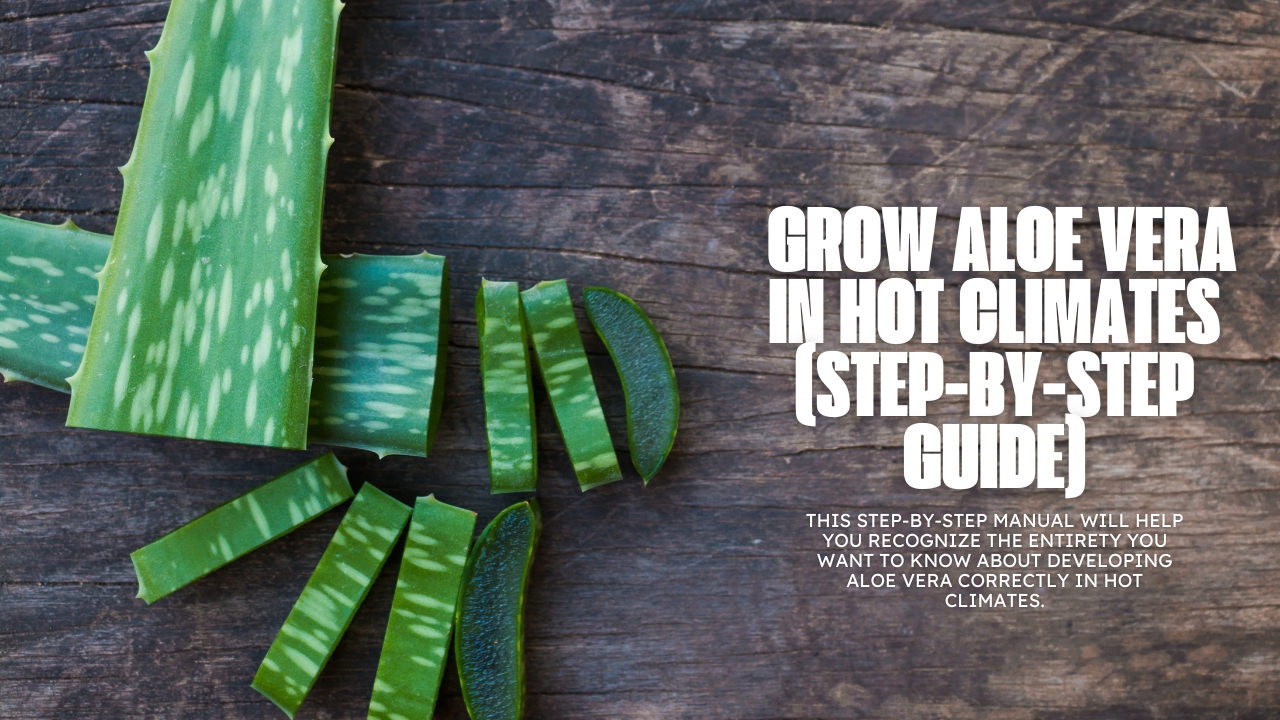
Aloe vera is one of the most famous plants for warm and dry climates because it can survive in excessive temperatures with little or no care. This hardy succulent stores water in its thick leaves, making it distinctly drought-tolerant and best for areas with severe sunlight and occasional rainfall. In addition to being easy to grow, aloe vera is broadly valued for its natural medicinal and skin care benefits.
Even though aloe vera prospers in warm weather, it still requires the proper stability of sunlight, soil, watering, and safety from severe heat to develop properly. An excessive amount of water, bad drainage, or excessive direct sunlight can damage the plant and lead to issues, including root rot or sunburned leaves.
Through following the right developing techniques and simple maintenance recommendations, you may successfully grow healthy, sturdy, and long-lasting aloe vera plants in your lawn, balcony, or indoor containers. This step-by-step manual will help you recognize the entirety you want to know about developing aloe vera correctly in hot climates.
Aloe vera Care & Developing Manual:
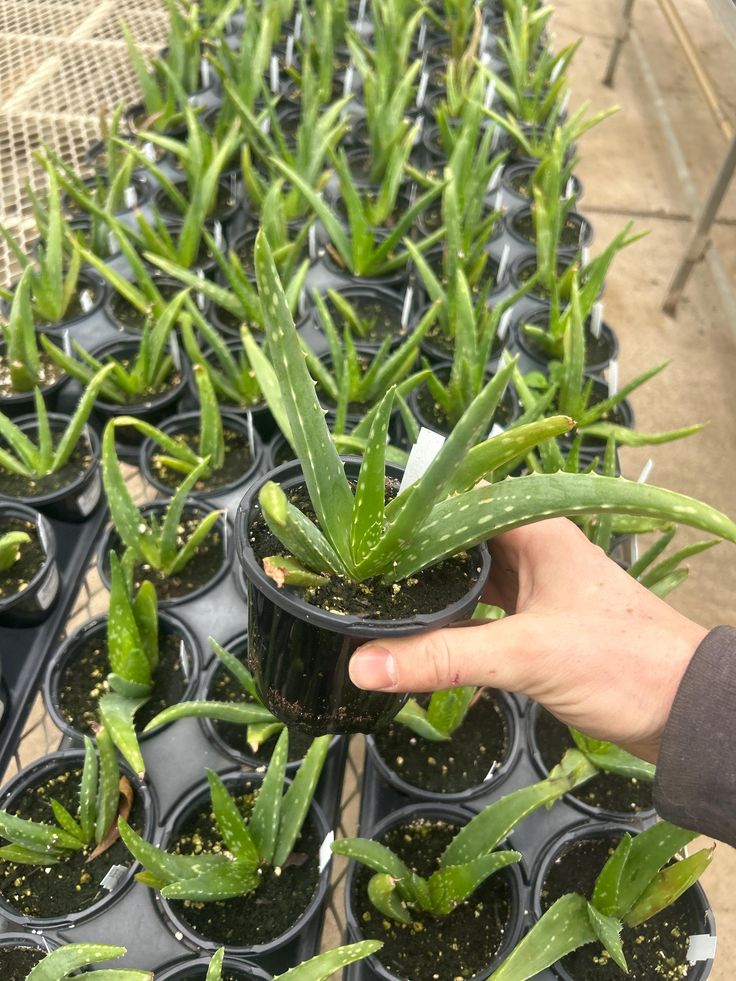
Looking after Aloe vera is straightforward, which makes it a high-quality plant for both seasoned gardeners and new ones.
It’s a tough plant that can deal with exceptional conditions but does well when given the right care.
First, it’s critical to apply soil that drains properly.
You can purchase a cactus or succulent blend, or make your own by way of combining regular potting soil with sand or perlite. In the vicinity of the plant, which gets vivid, oblique sunlight. Aloe can take care of a few direct solar, but too much could make the leaves turn brown.
Watering is prime for Aloe vera. These plant life don’t want a lot of water and like to dry out between waterings. An excessive amount of water is a common problem and may cause the roots to rot. A terrific way to water is to provide it a deep soak, then wait till the soil is completely dry before watering again. In the wintry weather, water is even less because the plant slows down its growth and requires less moisture.
1. Choose the Right Location:
The sunlight should be bright but not too direct on the aloe-vera plant. It can tolerate some direct sun, especially in cooler climates, but an abundance of sunlight causes the leaves to turn brown/yellow. It is best to expose the plant to 6-8 hours of bright indirect light daily.
Signs of insufficient light imply elongated, weak leaves and a dull color. The plant may also start bending towards the source of light. In contrast, signs of excessive light exposure include dried out, brown, and crispy leaves at the extreme ends.
If natural lighting is not at optimal levels, artificial grow lights can be used to supplement it. For plants that are exposed to an excess of direct sunlight, it is important to move them slightly away from windows or install a sheer curtain to filter the incoming light. If the brightness of natural light is insufficient, you may also use artificial grow lights.
2. Soil:
Aloe vera grows well in soil that drains water quickly with a pH between 6.0 and 8.5, which is slightly alkaline. A soil mix for cacti or succulents works well. You can make your own mix by combining regular potting soil with coarse sand or perlite in equal parts. This helps prevent water from collecting in the soil, which can cause the roots to rot.
The best soil for Aloe vera should be loose. Have holes in it to let water drain quickly and allow air to reach the roots. Adding compost can make the soil more fertile. Don’t add too much because Aloe vera prefers soil that is not too rich.
Soil problems like drainage can cause root rot, which is a common issue with Aloe vera plants. If the soil is too dense, it can prevent the roots from growing. Make the plant unhealthy. If the soil pH is too low, it can affect how well the plant absorbs nutrients. Also, salt can build up in the soil from using too much water or too much fertilizer, which can harm Aloe vera. To prevent these problems, use the soil mix, pots with holes in the bottom, and flush the soil with distilled water now and then to prevent salt from collecting. Aloe vera prefers well-draining soil and proper care to thrive. Aloe vera needs soil to grow well.
3. Choose the Right Pot:
If you are growing aloe vera in bins, selecting the proper pot may be vital for healthy growth. Aloe vera vegetation does not like extra moisture around its roots. A proper pot enables the disposal of greater water speedily and stops root rot, particularly in hot climates.
Satisfactory Pot sorts
Clay Pots
Clay pots are one of the satisfactory picks for aloe vera because they’re porous. This means air and moisture can pass through the pot walls without difficulty.
Benefits:
allows the soil to dry more quickly
Prevents overwatering problems
keeps roots cool in a warm climate
Improves airflow around roots
Terracotta Pots
Terracotta pots paintings further to clay pots and are top notch for succulent vegetation like aloe vera.
Benefits:
Absorbs excess moisture from soil
Reduces probabilities of fungal illnesses
strong and sturdy for outside use
supports healthy root improvement
Those pots are especially useful in regions with severe heat since they help control moisture, certainly.
Extensive and Shallow packing containers
Aloe vera roots unfold more horizontally than deeply. wide and shallow pots offer enough area for root increase and permit the plant to produce child aloe plants, additionally known as domestic dogs.
4. Water Properly:
Aloe vera needs to be watered a little or a moderate amount. Since it is a succulent, it keeps water in its leaves. Can survive without water for some time. The thing to do is water it a lot but not very often. Let the soil get completely dry before watering it again.
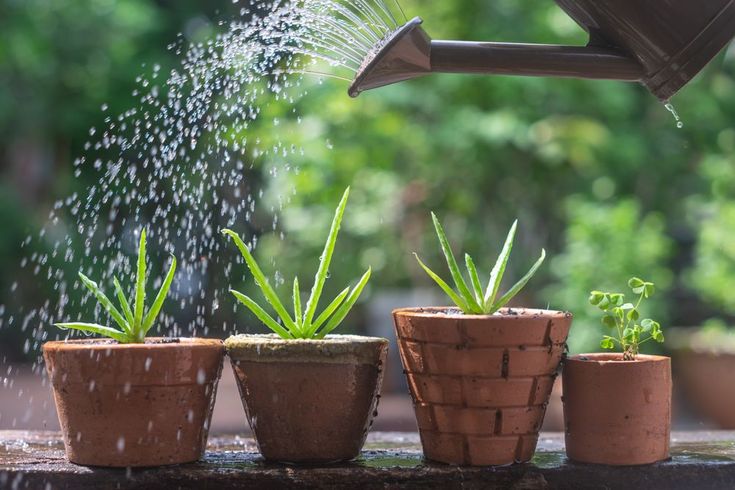
Usually, you should water your Aloe vera every two to three weeks when it is growing, which is in the spring and summer. When it is not growing, which is in the fall and winter, you should water it often, like once a month or even less. This can be different depending on the environment it is in.
Aloe vera likes water that’s at room temperature. It can handle water from the tap. It might not like the fluoride and chlorine in it, so it is better to use filtered or distilled water. This is especially true if you see the tips of the leaves turning brown.
If you do not water your Aloe vera enough, its leaves will be thin. Curled up, and the tips will be brown and dry. If you water it too much, its leaves will be soft and mushy, and they might turn yellow. If you see these things happening, you should change how often you water it.
The amount of water Aloe vera needs can change at times. For example, a new Aloe vera plant might need to be watered a little often until it gets established. A big plant, in the winter, will need a lot less water.
5. Protect from Extreme Heat:
Aloe vera can handle some temperature fluctuations, but sudden changes should be avoided. When moving the plant outdoors for summer or indoors for winter, do so gradually to allow it to acclimate.
To protect Aloe vera from extreme temperatures:
1. In hot weather, provide shade during the hottest part of the day.
2. In cold weather, move the plant away from cold windows and drafts.
3. If growing outdoors in a borderline climate, plant near a south-facing wall for added warmth and protection.
4. Use frost cloths or bring plants indoors if freezing temperatures are expected.
Remember, while Aloe vera prefers warm temperatures, it’s more tolerant of cool conditions than extreme heat, especially when combined with high humidity.
Fertilize Lightly:
Aloe vera is a plant that’s easy to take care of, and it does not need a lot of fertilizer to be healthy. If you give it too much fertilizer, it can actually hurt the plant and cause it to grow weakly, get brown tips on the leaves, or damage the roots.
Best things to use to help aloe vera grow:
* Compost
* Special fertilizer for cactus or succulent plants that has been watered down
These things give aloe vera the food it needs to have healthy leaves and roots without giving it too much.
When to give aloe vera fertilizer:
You should give aloe vera fertilizer about once every two or three months when it is growing a lot, which is usually in the spring and summer.
Do not give aloe vera fertilizer in the winter because it does not grow much during this time. If you live in a hot place, just giving it a little bit of fertilizer is enough to keep the aloe vera plant healthy and strong.
7. Harvest Aloe Vera:
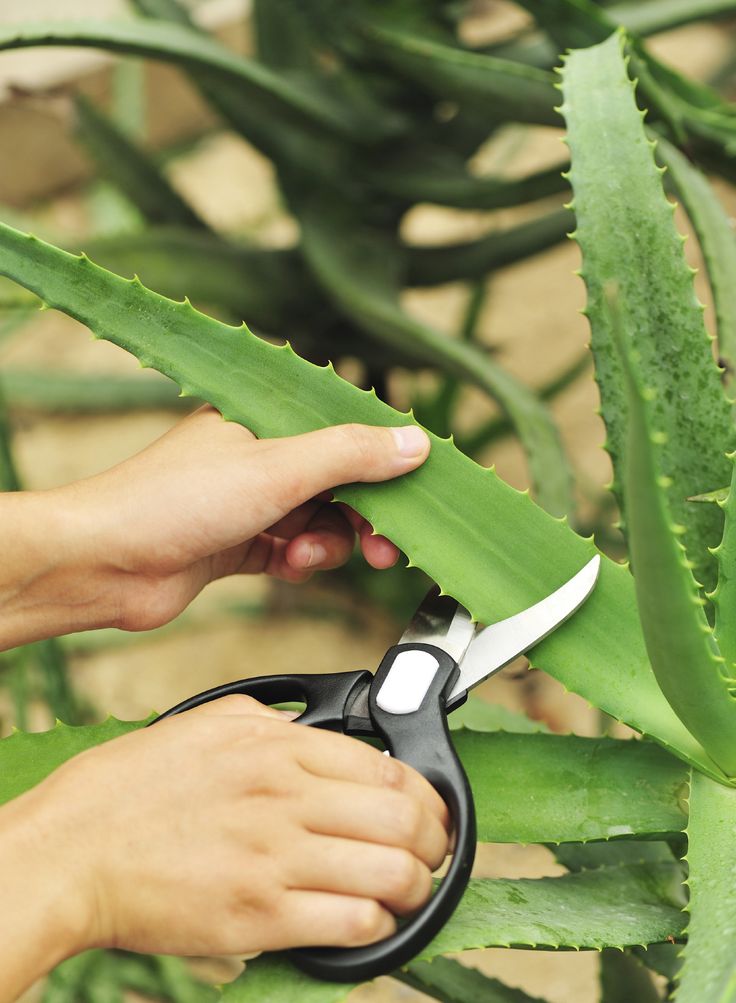
Aloe vera leaves can be harvested as soon as the plant turns mature and wholesome. To harvest properly, cut the outer leaves close to the base the usage of a easy and sharp knife. The outer leaves are older and comprise more gel, whilst the inner leaves need to be left to continue growing. Avoid removing too many leaves at one time because the plant needs time to recover and stay healthy. Sparkling aloe vera gel may be used for skin care, minor burns, hair care, and lots of natural domestic treatments. Proper harvesting facilitates the plant continue developing robust and produce new leaves.


Leave a Reply