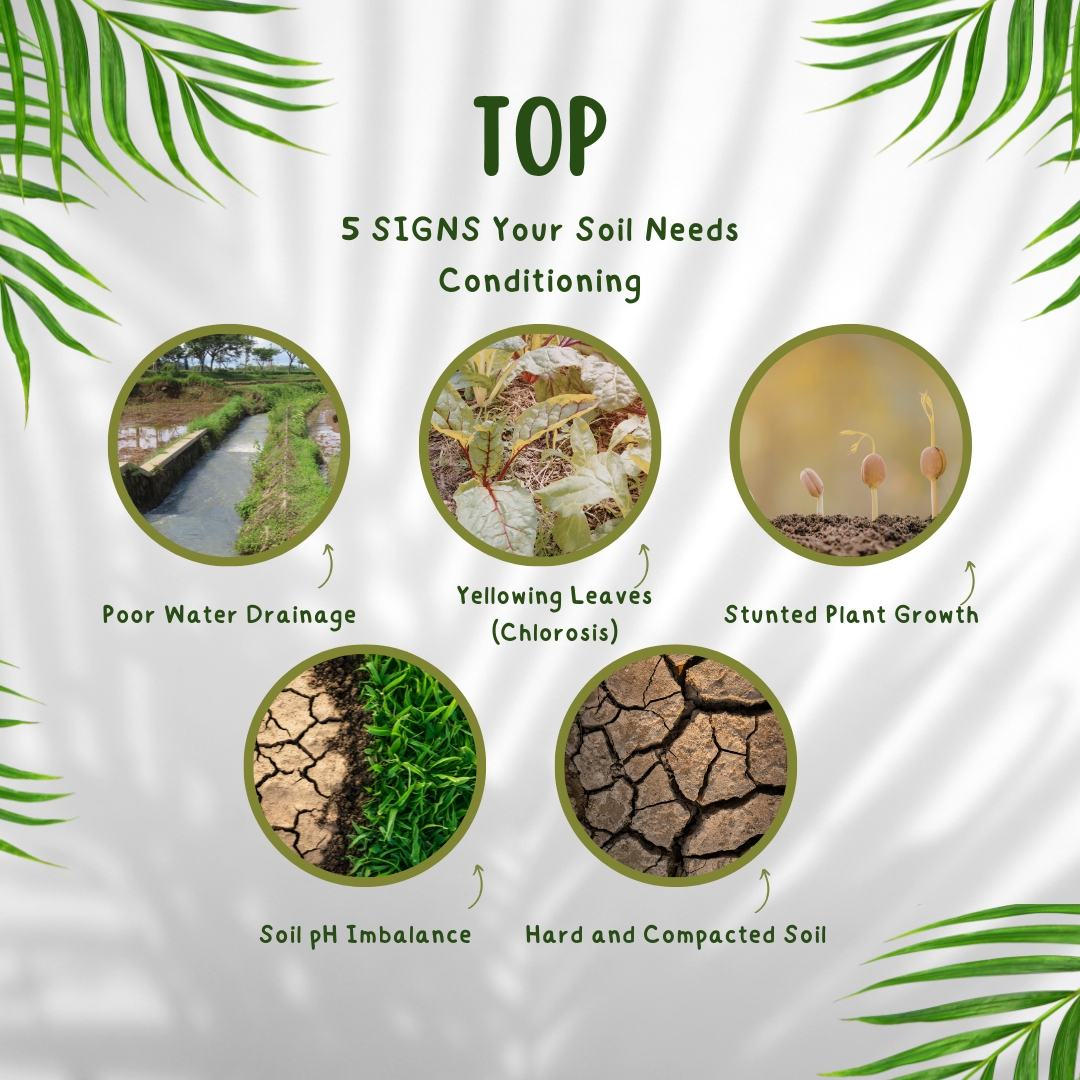
The basis of a productive garden or farm is healthy soil. Not only that, but the plants also develop weak roots when the soil is out of balance. In this case, soil conditioning helps improve soil structure, fertility, drainage, and the overall health of plants. Early signs of unhealthy soil can save your plants and restore productivity naturally.
Or rather, as gardeners and landscapers, we know that healthy soil is the foundation of a thriving garden or landscape. But sometimes, even the most experienced gardeners can face soil problems. Whether it’s stunted plant growth, yellowing leaves, or poor drainage, these subtle signs can point to underlying soil issues that require attention.
Here are 5 hidden signs that your soil needs some help, and how to fix each of them (based on soil test results).
Top 5 Signs:
1. Poor Water Drainage:
Poor water drainage is one of the surest signs that your soil needs conditioning. Poor water drainage is one of the clearest signs that your soil needs conditioning. Poor drainage means water is trapped in the soil for a long time, which does not create a healthy environment for plant growth.
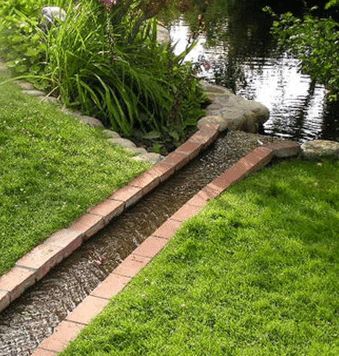
This problem is very rampant in heavy clay soils since the soil particles are packed close together. The available space does not allow for the passage of air and water. This problem is very common in heavy clay soils, as the soil particles are packed together, leaving little room for air and water movement. This excess moisture over time kills roots and causes weak plants.
Common Signs of Poor Drainage
Waterlogging Around Plant Roots
Root rot
The soil feels sticky and heavy.
Plants begin to wilt even though there is enough water.
How Soil Conditioning Helps
Soil conditioning alters the structure and texture of the soil, allowing water to flow naturally. By adding organic materials, small macro-spaces are created within the soil structure that enhance drainage and aeration.
Effective Soil Conditioners
Composting.
Compost improves soil structure and boosts microbial activity. It not only breaks up compacted soil but also improves water balance.
Coco Peat.
Coco peat helps the soil hold just enough moisture without causing waterlogging. Coco peat also enhances aeration among roots.
Well Rotted Manure.
Organic manure not only adds nutrients but also loosens up the heavy soils, making it easier for roots to grow and for excess water to drain properly.
Mulch.
Mulch protects the soil surface from soil compaction due to heavy rain. Besides, it maintains a healthy moisture level.
2. Yellowing Leaves (Chlorosis):
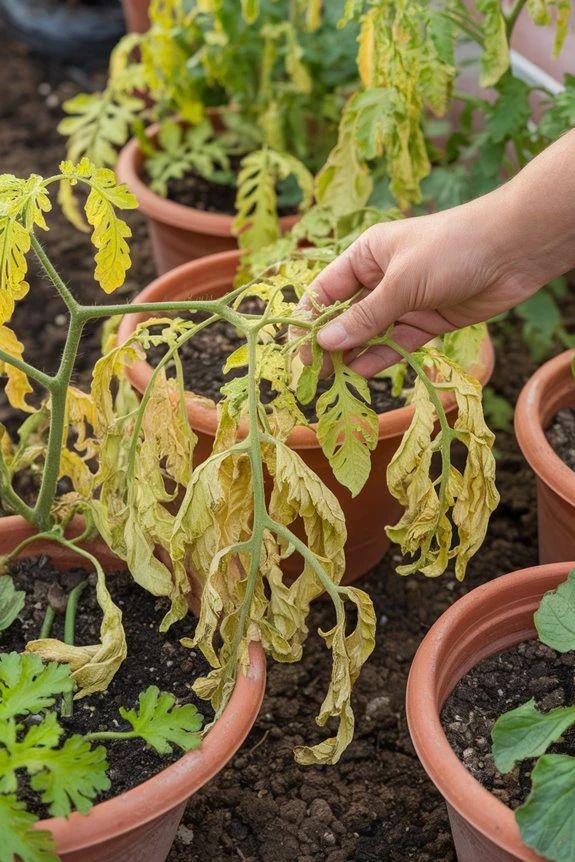
Sign: Yellowing leaves, especially in younger leaves, can indicate a lack of essential nutrients such as iron or magnesium in the soil.
Solution: Test the soil for nutrient deficiencies, paying particular attention to micronutrients like iron and magnesium. If the soil test confirms a deficiency, apply a micronutrient-rich fertilizer or foliar spray to correct the problem. Additionally, consider incorporating organic matter into the soil to improve nutrient availability and uptake by plants.
3. Stunted Plant Growth:
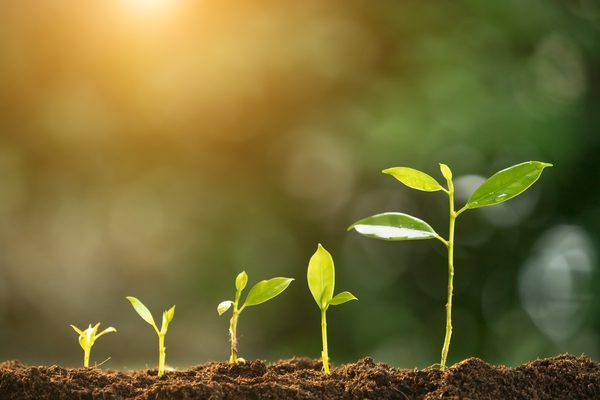
Stunted plant growth is a common indicator that your soil needs conditioning or a nutrient boost. Primarily, plant growth is considered abnormally slow or stunted if the expected size of a certain plant species is not attained within a given time frame.
Healthy soil supplies plants with oxygen, water, nutrients, and room for roots to grow. Plants cannot develop properly when there is no one of the factors; their growth is weak and limited.
What Does Stunted Growth Look Like?
Visible Symptoms on plants due to poor soil conditions include: Smaller than normal leaves, spindly stems, stunted growth Light green or yellow color of plants’ leaves, fewer flowers or fruits; Roots growing in unsatisfactory proportions or poor root development; Uneven growth in the garden. Sometimes the plants survive but never reach their full size or maximum productivity.
Solution: This calls for a soil test to determine the missing or unbalanced nutrients. Correct deficiencies by amending the soil with the correct fertilizers or other soil amendments based on the outcome. For instance, in case of low nitrogen levels, you can apply a nitrogen-based fertilizer to stimulate healthy plant growth.
4. Soil pH Imbalance:
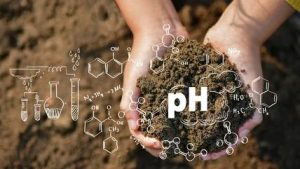
Sign: Soil pH imbalance can manifest itself in a plethora of symptoms, including stunted growth, nutrient shortage, and the yellowing of leaves.
Solution: Soil pH testing should be conducted to establish whether the soil is too acidic or alkaline. Based on the results, liming or sulfurizing the soil to raise or lower the pH levels, respectively. It is important to observe recommended amendments and conduct regular pH assessments to ensure balanced soil pH levels.
5. Hard and Compacted Soil:
Hard and compacted soil is a common problem affecting healthy plant growth. This means air, water, and roots have very limited space to move around. Plants tend to weaken due to a lack of sufficient nutrients.
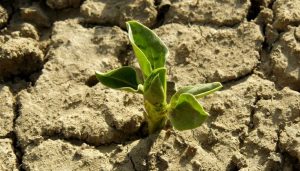
When dried, compacted soil feels like cement and is not easily dug. This problem is usually developed through heavy foot traffic, overwatering, or less organic matter in the soil.
Signs of Soil Compaction!
Difficulty in inserting a shovel or gardening tools into the soil. Plants grow slowly or become unhealthy. Pooling of water on the surface rather than infiltration. Shallow-rooted plants rather than deeply rooted plants. Poor circulation of air around the roots.
Why It Is Harmful?
Plant roots require loose soil to spread out and absorb nutrients, oxygen, and water adequately. In a compacted soil, roots will not be able to spread enough, and this weakens the entire plant. There is less beneficial microbial activity that supports healthy soil.
Solution:
Introducing soil conditioner can help loosen compacted soil and change its natural structure.
Compost
Compost contributes organic materials that loosen the soil and make nutrients available to plants.
Gypsum
Gypsum breaks apart aggregates of heavy clay soil and enhances water movement.
Mulch
Therefore, mulch protects the soil surface, inhibits hardening, and helps to maintain moisture balance.
Regular soil conditioning allows the aeration of the soil, an opportunity for roots to grow deep into the soil, and better conditions for replenishing the soil with nutrients.
Best Materials for Soil Conditioning:
Some effective natural soil conditioners include:
Compost
Coco peat
Gypsum
Mulch
Aged manure
Biochar
Leaf mold
These materials improve soil texture, water retention, drainage, and microbial activity naturally.
Conclusion:
Don’t let Inherent Soil Deficiencies sabotage your garden or landscape!
“By recognizing the signs of soil distress and taking proactive steps to alleviate them, one can ensure healthy, thriving plants and outdoor spaces”.
Whether it is stunted growth, yellowing plants, poor drainage, soil pH problems, or weed problems, there are solutions for them using the soil test results.
By conducting regular soil tests and implementing appropriate soil amendments and management practices, you can ensure that you maintain optimal soil health to create a flourishing garden or landscape.
So roll up your sleeves, get your hands dirty, and let’s give your soil the help it needs to support your green dreams!

Leave a Reply