A potted lemon tree brings a spirited zest and an aromatic fragrance to the indoors. These wonderfully compact citrus plants are excellent for any cramped or congested area or a place experiencing cold weather, as they grow well indoors with adequate attention. Garden lovers, therefore, are presented with an alternative option to grow lemon trees.
Their shiny, dark green leaves and bright, cheerful fruit make lemon trees in pots and containers useful and attractive elements, with the advantage of regularly supplying lemons for cooking and baking.
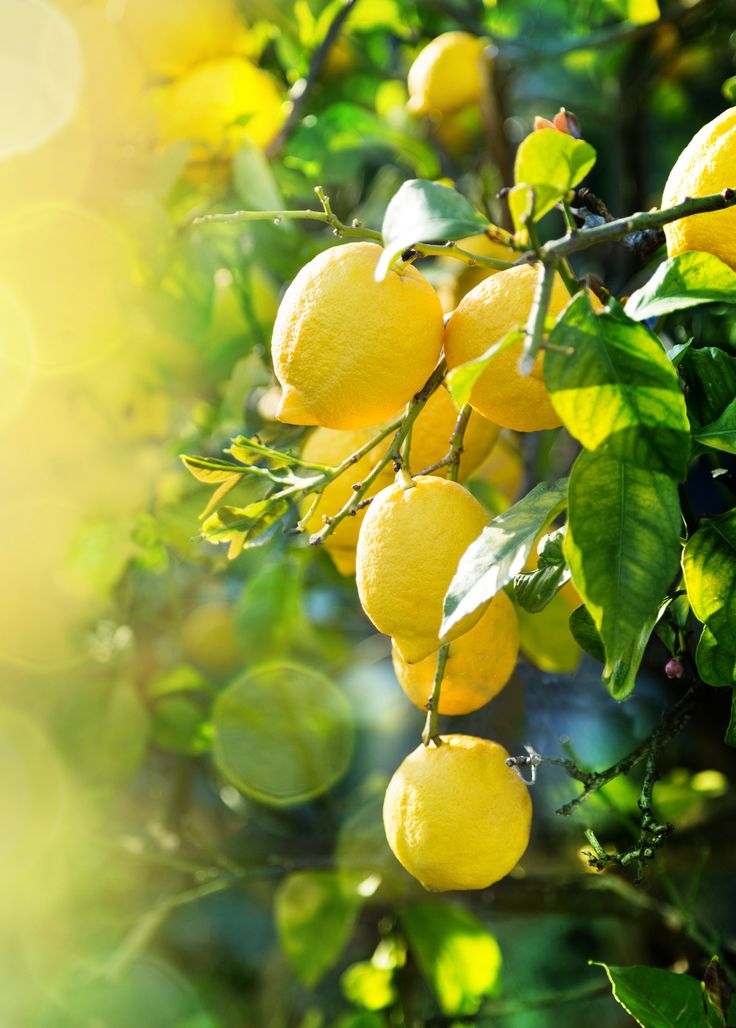
They are capable of combining ornamental and practical benefits with proper care, making them a focal point inside a house. Lemon trees can be grown at home for more than just ornamental purposes, especially if you live in a warmer climate or if you don’t have a lot of room to cultivate trees in the ground. Container gardening can also ensure that one has access to fresh, organic lemons even when one is utilizing a balcony, a terrace, or a small outdoor space.
This complete guide will take you through everything you need to know to grow lemon trees in containers successfully.
Why Grow Lemon Trees in Containers?
One advantage of growing citrus in containers is that the plants can be moved indoors in case of prolonged freezing temperatures. Dwarf citrus trees, grafted onto rootstocks to control the tree size, are more suitable for container growing and are also able to produce fruit more quickly.
Choosing the Right Container:
Most citrus plants grow into attractive small trees/shrubs that are 1.5 meters (5 feet) tall and are well-suited to container planting. However, certain types of citrus are more difficult to manage, so one needs to study their specific needs carefully to ensure successful cultivation. In short, some varieties of citrus are harder than others, and if you are not sure about the requirements, it is better to stick with a thoroughly researched variety like lemons. Certain kumquats, some limes, and calamondin oranges can also be grown with relative ease.
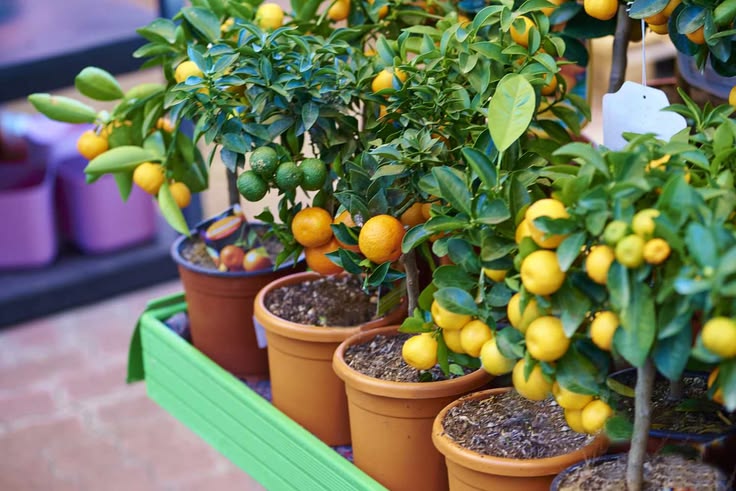
The size and material of a container rank among the essential factors for successfully growing citrus in pots. Therefore, if one buys a plant in a 5-gallon pot, which translates to 12 inches in diameter, they must find another container that is twice that size to accommodate root and tree growth, or 24 inches in diameter.
Light-colored plastic pots with wheels and drainage holes are the best option because they are light and do not heat up in summer. The wheels on the pots allow for the easy movement of the plant indoors in case of temperature changes. Lightweight resin and fiberglass planters are also great options. Their weight, however, means that one has to consider putting them on plant dollies to make it easier to move them around.
Best Soil for Lemon Trees:
Lemon trees are very sensitive to the type of soil they’re growing in, especially when they’re planted in pots. That’s why it’s important to use soil that drains well and has enough nutrients.
1. Why This Soil Mix Works:
Garden Soil:
This is the main part of the mix.
It gives the soil its structure and has natural minerals that help the plant grow. But on its own, garden soil can get too tight, so it needs to be mixed with something lighter.
2. Compost:
Compost is full of nutrients like nitrogen, phosphorus, and potassium.
It helps the soil be more fertile, supports strong root growth, and helps the plant grow better and faster. It also helps the soil keep the right amount of water without getting too wet.
3. Sand:
Sand helps the soil drain better and stops it from becoming too heavy.
Lemon tree roots don’t like to stay in water, so sand helps water flow out quickly, which lowers the chance of roots getting rotten.
Sunlight Requirements:
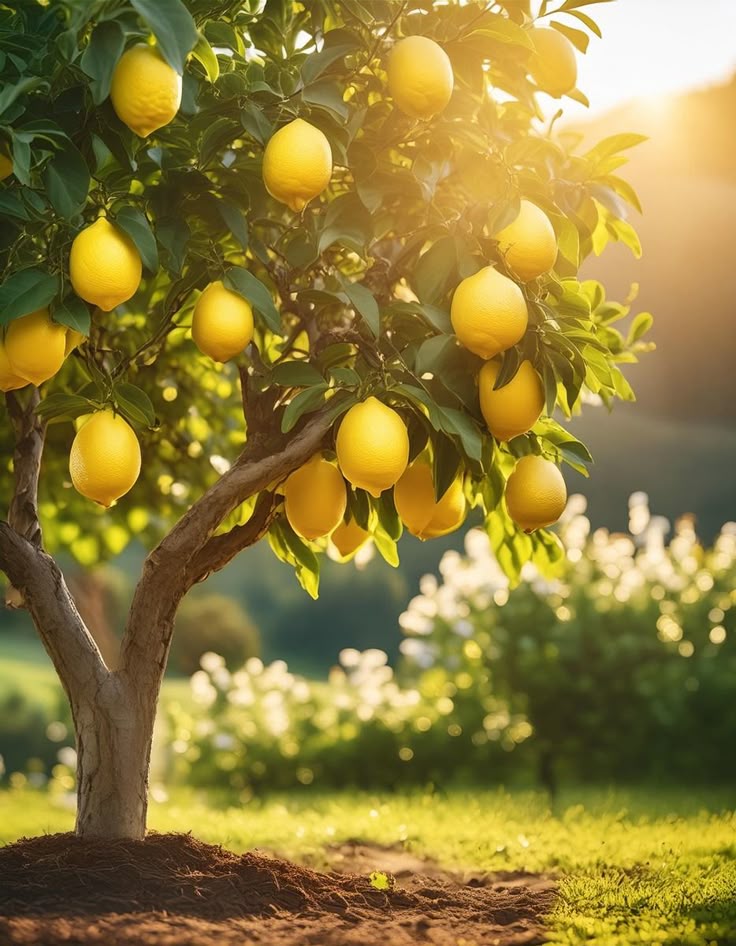
Our citrus we’ve got planted within the floor can handle the whole day solar, however, it was too much for this potted lemon tree. The warmth is intense and stresses it out. So we moved it to a section of the lawn that gets sun for approximately 2/3 of the day, then remains in shade. This aggregate labored excellently because the tree was still able to get great morning and afternoon solar till 2 pm; however, it was able to keep away from the acute late afternoon sun. Citrus desires at least six to 8 hours of shiny, daily light — more is better. Putting bushes close to southern or southwest home windows works nicely. Remember, herbal light shifts with the seasons, so adjust for that reason. In case you‘re quick on daylight, grow lighting fixtures can make up the difference.
Watering Guide:
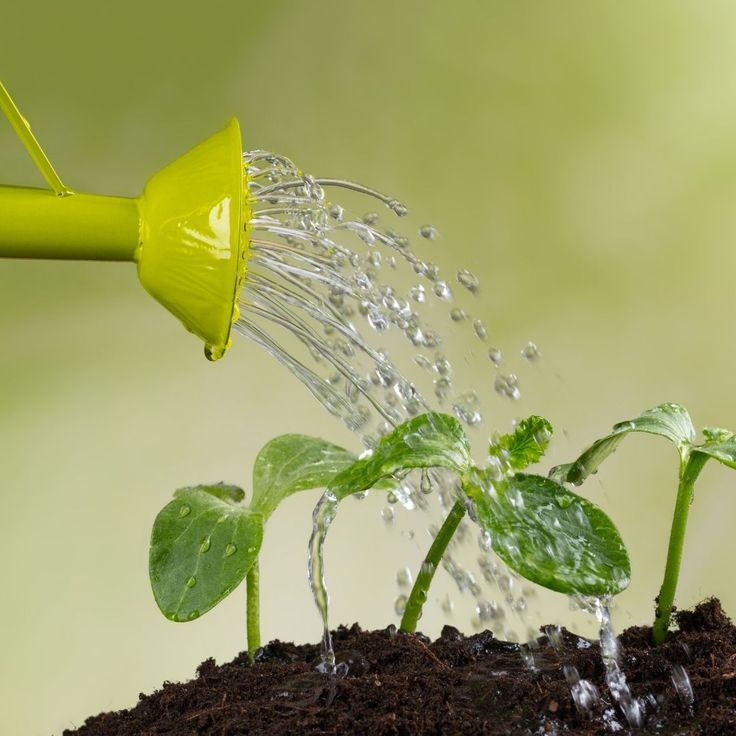
Since smart Pots are products of long-lasting fabric, their notable drainage gives them a massive advantage over plastic or terra cotta pots. Clever Pots additionally allow salts and chemicals from over-fertilizing to clean away, in preference to being caught in the bottom of the pot and burning the roots of your plant.
Regular fertilizer:
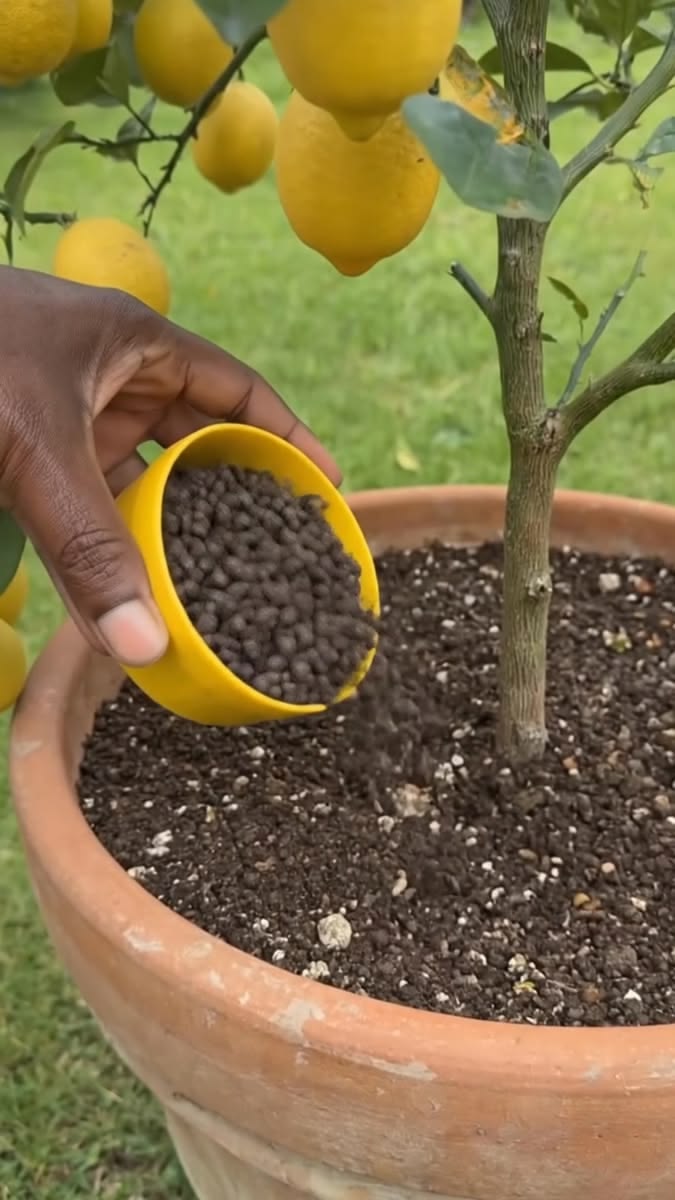
Remember that this tree is dependent on you for nutrients (and water) — its roots can’t go looking for other sources if you do not supply what it needs. That means that more frequent watering, which is registered for citrus in containers, makes fertilizer wash through the soil at a greater speed. Slow-release granular citrus fertilizers that contain trace minerals like iron, zinc, and manganese are suitable for citrus in containers.
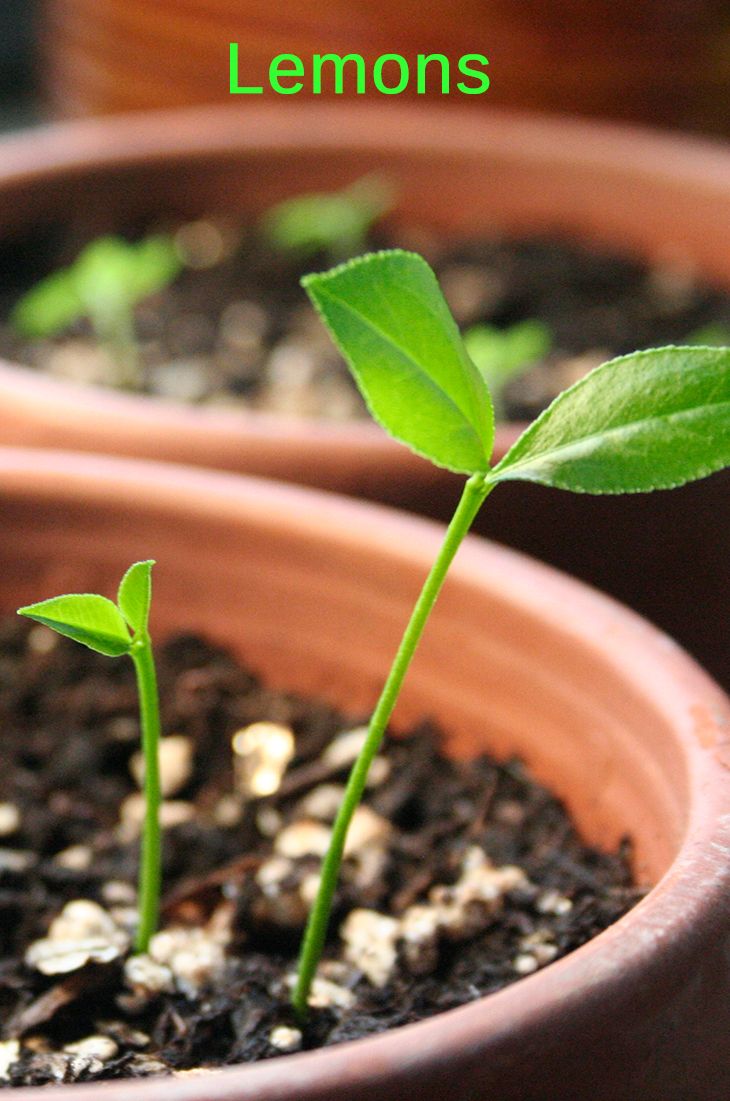
(For recommended amounts, follow labelled instructions.) Fertilize citrus in containers every other month during the growing season. Leaves turning yellow in this case can be due to a lack of fertilizer (or over-watering, see above).
Pruning & Maintenance:
Pruning or regular maintenance is crucial to ensuring a lemon tree remains healthy, well-shaped, and productive.
By removing dead, damaged, or weak branches on the plant, it can focus its energies on strong growth and fruit development.
Trimming overcrowded areas improves air circulation and allows sunlight to reach all parts of the tree, helping to prevent diseases and promote even growth.
Light trimming during the growing season promotes new shoots and chances of better fruit production. Overall, proper pruning not only improves the appearance of the tree but also enhances its long-term health and yield.
Common Problems & Solutions:
1. Yellow Leaves:
Cause: Overwatering or nutrient deficiency
Solution: Adjust watering and add fertilizer
2. No Fruit Production:
Cause: Lack of sunlight or nutrients
Solution: Increase sun exposure and feeding
3. Pests (Aphids, Spider Mites):
Use natural remedies like neem oil spray
Harvesting Lemons:
When to Harvest a Lemon:
The lemons are fully ripe and ready for harvesting as soon as they are yellow or yellow-green in color and firm. The size of the fruit will be 2 to 3 inches (5-7.5 cm). It’s better to pick when they are the right size instead of waiting for them to be completely yellow and worrying less about their color.
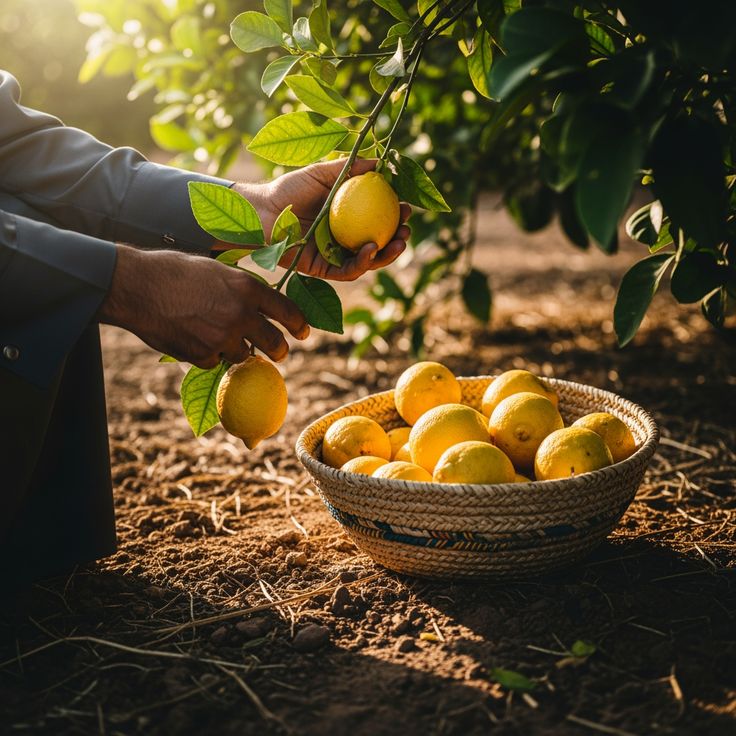
Also, lemons that have attained the right stage for picking have a slightly glossy look. Lemons are better picked too early than when they are ripe. They can ripen once they are off the tree if their shade is greenish-yellow. If they are squishy, one has waited too long.
How to Pick Lemons:
It is not a hard job to pluck lemons from a tree, provided that one does not hurt the tree in any way. Take the whole fruit in your hand and gently twist it until it comes off the tree. If it’s simpler, one can use clean and sharp hand nippers as well. Lemon picking is not difficult when a little knowledge about how to harvest a lemon is known, making this a simple job for even the most novice gardener.



Leave a Reply