The growing season in Dubai happens in a reverse way from places like London or New York. While the gardeners ‘choice of seed is planted in spring and the autumn, gardeners in Dubai start planting in October and peak in January, and by June, gardeners are only concerned with survival”. If one does it right, then one can have one’s own garden with basil, tomatoes, strawberries, and carrots. However, if the timing is off, your seedlings may die within a few days.
This Dubai planting calendar is the result of many years of experience in helping thousands of homeowners successfully grow their gardens. Each month is mapped out with temperature changes, planting schedules, harvest timings, and other factors that distinguish a well-kept garden from a costly mound of compost.
Dubai’s Three Growing Seasons:
People don’t rely on the four-season system anymore. There is a three-season in Dubai, which determine what to plant, when to prune, and how to protect the plants:
Farming in the UAE requires great planning because of the hot weather, desert conditions, minimal rainfall, and high evaporation rates. Seasonal calendar farming in the UAE must be organized with much caution, given the aspects of topography, climate control, and natural irrigation regarding its desert-hot temperature, meager rainfall, and astronomical evaporation rate.
October to March:
This is the best time for your plants to grow. The weather is warm, and temperatures vary between 18°C and 30°C. The air does not have high moisture, so it is comfortable. All kinds of things grow well here — vegetables, herbs, flowers, trees. If your gardening is limited to six months only, you should choose these months for it.
April to May and September:
The weather becomes hotter, touching above 35°C, or it ‘cools down’ below 40°C in September. These are the times to prepare the plants. You will be preparing your delicate plants to withstand the heat, planting different varieties of plants that can withstand the heat, and preparing your garden for the upcoming season.
Summer Survival: June to August
During the day, the temperature reaches 45 to 48 degrees Celsius. The air is like a hairdryer. These are not the days to sow new seeds – they are the days to protect the seeds you have already sown. The aim is to save your plants until the hot weather passes and the temperature starts dropping.
Month-Wise Farming Calendar:

January — top developing Season
Rainfall: 10mm (occasional mild showers)
January is the middle of Dubai’s developing season, and it’s the nearest component we have to a temperate spring.
In case you haven’t planted yet, you still have time—but it’s better to get started quickly.What to Plant:
Veggies: Lettuce, spinach, kale, radishes, peas, broad beans, broccoli, cauliflower, cabbage.
Direct-sow rapid–developing flowers like arugula and radishes for harvest in approximately 40 days.
Herbs: Coriander (cilantro), parsley, dill, fennel, chives.
Those herbs bolt quickly once the heat comes, so plant them now for an excellent harvest.
Vegetation: Petunias, marigolds, pansies, snapdragons, calendula, candy alyssum—all are at their highest throughout this month.
The slight weather in January gives roots a danger to settle in before the summer heat turns too excessive.
What to reap:
Early-sown radishes, lettuce, arugula, coriander, and spring onions.
Herbs planted in October or November are equipped for regular harvesting.
Throughout February to March — the warm Shift begins:
The moderate temperatures for the duration of this time help produce plants with better market value.March is a transition month.
The morning air is still pleasant, but the afternoon sun brings actual warmth. Clever gardeners use March to move from cool-season to heat-season gardening strategies.
What to Plant:
Vegetables: Transplant cucumber, courgette, and melon seedlings outdoors.
Start okra and eggplant seeds. Tomatoes planted in September or October need to now be generating fruit heavily.
Herbs: Basil and mint do nicely in the course of this time.
Plant lemongrass and rosemary as permanent perennials.
Plant life: transfer to warmness-tolerant varieties—desert rose (adenium), plumeria, lantana, and portulaca.
These will preserve your lawn colourful through to November.
Timber: That is the final desirable month to plant new trees before the summer season.
Neem, ghaf, frangipani, and moringa bushes establish properly when planted now.
What to harvest:
This is the height harvest month.
Tomatoes, strawberries, peas, leafy veggies, herbs, cauliflower, broccoli, carrots, and beetroot are all geared up to be picked.
Throughout April to May:
Throughout April to May, farming within the UAE enters a transition duration as temperatures start to rise sharply, increasing plant stress and water needs. The hotter conditions cause quicker evaporation, making efficient irrigation essential for preserving soil moisture.
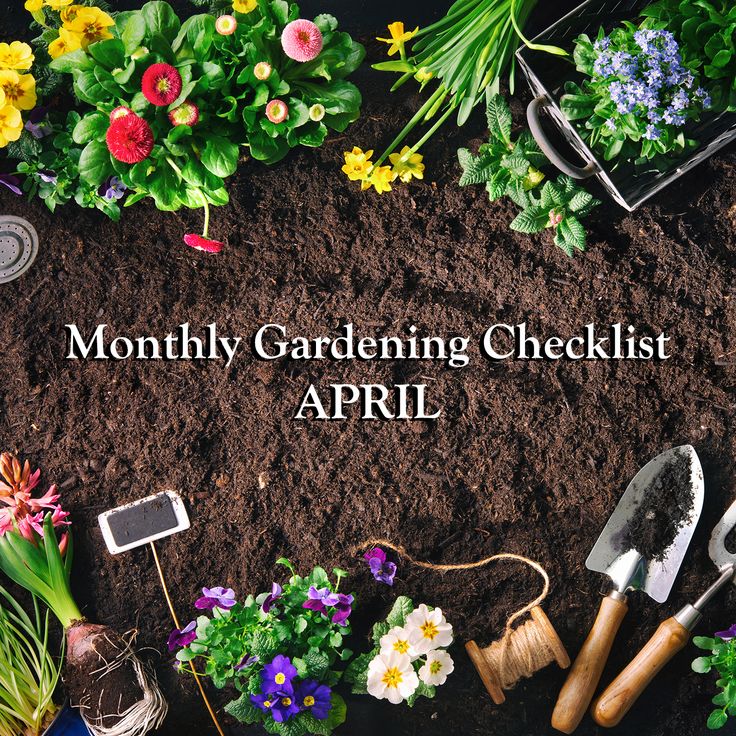
Planting spring flowers in the garden. Gardening tools and flowers on the soil
Farmers usually shift to warmth-tolerant plants, including okra, eggplant, and sweet potatoes, that may face up to hotter climates and keep growing productively. To protect vegetation from heat damage, the usage of color nets facilitates lessening direct daylight and decreasing field temperatures, whilst increasing irrigation frequency ensures flora gets enough water. Right soil management and moisture retention strategies at some stage in this phase are essential to sustaining crop health and preparing for the acute summer season ahead.
June — Survival Mode Begins
The furnace comes on. The furnace starts working; June is the month during which all the hardships are experienced in Dubai. Your garden is not growing, but coping with the situation.

What to Plant: No outside plants. This is the time to plan, research, and order seeds for the October planting season.
What to Harvest: Any okra left and any herbs that can tolerate heat and still be alive.
August — Light at the End of the Tunnel:
August feels just like much of July, but seasoned gardeners recognize that the season is nearing its change. By the end of August, the preparations become serious.
Planting Plan:
Indoors/Nursery: Sow seeds for tomatoes, peppers, and eggplants in the last week of August. Since these plants take a long time to grow fully, the seedlings should be ready in time to transplant them outdoors in October.
Seed Trays: Start sowing cucumber, pumpkin, and melon seeds in seed trays. Let the trays be kept in brightly-lit, air-conditioned rooms.
What to Harvest: Nothing outside.
Main tasks;
Start soil restoration: Put compost and old manure in the vacant garden beds. After that, leave it for 4 to 6 weeks before planting anything.
Check irrigation lines, fix them, clean filters, and replace broken emitters.
Cut off dead branches and old growth on perennials – new growth will come back once the heat subsides.
Water the garden in-depth to wash away salt that builds up from the summer watering.
Order seeds and seedlings to prepare for the busy autumn planting season.
September (Preparation Month):
UAE farmers perform preparation work for the next crop period in September. Testing the soil to see what nutrients it holds, the pH balance, and overall health is quite important at this stage. This helps farmers determine what kind of fertilizers or soil conditioners they need to implement. Compost or organic matter can be introduced to the soil to improve it, enable it to retain water, and enhance its structure. Also, land preparations like plowing, leveling, and others ensure the soil is ready for planting.
These lay a foundation to ensure farmers grow better crops and secure better yields when the main cultivation season begins in October.
October — The Golden Month
October takes up a single most important planting duty in the Dubai gardening calendar. (ibid)
What to Plant:
Vegetables: everything. Lettuce, spinach, kale, Swiss chard, radishes, turnips, carrots, beetroot, peas, broad beans, broccoli, cabbage, cauliflower, potatoes, onions, and garlic.
November — Garden Revival:
November is all about pleasure in gardening. Everything grows visibly day by day. There are also the results of the planting works you have done in November.
What to Plant:
Vegetables: Last chance for transplanting broccoli, cauliflower, and cabbage. Despite this, continue sowing lettuce, spinach, and radishes. Also, plant the cloves of garlic and onion sets.
December — Peak Beauty, Peak Harvest:
December is Dubai’s version of a flawless spring day – always. December is Dubai’s equivalent of a “perfect spring day” — every day (Gardening in Dubai, n.d.).
What to Plant:
Vegetables: Sow lettuce, radishes, and spring onions for more harvest. Plant potato tubers to harvest in March. Herbs: Continue the successions for coriander and parsley. Flowers: Plant cool-season annuals in any gaps that might exist. For flowers, it is the last comfortable month for planting new ones. Strawberries are also still possible for planting, but only if they are transplants, not seeds.
What to Harvest:
Tomatoes, peppers, eggplant, cauliflower, broccoli, cabbage, carrots, beetroot, peas, all leafy greens, herbs in abundance, and early strawberries.
Smart Farming Tips:

Use Greenhouses for Year-Round Production:
A greenhouse can be a controlled environment in which the temperature, humidity, and even light can be regulated efficiently.
They protect the crops from extreme weather conditions like heat and sandstorms.
This ensures the growing of crops in all seasons without any break.
Consequently, production is uniform and more profitable.
Apply Soil Conditioners Regularly:
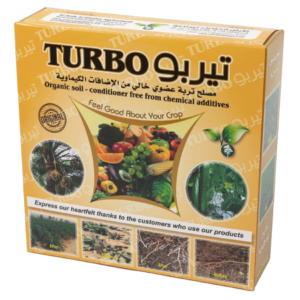
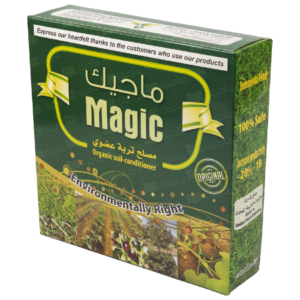
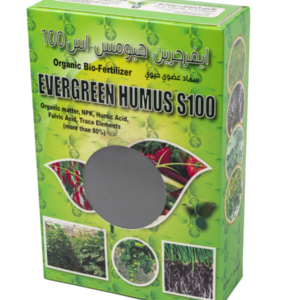
Periodic use of soil conditioners enhances the soil structure, thus aiding in maintaining soil fertility in the long-term.
They improve nutrient availability and beneficial microbial activity.
This culminates in healthier growth of plants and their roots.
The consistent application ensures long-term soil productivity.
Monitor Soil Moisture Levels:
Keeping tabs on soil moisture prevents both overwatering and drought stress.
It ensures that plants get the right amount of water at the right time.
Better moisture control means maintaining the health of crops and conserving water.
This is very crucial in dry climates.
Practice Crop Rotation:
“Crop rotation helps maintain soil fertility by rotating different crops.
It minimizes the risk of pests and diseases accumulating in the soil.
Some crops use and replenish different nutrients.
This practice improves the long-term health of soils and sustainable farming.

Leave a Reply