
Dragon fruit:
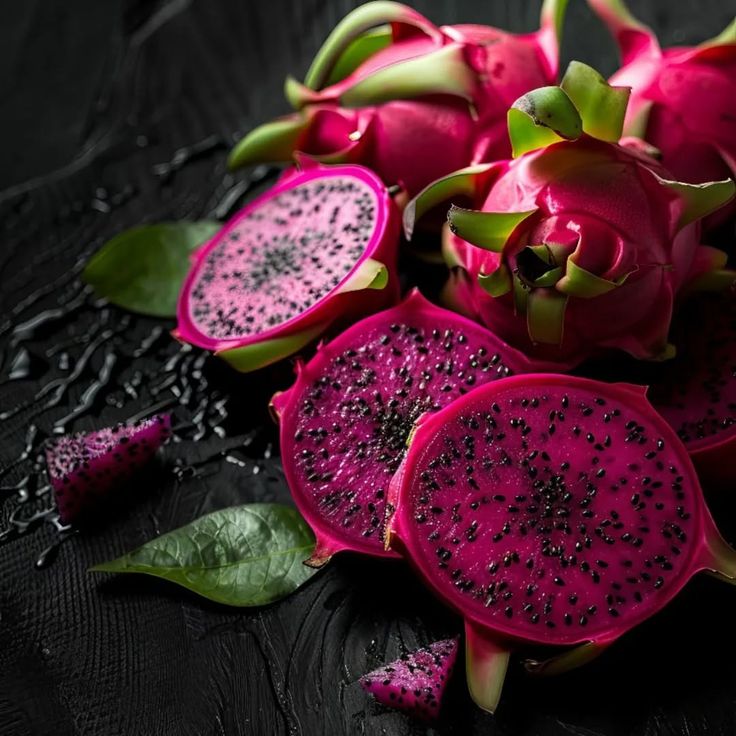
Dragon fruit is a unique kind of cactus plant that grows fruit that looks like a magical dragon egg. The white or pink flesh is dotted with small black seeds after cutting through the bright pink or red skin. Some people have described the taste as a reflection of kiwi, watermelon, strawberry, and pear, whereas others have likened it to a slightly sweet fruit, comparing it to a spice in their estimation.
Compared to other fruits, dragon fruit is far easier to grow for beginners. Established dragon fruit plants tolerate dry conditions and do not require much care and hardening against pests such as those encountered when growing strawberries and tomatoes (ibid). Economically, it is an advantageous choice as fresh dragon fruit fetches between $5 and $10 a pound in retail outlets. Residents who grow their own crops at home can reduce their grocery expenses while enjoying the bountiful harvest that home gardening provides.
Right Dragon Fruit Varieties:
Choosing the right variety of dragon fruit is an important success factor since different types have different tastes, colours, and growing conditions. There are over 50 different hybrids, but self-fertile varieties are preferred for beginners as they are easier to pollinate.
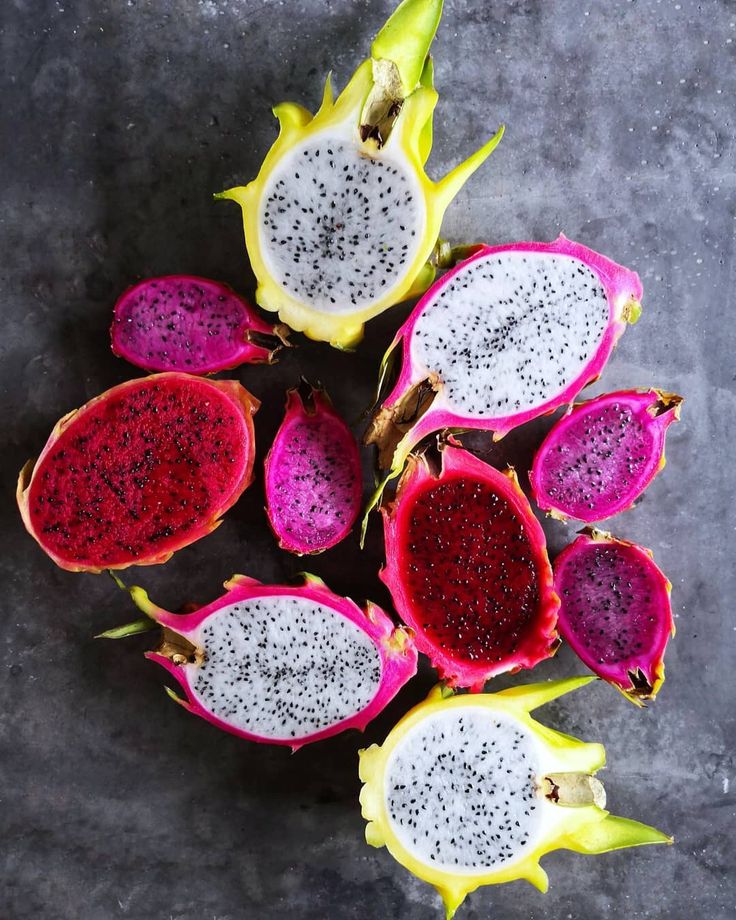
Top beginner-friendly varieties include:
White flesh (Hylocereus undatus ‘Vietnam White’): Has a mild kiwifruit flavor. It is red in skin color and white in flesh. It is highly hardy, especially in hot and arid regions, and can give rise to 20 to 30 fruits per plant.
Red-Fleshed (Hylocereus costaricensis ‘Physical Graffiti’): Offers a sweeter taste with notes of berries. Its skin and flesh are pink or red. It prefers more humid environments and produces 15 to 25 fruits. This fruit is best used for juice.
Yellow-Skinned (Selenicereus megalanthus ‘Yellow Dragon’): This is the sweetest of the three, and its flavor resembles that of pear and melon. It has yellow skin and white pulp. The stems are more thorny, and it produces fewer but higher-quality fruit – about 10 to 15 fruits per plant. It is well-suited for container growth.
Essentials of Climate:
Temperature: It favors 65–90 degrees Fahrenheit during the day but may withstand a short drop to 32 degrees.
Move it inside or wrap it with a frost cloth to guard it from frost.
It needs six to eight hours of direct sunshine per day. Should it fall below that, fruit output could decline by around 30%. It prefers humidity between 50 and 70% and demands roughly 25 to 40 inches of rain annually.
Adding drip irrigation helps to maintain it healthy if there is a dry spell.
Wind Protection: Strong winds can fracture weak stems; shielding the plant using windbreaks, such as hedges, is advisable.
Soil: A safe alternative if you’re not sure where to plant your dragon fruit seedling is a combination of cactus or succulent soil and compost. The plant would thrive under this combination with the appropriate drainage and soil pH. Digging little trenches surrounding the region will assist in draining extra moisture from the soil if you are planting it outside.
With around 60% sand or perlite and 40% organic material, sandy loam or cactus mix yields the best results.
pH: Between 6.0 and 7.0 is the optimum soil pH, which is slightly acidic to neutral. With a $10 kit, you can test the soil and add lime if it’s too acidic. The soil drains rapidly with raised beds or mounds 12 to 18 inches high.
How To Grow Dragon Fruit:
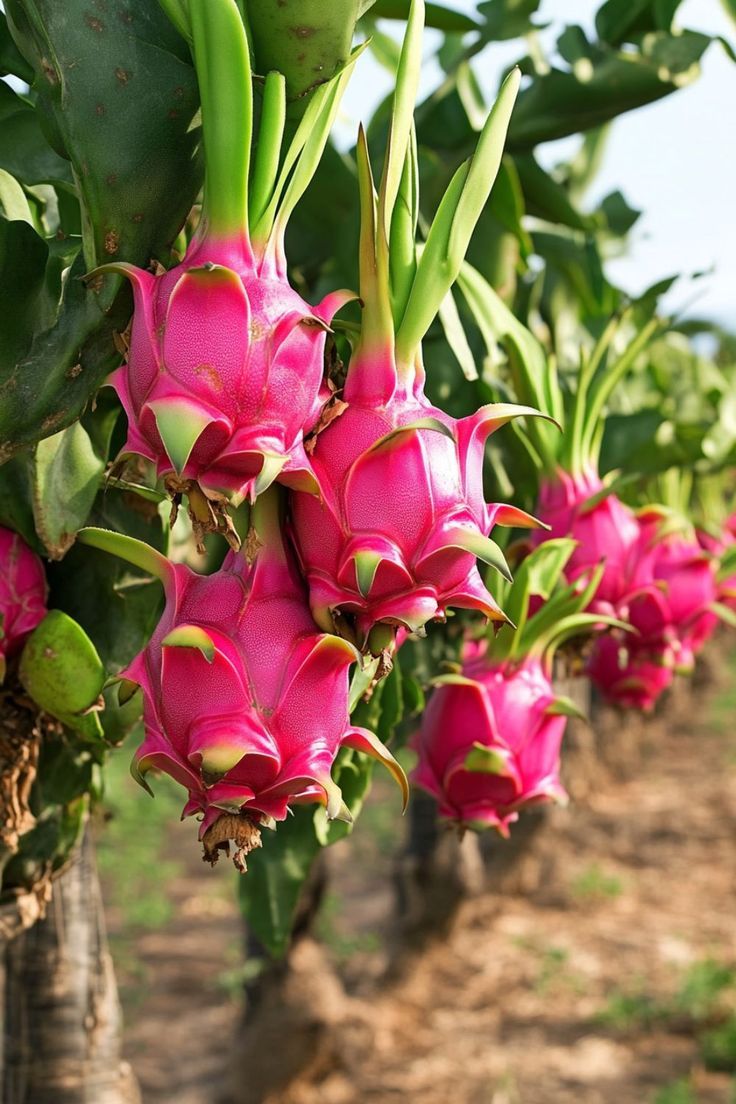
Originally from Mexico and Central and South America, dragon fruit grows.
They like warm temperatures with freezing winters and no freezing. They can occasionally manage some cold temperatures, but it’s best if they remain over 10 degrees. Though they can endure heat, dryness, humidity, and even bad soil, they will provide better-tasting fruit if they receive constant irrigation and suitable soil.
Select a location with a lot of sunlight:
Include organic pelletized fertilizer, compost, and manure to enhance the soil. Adding lime may also be beneficial. Because these plants can get sick if their roots remain damp for too long, the soil should be well-drained. Though it’s not the ideal choice, gypsum and raised bed gardening may help if that’s all you have. Alternatively, they can thrive in a large container.
For dragon fruit growth from seeds, plant them around 5mm deep in pots containing Seed & Cutting Potting Mix.
Gently cover the seeds and keep the soil wet as they germinate. The seeds can take as much as two weeks to sprout.
Water the seedlings less once they emerge and allow the soil to dry out between feedings. Move the plants into the prepared soil when they are rooted and robust.
Before they begin to bear fruit, dragon fruit plants grown from seeds can take five to seven years. Thus, be patient!
Types of Placements:
If you lack room, growing dragon fruit in containers is a viable choice. You’re all set to begin cultivating your dragon fruit; just pick a container with drainage holes and a soil blend made for cacti and succulents.
Direct planting of dragon fruit in the ground is great if you reside in an arid or tropical region where the soil drains properly.
Like other desert plants, these thrive in dry soil. Too much water might rot the roots, so that is something to be avoided.
Dragon Fruit Propagation:
Seeds or cuttings can be used to grow dragon fruits. Should you begin with seeds, set some of the fruit’s pulp on a damp paper towel. Keep it warm, but avoid direct sunlight. Seeds ought to germinate in two to three weeks. You may plant them in little pots once they have grown some height. Transfer the seedlings into separate pots once they are large enough. They need several years to become huge enough to bear fruit.
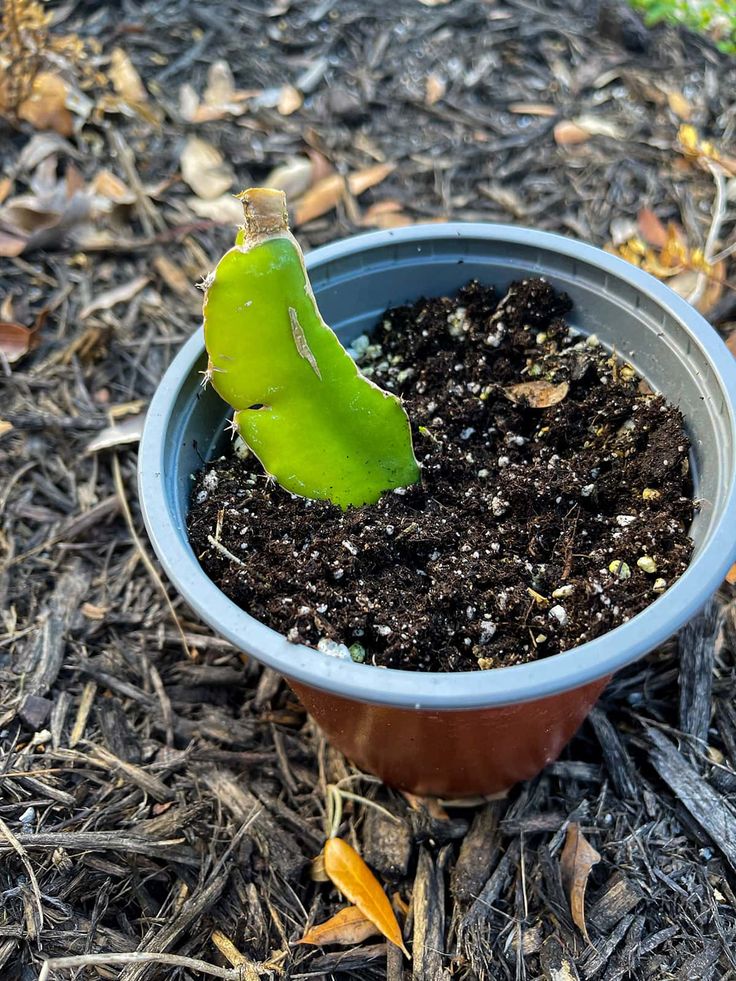
Cuttings are used by breaking off a section 30 to 50 cm long and leaving it to rest for a week in a dry, dark location.
This dries out the cut end and stops it from decaying. Then, place the cutting in a pot and maintain it in a bright but shaded place until it roots. Once roots have developed, you could move it into direct sunshine. Avoid watering it too much during this period. Although cuttings may be taken at any time, warmer months cause them to grow more quickly.
Transplanting:
When the cactus has dried, spread the seedlings over the damp and nutrient-rich growing medium. Choose a container with drainage holes in its bottom. It does not matter whether the roots are covered with soil or not, as long as there is contact with the soil. Cover the seedlings with a plastic bag, making sure to make small holes in it to maintain a moist atmosphere. Daily inspection of the setup is necessary. Spray water onto the young cactus seedlings using a soft jet.
Pruning and Training:
For the first 1-2 years, you might not need to prune the plant. This allows the young plants to develop strong, vertical stems and grow properly. Once the plant grows to a height of about 3 to 6 feet (1 to 2 meters), the branches should then be allowed to hang sideways, with no upward growth being allowed. Tying down the lateral hanging branches can be done with a hoop or an old tire placed around the main stem. This keeps the branches from breaking under their weight.
Fertilization:
Since dragon fruit is a fruiting plant that needs more nutrients. The application of fertilizers to the soil where the dragon fruit grows during the first year is not mandatory, but it can have a beneficial effect on its growth. An organic fertilizer, such as cow manure, should be chosen and applied in 3-4 installments, totaling 9 pounds (4 kg) per plant. If the plant starts to bloom, fertilizing should then take place with a fertilizer with a higher ratio of potassium and phosphorus than 8-3-9, though other complete fertilizers like 13-13-13 work equally well too. Spread 1-2 pounds (0.5-1 kg) of the fertilizer per plant.
Pests and Diseases:
Learning how to plant dragon fruit seeds also involves learning how to care for the plants once they are planted. The pests and diseases that exist depend on the local environment. Common pests are bugs, aphids, and thrips, which can be organically eliminated using neem oil, manually removing pests, or blasting them away using high water pressure (ibid). To prevent rotting, water the plants sparingly and avoid using overhead sprinklers.
Pest and disease control play an important role in keeping the dragon fruit plants healthy and protecting them from any harm, thus ensuring a good harvest. These pests and diseases include mealybugs, which suck the sap from the plant and reduce growth, and fungal infections, which tend to occur in places with high humidity and excess moisture.
These issues lower the quality of the fruit and also reduce the plant’s productivity if not corrected early enough. Alongside identifying and eliminating pests and curing diseases, Dragon fruit plantation requires regular checks and prompt action to help keep the plants healthy and productive.
Harvesting Dragon Fruits:
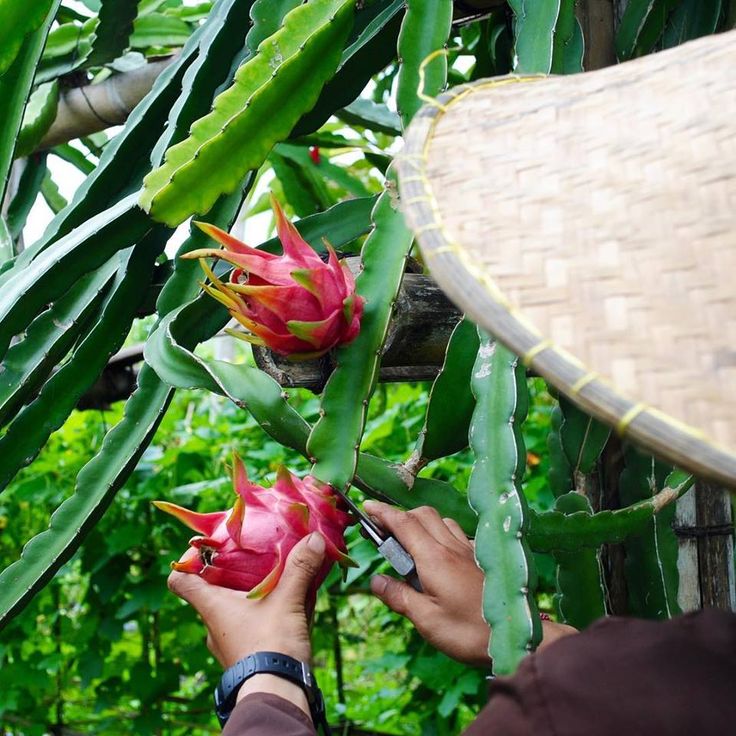
Once the fruit is picked, it will not continue to ripen, so you need to see signs before harvesting. The fruit should have a bright color, which is evenly spread across the fruit. The wings around the fruit must be drying up. Press the fruit gently with your hand, and if it is ripe, it will give in a little.
Yield & Profit Potential:

Common Problems and Solutions :
Root Rot: This develops when you water too much or when the soil is not draining well. Ensure that the soil is well-draining, and watering is done only when the top layer becomes dry.
Lack of Fruit Production: This can be attributed to insufficient sunlight, inadequate pollination, and excessive use of nitrogen-rich fertilizers. Expose the plant to enough sunlight and do not apply much fertilizer to it.
Pests: If aphids or mealybugs are noticed, use organic pesticides like neem oil or attract natural enemies like ladybirds.





Leave a Reply