Different farms would specialize in different crops or different kinds of cows. How financially successful you are depends on whether your plants or animals match what consumers are willing to buy.
Opting for crops for more profits entails more than mere crop quantities. Selecting crops is about aligning them to market demand and not disregarding it. Land type is also one of the factors that determines the growth templates in a particular area. Farm activities have specific limitations, too.
Key factors that influence farming profitability:

Market demand and trends:
A success farms think about what people want to shop for and what they’re inclined to pay more for. people need to buy veggies, unfastened–range eggs, and grass-fed meat.
Those farms additionally sell such things as microgreens and mushrooms. While small farmers sell their products immediately to people and at markets, they can compete with farms because they promote sparkling and true products.
Land and climate suitability:
To make money, you need to work with the land you have. You can not combat the land.
As an example, berries are properly grown in the Pacific Northwest, vineyards are correct in California, and apples and maple syrup are excellent in the Northeast.
If you select things to develop or animals to elevate that might be right in your land and climate, you will not lose a good deal of money, and you’ll be secure.
Time your harvests wisely:
Another way to get funds is to grow things that can be harvested many times in one year. In some places, you can pick greens four to six times.
Old-fashioned crops can be more profitable with a proper selection of crop type and agricultural practices. This way you can use your land and weather in a way. Testing needs to be done to see what suits the farm best, as well as the farmer and market demands and trends, and land and weather suitability (Old-fashioned crops can make more money, n.d.).
Things to Consider Before Growing:
Before you start growing a crop to make money on your small farm, there are a few important things to consider. These things can help you figure out if the crop is right for you and your farm.
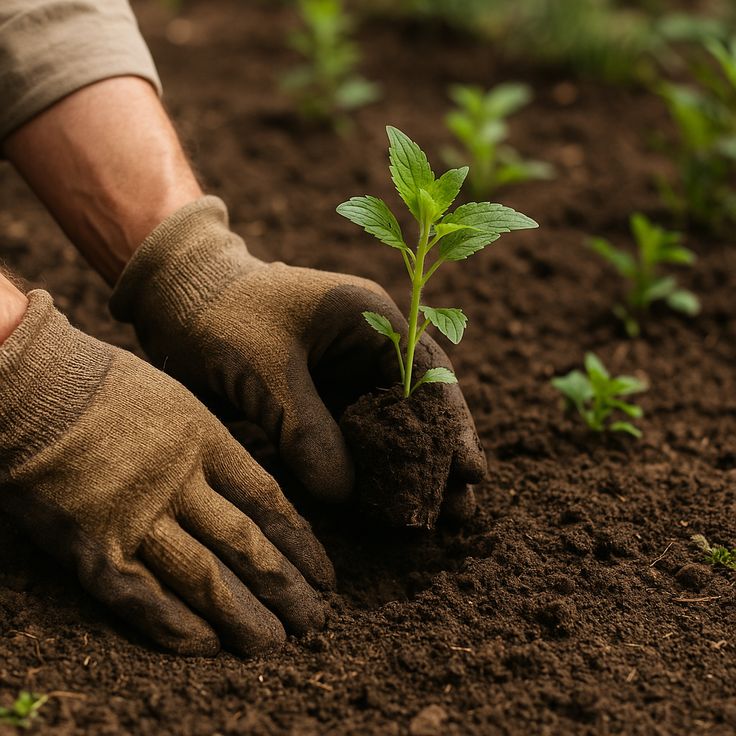
First, think about the land you have.
Do you have space to grow the crop you want to grow? The crops I will mention can be grown in areas, but you should still think about whether you have enough space and if you can use it in a way that will make you money.
Next, think about what you need to grow the crop.
Some crops need a lot of water and food, which can make them expensive to grow. Remember that sunlight is also significant for growing a crop. Make sure you have everything you need to help your crop grow well.
Finally, think about where you will sell your crop.
Before you start growing, look at what’s selling well in your local markets. This can help you find the places to sell your crop for a good price. You can sell your crop at places like farmers’ markets, to restaurants and chefs, and at local grocery stores.
Most Profitable Crops for Small Farms:
1. Mushrooms:

Mushrooms might not come to mind when thinking of small-scale agricultural solutions because they are a cash crop. However, mushroom cultivation is worthwhile. Urban or limited space farmers will find them very handy.
Typically grown indoors, mushrooms are the crops that can maximize on every square foot of space.
For example, oyster mushrooms may yield 25 lbs per square foot. They can also be grown vertically in large hanging bags to fully utilize the available space. Mushroom cultivation is a high-value agricultural option with minimum resource and space requirements.
It guarantees income with multiple annual crops. The plain and mountainous areas of KPK provide the best conditions for farmers to grow mushrooms, and it represents a financially rewarding opportunity for the gardeners.
2. Micro greens:
Regarding earnings per square foot, both are among the most lucrative crops.
Growing microgreens has the benefit of being easy to scale up.
Beginning with only a few trays in a spare room or basement, you may rapidly start generating an extra few hundred dollars monthly.
From seed to harvest, microgreens need just about 2–3 weeks to develop, and they often cost over $15 per pound.
You could wish to use shelves to arrange your microgreens as you get older.
This lets you raise them under fluorescent illumination with up to four layers of microgreens, one on top of the other. Although hydroponics can grow microgreens without soil, they are most frequently grown in 10-inch by 20-inch trays filled with dirt.
Similar to mushrooms, microgreens should be sold fresh and only last very little after harvesting.
Whether it’s at a neighborhood farmers’ market, by phoning chefs or grocery stores, or through wholesalers, you will need to find a means of selling them. Almost any typical vegetable or herb may be transformed into a microgreen; today, there are several kinds often farmed.
3. Flowers:
I have heard that a long time ago, in 1637, people in Holland went crazy for tulips. They were paying a lot of money for one tulip bulb, even more than what most people made in a whole year. Growing flowers today is not that crazy. It can still be a great way to make some money on a small farm.
There are many different flowers you can grow. You can grow bulbs, cut flowers, dried flowers, and many more. I think growing flowers is an idea for a small farm because it is easy to get started. You do not need a lot of money, a few dollars for seeds, and some basic things.
4. Garlic:
Garlic is a crop to grow because it is like having money in the bank. You plant it in the fall, pick it in the summer, and dry it properly. Then you can sell it for a long time, up to six months. People love garlic, especially when it is fresh and local. For farmers who want to make money during the slow times, garlic is a great choice because it lasts a long time and does not need a lot of work after it is picked. Garlic is one of the profitable crops for small farms.
5. Tea:
Pakistan uses a lot of tea. It has to import most of it. If we grow tea in places like KPK and Azad Kashmir, we can save a lot of money, about $2.5 billion each year, and make our own tea. Tea farming can be very successful in these areas.
6. Blackberry:
Some farmers in Punjab and Gilgit-Baltistan are starting to grow blackberries. With some help from people who know about farming, Pakistan can start selling berries to countries in the Middle East, and that can be very profitable for farmers. Blackberry farming is becoming more popular.
7. Ginger:
Plenty of people use ginger for cooking and medicine, so it is in demand. We import a lot of ginger. If we grow it here, we can meet that demand. Growing ginger needs greenhouses, but it can be very rewarding and can help farming in Punjab a lot. Ginger is a useful crop.
8. Olive:
Growing olives is a thing for Pakistan. Olive oil is very popular all over the world, and it is called “liquid gold.” Some parts of Pakistan, like Khyber Pakhtunkhwa, Balochistan, and southern Punjab, have the weather for growing olives. One olive tree can produce fruit for over a hundred years.
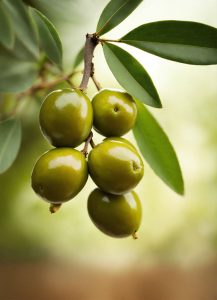
Each tree can give us up to 30 kg of olives. We can make a lot of oil from those olives. If we start growing olives, we can reduce our need for imported oil. Start selling our own olive oil to other countries. Olive farming can be very profitable.
9. Berries:

Some kinds of berries, like strawberries, blueberries, and raspberries, are very profitable because people want them a lot and are willing to pay more for them. In some parts of the world, like the Pacific Northwest and Canada, blueberries are one of the crops for small farms, while strawberries are very popular in California and Florida. Berries are a choice for small farms.
10. Herbs:
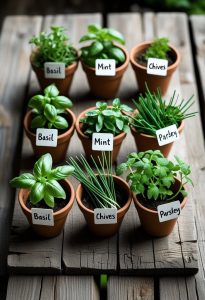
Herbs like basil, mint, and lavender are very useful. We can sell them fresh at markets. Dry them to make teas, oils, and food mixes. Some farms in the U.S. and Canada grow lavender. Also, have tourists visit, which helps them make more money. Herbs can be a way to make some extra money.
11. Papaya and Dragon Fruit:
Papaya and dragon fruit are popular fruits that people like to eat because they are tasty and good for you. They are also popular in other countries, so we can export them. Growing these fruits takes a lot of time and money at first. Once the plants are grown, we can get fruit from them for a long time.

Papaya grows quickly and can start producing fruit in just one year, which is great for small farmers. Dragon fruit is a kind of cactus that can grow up the sides of walls or in small spaces, which is perfect for small farms. Both of these fruits are in demand and can be very profitable, especially if we sell them to cities or to people who care about health. Papaya and dragon fruit are choices for small farms.
Conclusion:
The most sustainable profits come from balancing what you could develop efficiently with what buyers are willing to pay for. Through focusing on the maximum profitable plants, experimenting with cash crops that suit your market, and diversifying to reduce threat, small farms can thrive as both a lifestyle and an enterprise.
With planning, dedication, and clever choices, the dream of a worthwhile small farm is completely within reach.

Leave a Reply